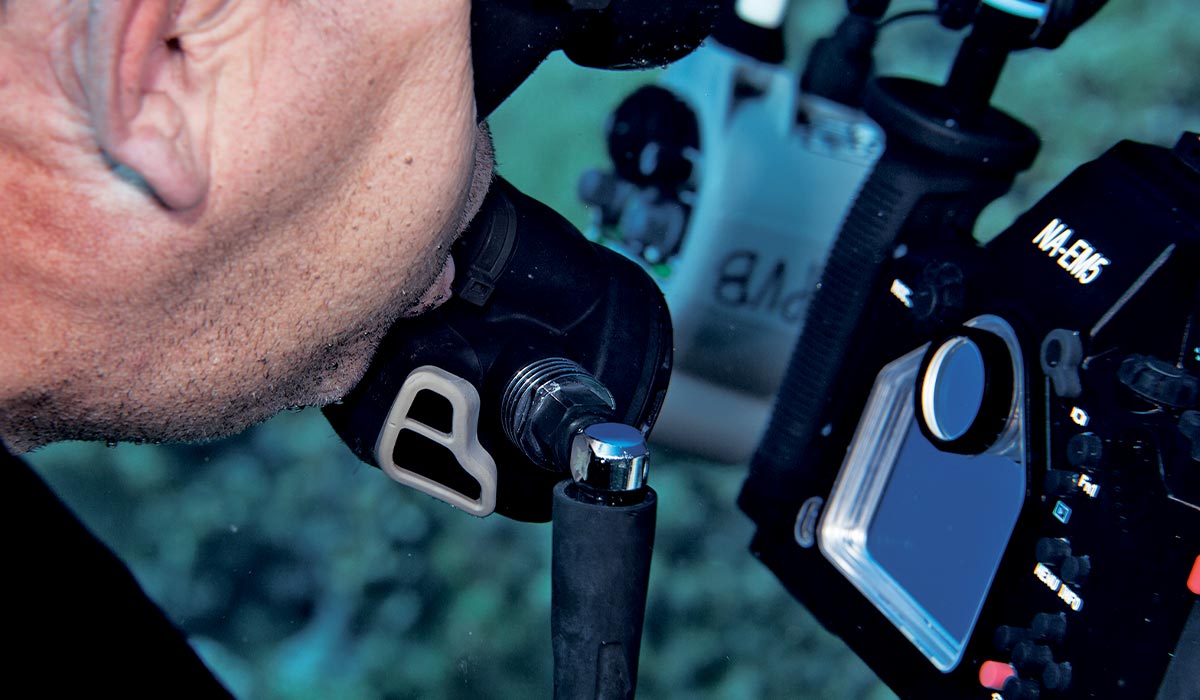
Hypoxia in Breath-Hold Diving
Freediving is growing in popularity but the sport does come with risks because of how divers hold their breaths for long durations. Learn more about the safety of freediving.
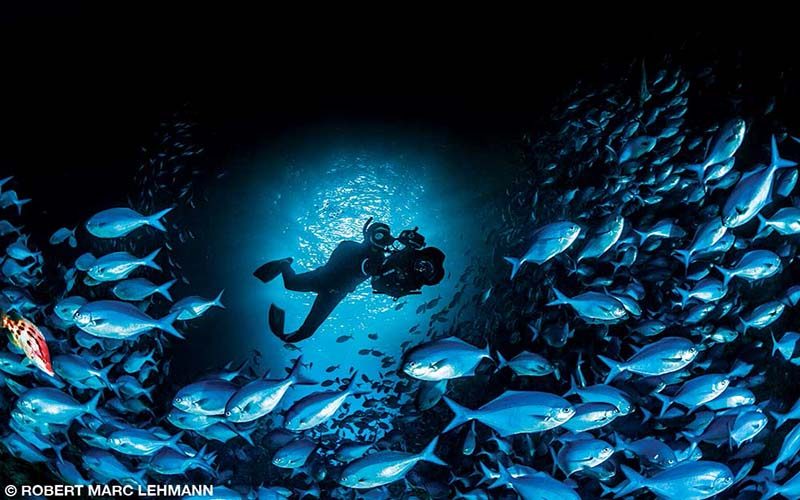
Freediving is growing in popularity but the sport does come with risks because of how divers hold their breaths for long durations. Learn more about the safety of freediving.
Situational awareness — the understanding of what is happening around you — can help prevent many dive injuries and accidents. When you mind your surroundings, you increase safety. Get in the zone, and learn more about how to achieve situational awareness.
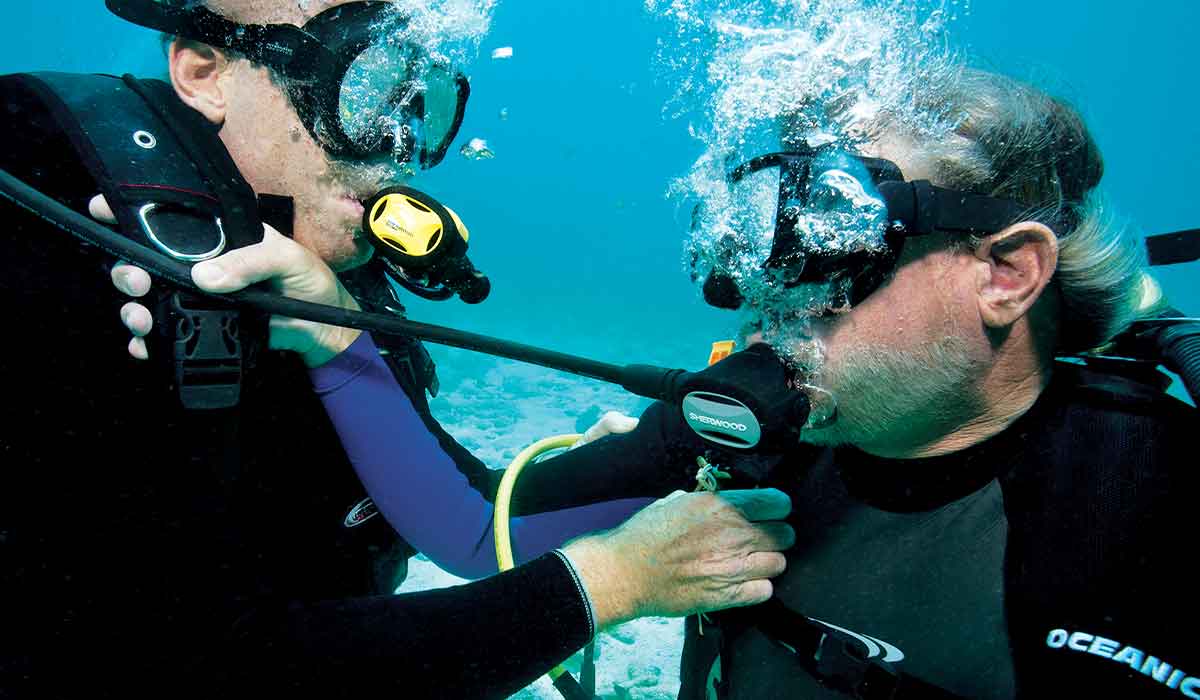
MINORS HAVE BEEN DIVING FOR DECADES, but the incidence of scuba diving injuries among them remains poorly studied. As opposed to most other outdoor recreational activities, the main challenge while […]
Certain medications can impact your health and/or ability to dive. There are important considerations that need to be made before heading into the water.

Emergency plans are vital and as you prepare, you need to ensure your plan encompasses a variety of scenarios. Good emergency plans reduce feat and anxiety. How good is your plan?

THE RAPID GROWTH OF FREEDIVING in the U.S. brings a positive light to a sport that is mentally healthy and physically inspiring but has little tolerance for error. Shallow-water blackout […]
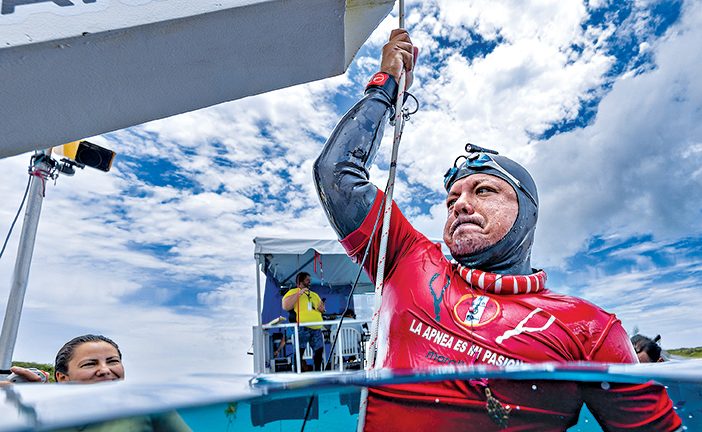
Diving experience is incredibly helpful to ward off certain risks. We experience risk in different ways and some ways provide helpful lessons. Read more.
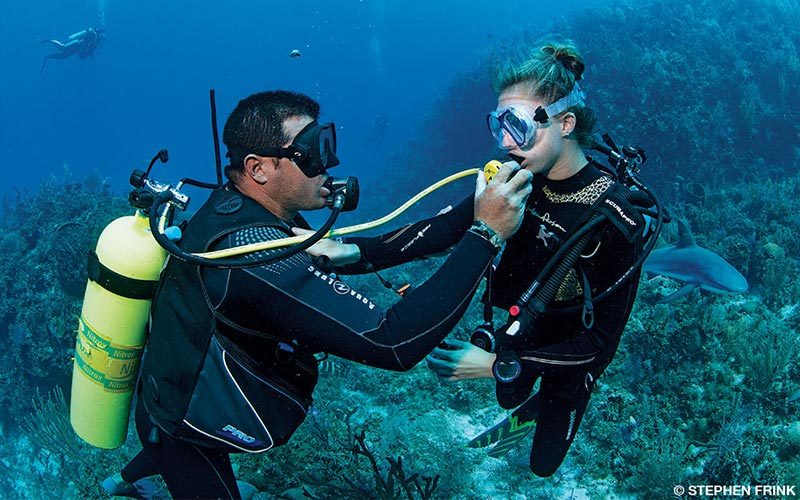
Hand signals are critical communication tools for divers. It’s imperative before any dive that buddies understand their preferred signals to avoid any miscommunications or mishaps.
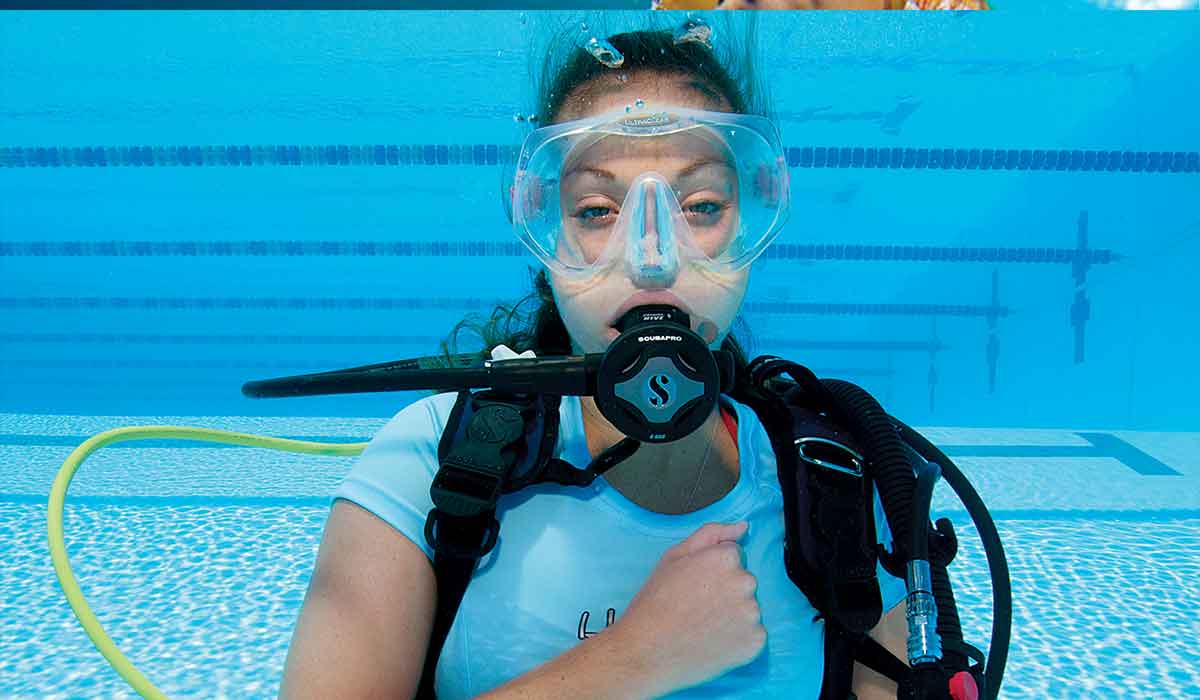
Scuba diving demands not only physical fitness but also proper nutritional preparation. Like with any activity, we expend energy while diving; surprisingly, the energy required for routine recreational diving is somewhat moderate. Under unusually strenuous recreational conditions, however, it’s possible to burn more than 500 calories.

Jaw pain is a common complaint in divers, but the problem could be serious. Read more about temporomandibular joint dysfunction.