Temporomandibular Joint Dysfunction in Diving
Jaw pain is a common complaint in divers, but the problem could be serious. Read more about temporomandibular joint dysfunction.
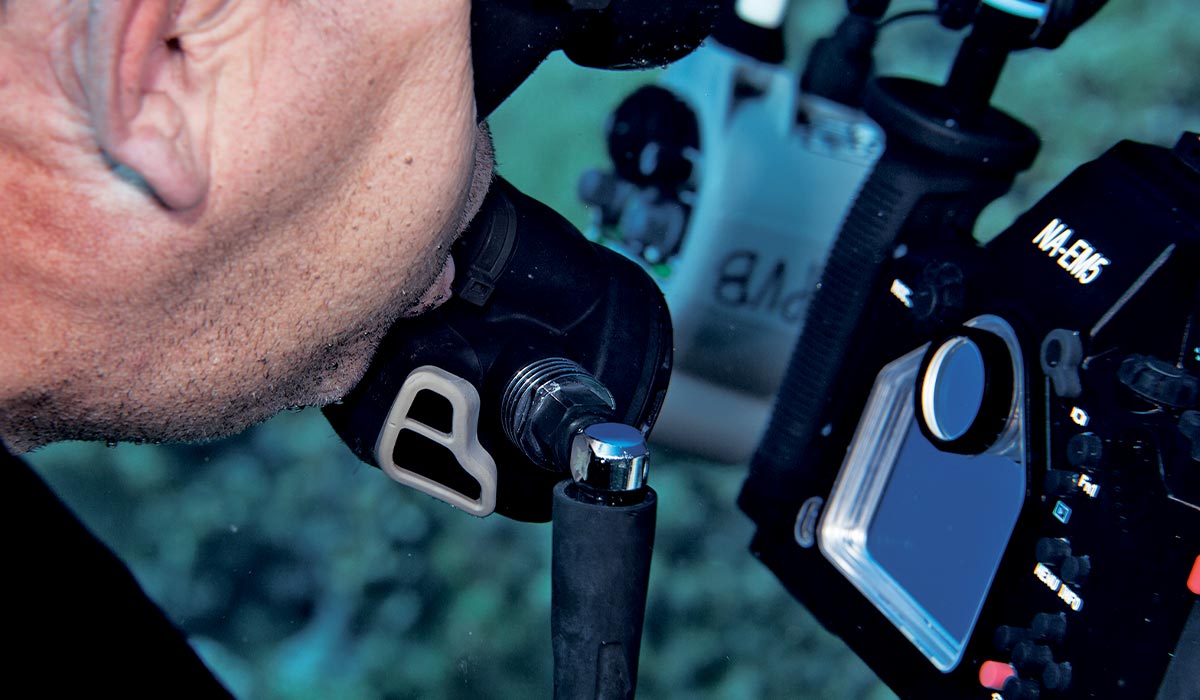
Jaw pain is a common complaint in divers, but the problem could be serious. Read more about temporomandibular joint dysfunction.
Buoyancy control is imperative for optimal scuba diving safety. While the concepts are simple, masking proper buoyancy control can be difficult. Read more about buoyancy.
The day-to-day tasks of injury monitoring at Divers Alert Network include tracking dive fatalities by sifting through emails, news alerts, and social media to collect information about recent events. Our goal is to report to the dive community our findings on what people report to us or what we encounter in our research.
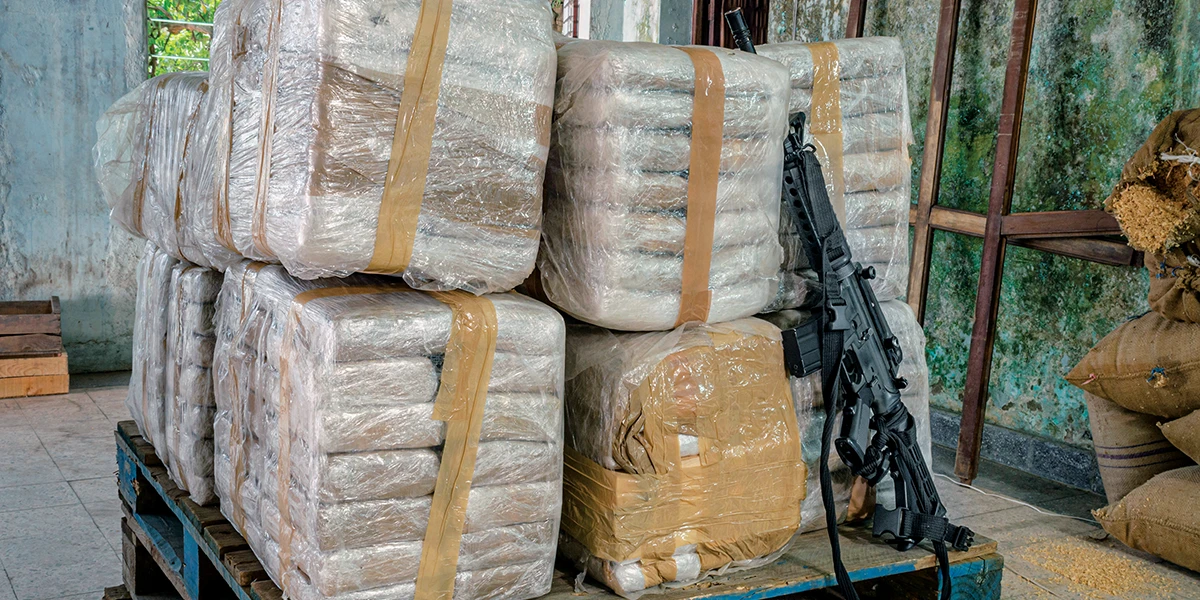
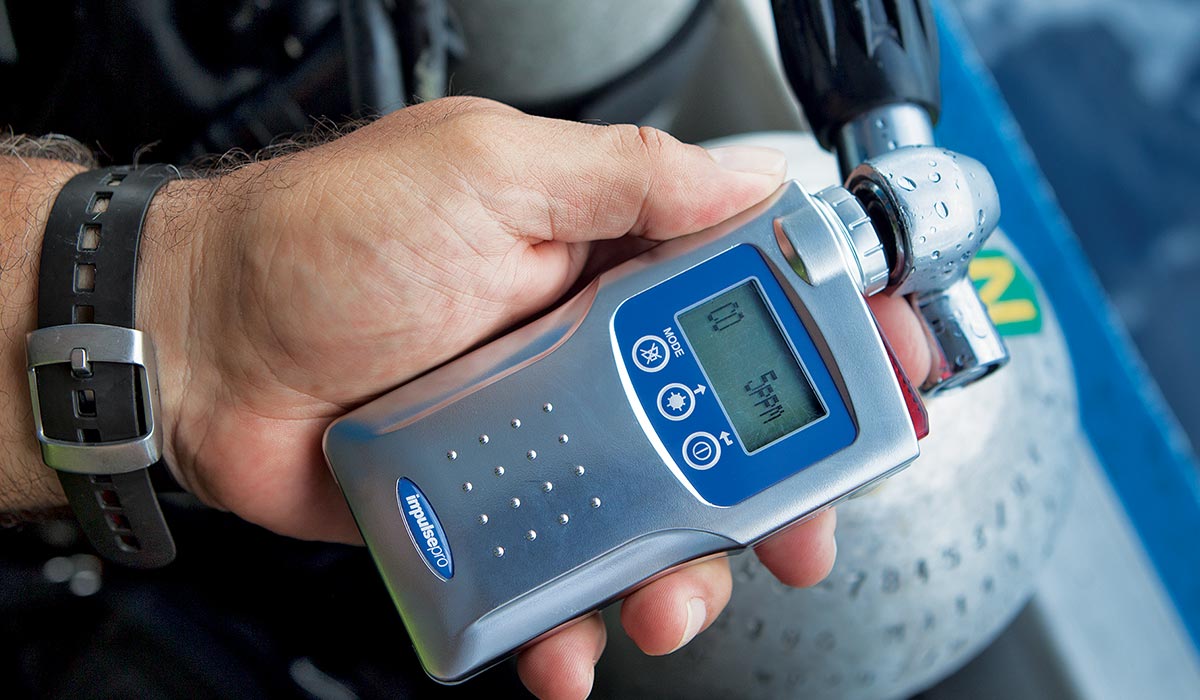
Breathing-gas contamination, although rare, can happen. Sources of contamination vary, but they are important to know. Get the inside scoop on breathing-gas contamination.
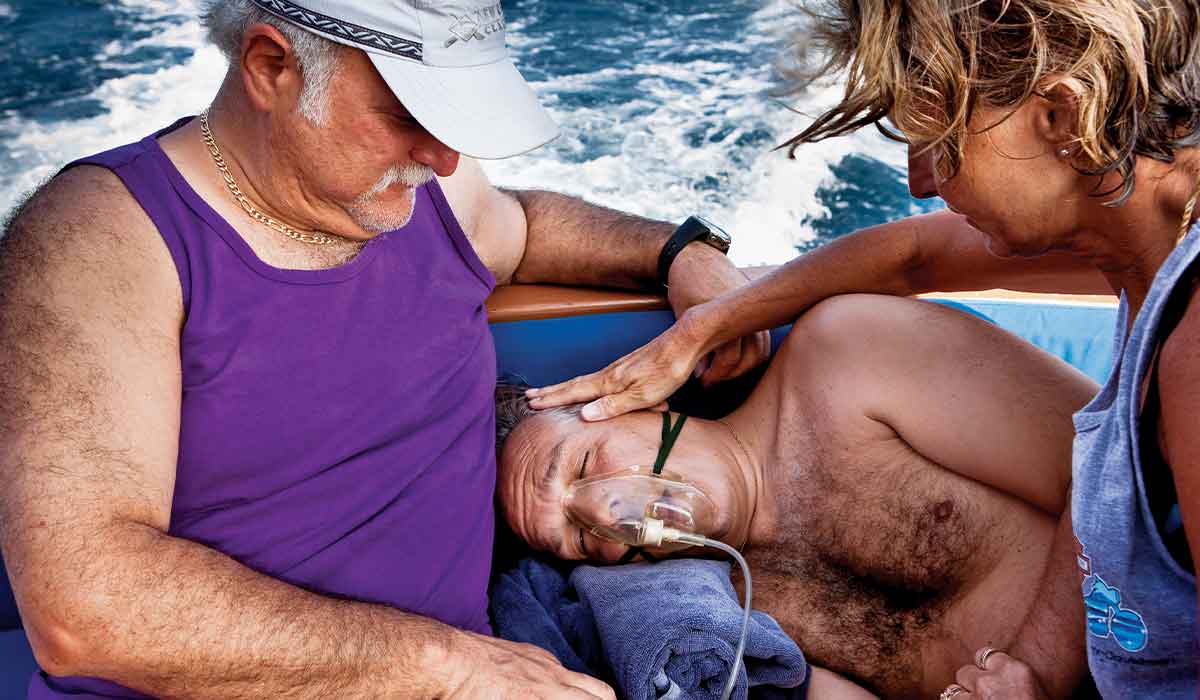
In a rush to enter the water, a diver did not check the tank valve, leaving them in a dangerous spot. Read more about the incident.
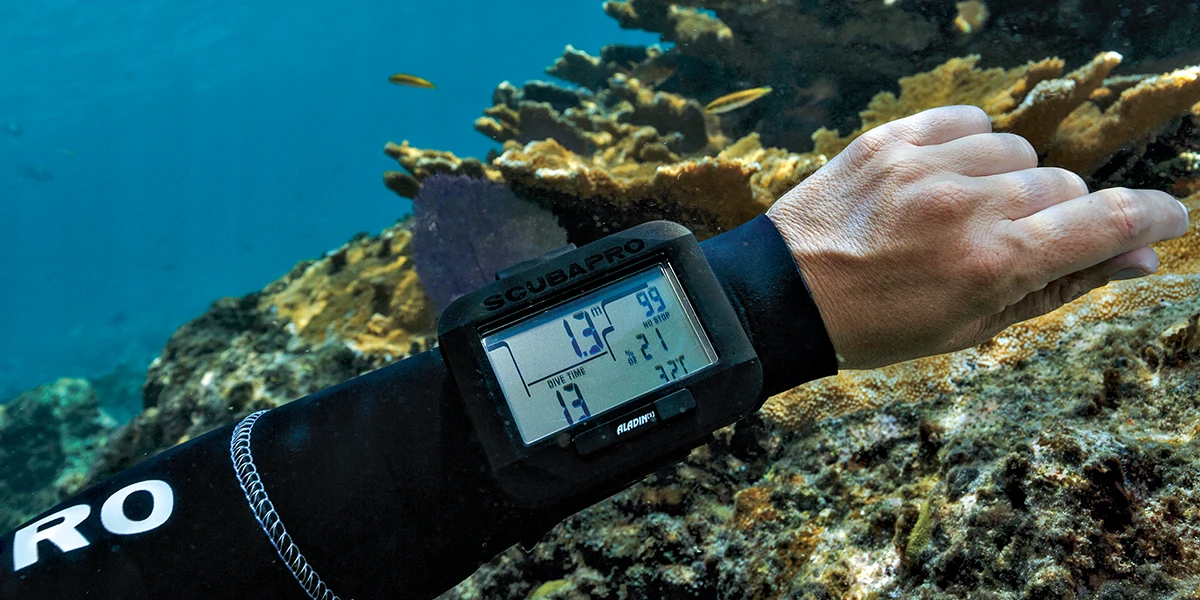
As a hyperbaric physician and dive instructor, I’ve been around a lot of dive accidents, and I’ve spent decades educating divers and treating decompression sickness (DCS). A misunderstanding I consistently see among the divers I treat pertains to no-decompression limits (NDLs), with divers repeating the common refrain that they were “diving within the limits” and that their DCS must therefore have been a random event.
Propeller trikes happen to divers and the injuries are brutal. Read more about propeller safety, tools, research and more to prevent these nasty injuries.
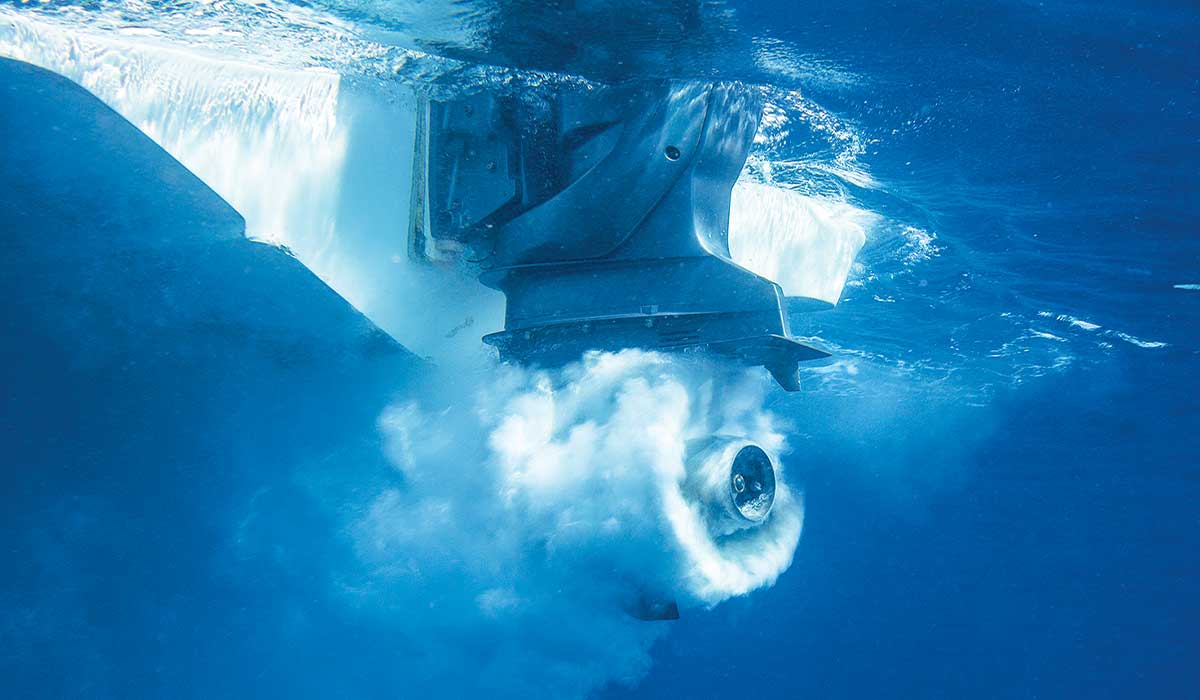
Propeller safety should be taken as seriously as every other aspect of dive safety. Much of the responsibility certainly lies with the pilot of a boat, but there are several things divers can do to help increase their safety margin when sharing the water.

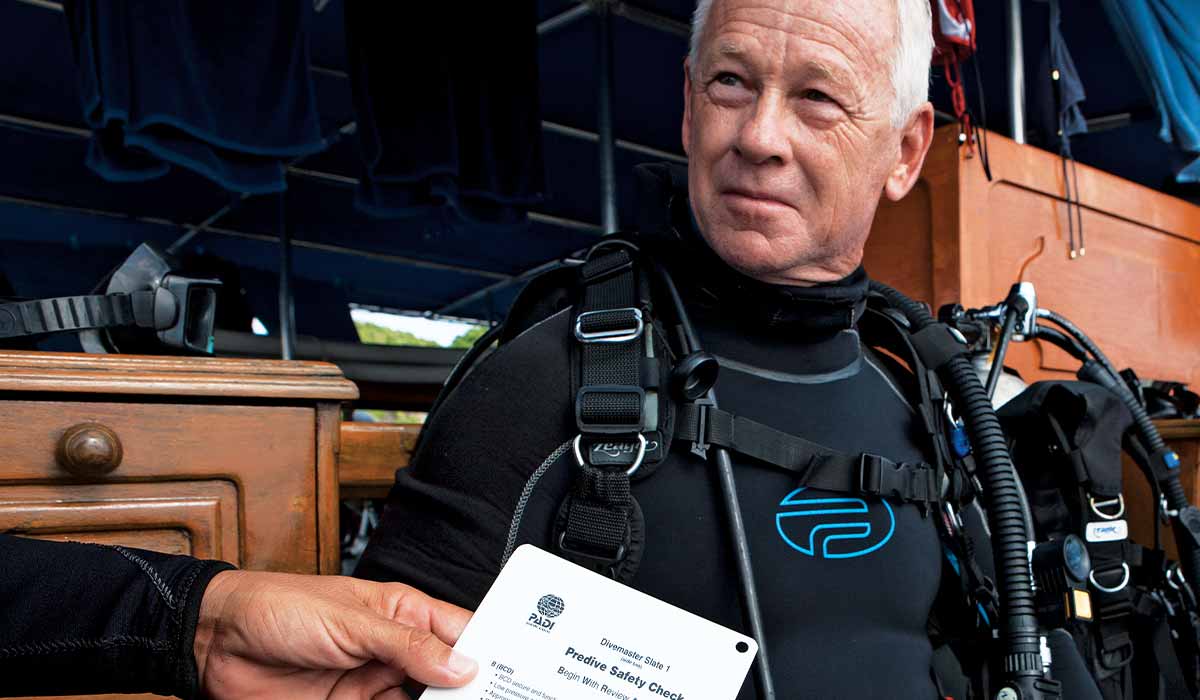
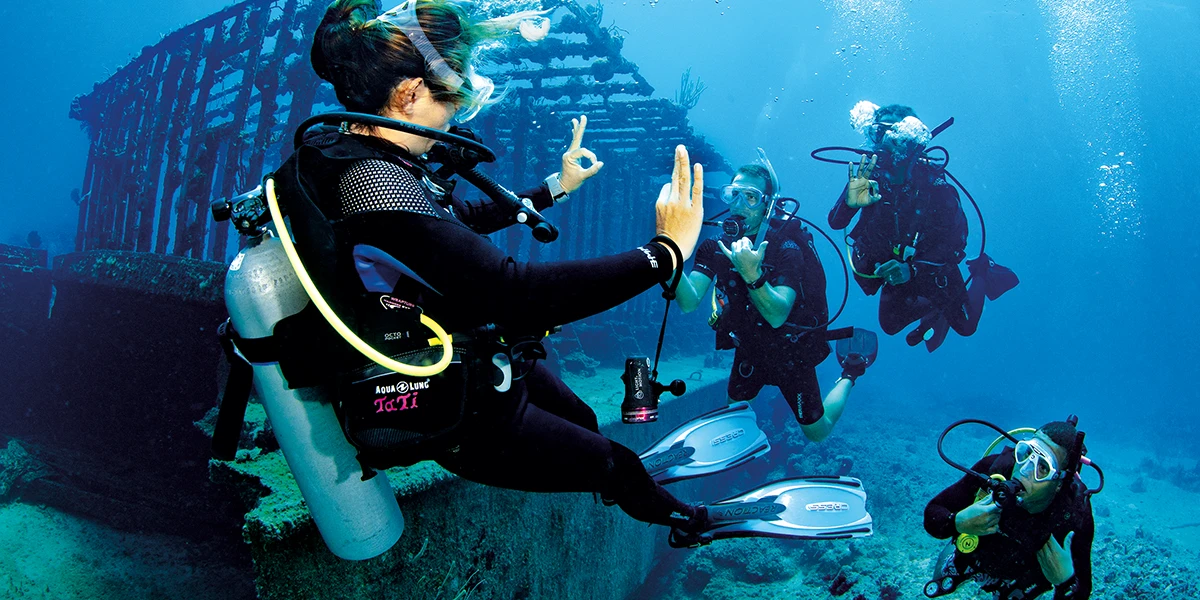
You check in at the dive shop, sign your waivers, get your gear on the boat, and set up your BCD on your first tank for the day. The divemaster introduces you to your dive buddy for this trip — a total stranger from another part of the world who is here for the same things you are: great diving and returning home safely.
Checklists may be the missing tool to safer diving. Checklists are used in other fields, not just diving, like aviation and surgery. Read more about the history and importance of checklists.