Right People in the Right Places
After falling off of a boat, a quick-thinking witness was able to provide assistance to an unconscious diver.
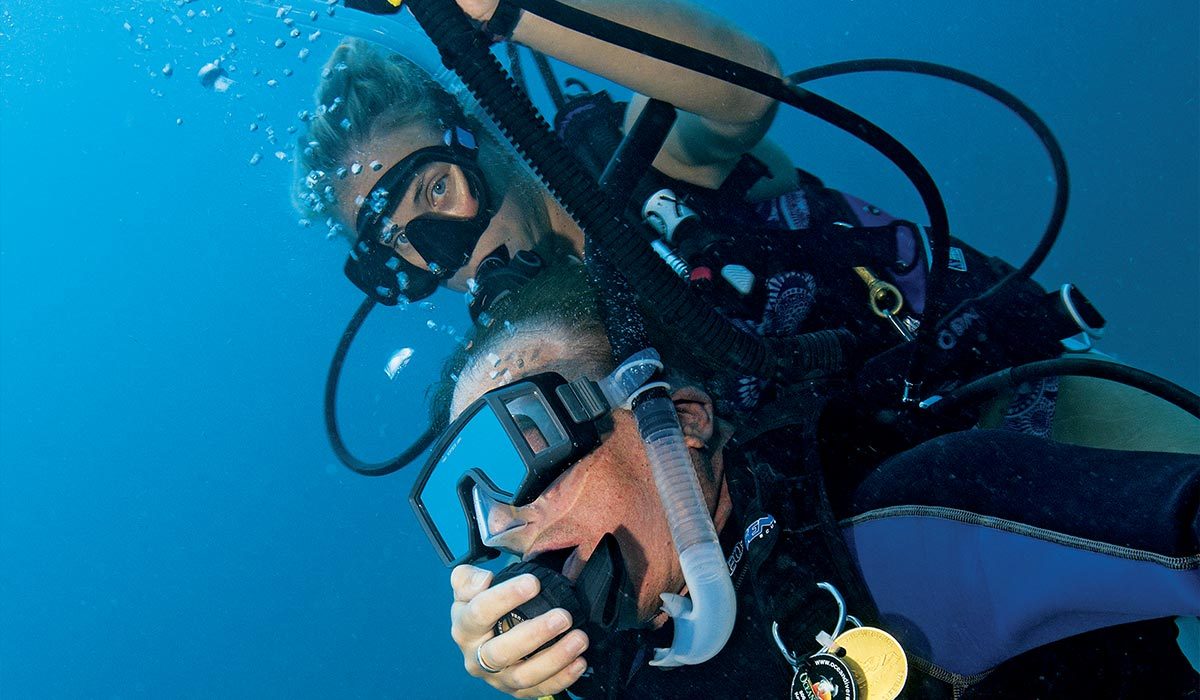
After falling off of a boat, a quick-thinking witness was able to provide assistance to an unconscious diver.
MY DIVE BUDDY AND I planned to do a longer than usual dive one Saturday morning at Madison Blue Spring State Park in Lee, Florida. For several years and more […]
Divers can’t save themselves unless they understand what’s happening and how to evaluate the problem, keep breathing and act. It sounds simple, but the rescue diver course helped me solidify my safety and survival skills. I may not remember every detail, but one item still stands out for me as invaluable for a new diver: Any dive can be stopped at any time, for any reason, without question. To that I would add “and without embarrassment.” That advice would eventually save me.
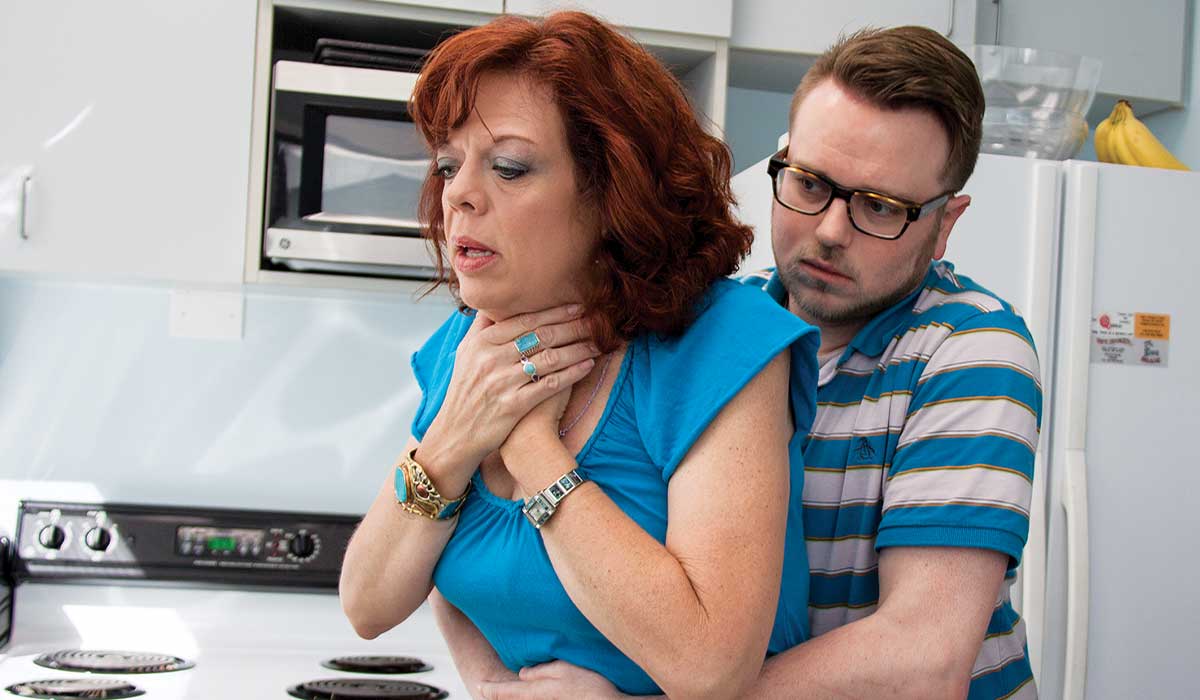
An emergency skills instructor saw first-hand how these important skills matter. His friend was able to help his mother when she was choking. Read more about important safety skills.
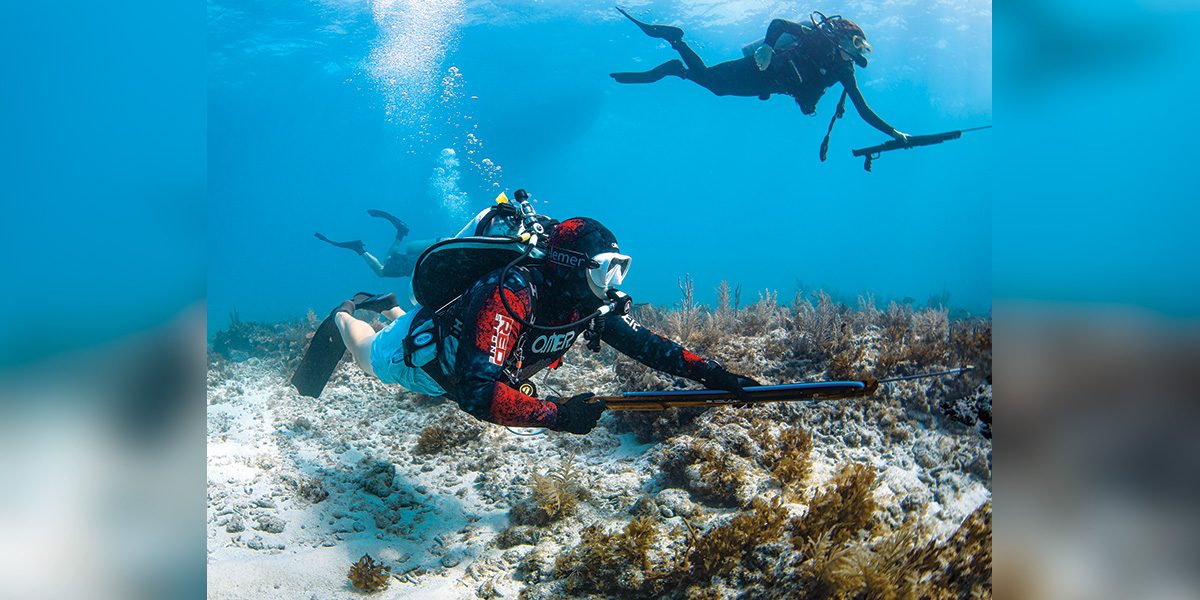
Many divers are proud to be comfortable in the water and sometimes push their limits on air consumption, exceed their bottom time, or take one last shot of a big fish with a camera or spear before ascending. Some of them develop reputations in the dive community for being competent divers by looking cool and experienced while taking little risks. It may start small but snowball into making poor decisions for which the price you pay is not worth the reward.
Pure oxygen can save a person’s life when administered correctly — but oxygen administration is a skill not everyone has. Learn more.
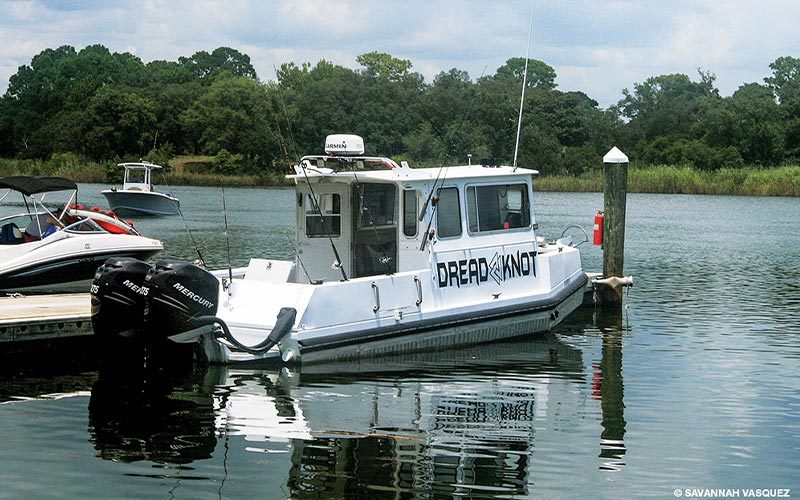
Two DAN members share their stories of separate field trips going array and how their safety training skills were incredibly helpful.
Divers spend much of their time underwater with a select group of buddies — the ones we trust to get us through the dive and surface with fresh experiences and stories to tell. Newly certified divers have had limited interactions underwater, having dived only with classmates, instructors, and assistant instructors during their classes.
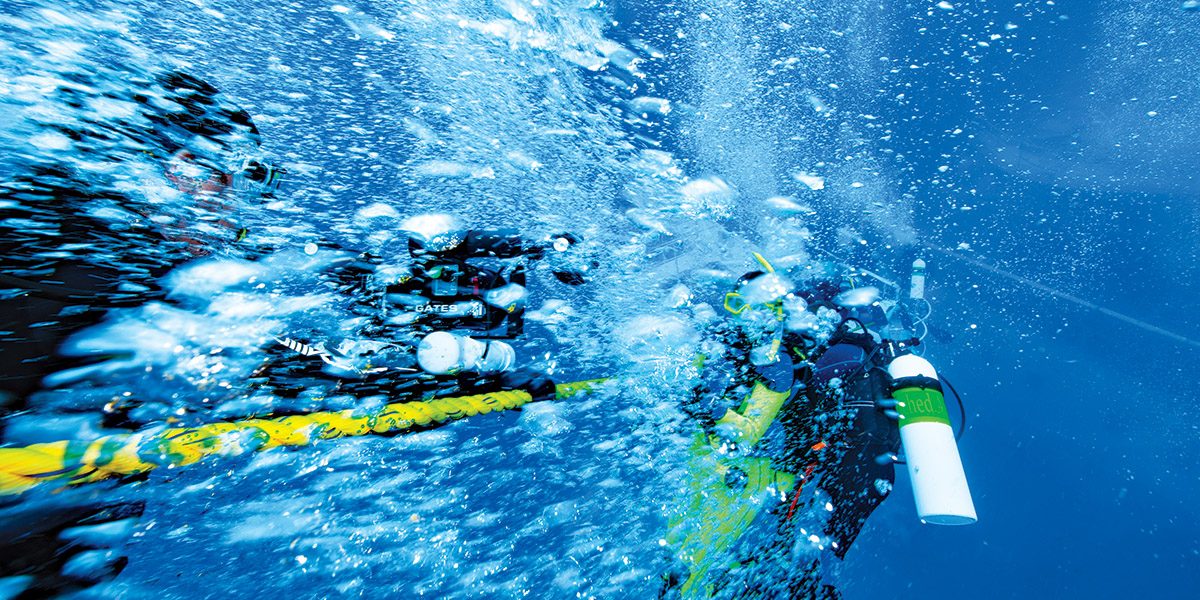
About to start a dive, a group of divers were asked to help a potential drowning victim. Training kicked in and they provided relief. Read more about this heroic story.
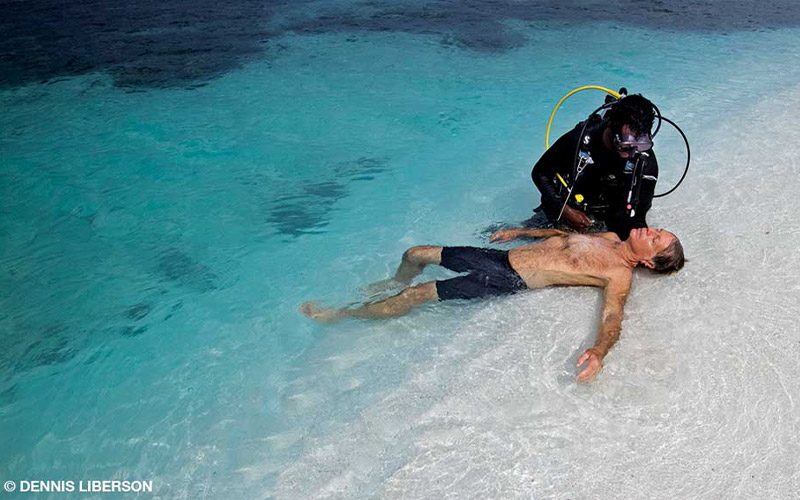
Dive training and skills can prevent emergencies. Read the story of how one diver repeatedly met situations where their dive training was crucial.