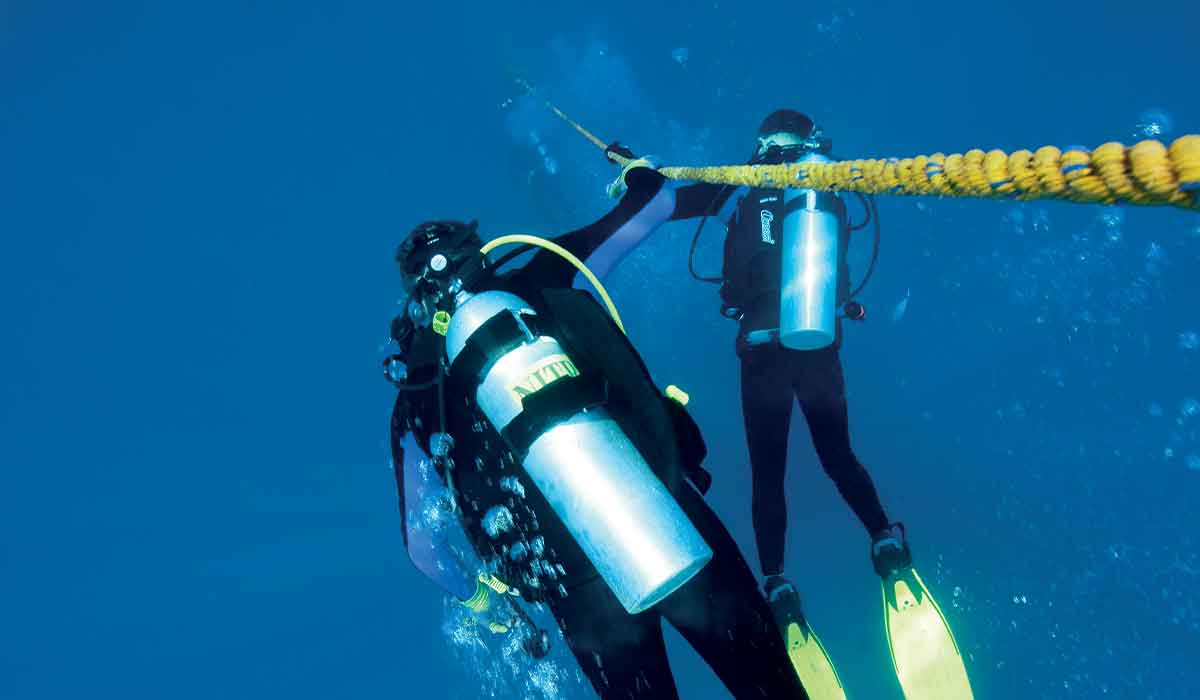
A scheduled dive went horribly awry when the dive lost his weight belt midway through descent. Unable to find his belt, he ascending but had trouble controlling buoyancy. The uncontrolled ascent led to serious symptoms on the boat. Read more about the incident.
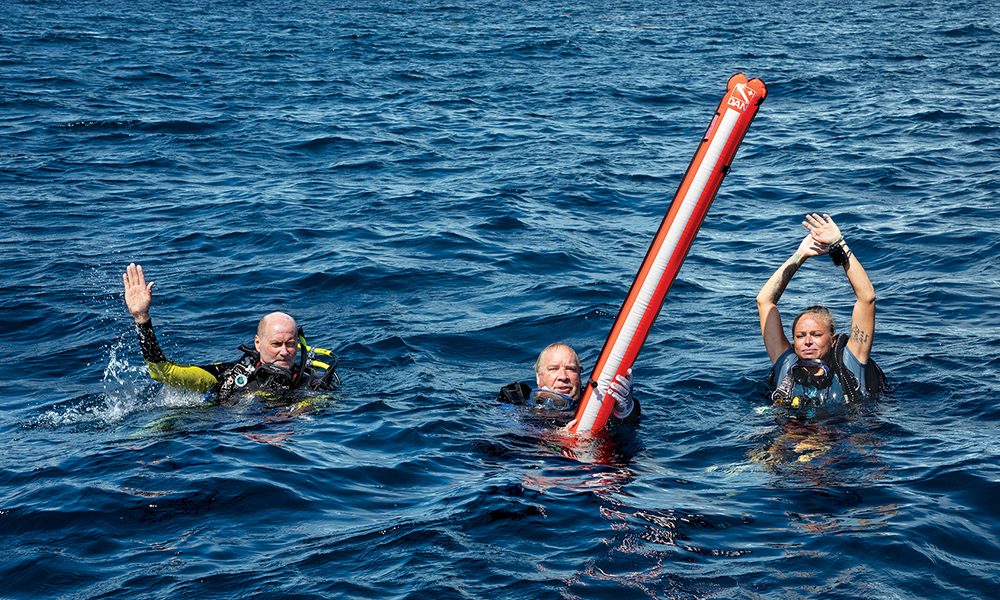
AS DIVERS, WE MUST take extra steps in our predive checks to ensure that our buddy has their safety and signaling equipment so we can be prepared in case of an emergency.
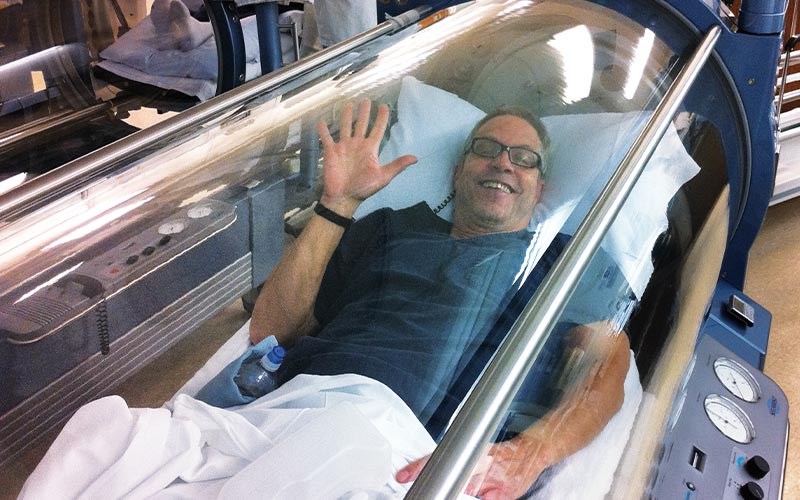
Days after completing some technical dives, a diver experienced hearing loss that would not stop. An unexpected diagnosis of inner-ear decompression sickness resulted in time in a hyperbaric chamber. Read more about the incident.
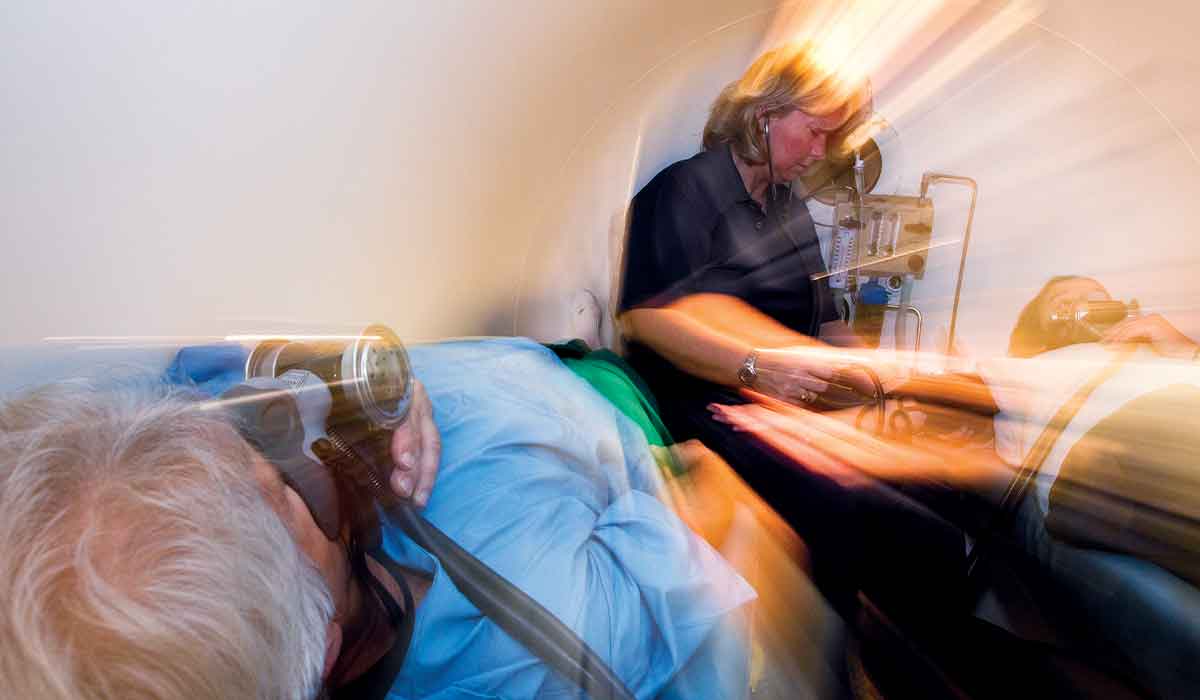
Triage prioritizes the most ill or injured and who would benefit most from the most prompt treatment — without sacrificing the safety of others. Read more of a dive incident that required triage practices.
AS A WILDLIFE OFFICER, I spend countless hours on the water. As an instructor for the National Association of Underwater Instructors (NAUI), I have also spent a lot of time […]
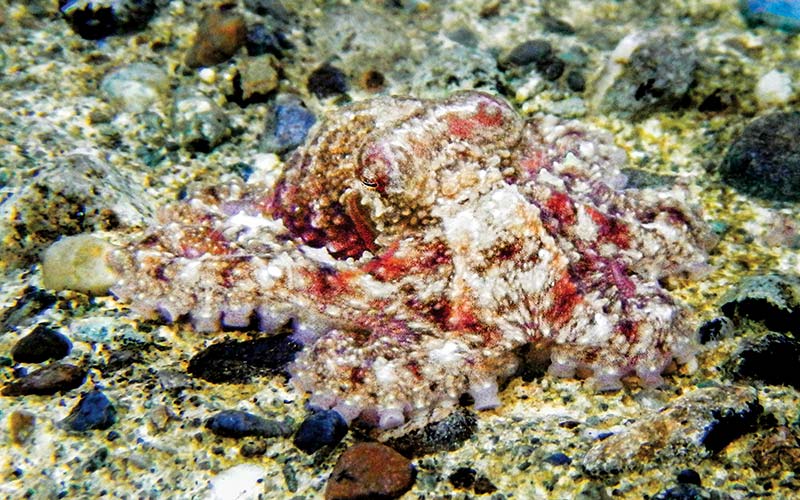
A tiny Pacific octopus surprised a diver and gave a defensive bite. The wound became infected and required treatment. Read more about the octopus incident.
It’s important to put breathing gas considerations into your dive plan. Read an incident of three divers who exercised poor gas management.
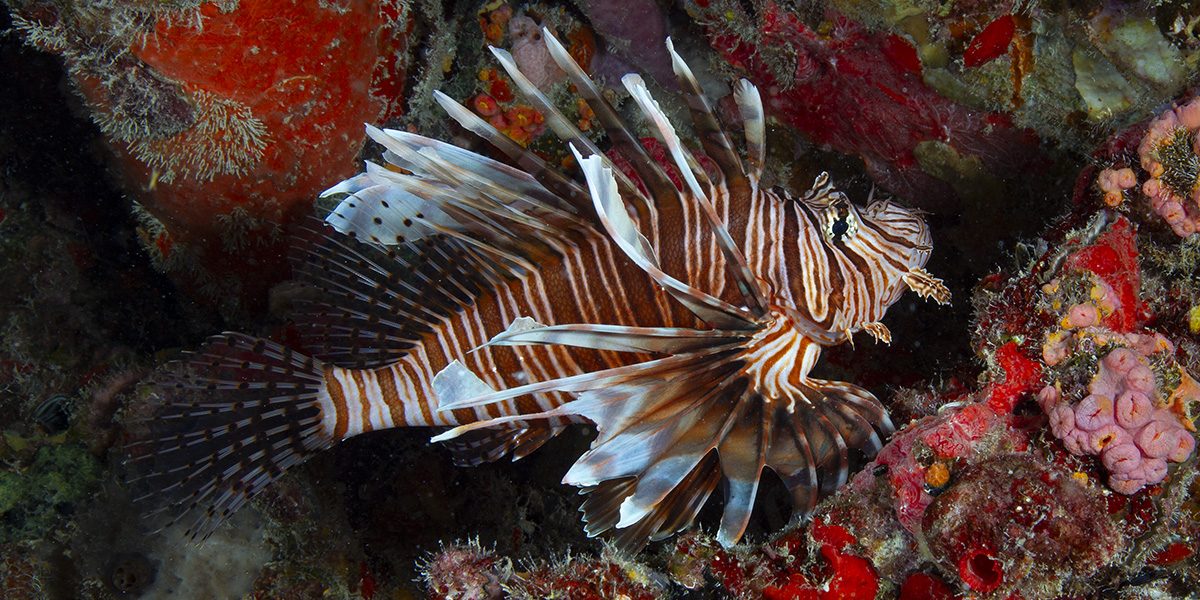
BEING STUNG BY A LIONFISH is like being bitten by a poisonous snake. I found that out the hard way.
A diver experienced nausea, vomiting and other severe symptoms hours after a dive. Read more about the incident and how it was handled.
A hike through the Andes had two college students ascend about 4,000 feet in just 48 hours. One student felt symptomatic and they descended to seek medical care. However, they faced complications. Read more about the incident.