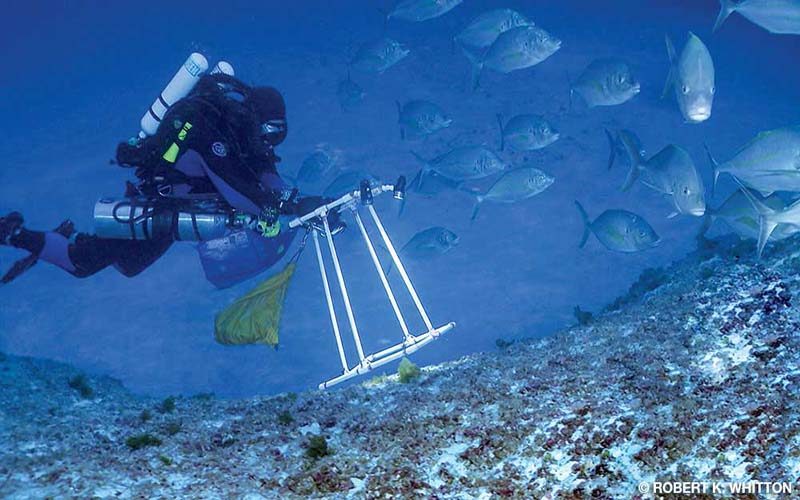
Papahānaumokuākea Marine National Monument (PMNM) in the Northwestern Hawaiian Islands is the largest marine conservation area in the United States and one of the largest in the world. Studying the biodiversity of the Hawaiian archipelago using scuba has given scientists a unique opportunity to monitor the physiological impacts of deep dives and thus expand our knowledge of diving science, particularly decompression risk.
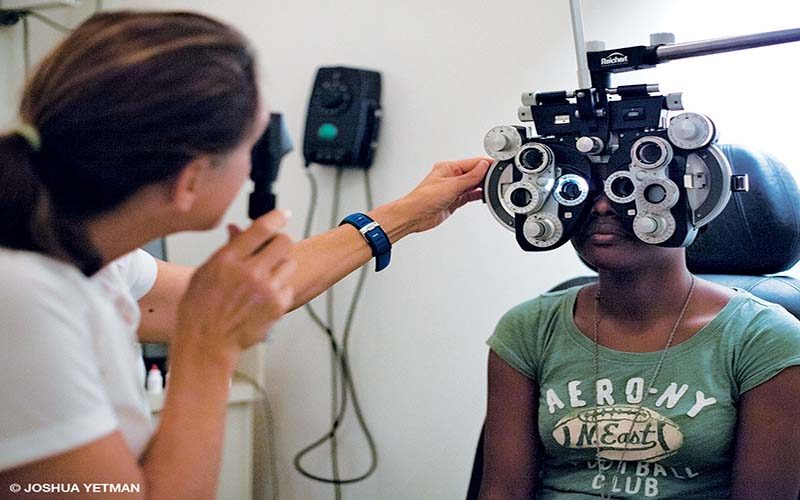
An ophthalmologist set up a team to perform eye surgeries in Grenada as a way to give back to the local community. More than 100 children received eye exams.
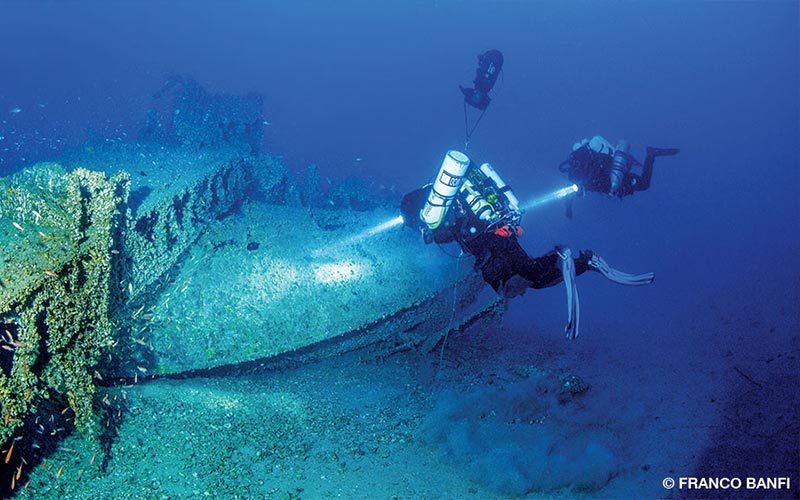
During a short, 25-minute dive professional divers were able to extensively photograph an aircraft that sank in 1944.
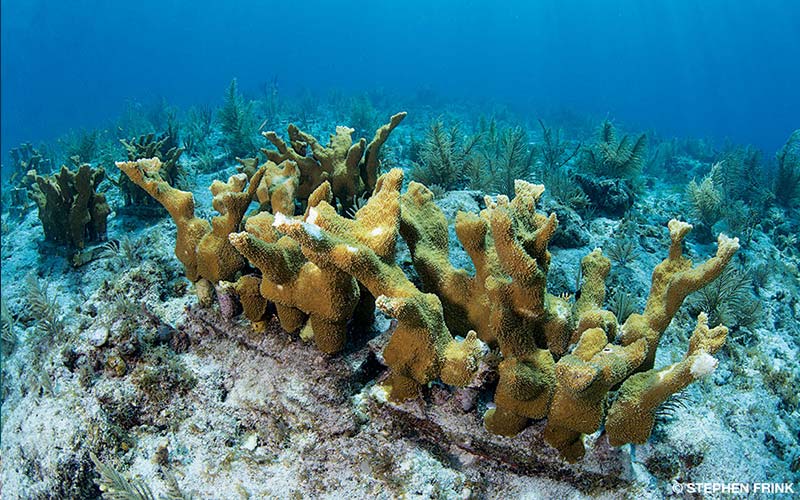
Coral restoration projects are currently underway in the Florida Keys to help rebuild these reefs from the ground up. Coral nurseries off the coast of Florida, grow and later transfer corals.
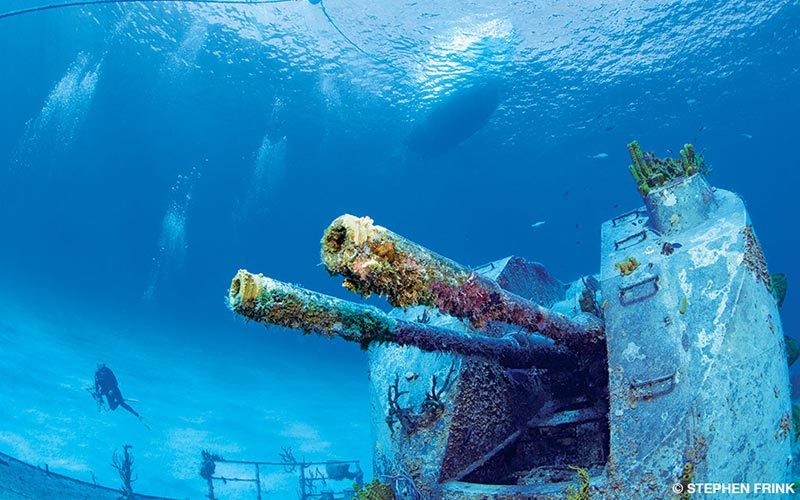
Cayman’s Sister Islands, Cayman Brac and Little Cayman, offer divers a lot of explore — amazing marine life, geography sculpted by volcanic activity, mangrove-shrouded lagoons and much more.
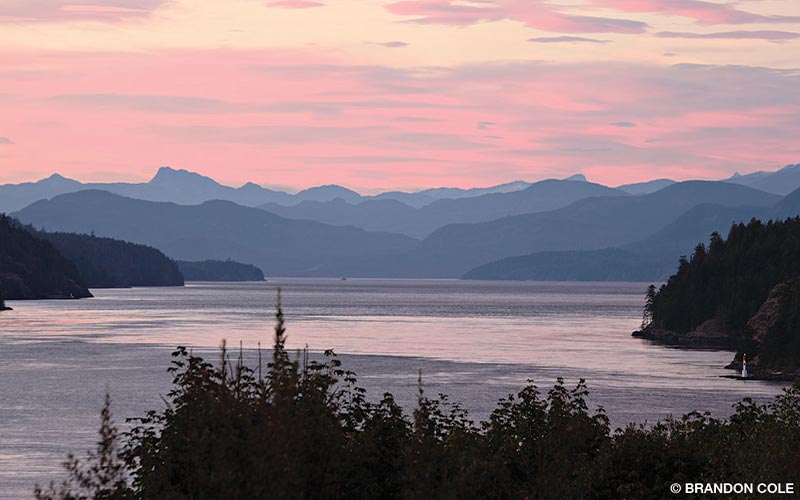
British Columbia is surrounded by scuba hotspots. There are difficult currents to traverse, magnificent sea creatures, shipwrecks and much, much more.,
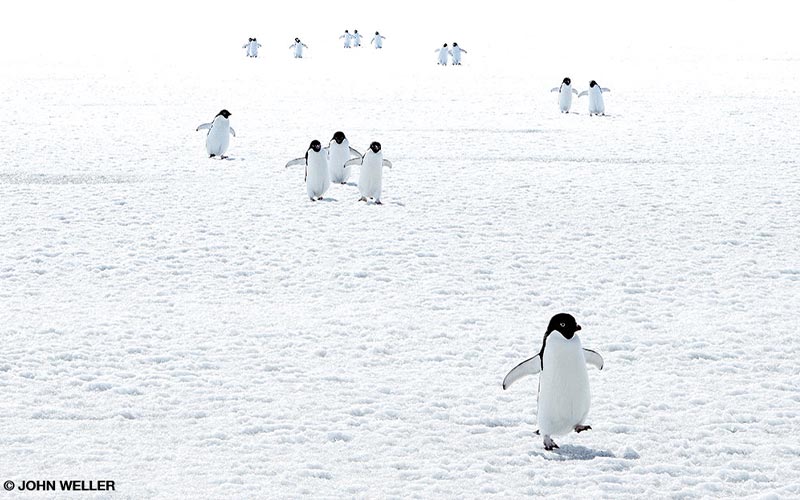
Photographer John Weller who was the primary visual architect of Ross Sea conservation. Weller documented sea life around this Arctic location.
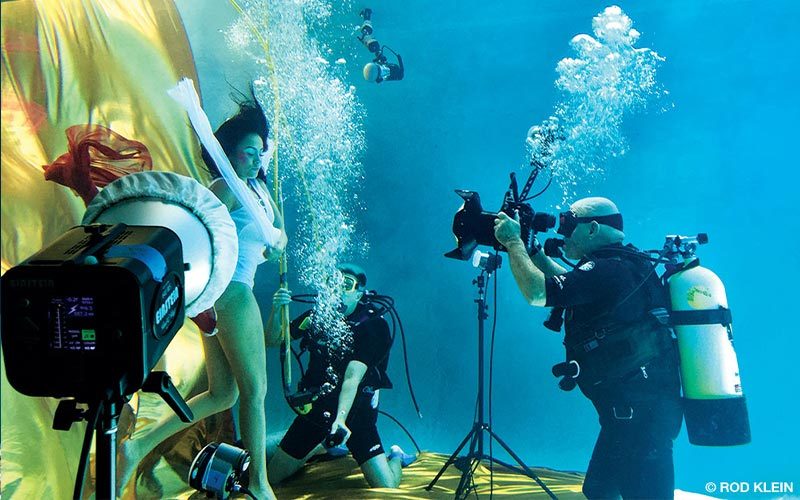
Underwater pool photography has become increasingly popular. With a dive approach in mind, read how one photographer tackles pool photography and still creates artistic photos.
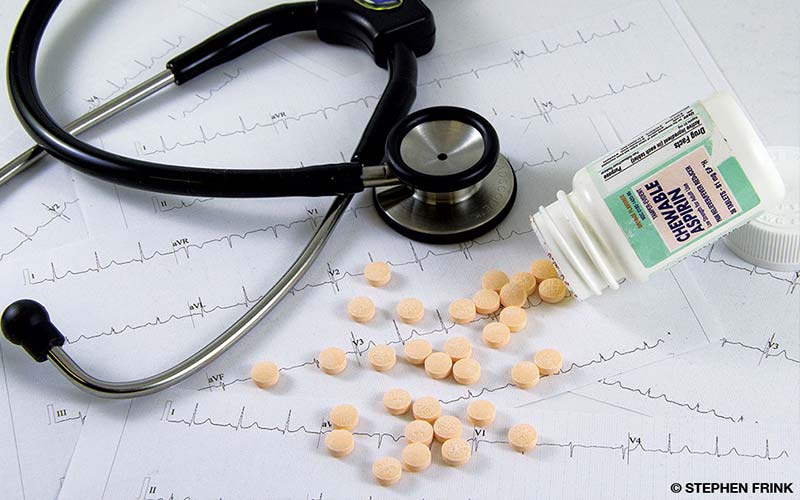
If you take aspirin everyday, what will be the impact on a diver’s risk of decompression sickness? Two DAN doctors answered a common question and provided their best advice.
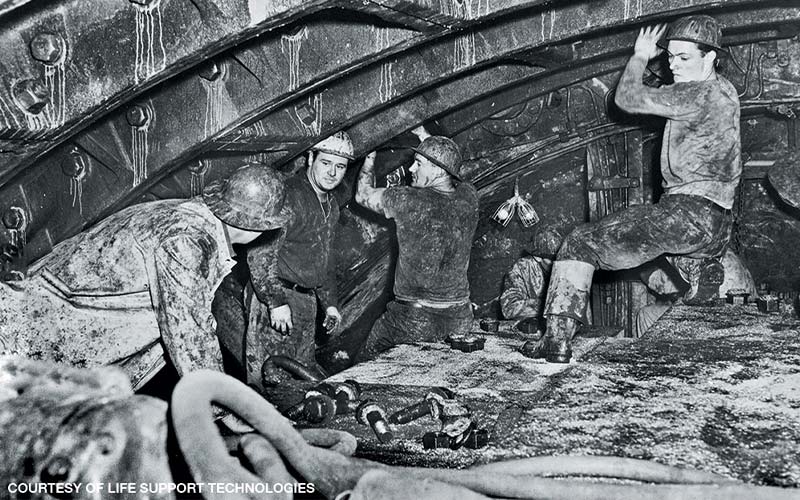
Do you know how underground tunnels are made? The working spaces, or caissons, are pressurized with compress air. But in the 19th century, many laborers had an unexplained illness after returning to atmospheric pressure.