Member to Member: A Reef in the Living Room
Aquariums can house your own slice of indoor reef life — complete with colorful fish, corals and spunky crabs. Follow these tips to create your perfect aquarium.
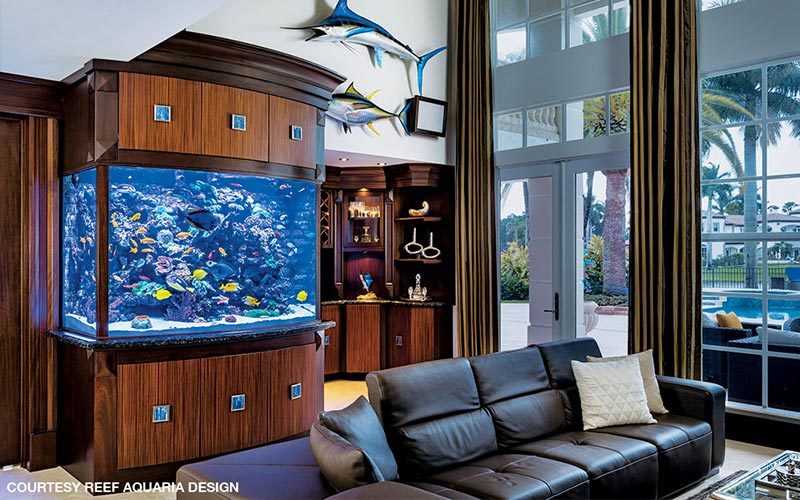
Aquariums can house your own slice of indoor reef life — complete with colorful fish, corals and spunky crabs. Follow these tips to create your perfect aquarium.
Contrary to what you might expect, air will escape from a low-pressure hose faster than from a high-pressure hose because of the low-pressure hose’s wider opening.

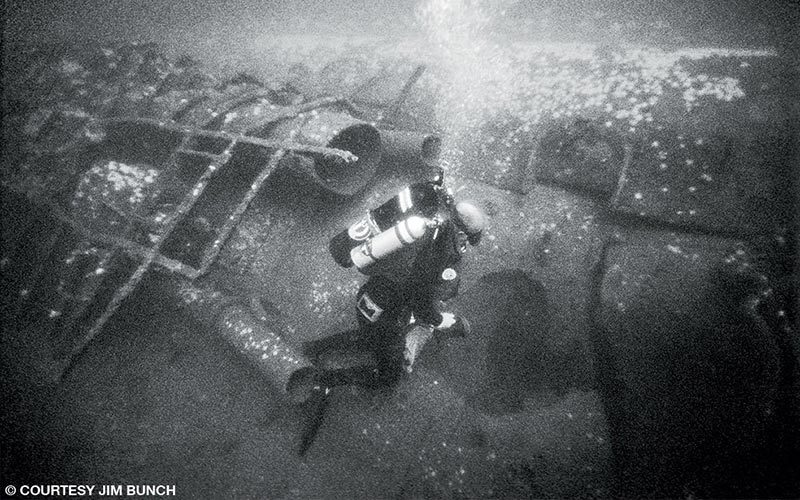
DAN member, diver and author Jim W. Bunch talks about discovering and exploring underwaters wrecks on the shores of North Carolina.
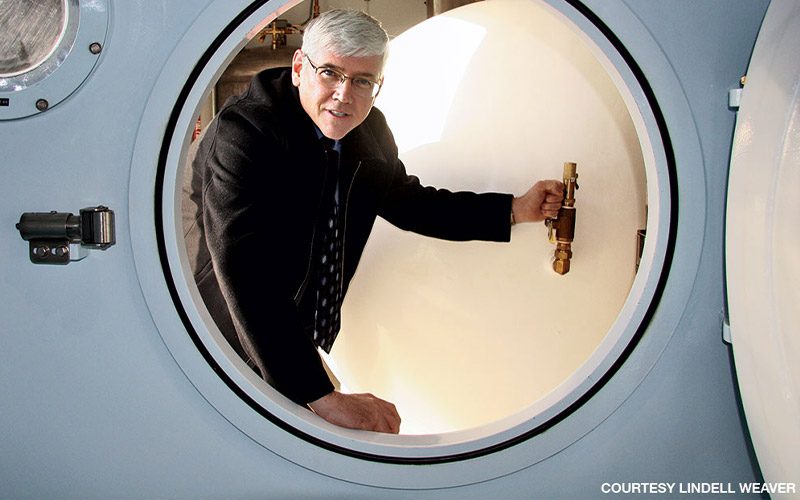
Lindell Weaver, M.D., has spent his career treating critically ill patients and conducting research on carbon-monoxide (CO) poisoning and brain injuries.
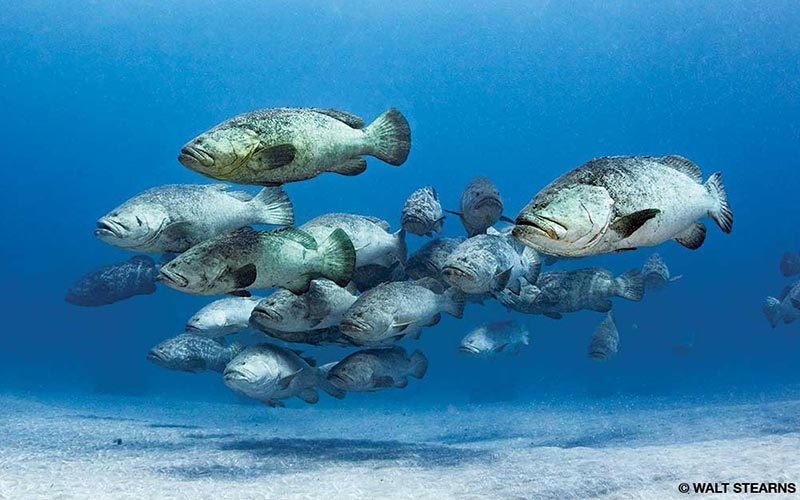
Grouper populations are on the rebound thanks to protection efforts. But a major threat to these fish remains: mercury.
Parents often express reservations or concerns about going on dive vacations with their kids. But it’s a joint reasonability from both parents and dive operators.
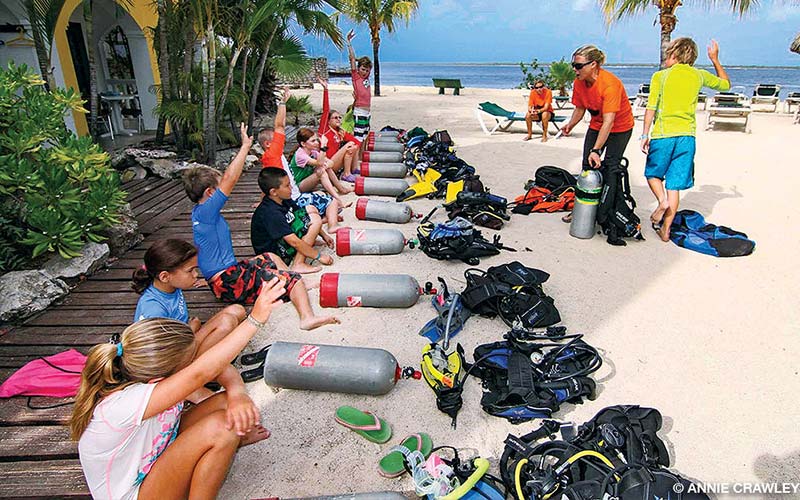
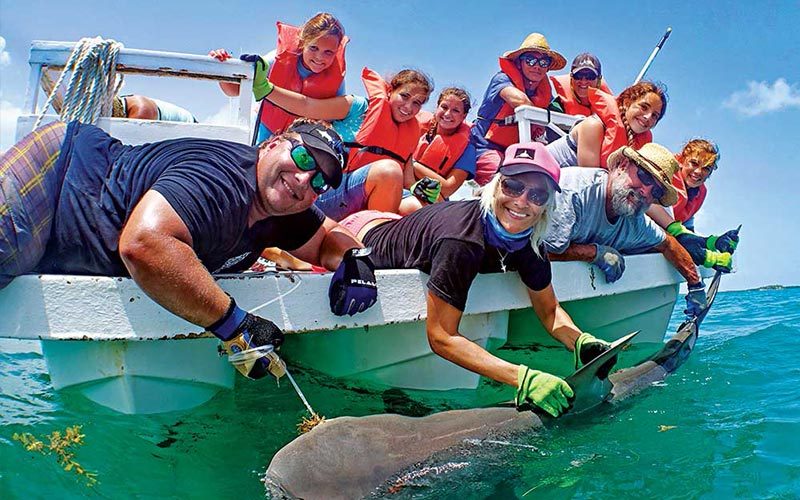
School is in session! Shark experts pooled together in the nonprofit organization Sharks4Kids, teaching families around the world about sharks — setting the record straight.
No one likes getting sick on vacation, but one individual had a hard experience trying to file a claim with their primary insurance provider. One call to DAN, and it was smoothed over.

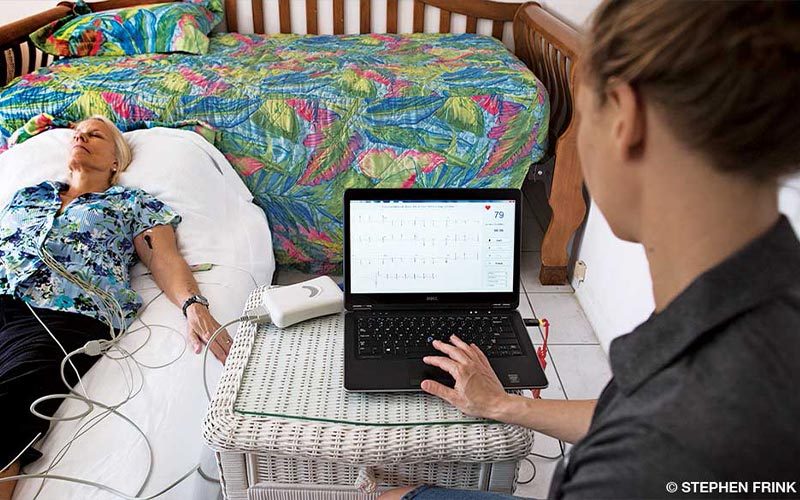
In 2016, DAN conducted research into the effects of diving on heart rhythm. Learn more about the research, methods and some early results.
Dive gear is heavy, but with weight training, you can gain strength and continue to dive. Learn exercises that will boost your overall fitness to dive.