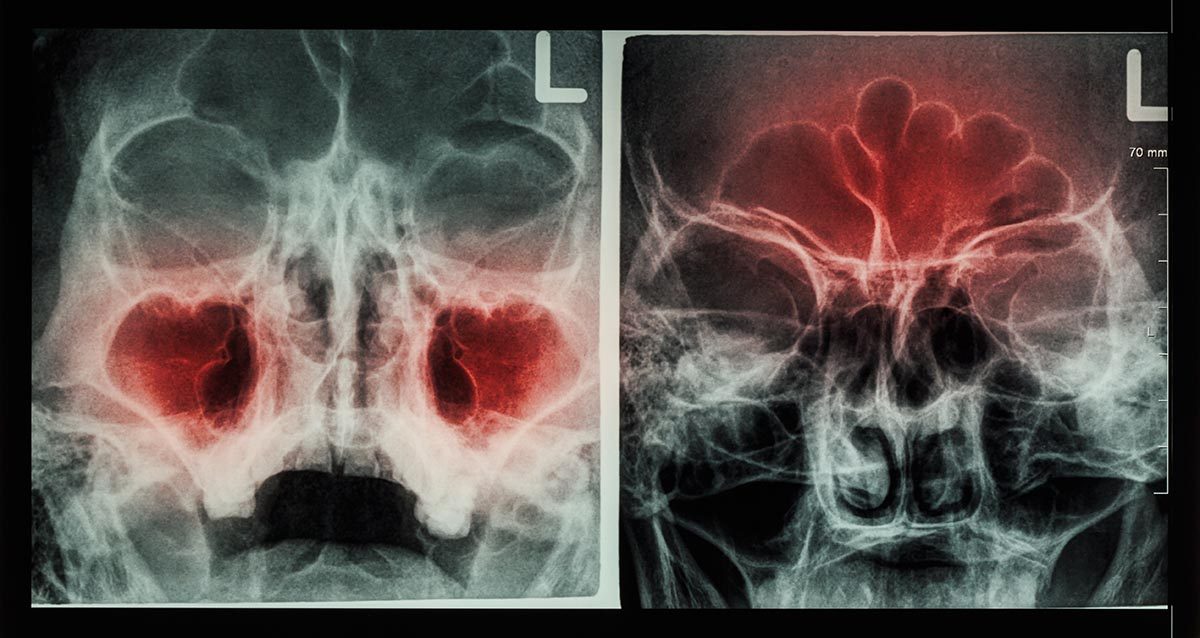
Sinus Barotrauma

Sinus barotraumas are among the most common diving injuries. When the paranasal sinuses fail to equalize to barometric changes during vertical travel, damage to the sinus can cause sharp facial pain with postnasal drip or a nosebleed after surfacing. Although sinus barotrauma is a prevalent and generally benign diving injury, some of its complications could pose a significant risk to the diver’s health. Divers should never underestimate difficulties equalizing sinuses.

Anatomy and Functions of the Paranasal Sinuses

The paranasal sinuses are gas-filled cavities in your facial bones and skull. They have several functions: They lighten the weight of your head, play a significant role in the resonance of your voice, serve as collapsible structures that protect vital organs during facial trauma, and may help the turbinates (small structures inside the nose) humidify and heat the air we breathe. There are two sets of four sinus cavities, one set on the right and one on the left.

  • The frontal sinuses (area one) are located within the forehead above your nose and eyes and are surrounded by thick, bony walls.
  • The ethmoid cells (area two) are located within the ethmoid bone between your eyes and nose and are formed by a variable number of connected individual cells.
  • The sphenoidal sinuses (area three) are centrally located behind the nasal cavity and vary in size and shape.
  • The maxillary sinuses (area four) are located within the maxillary bone below your eyes and lateral to your nose and are the largest pair of paranasal sinuses.
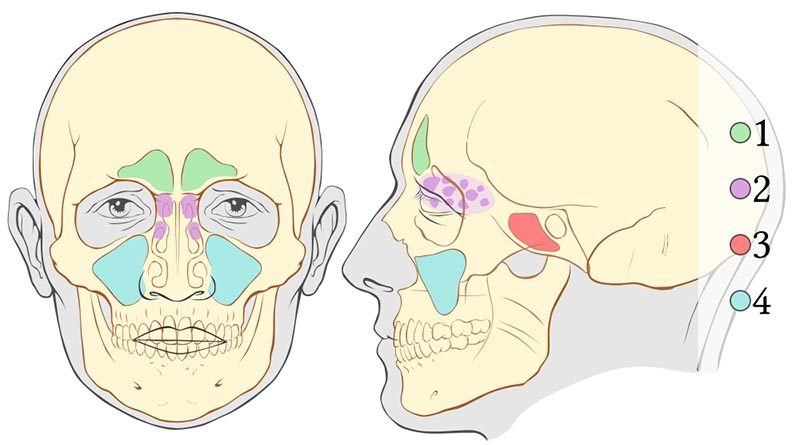
Paranasal sinuses. (Illustration by Michał Komorniczak)

The paranasal sinuses communicate with the nasal cavity via small orifices called ostia (singular: ostium). The ostia can easily be blocked by inflammatory processes, like colds or allergies, and in divers by improper attempts at equalization. Ostia blockage can impair drainage and make both descents and ascents troublesome.

Mechanisms of Injury

Every foot of descent in water adds approximately one-half pound of pressure on each square inch of tissue. The pressure diminishes by the same amount on ascent. According to Boyle’s Law, as the ambient pressure increases while descending, the volume of the gas in an enclosed space decreases proportionately. As the ambient pressure decreases while ascending, the volume of the gas increases proportionately.

While descending, it is imperative that divers actively or passively equalize all enclosed air-filled spaces to avoid injury. While ascending, the increasing volume usually vents itself passively. 

The mechanisms of injury of sinus barotraumas depend on whether it happened during descent or ascent.

During Descent (Squeeze)

Failure to equalize pressures on paranasal sinuses while descending keeps these cavities at atmospheric pressure, which results in a relative negative pressure (vacuum) as you descend to depth. The first sign of this type of sinus barotrauma is generally a sharp pain. The capillary vessels of the mucous membranes lining the sinuses engorge and burst, likely filling the sinuses with blood until the negative pressure is equalized. At this point the pain usually resolves or diminishes, and the diver continues the dive. While ascending, any remaining gas within the sinus expands and forces out this blood and mucus. These barotraumas usually manifest as postnasal drip or bloody discharge from the nose, depending on the sinuses involved. The bleeding can increase if you are taking blood thinners that include aspirin or other nonsteroidal anti-inflammatory drugs (NSAIDs).

During Ascent (Reverse Block)

Sinus barotrauma can also happen during ascent, known as a reverse block. Equalization of ears and sinuses during ascent is usually a passive event, which means active attempts should not be necessary. However, mild swelling and inflammation of the mucous membranes (as caused by a cold or by seasonal allergies) can compromise the narrow passages through which air escapes, trapping gas, mucus and blood. If a sinus fails to vent during ascent, the increasing pressure can apply significant tension to the mucosal lining and bony walls of the sinus. As the diver continues to ascend, one of the sinus walls can burst into an adjacent sinus that did vent correctly (the point of least resistance), effectively relieving the excess pressure. This type of sinus barotrauma manifests as a sharp facial pain during ascent, followed by a nosebleed or postnasal drip depending upon the sinus cavities involved.

Manifestations

The most common manifestations of sinus barotrauma are sharp facial pain during descent or ascent and blood dripping from the nose after surfacing. It is not uncommon for sinus barotrauma to be painless and manifest only as bloody mucus in the mask or the back of the throat.

Signs and Symptoms

Pain

  • Pain is usually facial in the region corresponding to the compromised sinus. In most cases the pain has a direct relation with changes in pressure on descent or ascent. In some cases the pain is delayed for a few hours; for example, when a sinus remains slightly over-pressurized following a dive.
  • Sharp pain in your forehead above and between the eyebrows is often a sign of barotrauma to your frontal sinuses. It is often described as an “ice-cream headache.” This type of sinus barotrauma usually has a direct relationship with changes in depth.
  • Pain behind your eyes is usually the result of a compromise to the ethmoidal sinus. You may also experience sharp pain, associated with changes in depth, behind and above the eyes.
  • Sharp pain beside your nose and below your eyes (upper maxillary region) is often a sign of maxillary sinus barotrauma. With changes in depth the pain might radiate to the upper molars or gums on the same side as the facial pain. The maxillary sinus and the upper jaw are supplied by the same nerve (trigeminal nerve).
  • Pain in the back (occipital region) or top of the head is the most intriguing, as its connection with the deeper sphenoidal cells is not obvious. When compared to the other sinuses, pain in the occipital region is often duller, like a normal headache. The association with changes in depth should be a clue that leads to a sinus origin.

Bleeding

  • You may notice some blood mixed with mucus and saliva in your mask after surfacing. You might not have been aware of it while diving. Minor bleeding that drips from the nose (technically not a nosebleed) or from the nose to the throat is typical of sinus barotrauma.
  • Minor bleeding is seldom a severe problem, but if you take an anticoagulant medication, be cautious when diving in a remote location. Uncontrolled bleeding without timely access to a medical facility prepared for such emergencies could be a severe health threat.

Coughing or Spitting Up Blood

While a nosebleed is not usually a manifestation of a life-threatening condition, postnasal drip usually results in blood in the diver’s mouth. This might be disconcerting to divers as it could be interpreted as the diver coughing up or spitting up blood. While there may be clues to determine whether this bloody discharge is of pulmonary origin or the result of sinus barotrauma, it is beyond the scope of what someone without medical training should attempt to evaluate. When in doubt, seek medical evaluation immediately.

Prevention

  • Do not dive when congested.
  • Refrain from diving when feeling fullness, pressure or pain in your paranasal sinuses.
  • Learn and use proper equalization techniques.

Medications

Talk to your doctor if you feel you need medication to dive. An ENT doctor is ideal for both ear and sinus problems, but your primary care physician can help with common problems. Using nasal sprays containing antihistamines and decongestants before diving may reduce swelling in the nasal and ear passages. Some are prescription only, while some are over the counter (OTC). With either option, your doctor may have special instructions on how to use them while diving.

Antihistamines prevent the effects of histamine, a substance produced and released by your body during the inflammations that cause nasal congestion, swelling of the mucous lining, and sneezing. While some of these drugs may cause drowsiness, second-generation antihistamines like cetirizine, loratadine and fexofenadine do not.

Decongestants relieve symptoms caused by the already-released histamine, clearing nasal and sinus congestion. Decongestants are not suitable for use by everyone. Some cardiovascular and central nervous system side effects could be concerns while diving.

Most nasal sprays work best if used one to two hours before the descent. They last from eight to 12 hours, so there is no need to take a second dose before a repetitive dive. Take short-acting nasal sprays like oxymetazoline 30 minutes before the descent; these usually last for 12 hours. Repeated use of short-acting OTC sprays can result in a rebound reaction that may set the stage for a reverse block. Steroid nasal sprays do not have this rebound effect but are slow-acting drugs, so you need to start them about a week in advance and use them regularly.

Whether you have a prescription or not, always check with your doctor before attempting to treat any condition.

Risk Factors

If you have a history of sinus trouble, allergies, a broken nose or deviated septum, or you currently have a cold, you may find the clearing procedure challenging to accomplish and may experience a problem with nosebleeds. It’s always best not to dive with a cold or any condition that may block the sinus air passages. If you experience difficulties during descent, this is the time to abort the dive. Remember that you can only abort a descent, never an ascent.

A good way to assess whether your paranasal sinuses are clear is by paying attention to your voice. You will sound like you have a stuffy nose due to a lack of appropriate nasal airflow while speaking.

Being able to breathe through your nose only proves your nasal passages are clear. It does not indicate anything about your paranasal sinuses.

Complications

With this type of injury, blood can run down the back of the throat or pool in the sinuses below the eyes and emerge later (even days after diving) as a thick, black, bloody discharge. The collected blood can also act as a growth medium for bacteria and result in sinus infections. 

Pneumocephalus (air between the skull and the brain) and orbital emphysema (air behind and around the eyeball) are rare but important complications of sinus barotraumas. If not adequately treated, they may cause serious neurological and life-threatening complications. Never underestimate sinus barotrauma. 

First Aid

  • Use a nasal decongestant spray or drops. This might reduce the swelling of the mucous membranes, which may help to open the ostia and drain fluid from the sinuses.
  • Seek professional medical evaluation. Any doctor should be able to help, regardless of any dive medicine knowledge or training.

Implications in Diving

For the Diver

  • You can consider a return to diving if a physician determines that the injury has healed, and the risk of further injury is no greater than normal.
  • Do not neglect these injuries. Some of the complications could negatively affect you for the rest of your life.

For the Dive Operator

  • Provide first aid treatment, as described above. As the expedition’s leader, you have a duty of care for a diver injured during your trip.
  • Be skeptical of any folkloric first aid treatments. Use common sense, and don’t attempt any magic solutions. Remember that you might be liable.
  • Have them evaluated by a medical professional in a timely fashion.
  • Don’t worry about referring them to a doctor with dive medicine experience. An ENT specialist is ideal, but any doctor should be able to help.
  • Do not allow any further diving once the injury has occurred until they are cleared by a physician.

For the Physician

  • Provide symptomatic treatment (anti-inflammatory drugs, decongestants, mucolytic agents).
  • Prophylactic antibiotic therapy is controversial. Although a middle-ear infection is a plausible secondary complication, this is not always the case in the acute phase.
  • Assess concomitant middle-ear barotrauma.
    • If present, consider referring the patient to an ENT specialist.
    • Use the O’Neill grading system or detail what you observe.
  • Assess the cranial nerve function.

Fitness to Dive

Do not dive until swelling and inflammation have resolved, and you can adequately equalize, preferably under otoscopic evaluation. Assess why the problem occurred (lack of training, allergy, etc.) and address each factor. The inability to equalize properly is disqualifying.

If you are unable to clear your sinuses or you have frequent nosebleeds when diving, you should see your primary care physician or an ear, nose and throat (ENT) specialist (otolaryngologist) for evaluation.

Juggling Physical Exercise and Diving

If you want to dive, you need to be ready. Readiness entails medical, psychological and physical fitness, appropriate knowledge and adequate physical skills. If you exercise regularly at an intensity that keeps your heart rate above 70 percent of maximum or so for more than 90 minutes per week, it is a good bet that you are physically fit enough to dive recreationally under a variety of conditions. Just diving, however, will likely not be enough to constitute regular exercise. In addition, exercise conducted during or close to diving has implications for safety. By following the right recommendations and protocols, you can ensure strength and safety for diving all year long.

Physical Fitness for Diving

Divers need to have sufficient strength and aerobic capacity reserves to meet both the normal and reasonable exceptional demands of diving in their chosen environment.7 Physical fitness is maintained when the intensity and frequency of exercise are sufficient to protect the body’s capacity — the array of biochemical and physiological capacities that determine a fitness limit. Physical fitness is improved when the exercise load exceeds the body’s current capacity and a training effect is established. Most training programs rely on progressive overload — the incremental increase in training intensity to continue the drive to adapt at a pace that can be tolerated. Exceeding the threshold for maintenance or improvement of fitness, as desired, makes for an effective workout.

While a diver’s physical strength can be tested by carrying tanks and related gear, the duration of the effort is typically too short to constitute an effective workout. The aerobic demands of most well-planned dives are even less likely to reach the intensity to protect even a moderate aerobic capacity. Ultimately, the diver has to do something outside of normal diving to maintain or improve their fitness level.

There are additional fitness issues directly relevant to diving physiology. While the data are incomplete, physical fitness has been associated with fewer post-decompression bubbles in humans.2,8 While bubbles are not equated with decompression sickness, it is accepted that lower bubble counts indicate a reduced degree of decompression stress. Experiencing less decompression stress on any dive is definitely a good thing. Animal models have also demonstrated a lower incidence and reduced severity of decompression sickness (DCS) for trained versus untrained subjects.1,10 Ultimately, it may be clear that sound physical fitness is desirable for decompression safety as well as for physical competence, which is the ability to meet the physical demands of a situation.

Timing Exercise and Diving

Just as important as a regular exercise regimen is the timing of such as it relates to diving. Scheduling outside physical fitness activities can be problematic when someone dives frequently. While part of this is simply a time management problem, there are other considerations. Conducting intense physical exercise too close to diving activity can be problematic for more fundamental reasons.

Bubble formation, while noted earlier as not equivalent to or a guarantee of DCS, can indicate an increased risk for it. Intense physical activity — generally with substantial muscular forces and joint loading, or the application of forces on joints — is believed to transiently increase micronuclei activity, the presumed agent of bubble formation. Intense physical activity too close to diving may therefore be problematic. Physical activity after diving may also stimulate additional bubble formation, possibly through a combination of increased microicronuclei activity and increased joint forces.

Interestingly, some preliminary work has shown that an intense bout of exercise conducted 24 hours prior to diving may reduce bubble presence in humans,3 possibly by inhibiting micronuclei activity. This potentially protective effect was not seen with exercise conducted closer to dive time. While this effect needs to be validated, the preliminary findings may support a simple rule of thumb for scheduling exercise. To reduce the risk, it is a good idea to avoid intense exercise 24 hours before and after diving.

The near-dive window will be best for low-intensity activities. Those who participate in cross-training activities may find it easiest to accommodate this schedule. For those who are more singleminded, diving may fit well into training rest days for those who put the priority on exercise, while training may fit best into diving rest days for those who put the priority on diving. Overall, lower training intensities will likely be more appropriate for the latter group, but accommodations can be reached.

Timing of Exercise During Diving

Physical activity during the dive also has a direct impact on decompression safety.4,5,6,9 Exercise during the compression and bottom phase increases inert gas uptake, effectively increasing the subsequent decompression obligation of any exposure. It is important to remember that dive tables and computers estimate inert gas uptake, they never know reality. However, light exercise during the decompression phase (including safety or decompression stops) increases inert gas elimination and reduces risk. The caveat regarding exercise during decompression is that more is not always better. Too much or too intense exercise during the decompression phase can stimulate bubble formation, thus inhibiting inert gas elimination and increasing decompression risk.

Final Recommendations

We do not yet have sufficient data to quantify the difference between beneficial and potentially harmful exercise. Understanding the various issues and applying common sense offer the best protection. Most important is that moderate time-depth profiles are your best defense. Exercise considerations provide only a secondary defense. In terms of the secondary defense, though, the compression and bottom phases are best associated with the lightest exercise possible. Ascent and stop phases are best associated with mild, low-intensity exercise. Exercise that is aggressive and/or stimulates substantial joint-loading is almost always undesirable at any point near or during a dive.

The post-dive period is a good time to take it easy. Both decompression safety and mental health can be helped by an extended period of relaxation between the end of the dive and the start of equipment shifting and/or racing on to the next activity.

Physical fitness — including both strength and aerobic capacity — is important for divers both for physical safety and decompression safety. Regular exercise training is best scheduled to separate intense exercise and diving. Intense physical training should be avoided 24 hours on either side of diving activity. Any exercise within 24 hours of diving should involve the lowest possible joint forces.

Neal Pollock, Ph.D.

References

1. Broome JR, McNamee GA, Dutka AJ. “Physical conditioning reduces the incidence of neurological DCI in pigs.” Undersea Hyperb Med. 1994; 21(suppl): 69.

2. Carturan D, Boussuges A, Burnet H, Fondarai J, Gardette B. “Circulating venous bubbles in recreational diving: relationships with age, weight, maximal oxygen uptake and body fat percentage.” Int J Sports Med. 1999; 20(6): 410-414.

3. Dujic Z, Duplancic D, Marinovic-Terzic I, Bakovic D, Ivancev V, Valic Z, Eterovic D, Petri NM, Wisloff U, Brubakk AO. “Aerobic exercise before diving reduces venous gas bubble formation in humans.” J Physiol. 2004; 555(3): 637-642.

4. Jankowski LW, Nishi RY, Eaton DJ, Griffin AP. “Exercise during decompression reduces the amount of venous gas emboli.” Undersea Hyperb Med. 1997; 24(2): 59-65.

5. Jankowski LW, Tikuisis P, Nishi RY. “Exercise effects during diving and decompression on postdive venous gas emboli.” Aviat Space Environ Med. 2004; 75(6): 489-495.

6. Jauchem JR. “Effects of exercise on the incidence of decompression sickness: a review of pertinent literature and current concepts.” Int Arch Occup Environ Health. 1988; 60(5): 313-319.

7. Pollock NW. “Aerobic fitness and underwater diving.” Diving Hyperb Med. 2007; 37(3): 118-124.

8. Powell MR. “Exercise and physical fitness decrease gas phase formation during hypobaric decompression.” Undersea Biomed Res. 1991; 18(suppl): 61.

9. Van der Aue OE, Kellar RJ, Brinton ES. “The effect of exercise during decompression from increased barometric pressures on the incidence of decompression sickness in man.” US Navy Experimental Diving Unit Research Report No. 8-49, 1949.

10. Wisloff U, Brubakk AO. “Aerobic endurance training reduces bubble formation and increases survival in rat exposed to hyperbaric pressure.”

Swimmer’s Ear (Otitis Externa)

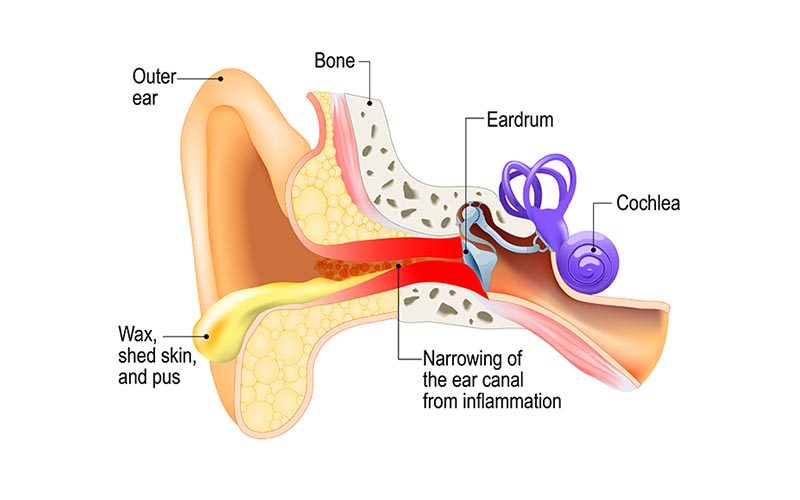
Swimmer’s ear (otitis externa) is a condition caused by inflammation or infection of the outer ear canal. In a diving environment, this is usually caused when prolonged exposure to wet conditions changes the natural acidity and flora in the ear canal, allowing opportunistic bacteria or fungi to grow and become pathogens. Warm and humid environments and excessive cleaning of the ear canal can predispose a person to otitis externa.

Epidemiology

  • Swimmer’s ear affects one in 200 Americans every year and is a chronic problem in 3 to 5 percent of the population.
  • Swimmers, surfers and other people who are exposed to wet and warm conditions are at increased risk.

Symptoms

The main symptoms are ear pain, warmth and itching — often in the ear canal . Occasionally, the pinna (the cartilaginous external part of the ear) may show signs of inflammation with redness, swelling and pain. If left untreated, swelling can increase to include nearby lymph nodes and produce enough pain that movement of the jaw may become uncomfortable or painful.

  • Pain, warmth and itching in the ear canal
    • Pain when moving the jaw or when gently pulling on the earlobe or pushing on the pinna
  • Muffled hearing (transient, usually a sign of concomitant middle ear compromise)
  • Discharge from the ear canal is possible if initial symptoms are neglected for a few days

Management & First Aid

Swimmer’s ear is often self-diagnosed. Professional medical diagnosis is often clinical as well, not requiring more than an ear exam with an otoscope. With proper treatment, symptoms often resolve within a few days, rarely taking longer than a week.

  • Do not neglect the initial itching or mild pain, as it may progress overnight.
  • Seek a professional medical evaluation. Although diagnosing swimmer’s ear is straightforward, proper treatment requires a prescription of otic antibiotic drops.
  • Once you have symptoms, do not introduce any preventative drops or preparations.

Prevention

Keep your ears clean and dry. Although it might be tempting to keep your ears clean using cotton swabs or similar, the best way to avoid problems with your ears is to not mess with them. Wash your ears with regular soap when you take a shower and don’t insert anything in them. Under normal circumstances, this is all we need.

Your ears produce a waxy substance that is hydrophobic to prevent moisture retention and acidic enough to prevent bacterial growth. Excessive moisture — as is common with frequent diving — can cause an emulsification of the natural ear wax, which can change the environment in the ear canal to make it more susceptible to infections.

  • Dry your ears with a towel after swimming, showering or diving. Tilting your head and pulling your earlobe in different directions while your ear is facing down might help eliminate water.
  • A hair dryer could be used to carefully dry the ear after a shower. Be careful to ensure the air is not too hot, hold it at least a foot (about 30 centimeters) away from the ear.
  • Refrain from putting objects (such as cotton swabs or ear wax removal tools) in the ear canal. This can cause ear wax (cerumen) impaction and can damage the skin in the ear, potentially increasing the risk of infection.
  • Excessive debris or cerumen may trap water in the canal.
    • If you think you have an excess of buildup ear wax, consult your doctor and allow a medical professional to do a proper cleaning. Remember that cleaner is not necessarily better. Washing the ear canal excessively will change the acidity of the ear canal, and a less acidic environment is a common cause of opportunistic pathogen growth that could lead to an ear infection.
  • Talk to your doctor about whether you should use any alcohol-based ear drops after swimming or diving.

Prognosis & Returning to Dive

Prognosis is generally good if the condition is addressed promptly. Upon determination by your physician that the infection has resolved, you may return to diving.

WARNING: Continuing to dive with unresolved swimmer’s ear will perpetuate the condition that caused an infection in the first place, allowing pathogens to prolong and worsen the infection.

Inner-Ear Barotrauma (IEBT)

Inner-ear barotrauma is damage to the inner ear due to pressure differences, usually caused by incomplete or forceful equalization. A leak of inner-ear fluid (perilymph fistula) may or may not occur.

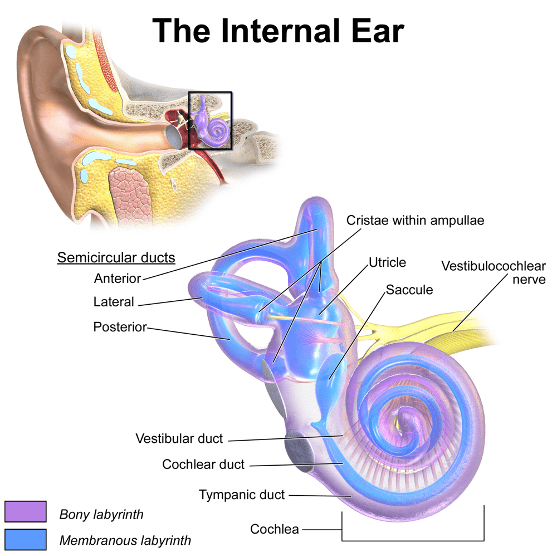
Blausen.com staff (2014). “Medical gallery of Blausen Medical 2014”. WikiJournal of Medicine 1.

Anatomy and Functions of the Ear

The human ear has three distinct sections:

  • External Ear
    This includes the ear itself and the ear canal to the eardrum.

  • Middle Ear
    This is an air-filled cavity between the eardrum and the inner ear. It has three components: the middle-ear cavity, the three ear bones (ossicles) and the mastoid process.

  • Inner Ear
    The inner ear is a sensory organ. It is part of the central nervous system, and it has two functions:

    • Auditory: The cochlea turns soundwaves into electrical impulses for the brain.
    • Balance, orientation and acceleration: The canals provide some of our control of balance and position and help detect acceleration.

Mechanisms of Injury

When you properly equalize the pressure in your middle ear, your risk of inner-ear barotrauma is very low. If you do not equalize the pressure in the middle ear during descent, so the water pressure on the eardrum transfers inward and may damage sensitive inner-ear structures. If the pressure is excessive, the oval window or, more commonly, the round window may tear, and the inner-ear fluid may leak into the middle ear. This is known as a perilymph fistula.

The Valsalva maneuver is a common equalization technique. This maneuver increases the intrathoracic pressure, which means the pressure is exerted on all intrathoracic organs. Pliable blood vessels such as the superior vena cava transmit this increased pressure into the head. The skull is a rigid structure with no capacity to expand, so the result is an increase in intracranial pressure. The cochlea is a fluid-filled organ surrounded by soft tissues as well as bone; its only weak point is the external wall in the vestibule, which is adjacent to the middle-ear space. The round and oval windows are two thin and delicate tissues that reverberate with sound. As the increased pressure transmits through the cochlear fluid, it causes an outward movement of the round window.

Pressure waves alone can cause damage to the inner ear without window rupture. If a rupture occurs, the loss of fluid from the inner ear leads to damage to the vestibular system, causing sudden hearing loss and often acute vertigo with loss of balance. If the leak is not stopped soon by spontaneous healing or surgical repair, permanent hearing loss may occur.

Manifestations

Symptom onset is usually sudden and often associated with ear equalization issues. Symptoms of middle-ear barotrauma are often present, but their absence does not rule out inner-ear barotrauma. Vertigo is usually severe and accompanied by nausea and vomiting. Hearing loss can be complete, instant and permanent. Hearing loss in divers usually manifests as loss of higher frequencies (acute, high-pitched sounds). The loss might become noticeable only after a few hours. Divers may not be aware of the loss until they have a hearing test.

Signs and Symptoms

  • Ear pain may or may not be present.
  • A severe onset of vertigo (spinning sensation) is usually present.
  • Loss of spatial orientation is possible.
  • Hearing loss, sometimes with tinnitus (ringing in the ears), may occur.
  • The eyes might show nystagmus (involuntary rapid and repetitive eye movement).
  • A feeling of fullness in the ears (often the least of the diver’s complaints) is possible.

Prevention

  • Do not dive when congested.
  • Refrain from diving when feeling popping or crackling in your ears, or if you have a feeling of fullness in your ears after diving.
  • Learn and use proper equalization techniques.

First Aid

  • If you have symptoms of inner-ear barotrauma, do not try to equalize your ears (even if you feel fullness in them, which is likely). This might make things worse.
  • Use a nasal decongestant spray or drops. This might reduce the swelling of the mucous membranes, which may help to open the Eustachian tubes and drain the fluid from the middle ear.
  • Do not put any drops in your ear canal. If the tympanic membrane is intact, the drops will do nothing. If the tympanic membrane is ruptured, drops might make things worse.
  • Lying down and closing your eyes may help with vertigo, which might be significant and will likely make you feel miserable. Try to remain calm. Vertigo is usually accompanied by nausea and vomiting.
  • First aid providers should administer oxygen.
  • Seek professional medical evaluation ASAP. Any doctor should be able to help, regardless of any dive medicine knowledge or training.
  • First aid providers should conduct a complete neurological exam and note any deficits. It is important to differentiate inner-ear barotrauma from inner-ear decompression sickness if possible.
  • An ear, nose and throat (ENT) specialist (otolaryngologist) might be the most qualified physician to help in this situation.

Implications in Diving

For the Diver

  • Follow the first aid recommendations above.
  • Avoid rapid head movements.
  • Avoid any exertion, middle-ear equalization, diving, altitude exposure, sneezing and nose-blowing.
  • Do not lift heavy weights; Valsalva-like maneuvers might exacerbate vertigo.
  • Lie down and rest. Keep movement and physical activity to a minimum.
    • Vertigo might be accompanied by nausea and vomiting. Lie on your side to avoid aspirating vomit.
  • It may take time to return to diving, and you should resume diving only after proper evaluation from a physician with experience in diving medicine, usually in consultation with an ENT specialist.
  • Do not neglect these injuries. Some possible complications may have a negative impact on normal living.

For the Dive Operator

  • Provide first aid treatment, as described above. As the expedition’s leader, you have a duty of care for a diver injured during your trip.
    • Be skeptical of folkloric first aid treatments. Use common sense, and don’t attempt magic solutions. Remember that you might be liable.
  • Have the diver sit down, and reassure them during the process.
  • Help them deal with vertigo, which can be a very uncomfortable feeling that will likely make the diver — and you — feel uneasy about the situation. Rapid movements of the head and Valsalva-like maneuvers (such as lifting heavy things) might exacerbate vertigo. People with vertigo usually have:
    • A spinning sensation: They feel they are spinning or that the environment is spinning around them.
    • Repetitive nystagmus: Involuntary eye movement that can occur from side to side, up and down, or in a circular motion.
    • Nausea and vomiting: Make sure the diver does not aspirate vomit.
  • Have the diver evaluated by a medical professional in a timely fashion.
  • Don’t worry about finding a doctor with dive medicine experience. An ENT specialist would be ideal, but any doctor should be able to help with the initial evaluation.

For the Physician

  • Assess for middle-ear barotrauma.
  • Differentiate between IEBT and IEDCS.
  • Assess vestibular function.
    • Vertigo, nystagmus and/or hearing loss might be suggestive of IEBT.
  • Assess the eighth cranial nerve.
  • Strongly discourage your patient from continuing to dive until evaluated by a specialist.
  • Consider conservative treatment, including bed rest in a sitting position and avoiding any straining that nay increase intracranial or middle-ear pressure.
  • Discourage physical exertion, including lifting heavy things.
    • Valsalva-like maneuvers might induce more vertigo if a perilymphatic fistula is present.

IEBT or Inner-Ear Decompression Sickness (IEDCS)?

It is important to distinguish between these two conditions because their treatments differ. The standard treatment for DCS of any kind is hyperbaric oxygen therapy in a recompression chamber. Recompression (or any pressure change) is contraindicated when inner-ear barotrauma is likely. Differential diagnosis between IEDCS and IEBT can sometimes be a challenge. While the symptoms are similar in both conditions, there are a few characteristics that might help during the assessment.

IEBT

  • Often preceded by failed equalization of middle-ear pressure
  • Usually very acute symptom onset (immediate to a few minutes)
  • Usually at the beginning of a dive (during descent) as a result of difficulty equalizing
  • Evidence of middle-ear barotrauma — check the tympanic membranes

IEDCS

  • Often more delayed symptom onset (many minutes to a few hours)
  • Usually the result of a failed decompression after a moderate to significant dive exposure
  • Can be associated with a patent foramen ovale (PFO)
  • Other forms of DCS, including cutaneous DCS, may be observed

Fitness to Dive

Do not dive until the injury is healed, and you can adequately equalize, preferably under otoscopic evaluation. Assess why the problem occurred (lack of training, allergy, etc.) and address each factor. If you are unable to equalize, then you may consider ENT consultation. The inability to equalize properly is disqualifying.

Note: Do not dive with earplugs, as this may cause external-ear barotrauma.

Fire Coral

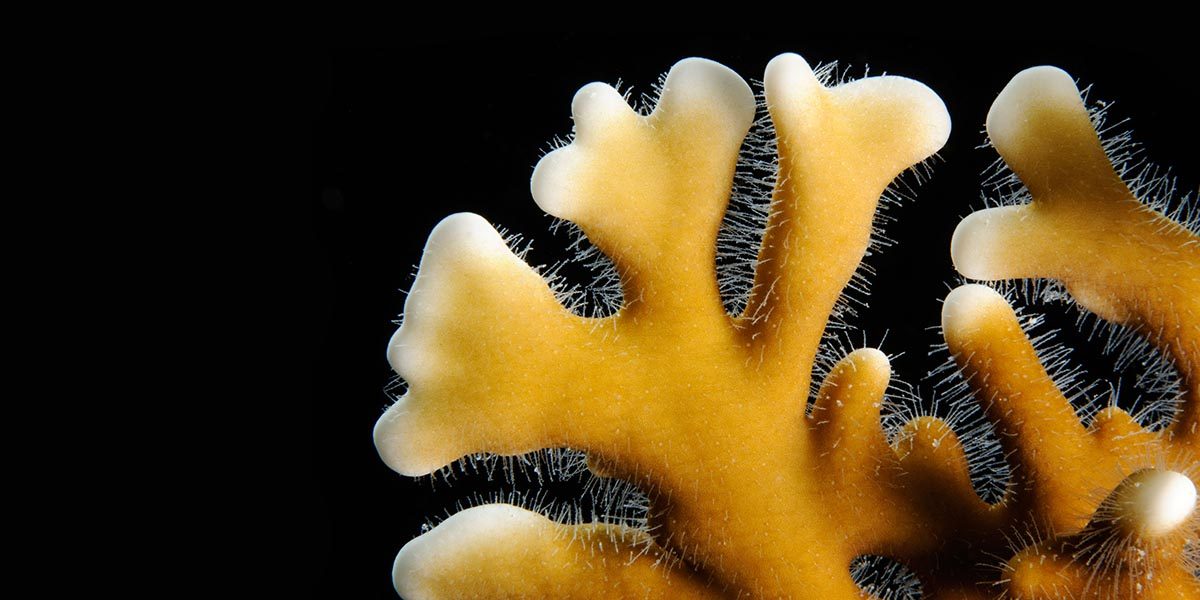
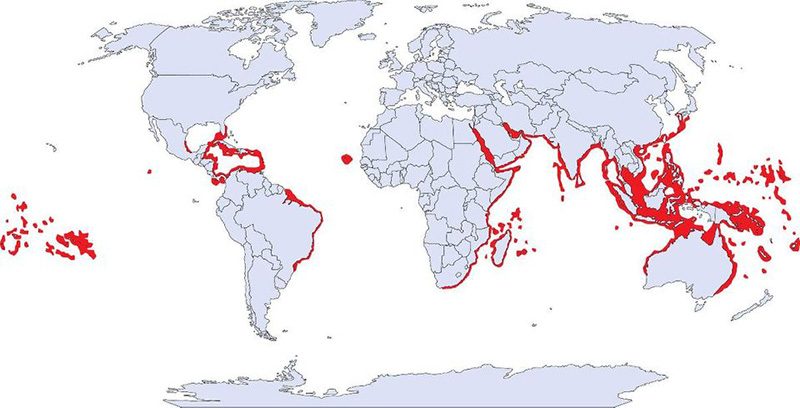
Fire corals are colonial marine cnidarians that can cause burning skin reactions. Fire-coral-related incidents are common among divers, especially those with poor buoyancy control. They belong to the genus Millepora and live in tropical and subtropical waters around the world.

Fire Coral Locations

Fire corals usually have a yellow-green or brownish, branching formation. Their external appearance will often vary depending on the substrate they grow on or environmental factors such as currents. They can colonize hard structures (dead corals and gorgonians, rocks, metal objects, plastic and other trash) and sometimes appear stony. Despite their characteristic calcareous structure, fire corals are not true corals. They are hydrozoans, which means these animals are more closely related to the Portuguese man-of-war and other stinging hydroids than to calcareous corals.

Mechanisms of Injury

Fire corals get their name because of the fiery sensation experienced after coming into contact with them. The mild to moderate burning that they cause is the result of cnidocytes embedded in their calcareous skeleton. These cnidocytes contain nematocysts that will release when touched, injecting their venom.

Signs and Symptoms

Contact causes a burning sensation that may last several hours. There is often a skin rash, which tends to appear minutes to hours after contact. Depending on the individual’s susceptibility and the localization of the injury, the skin rash may take several days to resolve. Often, the skin reaction will subside in a day or two, but it may reappear several days or weeks after the initial rash disappears. Fire-coral lacerations, in which an open wound receives internal envenomation, are the most problematic fire-coral injuries. Venom from Millepora spp. is known to cause tissue necrosis on the edges of a wound. Carefully monitor these injuries, as necrotic tissue provides a perfect environment to culture serious soft tissue infections.

Prevention

  • Avoid touching fire coral formations.
  • If you need to kneel on the bottom, look for clear, sandy areas.
  • Remember that fire corals may colonize hard surfaces such as rocks and old conchs, which may not look branchy.
  • Always wear full-body wetsuits to provide some protection against the effects of contact.
  • Master buoyancy control.
  • Always look down while descending.

First Aid

  • Rinse the affected area with white household vinegar. White household vinegar (or a mild acetic acid solution of 2 to 5 percent in water) tends to stabilize unfired nematocysts. Vinegar will not do anything to injected venom. It only prevents further envenomation from unfired nematocysts.
  • Redness and blisters will likely develop regardless of any timely first aid treatment. Do not puncture these blisters; just let them dry out naturally.
  • Keep the area clean, dry and aerated — time will likely do the rest.
  • For open wounds, seek medical evaluation. Fire coral venom is known to have dermonecrotic (tissue death) effects. Share this information with your physician before any attempts to suture an open wound, as the wound edges might become necrotic.
  • Antibiotics and a tetanus booster may be necessary.
  • These injuries tend to relapse after a week or two of what seemed to be a proper resolution. Relapse is normal.

Implications in Diving

For the Diver

  • Follow the first aid recommendations above.
  • Seek professional medical evaluation. Any doctor should be able to help, regardless of any dive medicine knowledge or training.

For the Dive Operator

  • Provide first aid treatment, as described above. As the expedition’s leader, you have a duty of care for a diver injured during your trip.
  • Be skeptical of folkloric first aid treatments. Use common sense, and don’t attempt magic solutions. Remember that you might be liable.
  • Get the diver evaluated by a medical professional.
  • Don’t worry about finding a doctor with dive medicine experience. Any doctor should be able to help with the initial evaluation.

For the Physician

  • Treatment is usually symptomatic (anti-inflammatory drugs, antihistamines, antibiotics for lacerations and open wounds).
  • For open wounds requiring stitches, remember this venom is dermonecrotic. Although it might be tempting to stitch together close, cleaned edges, these might become necrotic. Consider healing by secondary intention.
  • Antibiotics and a tetanus booster may be necessary.
  • Protect wounds from the sun, as scars might leave a hyper- or hypopigmented area.

Fitness to Dive

You can consider a return to diving if a physician determines that the injury is closed and there are no unacceptable risks of infection.

Cardiovascular Fitness and Diving

Scuba diving exposes you to many effects, including immersion, cold, hyperbaric gases, elevated breathing pressure, exercise and stress, as well as a post-dive risk of gas bubbles circulating in your blood. Your heart’s capacity to support an elevated blood output decreases with age and with disease. Having a healthy heart is of the utmost importance to your safety while scuba diving as well as to your ability to exercise generally and your life span.

Below are some common cardiovascular issues that could affect a diver, including their implications in diving and possible medical treatments.

Hypertension

Hypertension, or high blood pressure, is one of the most common medical conditions seen in the diving population — no surprise since it is a common medical condition in the general population. Strict criteria for hypertension can vary depending on the reference cited, but normal blood pressure is generally accepted to be a systolic pressure below 140 and a diastolic pressure below 90 mm Hg, depending on age (cited as systolic first and diastolic second — e.g. “120 over 80,” by your doctor). A thorough medical evaluation should be performed to find a treatable cause for hypertension; in most cases, however, none will be found.

Basically, two different sets of complications face a person with hypertension: short-term and long-term. Short-term complications are generally due to extremely high blood pressure; the most significant is the risk of a stroke due to rupture of blood vessels in the brain (called a cerebrovascular accident). Long-term detrimental effects are more common: they include coronary artery disease, kidney disease, congestive heart failure, eye problems and cerebrovascular disease.

Implications in Diving: 

As long as the individual’s blood pressure is under control, the main concerns should be the side effects of medication(s) and evidence of end-organ damage. Divers who have demonstrated adequate control of blood pressure with no significant decrease in performance in the water due to the side effects of drugs, should be able to dive safely.

A recent report in a diving medical journal citing several episodes of acute pulmonary edema (i.e., lungs congested with fluid) in individuals with uncontrolled hypertension while they were diving. Regular physical examinations and appropriate screening for the long-term consequences of hypertension such as coronary artery disease are necessary.

Medication Used in Treatment: 

Mild hypertension may be controlled with diet and exercise; however, medication is often necessary. Many classes of drugs are used to treat hypertension, with varying side effects. Some individuals must change medications after one drug appears to be or becomes ineffective. Others might require more than one drug taken at the same time to keep the blood pressure under control.

Classes of drugs known as beta-blockers often cause a decrease in maximum exercise tolerance and may also have some effect on the airways. This normally poses no problem for the average diver. ACE (angiotensin converting enzyme) inhibitors are the preferred class of drugs for treating hypertensive divers; a persistent cough is a possible side effect.

Calcium channel blockers are another choice, but lightheadedness when going from a sitting or supine position to standing may be a significant side effect.

Diuretics are also frequently used to treat hypertension. This requires careful attention to hydration and electrolyte status. Most anti-hypertensive medications are compatible with diving as long as the side effects experienced by the diver are minimal and their performance in the water is not significantly compromised. Any diver with long-standing high blood pressure should be monitored for secondary effects on the heart and kidneys.

Coronary Artery Disease

Coronary atherosclerosis is commonly described as “hardening of the arteries.” It’s the result of the deposition of cholesterol and other material along the walls of the arteries of the heart. The walls of the arteries, in response to the deposition of this material, also thicken. The end result is a progressively increasing blockage to blood flow through the vessel. Many factors contribute to the development of coronary atherosclerosis: a diet high in fat and cholesterol, smoking, hypertension, increasing age and family history. Women of reproductive age are generally at a lower risk due to the protective effects of estrogen. In the United States and other industrialized countries, coronary artery disease is the leading cause of death.

Implications in Diving: 

Symptomatic coronary artery disease is a contraindication to safe diving: don’t dive with it. Coronary artery disease results in a decreased delivery of blood — and therefore, oxygen — to the muscular tissue of the heart. Exercise increases the heart’s need for oxygen. Depriving myocardial tissue of oxygen can lead to abnormal heart rhythms and/or myocardial infarction, or heart attack.

The classic symptom of coronary artery disease is chest pain, especially when it follows exertion. Unfortunately, many people have no symptoms before they experience a heart attack. Cardiovascular disease is a significant cause of death among divers. Older divers and those with significant risk factors for coronary artery disease should have regular medical evaluations and appropriate studies (e.g., treadmill stress test).

Medication Used in Treatment: 

Medications typically used in the treatment of this disease include nitroglycerin, calcium channel blockers and beta-blockers. At some point, someone with coronary artery disease may need a revascularization procedure, or the re-establishment of blood supply, through bypass surgery or angioplasty. If the procedure is successful, the individual may be able to return to diving after a period of healing and a thorough cardiovascular evaluation. (See “Coronary Artery Bypass Grafting,” below)

Myocardial Infarction (Heart Attack)

Myocardial infarction (MI), or heart attack, occurs when damage to the heart muscle cells results from interrupted blood flow to the tissue. Risk factors for heart attack are the same as those for coronary artery disease.

Most commonly, a myocardial infarction is the direct consequence of coronary atherosclerosis, or hardening of the arteries. The blocked arteries stop blood flow to the heart tissue and deprive the cells of necessary oxygen. Small areas of heart muscle may sustain damage, resulting in a scar; this may even occur without the individual experiencing significant symptoms. If larger areas of the heart are deprived of oxygen or if the cells that conduct the primary electrical impulses are within an area where blood flow is decreased, the heart may beat irregularly or even stop beating altogether. It is not unusual for sudden cardiac death to be the first symptom of coronary artery disease.

Implications in Diving: 

Cardiovascular events cause 20 to 30 percent of all deaths that occur while scuba diving. For many people, the real problem is that the first sign of coronary artery disease is a heart attack. The only realistic approach is to recommend appropriate measures to prevent the development of coronary atherosclerosis and to encourage regular medical evaluations for those individuals at risk.

Prudent diet and regular exercise should be habitual for divers. Older individuals and divers who have a family history of myocardial infarctions, especially at an early age, should receive appropriate evaluations to detect early signs of coronary artery disease.

Individuals who have experienced previous heart attacks are at risk for additional cardiac events in the future, and damaged heart tissue may have compromised cardiac function. The damaged left ventricle may not be able to pump blood as efficiently as it could prior to the MI.

Regardless of whether an individual has had a revascularization procedure (see “Coronary Artery Bypass Grafting”), strict criteria must be met prior to an individual’s safe return to diving. After a period of healing — six to 12 months is recommended — an individual should undergo a thorough cardiovascular evaluation, which includes an exercise stress test. The individual should perform at a level of 13 mets (stage 4 on Bruce protocol). This is a fairly brisk level of exercise, equating to progressively running faster until the patient reaches a pace that is slightly faster than running an 8-minute mile (for a very brief period of time). Performance at that level without symptoms or EKG changes indicates normal exercise tolerance.

Coronary Artery Bypass Graft

Fortunately, for both patients and thoracic surgeons coronary artery disease affects the first part, or proximal end, of the artery much more frequently and severely than the downstream portion of the artery. This allows for a surgical procedure that uses a portion of a vein or another artery to direct blood around the blockage. Doctors perform this procedure hundreds of times daily around the country – more than 500,000 times annually. If the bypass is successful, the individual should become free of the symptoms of coronary artery disease, and the heart muscle should receive normal blood flow and oxygen.

A less invasive procedure, coronary angioplasty, consists of placing a catheter with a balloon on its tip into the area of the blockage and inflating the balloon to open the artery. This procedure does not require opening the chest and can be performed in an outpatient setting.

Implications in Diving: 

An individual who has undergone coronary artery bypass grafting or angioplasty may have suffered significant cardiac damage prior to having the surgery. The post-operative cardiac function of individuals dictates their fitness for diving.

Anyone who has had open-chest surgery needs appropriate medical evaluation prior to scuba diving. After a period of stabilization and healing (6-12 months is usually recommended), the individual should have a thorough cardiovascular evaluation prior to being cleared to dive. He or she should be free of chest pain and have normal exercise tolerance, as evidenced by a normal stress EKG test (13 mets or stage 4 of the Bruce protocol — defined at the end of previous section on MI). If there is any doubt about the success of the procedure or how open the coronary arteries are, the individual should refrain from diving.

Mitral Valve Prolapse

Mitral valve prolapse (MVP) is a common condition, especially in women. The problem arises from some excess tissue and loose connective tissue in the structure of the mitral valve in the heart: part of the valve protrudes down into the left ventricle during contraction of the heart.

An individual with MVP may have absolutely no symptoms, or the symptoms may vary from occasional palpitations, or unusual feeling in the chest arising from the heart beating, to atypical chest pain and a myocardial infarction. There is also a slightly increased risk of a small stroke or transient loss of consciousness.

Implications in Diving:

Frequently mitral valve prolapse will not cause any symptoms or result in any changes in blood flow that would prevent an individual from diving safely. A diver with known mitral valve prolapse who has no symptoms and takes no medications for the problem should be able to safely participate in diving. The individual should require no medications and should be free from chest pain, any alteration in consciousness, palpitations and abnormal heartbeats. Individuals with abnormal cardiac rhythm, which can produce palpitations, should not dive unless these palpitations can be controlled with low doses of anti-arrhythmic medications.

Medication Used in Treatment: 

Beta-blockers are occasionally prescribed for mitral valve prolapse. These often cause a decrease in maximum exercise tolerance and may also have some effect on the airways. This normally poses no problem for the average diver, but it may be important in emergency situations.

Dysrhythmias

The term “dysrhythmia” means abnormal heartbeat and is used to describe a wide range of conditions ranging from benign, non-pathologic conditions to severe, life-threatening rhythm disturbances. More familiar to many people is the term “arrhythmia,” which literally means “no heartbeat.”

The normal heart beats 60 to 100 times each minute. In well-trained athletes or even in select non-athletic individuals completely at rest, the heart may beat as slowly as 40 to 50 times each minute. Entirely healthy, normal individuals have occasional extra beats or minor changes in rhythm. These can be caused by drugs (caffeine), stress, or for no apparent reason. Dysrhythmias become serious only when they are prolonged or when they do not result in the desired mechanical contraction of the heart.

Physiologically significant extra heartbeats may originate in the upper chambers of the heart (supraventricular tachycardia or atrial dysrhythmia) or in the lower chambers of the heart (ventricular tachycardia). The cause may be due to a short-circuit or an extra conduction pathway for the impulse or secondary to some other cardiac pathology. People who have episodes or periods of rapid heartbeat are at risk for losing consciousness during these events. There are also conditions where the person has a fairly stable dysrhythmia (e.g., fixed atrial fibrillation), but they usually have additional cardiovascular and other health problems that coincide with their rhythm disturbance. A slow heart rate or heart block may cause symptoms, too.

Implications in Diving: 

The more serious dysrhythmias, like ventricular tachycardia and many types of atrial rhythm disturbances, are incompatible with diving. The risk for any person developing a dysrhythmia during a dive is, of course, losing consciousness while underwater. Supraventricular tachycardias are unpredictable in onset and are often triggered by immersing the face in cold water. Someone who has had more than one episode of this type of dysrhythmia should not dive.

An individual with any cardiac dysrhythmia needs a complete medical evaluation by a cardiologist prior to engaging in scuba diving. In some cases, thorough conduction (electrophysiologic) studies can identify an abnormal conduction pathway and the problem can be corrected. Recently, doctors and researchers have determined that people with some dysrhythmias (e.g., certain types of Wolff-Parkinson-White Syndrome) may safely participate in diving after a thorough evaluation by a cardiologist. Also, in select cases, some people with stable atrial dysrhythmias (e.g., uncomplicated atrial fibrillation) may dive safely if a cardiologist determines that there are no other significant health problems.

Medication Used in Treatment: 

Most dysrhythmias that require medication are medically disqualifying for safe diving. Exceptions may be made on a case-by-case basis in consultation with a cardiologist and diving medical officer.

Murmurs

A heart murmur is an extra sound that can be heard during chest examination with a stethoscope. The opening and closing of the heart valves produce expected and predictable sounds in individuals with normal heartbeats. Murmurs represent extra sounds caused by turbulent or abnormal flow of blood past a heart valve, in the heart itself or in great vessels (i.e., aorta, pulmonary arteries).

Some murmurs occur strictly from increased flow. For example, pregnant women often have a functional murmur due to a greater blood volume and hyperdynamic metabolism; these are benign. Other murmurs are due to damaged heart valves and represent significant pathology. Damaged valves may either restrict blood flow (stenotic lesions) or allow blood to flow back into the chamber of the heart from which it had just exited (regurgitant lesions). Heart valves can be damaged due to infection, trauma, heart muscle damage (myocardial infarction), or an individual may be born with a structurally abnormal heart valve.

Implications in Diving:

Stenotic lesions, such as aortic and mitral stenosis, restrict efficient blood flow and may have serious consequences during exercise. Significant aortic stenosis places an individual at greater risk for sudden cardiac death while exercising; it is a contraindication for diving. Mitral stenosis also limits the response to exercise and, over a period of time, can result in congestive heart failure.

Regurgitant lesions pose somewhat less of a risk during diving. Over a period of years, the heart will be taxed by the extra work necessary to pump blood, and heart failure may be the long-term result. Divers with these types of heart valve problems may safely participate in diving if they have no symptoms and have normal left ventricular structure and function, as evidenced by an echocardiogram.

Atrial And Ventricular Septal Defects

An atrial septal defect (ASD) results from the incomplete closing of the wall that separates the right and left atria (the two upper chambers of the heart) during embryonic development. This is not an uncommon phenomenon in the general population, and, if the hole is small enough, the average person will experience minimal physiologic consequences. Women are affected more commonly than men.

Surgical correction of the defect may be undertaken, especially if the person is experiencing symptoms secondary to blood flowing from the normally higher pressure left atrium to the right atrium. Early in life, symptoms may be few, but over a period of years, complications, such as abnormal heart beats and shunting (bypassing) of blood from left to right may occur.

On examination, the person with an ASD may have a significant murmur. A ventricular septal defect (VSD) is a communication, or opening, between the right and left ventricles, the lower chambers of the heart. A fairly common developmental abnormality, VSD often merits surgical correction if the defect is large. Because of the large difference in pressures between the left and right ventricles, blood flow through the defect is nearly always from left to right. The individual with ventricular septal defects may experience long-term consequences.

Implications in Diving: 

While the normal pressures in the chambers of the heart favor blood flowing from left to right through an ASD and VSD, periods in which this flow is reversed can occur, particularly for ASD. Although individual variations exist, Doppler studies have shown that most divers will have venous bubbles after a dive of significant depth and bottom time. These usually pose no significant threat, and the diver remains symptom-free.

Having a defect that allows bubbles to cross from the right side of the heart to the left is a whole different matter, however: once in the left side of the heart, bubbles may then be transported through the arteries to areas of the body where they can do some harm (e.g., to the brain, kidneys, and spinal cord). Several studies have demonstrated that a rate of ASD (and other defects in the wall separating the right and left sides of the heart) in divers treated for decompression illness was higher than expected, compared to the general population.

Someone with an ASD or VSD who wants to take up scuba diving should be discouraged from doing so. The diver with a known ASD or VSD should know of the potential increased risk of decompression illness and make an educated decision whether to continue diving. Individuals with a VSD, where the shunt is small and runs uniformly from left to right as determined by an echocardiogram, may be able to dive if it is determined to be safe by a physician knowledgeable in diving medicine.

Raynaud’s Syndrome/Phenomenon

Raynaud’s Syndrome is a condition where a person experiences episodes of decreased effective blood flow to the extremities, most significantly fingers and toes; this results in cold, pale fingers and toes, followed by pain and redness in these areas as blood flow returns. The underlying problem is constriction of the blood vessels in response to cold, stress or some other phenomenon supplying these areas. Symptoms are often mild. Raynaud’s phenomenon may occur as an isolated problem, but it is more often associated with autoimmune and connective tissue disorders such as scleroderma, rheumatoid arthritis and lupus.

Implications in Diving: 

Raynaud’s Syndrome poses a threat to a diver who is so severely affected that they may lose function or dexterity in the hands and fingers during the dive. If coldness is a trigger that causes symptoms in the individual, immersion in cold water will likely do the same. These individuals should avoid diving in water cold enough to elicit symptoms in an ungloved hand. The pain may be significant enough that, for all practical purposes, the diver will not be able to use his or her hands. Less severely affected individuals may be able to function adequately in the water.

Medication Used in Treatment: 

Calcium channel blockers may be prescribed for individuals with severe symptoms; lightheadedness when going from a sitting or supine position to standing may be a significant side effect.

Patent Foramen Ovale

The foramen ovale is an opening that exists between the right and left atria, the two upper chambers of the heart. During the fetal period, this communication is necessary for blood to bypass the circulation of the lungs (since there is no air in the lungs at this time) and go directly to the rest of the body. Within the first few days of life, this opening seals over, ending the link between these heart chambers. In approximately 25-30 percent of individuals, this communication persists as a small opening, called a patent foramen ovale (PFO).

A PFO may be very small, physiologically insignificant, or it may be larger and occasionally a route for the bypass or shunting of blood. Usually, because the pressure in the left atrium exceeds that in the right atrium, no blood crosses the PFO (when patent, or open, there is still a flap of tissue in the left atrium that overlies the opening of the PFO).

Implications in Diving: 

As in the case of atrial and ventricular septal defects, under certain circumstances, a PFO can result in shunting of blood from the right side of the heart to the left side. This is much more likely to occur in the atria than the ventricles because of the pressure differences between the chambers. Innocuous bubbles that may develop in the venous side of the circulation after a dive (see “Atrial and Ventricular Septal Defects,” above) may be shunted to the left side of the heart and then distributed through the arteries. The result is that a paradoxical gas embolism or severe decompression sickness can result from a seemingly innocent dive profile.

Studies of divers with severe decompression sickness have shown a rate of patent foramen ovale higher than that observed in the general population. Special Doppler bubble contrast studies can identify a PFO. The diver with a known PFO should know the potential increased risk of decompression illness. A diver with a PFO who has suffered an embolism or serious decompression sickness after a low-risk dive profile should likely refrain from future diving.

At present, most diving physicians agree that the risk of a problem associated with a PFO is not significant enough to warrant widespread screening of all divers. An episode of severe decompression illness that is not explained by the dive profile should initiate an evaluation for the existence of a PFO.

Heart Valve Replacement

Doctors in the United States perform more than 70,000 heart valve replacements each year. From birth, an individual may have an abnormal heart valve that requires replacement due to accelerated wear and tear (e.g., this happens with bicuspid aortic valves), or valve damage may occur following an infection or as an extension of damage to the adjacent heart muscle.

Most commonly, valve replacement develops from the consequences of bacterial throat infections, such as strep throat. In the body’s attempt to fight off the bacterial infection, the heart valves, as innocent bystanders, sustain damage (called rheumatic heart disease). With the use of antibiotics, rheumatic heart disease occurs less commonly today, but individuals who had this problem during childhood may now, as adults, experience the consequences of the damage to the valves.

Implications in Diving: 

Anyone who has had heart surgery should be scrutinized a little more carefully regarding medical fitness to dive. With a properly functioning heart valve and no symptoms of cardiovascular disease, the real concern for a diver with an artificial heart valve is the anticoagulation (blood thinning) medication required to keep the valve functioning.

A mechanical valve (made of metal, polymer etc.) requires medication to keep blood clots from forming on the valve. This, of course, increases the risk of bleeding, and the diver needs to be aware of this risk, especially as it relates to trauma. Heart valves from pigs are also used to replace damaged native valves. These do not require anticoagulation medication, but they wear out sooner and require replacement earlier than mechanical valves.

LCDR James Caruso, M.D.

On-Site Neurological Examination

Information regarding an injured diver’s neurological status will be useful to medical personnel not only for deciding the initial course of treatment but also in the effectiveness of treatment. Examination of an injured diver’s central nervous system soon after an accident may provide valuable information to the physician responsible for their treatment. The examination may help diagnose decompression illness, which can have neurological components. The On-Site Neurological Exam is easy to learn and can be done by individuals with no medical experience. Perform as much of the examination as possible, but do not let it interfere with evacuation to a medical treatment facility.

Perform the following steps in order, and record the time and results.

1. Orientation

  • Does the diver know their own name and age?
  • Does the diver know the present location?
  • Does the diver know what time, day and year it is?

Note: Even though a diver appears alert, the answers to these questions may reveal confusion. Do not omit them.

2. Eyes

  • Have the diver count the number of fingers you display, using two or three different numbers.
  • Check each eye separately and then together.
  • Have the diver identify a distant object.
  • Tell the diver to hold head still, or you gently hold it still, while placing your other hand about 18 inches (0.5 meters) in front of their face. Ask the diver to follow your hand. Now move your hand up and down, then side to side. The diver’s eyes should follow your hand and should not jerk to one side and return.
  • Check that the pupils are equal in size.

3. Face

  • Ask the diver to purse their lips. Look carefully to see that both sides of the face have the same expression.
  • Ask the diver to grit their teeth. Feel the jaw muscles to confirm that they are contracted equally.
  • Instruct the diver to close the eyes while you lightly touch your fingertips across the forehead and face to be sure sensation is present and the same everywhere.

4. Hearing

  • Hearing can be evaluated by holding your hand about 2 feet (0.6 meters) from the diver’s ear and rubbing your thumb and finger together.
  • Check both ears moving your hand closer until the diver hears it.
  • Check several times and compare with your own hearing.

Note: If the surroundings are noisy, the test is difficult to evaluate. Ask bystanders to be quiet and to turn off unneeded machinery.

5. Swallowing Reflex

  • Instruct the diver to swallow while you watch the “Adam’s apple” to be sure it moves up and down.

6. Tongue

  • Instruct the diver to stick out their tongue. It should come out straight in the middle of the mouth without deviating to either side.

7. Muscle Strength

  • Instruct the diver to shrug shoulders while you bear down on them to observe for equal muscle strength.
  • Check diver’s arms by bringing the elbows up level with the shoulders, hands level with the arms and touching the chest. Instruct the diver to resist while you pull the arms away, push them back, up and down. The strength should be approximately equal in both arms in each direction.
  • Check leg strength by having the diver lie flat and raise and lower the legs while you resist the movement.

8. Sensory Perception

  • Check on both sides by touching lightly as was done on the face. Start at the top of the body and compare sides while moving downwards to cover the entire body.

Note: The diver’s eyes should be closed during this procedure. The diver should confirm the sensation in each area before you move to another area.

9. Balance and Coordination

Note: Be prepared to protect the diver from injury when performing this test.

  • First, have the diver walk heel to toe along a straight line while looking straight ahead.
  • Have the diver walk both forward and backward for 10 feet or so. Note whether movements are smooth and if they can maintain balance without having to look down or hold onto something.
  • Next, have the diver stand up with feet together and close eyes and hold the arms straight out in front — with the palms up. The diver should be able to maintain balance if the platform is stable. Your arms should be around, but not touching, the diver. Be prepared to catch the diver who starts to fall.
  • Check coordination by having the diver move an index finger back and forth rapidly between the diver’s nose and your finger held approximately 18 inches/0.5 meters from the diver’s face. The diver should be able to do this, even if you move your finger to different positions.
  • Have the diver lie down and instruct them to slide the heel of one foot down the shin of the other leg, while keeping their eyes closed. The diver should be able to move their foot smoothly along the shin, without jagged, side-to-side movements.
  • Check these tests on both right and left sides and observe carefully for unusual clumsiness on either side.

Important Notes

  • Tests 1,7 and 9 are the most important and should be given priority if not all tests can be performed.
  • The diver’s condition may prevent the performance of one or more of these neurological tests. Record any omitted test and the reason. If any of the tests are not normal, injury to the central nervous system should be suspected.
  • The tests should be repeated at 30- to 60-minute intervals while awaiting assistance in order to determine if any change occurs. Report the results to the emergency medical personnel responding to the call.
  • Good diving safety habits would include practicing the neurological examination on normal divers to become proficient in the test.

Ed Thalmann, M.D.

Women’s Health and Diving

Women of all ages have unique needs in terms of overall health, and it is very individualized and determined by many personal and environmental factors. There are a broad scope of health concerns — including certain cancers or complications from certain procedures — and the symptoms and severity of many conditions vary from each individual, which can make it hard to diagnose or treat. Below are common conditions and scenarios that affect women — from cancers to breast feeding — each of which could impact diving. Click through each condition to learn more.

Breast Cancer

Tumors in the breasts are not uncommon, especially after age 30. Tumors may be cancerous (malignant) or non-cancerous (benign). Approximately 1 in 9 women will develop breast cancer. Early detection can be made with regular, manual self-examinations of the breasts, but not all tumors can be detected in this manner. Mammography (X-ray of the breast) can detect tumors that manual examination cannot. The American Cancer Society recommends the following:

  • Women 20 years of age and older should perform breast self-examination every month.
  • Women ages 20-39 should have a physical examination of the breast every three years, performed by a healthcare professional such as a physician, physician assistant, nurse or nurse practitioner.
  • Women 40 and older should have a physical examination of the breast every year, performed by a healthcare professional such as a physician, physician assistant, nurse or nurse practitioner.
  • Women 40 and older should have a mammogram every year.

Tumors are often removed surgically and treatment of malignant tumors may involve surgery, radiotherapy, chemotherapy – or a combination of two or three of these procedures.

Both chemotherapy and radiotherapy can have toxic effects on the lung, surrounding tissue and body cells that have a rapid growth cycle such as blood cells.

Implications in Diving

Cytotoxic drugs (chemotherapy) and radiation therapy can have unpleasant side effects such as nausea and vomiting, and a prolonged course of therapy can result in greatly decreased energy levels. This makes diving while experiencing such side effects inadvisable. Radiation and some chemotherapeutic drugs can cause pulmonary toxicity.

An evaluation to establish the safety of a return to diving should include an assessment of the lung to ensure that damage likely to predispose the diver to pulmonary barotrauma (arterial gas embolism, pneumothorax or pneumomediastinum) is not present.

Finally, before diving, healing must occur, and the surgeon must be satisfied that immersion in salt water will not contribute to wound infection. Strength, general fitness and well-being should be back to normal. The risk of infection, which may have increased temporarily during chemotherapy or radiotherapy, should have returned to normal levels.

Ovarian Cancer

Ovarian tumors may be malignant (cancerous) or benign (non-cancerous). Tumors may be solid or a hollow sac (cysts). Cysts are sometimes filled with fluid and usually are the non-cancerous form of an ovarian tumor. Ovarian tumors are not all that uncommon. There is no reliable testing or screening for ovarian cancer. Diagnostic tests CA 125 and ultrasound are often recommended but have a very high false positive false negative, but tests may register as abnormal in many other diseases besides ovarian cancer. Pap smears occasionally can have pieces of calcium on then called psammoma bodies, which can be indicative of ovarian tumors.

Implications in Diving

In respect to diving, the major concern would be the effects on the body from the surgery and/or radiation/chemotherapy treatments. First, if surgery was done, complete healing to have taken place in the site of the incision. Strength and general feeling of well being back.

Cytotoxic drugs (chemotherapy), have unpleasant side effects such as nausea and vomiting, and a prolonged course of therapy usually results in greatly decreased levels of energy due to their cytotoxic effects. This makes diving while experiencing such side effects unadvisable. Some of these drugs can cause pulmonary toxicity and patients can have residual pulmonary functional impairment for a year or longer after they have finished treatment. Pulmonary function studies may be necessary to verify adequate ventilation and clear pulmonary airway passages.

Ovarian Tumors

Ovarian tumors may be malignant (cancerous) or benign (non-cancerous). Tumors may be solid or a hollow sac (cysts). Cysts are sometimes filled with fluid and usually are the non-cancerous form of an ovarian tumor. Ovarian tumors are not all that uncommon and, if identified early, they can be removed surgically or with radiation treatments.

Implications in Diving

With respect to diving, the major issues are the effects on the body from the surgery and/or radiation/chemotherapy treatments.

Pregnancy

Pregnancy is the period of time in which a fetus develops inside a woman’s uterus. A woman’s pregnancy usually lasts about 40 weeks — just over nine months — as measured from the last menstrual period to delivery. An estimated due date can be calculated by determining the first day of the last menstrual period and counting back three months from that date. Then, add one year and seven days to that date. This is called Naegele’s Rule and based on a typical 28-day cycle.

Implications in Diving

There is little scientific data available regarding diving while pregnant. Much of the available evidence is anecdotal. Laboratory studies are confined to animal research and the results are conflicting. Some retrospective survey type questionnaires have been performed but are limited by data interpretation.

An issue to keep in mind is the risk of decompression illness (DCI) to the mother due to the physiological changes which occur while pregnant. During pregnancy, maternal body fluid distribution is altered, and this redistribution decreases the exchange of dissolved gases in the central circulation. Theoretically, this fluid may be a site of nitrogen retention. Fluid retention during pregnancy may also cause nasopharyngeal swelling, which can lead to nose and ear stuffiness. In regards to diving, these may increase a pregnant woman’s risk of ear or sinus squeezes. Pregnant women experiencing morning sickness, which could then couple with motion sickness from a rocking boat, may have to deal with nausea and vomiting during a dive. This is an unpleasant experience and could lead to more serious problems if the diver panics.

Due to the limited data available and the uncertainty of the effects of diving on a fetus, diving represents an increased exposure for the risk of injury during pregnancy. There’s a baseline incidence of injury including cases of DCI in diving. One must consider the effects on the fetus if the mother must undergo recompression treatment.

Return to Diving After Giving Birth

Diving, like any other sport, requires a certain degree of conditioning and fitness. Divers who want to return to diving postpartum (after having a child) should follow the guidelines suggested for other sports and activities.

Implications in Diving 

After a vaginal delivery, women can usually resume light to moderate activity within one to three weeks. This depends of several factors: prior level of conditioning; exercise and conditioning during pregnancy; pregnancy-related complications; postpartum fatigue; and anemia, if any. Women who have exercise regimens prior to pregnancy and birth generally resume exercise programs and sports participation in earnest at three to four weeks after giving birth.

Obstetricians generally recommend avoiding sexual intercourse and immersion for 21 days postpartum. This allows the cervix to close, decreasing the risk of introducing infection into the genital tract. A good rule of thumb is to wait four weeks after delivery before returning to diving.

After a cesarean delivery (often called a C-section, made via a surgical incision through the walls of the abdomen and uterus), wound-healing has to be included in the equation. Most obstetricians advise waiting at least four to six weeks after this kind of delivery before resuming full activity. Given the need to regain some measure of lost conditioning, coupled with wound healing, and the significant weight-bearing load of carrying dive gear, it’s advisable to wait at least eight weeks after a C-section before returning to diving.

Any moderate or severe medical complication of pregnancy – such as twins, pre-term labor, hypertension or diabetes – may further delay return to diving. Prolonged bed rest in these cases may have led to profound deconditioning and loss of aerobic capacity and muscle mass. For women who have had deliveries with medical complications, a medical screening and clearance are advisable before they return to diving.

Caring for a newborn may interfere with a woman’s attempts to recover her strength and stamina. Newborn care, characterized by poor sleep and fatigue, is a rigorous and demanding time in life.

Breastfeeding

A mother may choose to breastfeed her infant while maintaining an otherwise active life. This may continue for weeks or months, depending on the mother’s preference.

Implications in Diving

Is it safe to scuba dive while breastfeeding?

From the standpoint of the child, the mother’s breast milk is not unduly affected. The nitrogen absorbed into the body tissues is a component of breathing compressed air or other gas mixes containing nitrogen. This form of nitrogen is an inert gas and plays no role in body metabolism. Although nitrogen accumulates in all of the tissues and fluids of the body, washout after a dive occurs quickly. Insignificant amounts of this nitrogen would be present in the mother’s breast milk; there is, however, no risk of the infant accumulating this nitrogen.

From the mother’s standpoint, there is no reason for a woman who is breastfeeding her child to avoid diving, provided there is no infection or inflammation of the breast.

Endometriosis

With endometriosis, the tissue containing typical endometrial cells occurs abnormally in various locations outside the uterus. During menstruation this abnormally occurring endometrial tissue, like the lining of the uterus, undergoes cyclic bleeding. The blood in this endometrial tissue has no means of draining to the outside of the body. As a result, blood collects in the surrounding tissue, causing pain and discomfort.

Implications in Diving

Because endometriosis can cause increased bleeding, cramping, amount and duration of menstrual flow, diving may not be in a woman’s best interest when she experiences severe symptoms. Nevertheless, there is no evidence that a woman with endometriosis diving at other times is at any greater risk of diving-related disease than a person without this condition.

Hysterectomy

This is a surgical procedure in which the entire uterus is removed through the abdominal wall or through the vagina.

All that has been said about diving after a cesarean section (see “Return to Diving After Giving Birth,” above) applies to diving after general surgery, including a hysterectomy.

Women may resume diving after a hysterectomy, but they should wait until they have recovered general strength and fitness before they take the plunge – usually six to eight weeks, and sometimes longer.

Implications in Diving

As far as it relates to scuba diving, a hysterectomy is considered major surgery. It is recommended that anyone undergoing an abdominal surgery allow six to eight weeks of recovery before resuming diving. If the procedure is complicated in any way, by infection, anemia or other serious issues, it may be wise to further delay diving.

These recommendations apply to all types of hysterectomy:

  • Removing the uterus abdominally (total abdominal hysterectomy);
  • Removing the uterus vaginally (vaginal hysterectomy);
  • Removing the uterus plus the tubes and ovaries (hysterectomy plus salpingo-oophorectomy);
  • Removing the top of the uterus, but leaving the cervix intact (subtotal hysterectomy).

Breast Implants

Silicone and saline implants are used for cosmetic enhancement or augmentation of the normal breast size and shape of reconstruction, particularly after radical breast surgery for cancer or trauma.

In one study, by Dr. Richard Vann, Vice President of Research at DAN, mammary (breast) implants were placed in the Duke University Medical Center hyperbaric chamber. The study did not simulate the implant in human tissue. Three types were tested: silicone-, saline-, and silicone-saline-filled. In this experiment, the researchers simulated various depth / time profiles of recreational scuba diving. Here’s what they found: There was an insignificant increase in bubble size (1 to 4 percent) in both saline and silicone gel implants, depending on the depth and duration of the dive. The least volume change occurred in the saline-filled implant, because nitrogen is less soluble in saline than silicone.

The silicone-saline-filled type showed the greatest volume change. Bubble formation in implants led to a small volume increase, which is not likely to damage the implants or surrounding tissue. If gas bubbles do form in the implant, they resolve over time.

Implications in Diving

Once sufficient time has passed after surgery, when the diver has resumed normal activities and there is no danger of infection, she may begin scuba diving.

Breast implants do not pose a problem to diving from the standpoint of gas absorption or changes in size and are not a contraindication for participation in recreational scuba diving.

Avoid buoyancy compensators with constrictive chest straps, which can put undue pressure on the seams and contribute to risk of rupture.

Additional Considerations:

Breast implants filled with saline are neutrally buoyant. Silicone implants are heavier than water, however, and they may alter buoyancy and attitude (trim) in the water, particularly if the implants are large. Appropriate training and appropriate adjustment of weights help overcome these difficulties.

Premenstrual Syndrome

Premenstrual syndrome (PMS) is a group of poorly understood and poorly defined psychophysiological symptoms experienced by many women (25 to 50 percent of women) at the end of the menstrual cycle, just prior to the menstrual flow.

PMS symptoms include mood swings, irritability, decreased mental alertness, tension, fatigue, depression, headaches, bloating, swelling, breast tenderness, joint pain and food cravings. Severe premenstrual syndrome has been found to exacerbate underlying emotional disorders. Although progesterone is used in some cases, no consistent, simple treatments are available.

Implications in Diving

Research has shown that accidents in general are more common among women during PMS. If women suffer from premenstrual syndrome, it may be wise to dive conservatively during this time. There is no scientific evidence, however, that they are more susceptible to decompression illness (DCI) or dive injuries/accidents.

Also, individuals with evidence of depression or antisocial tendencies should be evaluated for their fitness to participate in diving: they may pose a risk to themselves or a dive buddy.

Menstruation During Diving Activities

Menstruation is the cyclic, physiologic discharge through the vagina of blood and mucosal tissues from the non-pregnant uterus. The cycle is controlled hormonally and usually occurs at approximately four-week intervals. Symptoms may include pain, fluid retention, abdominal cramping and backache.

Implications in Diving

Are women at greater risk of experiencing decompression illness (DCI) while menstruating? Theoretically, it is possible that, because of fluid retention and tissue swelling, women are less able to get rid of dissolved nitrogen. This is, however, not definitively proven.

One recent retrospective review of women divers (956 divers) with DCI found 38 percent were menstruating at the time of their injury. Additionally, 85 percent of those taking oral contraceptives were menstruating at the time of the accident. This suggests, but does not prove, that women taking oral contraceptives are at increased risk of decompression illness during menstruation. Therefore, it may be advisable for menstruating women to dive more conservatively, particularly if they are taking oral contraceptives. This could involve making fewer dives, shorter and shallower dives and making longer safety stops. Four other studies have provided evidence that women are at higher risk of DCI, and in one study of altitude bends, menses also appeared to be a risk factor for bends.

In general, diving while menstruating does not seem to be a problem as long as normal, vigorous exercise does not increase the menstrual symptoms. As long as the menstrual cycle poses no other symptoms or discomforts that affect her health, there is no reason that a menstruating female should not dive. However, based upon available data, it may be prudent for women taking oral contraceptives, particularly if they are menstruating, to reduce their dive exposure (depth, bottom time or number of dives per day).

Oral Birth Control

An effective and widely used method of preventing pregnancy. There are several types of pills available and most contain a combination of synthetic estrogen-like and progesterone-like substances. These substances prevent the rise in luteinizing hormone, which leads to ovulation. Also, oral contraceptives thicken and chemically alter the cervical mucus, making the uterine endometrium less receptive to sperm.

Possible side effects of oral contraceptives during the initial therapy include nausea, vomiting, fluid retention, headaches and dizziness. Oral contraceptives may also be associated with an increase in blood pressure and an increased risk of thromboembolic disorders (development of clot-like vein occlusions, which can lead to an emboli).

Implications in Diving

It has been suggested that oral contraceptives may increase a diver’s susceptibility to decompression sickness (DCS) because of the hormonal changes, which may reduce venous tone and increase water retention. This could affect circulation and theoretically cause the blood to “sludge,” which may interfere with the elimination of nitrogen from the body. To date, no research has found evidence to support this belief.

In fact, unless oral contraceptives pose a clinical problem for women, there is no data to show that their use during recreational scuba diving is a contraindication.

Contraceptives

Progesterone-Only Pills and Long-Acting Contraceptives

Progestins — similar to those used in injectable contraceptives — all progesterone mini pills and implants, have effects on inflammatory cells. High doses of progesterone have been found to help to stabilize cell membranes, and thereby limit inflammatory response to injury. If progestins act to limit inflammation, it might be postulated that they could help limit the damage caused by the inflammatory processes that follow tissue hypoxia in gas accidents. If true, we also might speculate that long acting or high-dose progestins might be the contraceptive of choice for women divers.

Barriers and Spermicides

Occasional questions arise about the possibility that the efficacy of barrier methods could be reduced by immersion and dilution of the spermicidal agents if water washes in and out of the vagina. The amount of flushing action in a wet suit is probably minimal; and obviously, is not a consideration for dry suits.

IUDs

Intrauterine devices (IUDs) pose no known hazard for recreational divers. There are two main categories:

  • Levonorgestrel-releasing (hormonal) IUDs may result in lighter, shorter, or absent menstrual bleeding. Hormonal IUDs may reduce dysmenorrhea (painful menstrual cramps) and are sometimes prescribed to manage menstrual disorders.
  • Copper (nonhormonal) IUDs may result in heavier or longer menstrual bleeding and increased dysmenorrhea.

Neither hormonal nor copper IUDs are considered a contraindication to recreational diving in otherwise healthy individuals. However, changes in bleeding patterns and other effects may affect a diver’s comfort and planning. Consult your physician for individualized advice.

(Updated by DAN Medical Services, March 2026.)

Osteoporosis

To date, there have not been a significant pool of women who:

  • are post menopausal and at risk of osteoporosis (menopause average at 50, osteopenia at 60-65, and fractures starting at 70-75); and
  • have a significant diving experience including appropriate number of dives at profound depth which put them at risk for osteonecrosis.

Therefore, we have no data on coincident osteoporosis and osteonecrosis in women at risk (or men for that matter).

Implications in Diving

The pathophysiologic mechanisms leading to osteoporosis and osteonecrosis are different. Osteoporosis results from decreases in osteoblast activity and relative increase of osteoclast activity, resulting in bone resorption and demineralization. The infarction of the microcirculation of bone is the triggering mechanism for osteonecrosis.

Women are at increased risk for osteoporosis given that their overall lifetime peak bone mass is lower than men’s and that the loss of estrogen during menopause greatly accelerates the rate of bone demineralization.

All we can say at this point is that women should dive as conservatively as possible, thereby trying to minimize their risks of osteonecrosis, so as not to impose this bone damaging disease on top of their already increased risk of fracture due to Type I estrogen-dependent osteoporosis.

Donna M. Uguccioni, M.S., Richard Moon, M.D. and Maida Beth Taylor, M.D.

Psychiatric Conditions and Diving

There is little research on the relationship between mental health conditions and scuba diving. While there are some obvious reasons people shouldn’t dive — i.e., they are out of touch with reality, severely depressed and suicidal or paranoid with delusions and hallucinations — many people with everyday anxieties, fears and neuroses can dive safely. However, scant research has been done on the correlation between common conditions such as depression, bipolar disorder, anxiety, phobias, panic disorders, narcolepsy and schizophrenia and increased risks associated with scuba diving.

In addition to the risks associated with the condition itself, one must consider the possible hazards of any medications taken to treat it — singly or, even more dangerously, in combination. There are no scientific studies that can confirm the relative safety or danger of taking any given medication in the context of diving.

In terms of danger to divers, medications usually play a secondary role to the condition for which the medication is prescribed. Drugs that carry warnings indicating they are dangerous for use while driving or when operating hazardous equipment should also be considered risky for divers; if they’re dangerous for drivers, they’re risky for divers. The interaction between the physiological effects of diving and the pharmacological effects of medications is usually an educated, yet empirically unproven, assumption. Each situation requires individual evaluation, and no general rule applies to all. Another unknown is the additive effect of nitrogen narcosis on the actual effects of the medication.

Finally, divers have different chemistries and personalities; because of the effects of various gases under pressure, each diver responds differently to abnormal physiological states and changes in their environment. Diving conditions such as decompression illness (DCI), inert gas narcosis, carbon dioxide toxicity, oxygen toxicity, high-pressure nervous syndrome and deep-water blackout all can cause reactions that are similar to a psychoneurotic reaction or an abnormal condition of the brain.

Before advising for or against diving, the certifying physician must know all the possibilities and variations in each case of a diver with a psychiatric condition. Information below also includes the impacts of substance abuse and the implications in diving.

Affective Disorders

About Depression and Manic Depression (Bipolar Disorder)

Depression and manic depression, two major types of depressive illnesses, are known as affective disorders, or mood disorders, because they primarily affect a person’s mood. Different terms, respectively, for affective disorders include unipolar and bipolar disorders.

Depression is a persistent condition that can interfere with a person’s ability to sleep, eat and hold a job and can last for weeks or months at a time. A depressed person almost always feels sad. It becomes difficult to feel any pleasure in life and the person can even become suicidal. Other symptoms include feelings of hopelessness and guilt, loss of interest in normal activities, reduced sex drive, changes in eating habits, insomnia, restlessness and poor concentration.

In this section, we will predominately discuss major depressive disorder and manic depression, encompassing symptoms of depression and mania, with wide mood swings, from deep sadness to the other extreme of elation, often losing touch with reality. Each year, a large number of American adults — the figure varying from 10 million to 19 million according to the source — suffer from an affective disorder.

If you’ve never experienced depression, chances are that at some point in your life, you will. Women are twice as likely as men to experience major depression, while manic depression occurs equally among men and women.

Where do these illnesses come from? Genetic, biochemical and environmental factors each can play a role in the onset and progression of such illnesses. Research shows that some people may have a genetic predisposition to affective disorders. We all can experience occasional emotional highs and lows, but depressive disorders are characterized by extremes in intensity and duration.

Distressing life events can also trigger reactive depression. Losses and repeated disillusionment, from death to disappointment in love, can cause people to feel depressed, especially if they have not developed effective coping skills. If these symptoms persist for more than two weeks, with a leveling or increasing in intensity, this reactive depression may actually have evolved into a clinical depression.

Whatever the cause, the presence of depressive or manic-depressive illness indicates an imbalance in the brain chemicals known as neurotransmitters. This means the brain’s electrical mood-regulating system is not operating as it should.

An episode of depression can usually be treated successfully with psychotherapy or antidepressant medication, or a combination of the two. The choice depends on the exact nature of the illness. With treatment, up to 80 percent of people with depression show improvement, usually in a matter of weeks, according to the National Institute of Mental Health (NIMH).

Of all psychiatric illnesses, affective disorders respond well to treatment. If given proper care, approximately 80 percent of patients with major depression demonstrate significant improvement and lead productive lives, according to the NIMH. Although the rate of successful treatment success is not as high for manic depression, a substantial number experience a return to a higher quality of life.

Treatments

Depression and bipolar disorders can be treated and maintained through a combination of therapies and medications. However, as with many other medications, medications used to treat affective disorders could have side effects that may be adverse to diving. Work with your physician to determine treatment options and how potential treatments could impact diving.

Implications in Diving

Any condition that clouds a diver’s ability to make decisions underwater poses dangers; diving under such conditions should not be allowed. In addition, we rarely have knowledge about drug changes resulting from the physiological effects of diving. Since such mood-altering drugs used to treat depression are clearly potent, people should use caution when they dive, paying particular attention to the warnings about use.

If symptoms of depression persist for longer than two weeks (see sidebar for a listing of the most commons signs), divers experiencing four or more of the symptoms of either depression, manic-depression or symptoms of both should seek professional help and stop diving until the problem is managed.

Divemasters and instructors should learn to recognize any changes in their divers’ appearances, reactions and personalities and be quick to note any of the above signs and symptoms. Medical professionals should be alert to the dangers of diving for individuals who have these conditions or who take medications that might alter consciousness or affect a diver’s ability to make decisions underwater.

Should a person with depression be certified as “fit to dive?” The merits of each case should be considered, including the type of drugs required, the response to medication and the length of time free of depressive or manic incidents. Most, particularly those divers who have responded well to medications over a long term, probably could receive clearance to dive.

We should also consider the following factors: decision-making ability, responsibility for other divers, and drug-induced side effects that could limit a diver’s ability to gear up and move in the water.

In all cases, prospective divers should be mindful of the safety of buddies, dive instructors, divemasters and other individuals affected by a diving incident. Prospective divers should provide full disclosure of their conditions and medications to the dive instructor and certifying agency.

Anxiety and Phobias

About Anxiety

Anxiety is a normal human emotion we all experience when we face threatening or difficult situations. Associated with the secretion of catecholamines (adrenalin), fear or anxiety can help us avoid dangerous situations or get out of them. It can make us alert and it can spur us to deal with a threat or other problem rather than simply avoiding it (i.e., the “fight or flight” reaction). However, if feelings of foreboding become too strong or last too long, they can hold us back from many normal activities.

In abnormal situations, anxiety is manifested by apprehension and dread, though it cannot be attached to a clearly identifiable stimulus. Anxiety can be accompanied by worried feelings, tiredness, tension, restlessness, loss of concentration, irritability and insomnia. The physical effects of anxiety can range from irregular heartbeat, sweating, muscle tension and pain, heavy, rapid breathing, dizziness, faintness, indigestion and diarrhea, and they’re produced by the effects of increased adrenalin.

People who are experiencing extreme anxiety can often mistake these signs and symptoms for evidence of serious physical illness, and worry about this can aggravate the symptoms.

A more intense form of anxiety is panic, a sudden, unexpected but powerful surge of fear. Panic can cause a wholesale flight from the immediate situation, a reaction that is especially dangerous for scuba divers. A diver who experiences panic at depth is subject to near-drowning, lung overexpansion injuries and death.

In susceptible people a heightened awareness of potential but definite dangers, complicated by a normal anxiety of being underwater, can cause a phobic anxiety state. The diver may then develop an actual fear of descending into the water. Some divers experience this while learning to dive, but other stronger motivating factors — finishing the class, spousal, parental or peer approval, an unwillingness to appear fearful to anyone else — can temporarily override their fears.

An overreactive anxiety state usually occurs in response to a mishap, such as a dive mask flooding with water. This may cause the diver to panic unnecessarily and behave irrationally. Often, this results in emergency ascents with the attendant dangers, frantic grabs for air supplies and lack of concern for the safety of others. This reaction is seen more often in those divers who have an above-normal tendency toward anxiety.

About Phobias

A phobia is an objectively unfounded fear, an anxiety about particular situations or things that are not dangerous and which most people do not find troublesome. People with phobias have the intense signs of anxiety — e.g., irregular heartbeat, sweating, dizziness, etc.

Phobias arise only from time to time, however, in particularly frightening situations. At other times, those who experience phobias don’t feel anxious. If you have a phobia of dogs, you’ll feel OK if there are no dogs around; if you are scared of heights, you’re OK at ground level; and if you can’t face social situations, you will feel calm when there are no other persons around.

A phobia will lead sufferers to avoid situations they know will provoke anxiety, but this will actually worsen the phobia as time goes on. It can also mean that the phobic person’s life becomes increasingly dominated by the precautions taken to avoid the situation feared. Phobic individuals usually know that no real danger exists; they may note that they feel silly about their fears, but, still, they cannot control them. Notably, a phobia is more likely to fade away if it began after a distressing or traumatic event.

About one in every 10 persons will have troublesome anxiety or phobia at some point in life. However, most will never ask for treatment. Some divers have true claustrophobia, preventing their immersion into water or their entry into a recompression chamber. This syndrome may surface only during certain times of stress and diminished visibility, such as in murky water, during night diving or during prolonged diving.

Through these treatments, phobia sufferers receive direct exposure to the fear until the anxiety subsides. One can imagine such direct exposure or can actually confront the phobia’s trigger, the latter a dangerous method of treatment in the underwater setting.

About Panic Disorders

Recent studies suggest that episodes of panic or near-panic may explain many recreational diving accidents and the cause of some diving fatalities. Evidence also shows that individuals who have a high level of underlying anxiety are more likely to have greater responses when exposed to stresses, and, hence, this sub-group of the diving population will experience an increased level of risk. In a recent national survey, more than half of divers reported experiencing at least one panic or near-panic episode.

Panic attacks are often spurred by something that a non-diver would deem serious — entanglement, an equipment malfunction or being startled by some unexpected sea creature. These panic attacks can lead to irrational behavior. If divers and instructors knew more about the phenomenon, perhaps they could screen divers who might be susceptible to life-threatening panic attacks.

Panic attacks are not restricted to beginning divers; experienced scuba divers with hundreds of logged dives sometimes experience panic for no apparent reason. In such cases, it is believed that panic occurs because divers lose sight of familiar objects, become disoriented and experience sensory deprivation. However, among inexperienced divers, panic generally results from a specific reason, such as a loss of air or an encounter with a shark.

Panic can occur when divers reacts quickly but irrationally: their attention narrows, and they lose the ability to sort out options. If, for example, a problem develops with the regulator, the restricted air flow could prompt a panicked diver to ascend rapidly enough to cause an often-fatal arterial gas embolism (bubble) in the bloodstream. This would be considered a panic response if the diver had other safe options, such as access to a pony bottle (an emergency air supply) or was diving with others who could share their air supply, allowing a gradual ascent.

Some diving activities inevitably lead to anxiety: the stresses of equipment malfunctions, dangerous marine life (e.g., sharks), loss of orientation during cave dives, under-ice or wreck penetration dives, and other stress-laden situations. Diving with faulty or inappropriate equipment or performing high-risk dives has a greater potential to cause panic episodes; with appropriate training and cautionary actions, however, we can prevent or minimize these problems.

Implications in Diving

In determining whether a person with anxiety, phobias and panic attacks should be certified as fit to dive, each case should be evaluated on its own merits, including types of drugs required (if any), response to medication and the amount of time free of anxiety and phobia.

In all cases, prospective divers should fully disclose their conditions and medications to the dive instructor and certifying agency. They should bear in mind the safety of their potential dive buddies, dive instructors, divemasters and other individuals who are affected by diving incidents.

However, as with many other medications, medications used to treat affective disorders could have side effects that may be adverse to diving. Work with your physician to determine treatment options and how potential treatments could impact diving.

Narcolepsy

About Narcolepsy

A chronic disorder affecting the part of the brain where regulation of sleep and wakefulness take place, narcolepsy can be viewed as an intrusion by dreaming sleep (REM, or rapid eye movement) into the waking state.

Should people with narcolepsy become certified for scuba diving? No scientific studies exist on the subject — all that is written is pure supposition, based on knowledge of the condition and knowledge of what can happen to the diver with decreased awareness or consciousness.

Some individuals, no matter how much they sleep, continue to experience an irresistible need to sleep — these persons are narcoleptics. People with narcolepsy can fall asleep while working, talking or driving a car. These “sleep attacks” can last from 30 seconds to more than 30 minutes. They may also experience periods of cataplexy, or loss of muscle tone, which ranges from a slight buckling at the knees to a complete, “rag doll” limpness throughout the body.

In the general population, narcolepsy happens to one in every 2,000 people. It can occur at any time throughout life, but it will most likely begin during the teen years. Although narcolepsy has been found to be hereditary, some environmental factors contribute. Narcolepsy is a disabling and underdiagnosed illness: for sufferers, the effects can be devastating.

Studies have shown that even treated patients are often significantly psychosocially impaired in the areas of work, leisure and interpersonal relations, and they are more prone to accidents. These effects are even more severe than the well-documented deleterious effects of epilepsy when similar criteria are used for comparison.

Symptoms include excessive sleepiness, a temporary decrease or loss of muscle control (sometimes associated with getting excited), vivid dreamlike images when drifting off to sleep and waking up unable to move or talk for a period of time.

Implications in Diving

The merits of each case, the drugs required, the response to medication and the length of time free of narcolepsy should determine each diver’s fitness. How each diver copes with excitement, emotions and stressful situations are key considerations.

Any prospective diver should fully disclose this condition and any medications to the dive instructor and certifying agency. In addition, any prospective diver with narcolepsy should be mindful of the safety of buddies, dive instructors, divemasters and other individuals who can be affected by diving incidents. Divers with this condition who choose to dive might consider using a full-face mask to decrease the risk of drowning in case of unconsciousness during a dive.

Schizophrenia

About Schizophrenia

Schizophrenia is a serious mental illness that affects one person in 100. It usually develops in the late teens or early twenties, though it can start in middle age or even much later in life. The earlier it begins, the more potential it has to damage the personality and the ability to lead a normal life. Although schizophrenia is treatable, relapses are common, and it may never resolve entirely. Sufferers typically have difficulty working and studying, relating to other people and leading independent lives. It causes great distress in families.

With this disorder, thoughts, feelings and actions are somewhat disconnected from each other. This may be easier to illustrate by describing the symptoms: Positive symptoms are abnormal experiences; negative symptoms are more an absence of normal behavior; and disorganized symptoms indicate the extent of disorganization of the patient’s thought processes and vocalizations.

Positive Symptoms

We normally feel that we are in control of our thoughts and actions, but schizophrenia interferes with this feeling of being “the captain of the ship.” It may feel as though thoughts are being put into the mind or removed by some outside, uncontrollable force. At worst, the whole personality seems to be under the influence of an outside force. This is a terrifying experience, which the person tries to explain according to education and upbringing.

Hallucination is the experience of hearing, smelling, feeling or seeing something that is not there. Voices are the most common hallucination, and they often appear so real that the hearer is convinced that they come from the outside – as if from loudspeakers or a spirit world. These voices are distressing, as they talk about the person as well as to the person.

Delusions, false and usually unusual beliefs, cannot be explained by the believer’s culture or changed by argument. These ideas may be fantastic, as in “I’m God’s messenger!” or apparently reasonable — “Everyone at work is against me.” Persecutory delusions are especially distressing for the family if members are seen as the persecutors. Delusions may come out of the blue or may start as an explanation for hallucinations or the sensation of being “taken over.”

Negative Symptoms

These affect interest, energy, emotional life and everyday activities. Those individuals with negative symptoms generally avoid meeting people, say little or nothing and may appear emotionally blank.

Disorganized Symptoms

Schizophrenia often interferes with a person?s train of thought; it often becomes difficult to understand them. Those with schizophrenia will shout back at their voices or will comply with the instructions of the voices, often hurting themselves or others.

Implications in Diving

Merits of each case, the type of drugs required, the response to medication, and the length of time free of the disorder should determine whether a person with schizophrenia should be certified as fit to dive. Most probably should not consider diving.

However, some individuals who have responded well to medications over a long term may be considered for diving. Authorities should consider how one’s decision-making ability, responsibility to other divers and any drug-induced side effects might limit a diver’s ability to gear up and move in the water. Prospective divers should fully disclose such information to the dive instructor and certifying agency. Individuals responsible for divers should be alert to divers with inappropriate responses or activity, paranoid behavior or unusual ideas and be quick to ask about the possibility of schizophrenia.

Substance Abuse

About Marijuana Use

Marijuana use can cause differing effects:

  • The more marijuana is used, the shorter its effects last.
  • Tolerance to the psychoactive effects develops with continued use.
  • Psychological and mild physical dependence gradually occurs with regular use.

Withdrawal symptoms include:

  • Restlessness, insomnia, nausea, irritability, loss of appetite, sweating.
  • Risk of adverse reactions is greater for persons who have had schizophrenia or other psychotic disorder, depression, dysthymia (mood disorder), and bipolar disorder (manic depression).
  • Tar content of marijuana is significantly greater than cigarettes, with more carcinogens (substances producing or inciting cancer).

Potentially harmful effects to divers include:

  • Accidents and deaths caused by distortions in perception of time, body image and distance.
  • Impairment of recent memory, confusion, decreased concentration.
  • Decreased muscle strength and balance.
  • Decreased blood flow in brain.
  • Impaired ability to perform complex motor tasks.
  • Poor memory.
  • Amotivational syndrome.
  • Depression, especially in new users.
  • 50 percent of users will have a “bad trip,” a severe panic reaction with fear of dying or losing one’s mind.
  • Fast heart rate and lower exercise tolerance.
  • Dry mouth and throat.

High doses may cause:

  • Hallucinations.
  • Depersonalization.
  • Paranoia.
  • Agitation.
  • Extreme panic.

Chronic use may cause:

  • Bronchitis, sinusitis, pharyngitis (inflammation of the mucous membrane and underlying parts of the pharynx), chronic cough, emphysema, lung cancer.
  • Poor immune system functioning; severe marine infections.
  • Poor motivation, depressed mental functioning.

About Blood Alcohol Concentration (BAC)

Research has shown that one’s ability to process information diminishes, particularly in tasks that require undivided attention for many hours after the blood alcohol level has reached 0.015 percent. This means that the risk for injury of a hung over diver increases significantly, particularly if high BAC levels were reached during the drinking episode.

The American Medical Association (AMA) upper limit of the BAC for driving a vehicle in the United States is 0.05 percent.

Implications in Diving

Usage of marijuana could create possible adverse side effects for divers, including:

  • Dizziness: This is a fairly common side effect, which often disappears with continued use.
  • Less common side effects may include: headache, constipation, nervousness, fatigue, insomnia, limb or abdominal pain, and weight loss.

Alcohol use also causes impairment. The following behavioral components required for safe diving diminish when alcohol is on board or has been on board in the previous 24 hours:

  • Reaction time
  • Visual tracking performance
  • Concentrated attention
  • Ability to process information in divided attention tasks
  • Perception (judgment)
  • The execution of psychomotor tasks.

The individual who has alcohol on board may not feel impaired or even appear impaired to the observer, but that person definitely is impaired. This can persist for extended periods. The use of alcohol, even in moderate doses, clearly carries a self-destructive aspect of behavior and leads to higher probabilities for serious accidents.

Ernest Campbell, M.D., FACS

References

National Institute of Mental Health, Information Resources and Inquiries Branch, 6001 Executive Boulevard, Room 8184, MSC 9663, Bethesda, MD 20892-9663, Telephone: +1-301-443-4513, FAX: +1-301-443-4279, Depression brochures: +1-800-421-4211, TTY: +1-301-443-8431, FAX4U: +1-301-443-5158, Email: , Website: http://www.nimh.nih.gov

National Alliance for the Mentally Ill, Colonial Place Three, 2107 Wilson Blvd., Suite 300, Arlington, VA 22201-3042, +1-703-524-7600; 1-800-950-NAMI, Website: http://www.nami.org

National Depressive and Manic Depressive Association, 730 N. Franklin, Suite 501, Chicago, IL 60601, +1-312- 642-0049; +1-800-826-3632, Website: http://www.ndmda.org

National Foundation for Depressive Illness, Inc., P.O. Box 2257, New York, NY 10016, +1-212-268-4260; 1-800-239-1265, Website: http://www.depression.org

National Mental Health Association, 1021 Prince Street, Alexandria, VA 22314-2971, +1-703 684-7722; +1-800-969-6642, FAX: +1-703-684-5968, TTY: +1-800-433-5959, Website: http://www.nmha.org

Robins LN and Regier DA (Eds) (1990). Psychiatric Disorders in America, The Epidemiologic Catchment Area Study, New York: The Free Press.

Glen Egstrom, PhD, Medical Seminars, 1994. Stress and Performance in Diving by Arthur J Bachrach, Glen H Egstrom, 1987.

Frank E, Karp JF, and Rush AJ (1993). Efficacy of treatments for major depression. Psychopharmacology Bulletin, 29:457-75.

Lebowitz BD, Pearson JL, Schneider LS, Reynolds CF, Alexopoulos GS, Bruce MI, Conwell Y, Katz IR, Meyers BS, Morrison MF, Mossey J, Niederehe G, and Parmelee P (1997). Diagnosis and treatment of depression in late life: Consensus statement update. Journal of the American Medical Association, 278:1186-90.

Robins LN and Regier DA (Eds) (1990). Psychiatric Disorders in America, The Epidemiologic Catchment Area Study, New York: The Free Press.

Vitiello B and Jensen P (1997). Medication development and testing in children and adolescents. Archives of General Psychiatry, 54:871-6.

Breast Implants and Diving

With breast implants, as with any medical procedure, you need to consider what the procedure involves. That includes what it can accomplish and what can go wrong with it, whether in general or related to your fitness for diving.

The following recommendations come from two DAN referral physicians who are familiar with plastic surgery and scuba diving. They remind us that:

  • Each case is unique.
  • You should consult your cosmetic surgeon about any concerns.
  • This guidance is general and based on ideal healing.

In addition to the risks associated with this procedure, all surgeries have potential risks include bleeding, reaction to the anesthetic and infection. Risk of complications can be reduced by following your surgeon’s instructions before and after the surgery.

Reasons for Breast Implants

  • To have larger breasts
  • Balance the size or shape of uneven breasts
  • Make the breasts more proportional with the rest of the body
  • Enhance breasts that have lost volume and shape due to pregnancy, nursing, weight loss or age
  • Reshape or reconstruct the breast after surgery

Individuals ineligible for breast implants include women who are pregnant, nursing or have breast cancer.

Surgery Overview

Surgeons surgically place a saline or silicone-gel-filled implant in each breast to push the breast tissue forward. Implants are empty sacs made out of silicone elastomer.

With the patient under anesthesia, the surgeon lifts the breast tissue to create a pocket above or below the pectoral muscle. The empty implant is inserted and positioned through a small incision (generally less than 1 inch), then inflated with air to help open and stretch the tissue and the pocket. Next, the surgeon molds and positions the implant manually. After suctioning the air out, saline fills the implant to a predetermined volume (silicone gel implants are pre-filled). At this point, surgeons may situate the patient upright to check for symmetry and balance.

If there are no complications, the surgeon removes the fill tube and seals the valve. Drainage tubes, if necessary, allow removal of the blood and fluids that accumulate during surgery. The surgeon closes the incision with stitches or glue, and the patient may use a special bra or bandages during healing.

Depending on anatomy, breast condition and other factors, the implant can be inserted through four different incision styles:

  • Inframammary incision: on the underside of the breast where it meets the chest
  • Periareolar incision: on the lower edge of the areola
  • Axillary incision: in the folds of the armpit
  • Transumbilical (TUBA) incision: on the rim of the navel; the implant is passed under the skin of the abdomen to the breast

Each method has advantages and disadvantages in terms of ease of surgery, healing, scarring and future procedures. You can consult with your surgeon about which option is best.

Implant Sites

There are three potential sites for the placement of the implants.

Subglandular surgery places implants on top of the pectoral muscles between the chest wall and breast tissue. This location does not disturb any muscle tissue, has a short surgery and recovery time, less sagging and less pain. The implants are more accessible for replacement and removal than other placements. The disadvantages are that the implants are more palpable and visible if the patient has little breast tissue, and they make mammogram readings more difficult due to obscuring some of the glands. Implants here may develop a scar capsule, which can compress them and cause pain and displacement.

The partial submuscular procedure places all but the lower third of the implant behind the pectoral muscle. This surgery is more invasive than subglandular. Implants here may appear distorted when you flex your pectorals and can displace downward because the lower third is supported only by skin. Being behind the pectorals makes them less palpable and less prone to visible rippling, less obscuring of mammary glands during mammograms, and lowers the risk of scar capsule contraction.

Complete submuscular placement is when the implant is covered and supported by the pectoral muscle and other muscles and tissue. This is a longer and more invasive surgery since it distresses the pectorals, and it involves increased pain and recovery time. The implant is more difficult to access, but is better supported than a partial submuscular. The natural tissue completely covering this implant results in a very natural appearance.

Preparing for Surgery

  • Have a mammogram to establish a baseline for postoperative mammograms.
  • Stop taking aspirin, ibuprofen, vitamins and herbs at least two weeks (some surgeons recommend 30 days) before surgery. These may increase the risk of bleeding.
  • Disclose all medication, vitamins and herbs you use to your surgeon.
  • Do not drink alcohol for at least 24 hours before surgery.
  • If applicable, quit smoking four to six weeks before surgery.

Procedure and Complications

The surgery will take between one and three hours, depending on the implant placement and the surgeon’s skill and experience. General anesthesia is common, although subglandular placement may require only local anesthesia and sedation. The procedure can be at an office or hospital outpatient facility. A one- or two-day stay at a hospital is occasionally necessary.

After surgery, expect pain and postoperative sensations for days or weeks. The sensations may include sudden chest pains from nerve regeneration, tightness, a burning sensation or sensitivity in the nipples, noises from fluid buildup or air bubbles as the implants settle, itchy skin due to stretching, nausea, constipation, mood swings and depression. The pain and discomfort depends on the patient, the size and placement of the implants, and any surgical complications.

Your surgeon will prescribe medication to manage pain. Patients are often up and moving within one to two days, so they can often return to work within days and resume moderate activity soon after surgery. The stitches are typically removed in seven to 10 days, after which you may require a surgical bra. Sleeping upright and avoiding bending over or straining the breast area following surgery can ease recovery. Your surgeon will recommend further care for scars and healing. You will usually have a postoperative visit within three weeks and additional follow-ups depending on your surgeon’s evaluation.

Complications may include:

  • Implant deflation or rupture
  • Hematomas (blood pooling) or seromas (fluid from blood) that cause swelling, pain and bruising
  • Infections
  • Tissue breakdown (possibly caused by using steroids in the surgical pocket, smoking or excessive heat or cold therapy) and exposure of the implant
  • Impeded early detection of breast cancer
  • Position creating the appearance of two breasts
  • Symmastia (the appearance of one continuous implant) resulting from a surgeon accidentally cutting the muscle attached to the sternum
  • Puckering of breast tissue

Diving After Surgery

Physicians do not agree on how long to wait after the procedure before resuming diving. Pressure can affect implants, possibly allowing the release of subcutaneous air, which may be problematic. Some doctors recommend three months; some believe six months is necessary. You should talk with your physician if you are considering breast implants. Having your health care professional, who has evaluated your fitness to dive, consult with your surgeon about diving is wise.

For more information about breast implants and other women’s health issues, see Women’s Health and Diving.

Edward Golembe, M.D., and Ralph Potkin, M.D.