Decompression Illness

Decompression illness, or DCI, is associated with a reduction in the ambient pressure surrounding the body. DCI encompasses two diseases, decompression sickness (DCS) and arterial gas embolism (AGE). DCS results from bubbles in body tissues causing local damage. AGE occurs when bubbles enter arterial circulation, traveling through the arteries and potentially causing tissue damage by blocking blood flow at the small vessel level.

Who Gets Decompression Illness?

Decompression illness affects scuba divers, aviators, astronauts and compressed-air workers. The main risk factor for DCI is a reduction in ambient pressure, but other risk factors will increase the likelihood of DCI occurring. The known risk factors for divers are deep or long dives, cold water, heavy exercise at depth, and rapid ascents.

Rapid ascents contribute significantly to the risk of AGE. Other factors that may increase DCI risk but lack conclusive evidence of association are obesity, dehydration, heavy exercise immediately after surfacing, and pulmonary disease. We don’t yet fully understand possible individual risk factors. Some divers get DCI more frequently than others despite following the same dive profile.

Almost any dive profile can result in DCI, no matter how safe it seems. The risk factors, both known and unknown, can influence the probability of DCI in many ways. Evaluation of a diver for possible decompression illness is done on a case-by-case basis. The diver’s signs, symptoms and dive profiles are all considered when making a diagnosis.

Decompression Sickness

DCS (also called the bends or caisson disease) results from inadequate decompression following exposure to increased pressure. In some cases, it is mild and not an immediate threat. In other cases, a serious injury occurs. The sooner the treatment of an injury begins, the better the chance for a full recovery.

During a dive, the body tissues absorb nitrogen (and/or other inert gases) from the breathing gas in proportion to the surrounding pressure. As long as the diver remains at pressure, the gas presents no problem. If the pressure is reduced too quickly, the nitrogen may come out of solution and form bubbles in the tissues and bloodstream. Bubbles may occur as a result of violating prescribed limits, but it can also happen even when following accepted guidelines.

Bubbles forming in or near joints are the presumed cause of joint pain (the bends). With high levels of bubbles, complex reactions can take place in the body. The spinal cord and brain are usually affected, causing numbness, paralysis, impaired coordination and disorders of higher cerebral function. If large numbers of bubbles enter the venous bloodstream, congestive symptoms in the lung, and eventually circulatory shock, can occur.

Arterial Gas Embolism

If a diver ascends without exhaling, air trapped in the lungs expands and may rupture lung tissue. This injury, called pulmonary barotrauma, involves release of gas bubbles into the arterial circulation. Circulation distributes them to body tissues in proportion to the blood flow. Since the brain receives the highest proportion of blood flow, it is the main organ in which bubbles may interrupt circulation if they become lodged in small arteries.

This circulation interruption is AGE, considered the more serious form of DCI. The diver may have made a panicked ascent or held their breath during ascent. However, AGE can occur even if the ascent was completely normal. Pulmonary diseases such as obstructive lung disease may increase the risk of AGE.

A diver may surface unconscious and remain so or lose consciousness within 10 minutes of surfacing. These cases are true medical emergencies and require rapid evacuation to a treatment facility.

AGE may involve minor symptoms of neurological dysfunction, such as sensations of tingling or numbness, weakness without obvious paralysis, or complaints of difficulty in thinking but no apparent confusion. In these cases, there is time for a more thorough evaluation by a diving medical specialist to rule out other causes.

Like DCS, mild symptoms may appear to be due to causes other than diving, which can delay treatment. Symptoms may resolve spontaneously, and the diver may not seek treatment. The consequences of this are similar to untreated DCS. Residual brain damage may occur, making it more likely there will be residual symptoms after a future AGE — even after treating the later instance.

Manifestations

DCS

The most common manifestations of DCS are joint pain and numbness or tingling. The next most common are muscular weakness and inability to empty a full bladder. Severe DCS is easy to identify because the signs and symptoms are apparent. However, most DCS manifests subtly with a minor joint ache or paresthesia (an abnormal burning or tingling sensation) in an extremity.

Signs and Symptoms

DCS

  • Unusual fatigue
  • Skin itch
  • Pain in joints or arm, leg or torso muscles
  • Dizziness or vertigo
  • Ringing in the ears
  • Numbness, tingling and/or paralysis
  • Shortness of breath
  • A blotchy rash
  • Muscle weakness or paralysis
  • Difficulty urinating
  • Confusion, personality changes or bizarre behavior
  • Amnesia
  • Tremors
  • Staggering
  • Coughing up bloody, frothy sputum
  • Unconsciousness or collapse

Note: Signs and symptoms usually appear within 15 minutes or up to 12 hours after surfacing. In severe cases, symptoms may appear before surfacing or immediately afterward. Delayed onset of symptoms is rare but can happen, especially if air travel follows diving. In many cases, these symptoms are ascribed to another cause such as overexertion, heavy lifting or even a tight wetsuit. Sometimes these symptoms remain mild and resolve by themselves, but they may increase in severity until it is obvious that something is wrong and help is needed.

AGE

  • Dizziness
  • Visual blurring
  • Areas of decreased sensation
  • Chest pain
  • Disorientation
  • Bloody froth from mouth or nose
  • Paralysis or weakness
  • Convulsions
  • Unconsciousness
  • Cessation of breathing
  • Death

Preventing Decompression Illness

DCS

Recreational divers should dive conservatively, whether they are using dive tables or computers. Experienced divers sometimes select a table depth (rather than actual depth) of 10 feet (3 meters) deeper than called for by standard procedure. This practice is recommended for all divers, especially when diving in cold water or under strenuous conditions. Divers should be cautious about approaching no-decompression limits, especially when diving deeper than 100 feet (30 meters).

Avoiding the risk factors described above will decrease the risk of DCS. Flying or other exposure to altitude too soon after diving can also increase the risk of decompression sickness as explained in Flying After Diving.

AGE

Always relax and breathe normally during ascent. Lung conditions such as asthma, infections, cysts, tumors, scar tissue from surgery, or obstructive lung disease may predispose a diver to AGE. If you have any of these conditions, consult a physician with experience in diving medicine before you dive.

Treatment

The treatment for decompression illness is recompression. Early management of AGE and DCS is the same. It is essential that a diver with AGE or severe DCS to be stabilized at the nearest medical facility before being transported to a chamber.

Early oxygen first aid is essential and may reduce symptoms, but this should not change the treatment plan. Symptoms of AGE and severe DCS often resolve after breathing oxygen from a cylinder, but they may reappear later. Always contact DAN or a physician trained in dive medicine in cases of suspected decompression illness — even if the signs and symptoms appear resolved.

Delays in seeking treatment elevate the risk of residual symptoms. Over time the initially reversible damage may become permanent. After a delay of 24 hours or more, treatment may be less effective, and symptoms may not respond. Even if there has been a delay, consult a diving medical specialist before making any conclusions about possible treatment effectiveness.

After Treatment

There may be residual symptoms after treatment. Soreness in and around an affected joint is common and usually resolves in a few hours. If the DCI was severe, there could be significant residual neurological dysfunction. Follow-up treatments, along with physical therapy, can help. The usual outcome is eventual complete relief from all symptoms with prompt treatment.

With severe DCS, you may have a permanent residual effect such as bladder dysfunction, sexual dysfunction or muscular weakness, to name a few.

In some cases of neurological DCS, there may be permanent damage to the spinal cord, which may or may not cause symptoms. However, this type of injury may decrease the likelihood of recovery from a subsequent bout of DCS.

Untreated joint pain that subsides could cause small areas of bone damage (osteonecrosis). If this happens through repeated instances of DCS, there may be enough damage to cause the bone to become brittle, or for joints to collapse or become arthritic.

Responding to DCI

Determine the Urgency of the Injury

Make an initial evaluation at the dive site. You can suspect decompression illness if you notice any of the signs or symptoms listed above within 24 hours of surfacing from a dive. While waiting for professional medical care or evacuation, take as detailed a history as possible and try to evaluate and record the diver’s neurological status. Base your response on one of these three categories depending upon the symptoms: emergency, urgent or timely.

If necessary, you can administer first aid within the scope of your training, as described below.

Emergency

Symptoms are severe and appear within an hour or so of surfacing. The diver may lose consciousness. Symptoms might progress, and the diver is obviously ill. The diver may be profoundly dizzy or have trouble breathing. Neurological symptoms may manifest as altered consciousness, abnormal gait or weakness.

If necessary (e.g., if the diver isn’t breathing and has no pulse), begin CPR and take immediate action to have the diver evacuated. Check for foreign bodies in the airway. If they need ventilatory or cardiac resuscitation, the injured diver should be lying on their back. Vomiting in this position is dangerous; if it happens, turn the diver to the side until the airway is clear and resuscitation can resume in the supine position. While awaiting evacuation, take as detailed a history as possible and try to evaluate and record the diver’s neurological status.

Use supplemental oxygen while administering breaths to increase the percentage of oxygen breathed by the injured diver. Even if CPR is successful and the diver regains consciousness, continue administering 100 percent oxygen until the diver arrives at a medical facility and health care professionals assume care.

Urgent

The only noticeable symptom is severe pain that is unchanging or has progressed slowly over a few hours. The diver does not appear to be in distress except for the pain, and the neurological signs and symptoms are not evident without a careful history and examination.

Administer 100 percent oxygen and give fluids by mouth. Do not attempt to treat the pain with analgesics until advised to do so by medical personnel. Continue providing oxygen until arrival at the medical treatment facility.

Timely

Symptoms are either not visible or have progressed slowly for several days. The main signs or symptoms are vague complaints of pain or an abnormal sensation, which could indicate something other than DCI. Obtain as complete a diving history as possible and do a neurological evaluation. Then go to the nearest medical facility for evaluation.

Get the Dive History 

If possible, obtain and document the following information for all suspected cases of decompression illness:

  • All dives (depth, time, ascent rates, surface intervals, breathing gases) for 48 hours preceding the injury. Also note problems or symptoms at any time before, during or after the dive.
  • Symptom onset times and progression after surfacing from the last dive
  • All first aid measures (including times and method of emergency oxygen delivery) and their effect on symptoms
  • Results of an on-site neurological examination
  • All joint or other musculoskeletal pain including location, intensity and changes with movement or weight-bearing maneuvers
  • Description and distribution of any rashes
  • Any traumatic injuries before, during or after the dive.

On-Site Neurological Examination

Information regarding the injured diver’s neurological status will be useful to medical personnel. Examination of an injured diver’s central nervous system soon after an accident may be valuable to the treating physician.

The exam is easy to learn, and individuals with no medical experience can perform it. Do as much of the examination as possible, but do not let it interfere with prompt evacuation to a medical treatment facility. (Find the instructions at On-Site Neurological Examination.)

Medical Evaluation

Call local EMS to get the diver to the nearest medical facility.

Returning to Diving after DCI

For recreational divers, whose livelihood is something other diving, a conservative approach will help minimize the chance that a diving injury will recur.

  • After pain-only DCI without neurological symptoms, you can consider a return to diving after a minimum of two weeks.
  • With minor neurological symptoms, consider returning after six weeks.
  • If you had severe neurological symptoms or have any residual symptoms, you should not return to diving.

You should always consult with a physician before returning to diving. Even if symptoms were not severe and they resolved completely, if you have had multiple instances of decompression illness, you must make special considerations. If you are getting DCI when other divers who dive the same profile are not, you may have elevated susceptibility. In these cases, consult a dive medicine specialist to determine if you can safely resume diving.

Ed Thalmann, M.D.

Flying After Diving

When flying after diving, the ascent to altitude increases the risk of decompression sickness (DCS) because of the additional reduction in atmospheric pressure. The higher the altitude, the greater the risk.

Cruising cabin pressure in commercial aircraft is usually maintained at a constant value regardless of the actual altitude of the flight. The equivalent effective cabin altitude generally ranges from 6,000 to 8,000 feet, though it varies somewhat with aircraft type. The maximum value is 8,000 feet, which equates to about 0.75 atmospheres absolute (ATA).

DAN-Funded Research at Duke University Medical Center

Because there was little human experimental data that was relevant to commercial flying after recreational diving, DAN funded a series of trials at the Duke University Center for Hyperbaric Medicine and Environmental Physiology. From 1992 to 1999, dry, resting volunteers tested nine single and repetitive dive profiles that were near the recreational diving no-decompression limits. The divers then had 4-hour simulated flights at 8,000 feet (2,438 meters).

In 802 trials, there were 40 DCS incidents during or after flight. For single no-stop dives to 60 fsw (18 msw) or deeper, there were no cases of DCS with surface intervals of 11 hours or longer. For repetitive, no-stop dives, DCS occurred with surface intervals shorter than 17 hours.

The 2002 DAN Flying After Recreational Diving Workshop

In 2002, DAN hosted a one-day workshop to review what was known about flying after diving and discuss the need for new flying-after-diving (FAD) guidelines in recreational diving. Representatives from the recreational diving industry and experts from other diving communities had two goals:

  • To review the guidelines and experimental data developed since the first flying-after-diving workshop in 1989
  • To achieve a consensus for new flying-after-recreational-diving guidelines

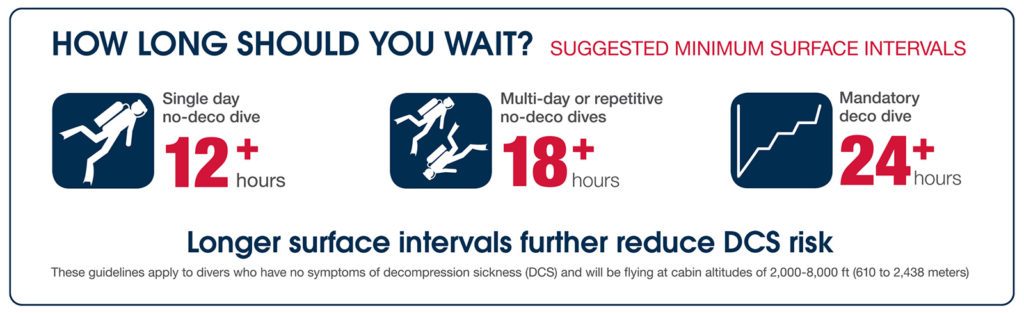
The previous consensus was to wait 12 hours after a single no-stop dive, 24 hours after multiday repetitive dives and 48 hours after dives that required decompression stops. In response to some participants viewing this consensus as too conservative, DAN proposed a simpler 24-hour wait after all recreational diving. Objections to DAN’s proposal were that DCS risks of FAD were too low to warrant such a long delay.

The Consensus Process

The workshop participants endeavored to reach consensus concerning:

  • Whether flying-after-diving guidelines were necessary for recreational diving
  • Whether the current guidelines were adequate
  • What the longest-duration guideline might be
  • If shorter guidelines were appropriate for short dives

The participants determined that guidelines were needed, and the available evidence demonstrated that existing guidelines were inadequate. After some debate, the participants agreed that unless they could rely on dive computers, written guidelines for recreational diving should be simple and unambiguous, without the need for reference to tables as the U.S. Navy procedures required. They considered three groups of divers:

  • Uncertified people who took part in an introductory scuba experience
  • Certified divers who made an unlimited number of no-decompression air or nitrox dives over multiple days
  • Technical divers who made decompression dives or used helium breathing mixes

Provisional Flying-After-Diving Guidelines

The following recommendations for recreational divers represent the consensus reached by attendees at the 2002 Flying After Recreational Diving Workshop. The attendees created the recommendations based on earlier published work and experimental trials. They apply to air dives followed by flights at cabin altitudes of 2,000 to 8,000 feet (610 to 2,438 meters) for divers who do not have symptoms of DCS.

The recommendations should reduce the DCS risk associated with flying after diving but do not guarantee avoidance of DCS. Preflight surface intervals longer than the recommendations will further reduce DCS risk.

Dives Within No-Decompression Limits

  • For a single no-decompression dive, the recommendation is a minimum preflight surface interval of 12 hours.
  • For multiple dives per day or multiple days of diving, the recommendation is a minimum preflight surface interval of 18 hours.

Dives Requiring Decompression Stops

There is little experimental or published evidence on which to base a recommendation for decompression dives. A preflight surface interval substantially longer than 18 hours appears prudent.

Flying with DCS Symptoms

The workshop attendees reviewed recent FAD trials and available field data regarding flying after diving and flying with DCS symptoms and identified potentially important differences between field and chamber studies. Diving in the field involved immersion, exercise and multiple days of diving, while the chamber trials occurred on a single day with dry, resting divers. The chamber trials may not have adequately simulated flying after diving.

It is more common for divers to fly with DCS symptoms than to develop symptoms during or after a flight. Flying with symptoms may be a greater health problem than symptoms that arise during or after a flight. Divers should seek medical advice and avoid flying if they note signs or symptoms that may indicate DCS.

Limitations

The workshop proceedings stressed that because the experimental trials described in the workshop used a dry hyperbaric chamber with resting volunteers, the guidelines might need to be longer for divers who were immersed and exercising.

The participants determined that the effects of exercise and immersion on preflight surface intervals would need an experimental study. Additional studies have occurred and results are awaiting publication.

Additional Resources

Download the complete Flying After Recreational Diving Workshop proceedings in our Publication Library.

Anxiety: Is It a Contraindication to Diving?

Anxiety is a mental health condition that refers to an overwhelming sense of apprehension or fearfulness. Marked by physiological signs, anxiety can produce both psychological and physical symptoms.

Anxiety can cause uncertainty about the nature and reality of threats as well as self-doubt about one’s capacity to deal with situations. Physical symptoms of anxiety can vary widely, from the damp palms and quickened heartbeat associated with mild apprehension to the crippling, paralyzed feelings of a full-blown panic attack or phobic reaction.

Symptoms

Symptoms of anxiety can vary from person to person, situation to situation, and even day to day. Signs include:

  • Dilated pupils
  • Increased heart rate and blood pressure
  • Constricted peripheral blood vessels
  • Blood flow diverted to the skeletal muscles
  • Rapid breathing
  • Increased perspiration

Some people who suffer from anxiety can experience severe panic attacks or debilitating physical symptoms. These may include:

  • Shortness of breath
  • Palpitations
  • Chest pain
  • Dizziness or vertigo
  • Hot or cold flashes

Implications in Diving

The ocean can be a major stressor for some people. As stress increases, a diver’s ability to recognize and respond properly diminishes.4 In a demanding situation it is critical that a diver be able to recognize and break out of the escalating cycle of stress before it reaches the level of panic. Divers may exhibit some specific symptoms and behaviors, including:

  • Rapid breathing or hyperventilation
  • Muscle tension
  • “White knuckle” grip
  • “Wild-eyed” look or avoiding eye contact
  • Irritability or distractibility
  • “Escape to the surface” behavior
  • Stalling, e.g., taking too long to don equipment or enter the water
  • Imaginary equipment or ear problems
  • Being overly talkative or becoming withdrawn
  • Contact maintenance, e.g., clutching the swim ladder or anchor line

Dive professionals are taught to recognize signs and symptoms of stress, both in themselves and in students and new divers. In many cases, identifying and removing a particular stressor can help alleviate anxieties. However, there will be instances in which recreational divers remain apprehensive, and the reason(s) may not be readily apparent. Depending on divers’ motivations for continuing to dive and their willingness to work toward a resolution of their anxieties, there are psychological techniques that can be useful in overcoming these problems. Mild anxiety does not have to be a contraindication to recreational diving. Dive professionals learn to intervene before that stress becomes excessive and results in exhaustion, panic or a dive accident or fatality.

Common Stressors in Diving Include:

  • Time pressure — Dive tables limit the time that can be spent at various depths. Planning and staying within no-decompression limits provides a significant source of stress, especially when accompanied by task-loading.
  • Task-loading — This involves doing or managing too many things at once. An example is a scuba diver attempting to hold a light and camera while navigating in an overhead environment. It is easy to focus on one task to the exclusion of others when that task is complicated or particularly demanding. This is known as perceptual narrowing.
  • Pushing limits — Diving beyond physical limitations or pushing oneself too hard, either physically or mentally.
  • Environmental conditions — These include unfamiliar dive sites, currents and surface conditions and diving in cold water, reduced visibility or at night.
  • Lack of readiness — Too little preparation or training for a particular dive can be a major stressor.
  • Equipment considerations — Diving with new or unfamiliar equipment, or diving with equipment (a drysuit, for example) in which one is insufficiently experienced or trained.
  • Diving for the wrong reason — This includes peer pressure, diving beyond safe limits “just for the thrill,” diving when you are uncomfortable or ill (seasick or hungover), diving because a friend is diving, diving to save face or diving due to fear of being left out.

Practice and additional training can help reduce anxiety. Instructors sometimes overlook the importance of patience and repeated practice in making students comfortable in the open water. Some students will need additional time and practice or require one-on-one instruction in particular areas. It should be emphasized that it is always acceptable to sit out a dive for any reason.

Medical Conditions

Certain medical conditions can produce feelings of anxiety: anemia, mitral valve prolapse (a cardiac condition), premenstrual symptoms, menopausal symptoms, diabetes, hypoglycemia (an abnormally low level of blood glucose), thyroid and parathyroid disorders, asthma and some systemic infections.5 Along with other stressors, one or more of these could amount to a potent and dangerous combination.

Overcoming Anxiety

There are ways to treat and overcome anxiety. Work with your health care provider to see what options are available. Treatment may include medication or working with a licensed professional or a combination of the two. An understanding of the mechanisms of anxiety help you understand how possible treatments and techniques might work.

John R. Yarbrough, Ph.D.

References

1 Barlow, David H. (1988). Anxiety and its Disorders: The Nature and Treatment of Anxiety and Panic. New York: Guilford Press.

2 Professional Association of Diving Instructors. (1999). The PADI Divemaster Manual. Rancho Santa Margarita, CA: PADI.

3 Smith (1979) as discussed in Gilliam, Bret. (1995). Deep Diving: An Advanced Guide to Physiology, Procedures and Systems. San Diego: Watersport Publishing.

4 Hardy, William, Jr. (1997). Psychiatric Physician Assistant Protocol: A Handbook for Mid-Level Psychiatric Practitioners. Tyler, TX: William Hardy, MS, PA-C.

5 DuPont, Robert L. (1987). Phobia: A Comprehensive Summary of Modern Treatments. NY: Brunner-Mazel.

6 Gilliam, Bret. (1995). Deep Diving: An Advanced Guide to Physiology, Procedures and Systems. San Diego: Watersport Publishing.

7 Maultsby, Maxie C., Jr. (1984). Rational Behavior Therapy. Englewood Cliffs, NJ: Prentice-Hall.

Hypertension

Hypertension (high blood pressure) is a common medical condition among the general population and divers.

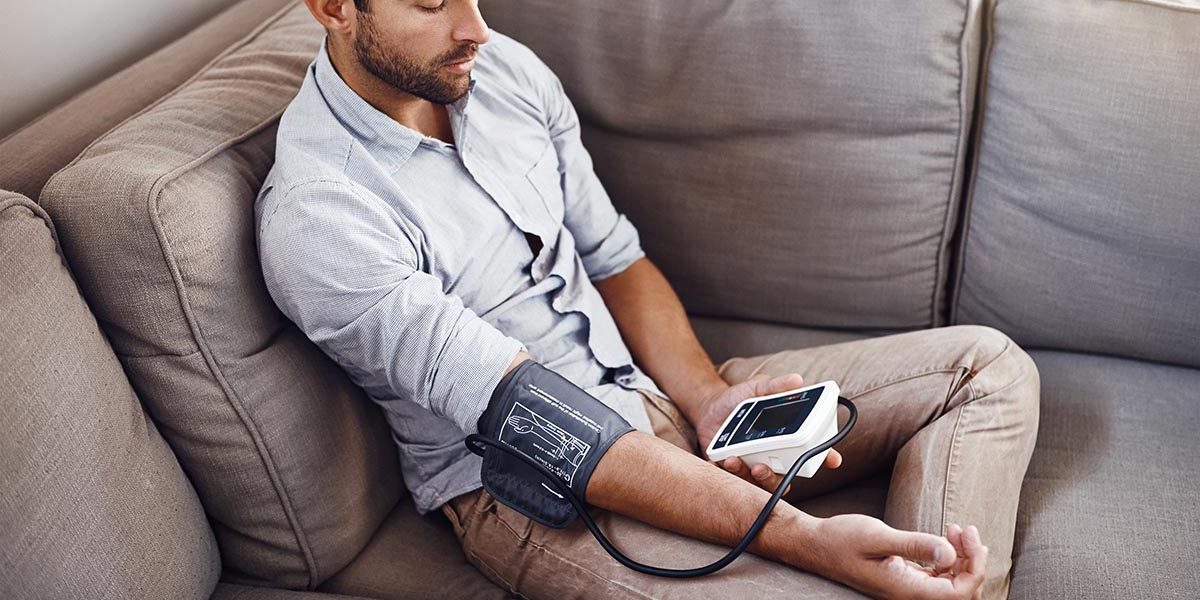
Blood pressure is a measure of the force with which blood pushes outward on the arterial walls. A blood pressure reading is a ratio. The first number (systolic pressure) is measured when your heart is beating. The second is the diastolic pressure, taken when your heart is resting between beats. Blood pressure numbers are in millimeters of mercury (mmHg). A typical reading is 120/80 mmHg (“120 over 80”). What constitutes hypertension varies slightly from country to country and from reference to reference.

Epidemiology

  • About one-third of U.S. adults have hypertension.
  • 69% of those who have a first heart attack, 77% of those who have a first stroke and 74% of those with chronic heart failure have hypertension. It is also a risk factor for kidney disease.
  • 348,000 deaths in the U.S. in 2009 had hypertension as either a primary or contributing cause.
  • Only 47% of people with hypertension have the condition under control.
  • 30% of American adults have prehypertension.

Sources: U.S. Centers for Disease Control and Prevention; and American Heart Association

Symptoms

Most people don’t have obvious symptoms and therefore don’t know they have hypertension. Some know they have it but don’t manage it because they feel fine.

Symptomatic people commonly have headaches, particularly at the back of the head. Headaches are common enough that people can underestimate them as a symptom. Spontaneous nosebleeds and shortness of breath are more concerning but don’t tend to occur until blood pressure has reached life-threatening levels.

Management

Mild hypertension can often be controlled with diet and exercise. In some cases medication may be necessary to keep blood pressure within acceptable limits. Many classes of drugs are used to treat hypertension, and they have varying side effects. Some individuals change medications after one is (or becomes) ineffective. Others might need more than one drug at a time to keep their blood pressure under control.

  • Antihypertensive drugs, known as beta-blockers, may cause a decrease in maximum exercise tolerance and have some effect on the airways. These side effects typically pose no problem for the average diver.
  • Another class of antihypertensives, known as angiotensin-converting enzyme (ACE) inhibitors, may be preferred for divers. A persistent dry cough is a possible side effect of ACE inhibitors.
  • Calcium channel blockers are another choice. A potential side effect of these drugs is becoming lightheaded when standing up.
  • Diuretics (drugs that promote the production of urine) are frequently used to treat hypertension. Their use requires careful attention to maintaining adequate hydration and monitoring electrolyte levels in the blood.

Complications

High blood pressure can affect your health in several ways. A person with hypertension faces short- and long-term complications. One of the main reasons why doctors pay so much attention to hypertension is because it is a silent killer.

  • Short-term complications generally result from extremely high blood pressure. The most significant is the risk of a stroke due to the rupture of a blood vessel in the brain.
  • Long-term detrimental effects are more common, including:
    • Coronary artery disease (angina)
    • Congestive heart failure
    • Atrial fibrillation
    • Chronic kidney disease
    • Stroke
    • Loss of vision

Implications in Diving

For the Diver

  • With controlled blood pressure and no evidence of damage to major organs, the main concerns regarding fitness to dive are the side effects of the medication(s) used. Most antihypertensive drugs are compatible with diving as long as side effects are minimal and your performance in the water is not significantly compromised.
  • If you have a history of hypertension, have a doctor monitor possible associated damage to the heart and kidneys.
  • Have regular physical examinations, including screening for long-term consequences of hypertension such as coronary artery disease.

For the Dive Operator

  • Controlled hypertension is not a contraindication for diving but is one of several cardiovascular risk factors.
  • Medications for blood pressure control may have side effects such as dehydration, dizziness, chronic cough or decreased exercise capacity. These side effects can be a contraindication to diving and need to be addressed by a physician.
  • Divers with hypertension should be under a physician’s care and be able to tell you their condition is under control and without complications.
  • Older, obese or clearly out of shape divers are at increased risk of cardiovascular emergencies and may need further medical evaluation before diving.

For the Physician

  • Ensure that divers with hypertension can tolerate high exertion for at least five to 10 minutes should it be required. Environmental conditions may change, or an emergency may arise in which the diver needs to exert themself to avoid a life-threatening risk.
  • Elevated levels of catecholamines may cause additional stress on a heart that is already undergoing an increased preload and afterload due to immersion. A more conservative criterion for further testing is justified for divers.
  • Cardiac arrest in the water has even worse outcomes than out-of-hospital events, so closer screening and evaluation for unacceptable risks are justified.
  • When adding or changing a medication regimen, allow several weeks to monitor side effects. Do not have patients discontinue antihypertensive medication before diving.

High-Pressure Ophthalmology

Our eyes normally exist in a world where the pressure around them is the result of the combined weight of all of the gases in the earth’s atmosphere. Diving exposes the eyes to increased pressure. While most of the time this has little or no negative effects on the diver, increased eye pressure in scuba diving can result in ocular decompression sickness or other problems.

In regard to personal eye health and diving, here are some common questions with corresponding answers:

What are the best contact lenses to wear underwater?

Divers who wish to wear contact lenses while diving should ask their ophthalmologists or optometrists to prescribe “soft” contact lenses. “Hard” lenses or rigid gas-permeable lenses, the other two commonly prescribed types of lenses, have been found to sometimes cause symptoms of eye pain and blurred vision during and after dives, in which the diver accumulates a significant inert gas load. These symptoms occur as a result of gas bubbles forming between the cornea and the contact lens.

Can individuals who have had cataract surgery dive?

Yes. Most cataract surgeons now use surgical incisions designed to provide maximum post-operative wound strength. The recommended waiting time prior to returning to diving depends on exactly what type of incision was made. Ask your surgeon for recommendations for your particular type of surgery.

Is it dangerous to dive if you have glaucoma?

Glaucoma is a disease in which increased pressure inside the eye is associated with damage to the optic nerve and loss of vision. Because of this, physicians have voiced concern about the possibility that a hyperbaric environment might therefore cause increased damage to the eye. Although this would seem to be a logical conclusion, diving thus far has not been shown to be a problem for glaucoma patients. This is most likely because the damage associated with glaucoma is a factor of the difference between the pressure inside the eye and the surrounding pressure, rather than simply the absolute magnitude of the pressure inside the eye.

There are two important considerations for glaucoma patients who wish to dive. Some of the medications used to lower the pressure in the eyes of glaucoma patients may have adverse effects while diving. Timolol, for example, may result in a decrease in heart rate that could theoretically place a small percentage of divers at higher risk for loss of consciousness underwater; acetazolamide (diamox) may cause tingling sensations of the hands and feet that could be mistaken for symptoms of decompression sickness. These and other ocular medications are discussed in detail in the article mentioned in the introduction.

Certain types of glaucoma surgery (collectively called glaucoma filtering procedures) create a communication between the anterior chamber of the eye and the subconjunctival space to help lower the pressure in the eye. Facemask barotrauma may have an adverse effect on the functioning of the filter and result in a need for additional surgery or further damage to the eye from the glaucoma.

Individuals who have had glaucoma surgery or who are taking glaucoma medications should check with their ophthalmologist before diving.

Is it possible to get ocular (eye) decompression sickness?

Ocular decompression sickness (DCS) is a relatively uncommon event, but one which does occur and it is very important that divers be aware of this possible presentation of DCS. Symptoms may include:

  • Loss of vision
  • Blurred vision
  • Diplopia (double vision)
  • Blind spots in your field of vision
  • Pain around the eye
  • Nystagmus (abnormal eye movements)

The presence of any of these symptoms following a dive should be evaluated as soon as possible by a physician knowledgeable about diving injuries, or the diver should call DAN.

What eye conditions would preclude someone from diving?

  • Gas in the eye (may be present after vitreoretinal surgery). Diving with gas in the eye may result in vision-threatening intraocular barotrauma due to the pressures of the surrounding water column.
  • Hollow orbital implants. The presence of a hollow orbital implant after an eye has been surgically removed because of injury or disease may preclude diving. The increased pressures encountered while diving may cause a hollow orbital implant to collapse, resulting in cosmetic problems and a need for further surgery to replace the damaged implant. Many ocular plastic surgeons are now using implants made of hydroxyapatite, a porous material which is not a contraindication for diving.
  • Acute eye disorders. Any acute eye disorder which produces significant pain, light sensitivity, double vision, or decreased vision is a contraindication to diving. These symptoms may be produced by a number of ocular infectious, traumatic, or inflammatory conditions. In general, it’s best to wait until the underlying acute condition has resolved and there are no distracting or disabling ocular symptoms to contend with before returning to diving.
  • Recent eye surgery. After eye surgery, avoid diving prior to completion of the recommended convalescent period for your particular type of surgery.
  • Inadequate vision. There is a detailed discussion of visual acuity and diving in the article entitled “Diving and Hyperbaric Ophthalmology” mentioned in the introduction.Deciding on your own visual acuity is primarily a judgment call, with few relevant scientific studies available to help resolve the issue. The approach taken in the article was to use statutory visual standards established for another hazardous activity — driving a car, for example — whose visual requirements are more demanding than diving. The recommendation made was that if you see well enough to qualify for a driver’s license and operate a motor vehicle safely, then you should be able to see well enough to dive. If a prospective diver has visual acuity which is poor enough to preclude them from being allowed to drive, then the fitness-to-dive decision needs to be individualized with the assistance of an eye physician and dive instructor.
  • Decreased vision. If your vision is impaired from previous episodes of decompression sickness (DCS) or arterial gas embolism, don’t risk further injury.
  • Some types of glaucoma surgery.

Is it safe to dive after radial keratotomy?

Radial keratotomy (RK) is a surgical procedure designed to cure myopia (nearsightedness). In this operation, the surgeon makes a small number of radially-oriented incisions in the cornea of the eye. These incisions cause a decrease in the strength of the cornea and may increase the risk of serious injury if the eye is subjected to subsequent trauma, including barotrauma such as a facemask squeeze. Despite this theoretical risk, there have been no reports of which I am aware involving a traumatic rupture of the cornea resulting from diving after RK.

Divers who have had this procedure should wait at least three months after the surgery before returning to diving and should be careful to avoid a facemask squeeze — it’s important to avoid imposing the “Boyle’s Law Stress Test” on these corneal incisions.

If you are a diver and considering having this procedure done, I would recommend that you also ask your eye surgeon to discuss the potential advantages of photorefractive keratectomy, the alternative refractive surgical procedure discussed below.

Is it safe to dive after having had the new laser refractive surgery (photorefractive keratectomy)?

Yes. This procedure uses laser reshaping of the cornea instead of incisions to treat myopia. This method results in no decrease in the structural integrity of the cornea and no risk of corneal rupture as a result of facemask squeeze. It should be safe to dive approximately two weeks after this surgery. Discuss your plans with your physician and have a final evaluation before you dive.

I just came up from a dive and noticed that my vision is now blurry. What conditions could cause this symptom?

Possible causes of blurred vision after diving include:

  • Contact lenses which become tightly adherent to the eye during a dive
  • Displaced contact lens
  • Corneal irritation from mask anti-fog solutions
  • Ultraviolet or “sunburn” damage to the cornea
  • Corneal irritation resulting from bubbles under hard or rigid gas-permeable contact lenses
  • Use of transdermal scopolamine to prevent motion sickness
  • Decompression sickness
  • Arterial gas embolism

If you are a contact lens wearer, first ensure that the lens is still in place and then instill some lubricant eye drops. If this is successful in restoring your vision to normal, then it is not necessary to seek medical attention. If you are not a contact lens wearer or these actions are unsuccessful, then you should have your symptoms evaluated by a physician knowledgeable about diving injuries. For a list of dive physicians in your area, call DAN.

I just came up from a dive and one of my eyes has a bright red spot on it. What could cause this? Do I need to see an eye doctor?

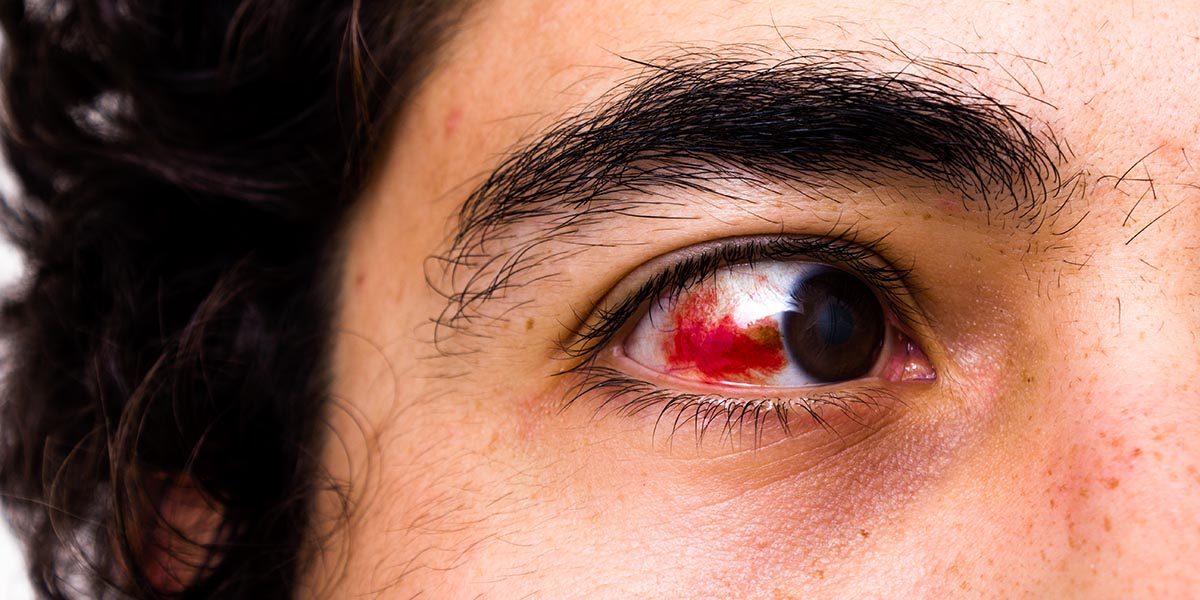
The most common cause of a red spot on the eye after a dive is a subconjunctival hemorrhage. This is a collection of blood over the sclera (white part) of the eye. It is usually caused by a mild mask squeeze and does not require any treatment. A more severe squeeze could result in other injuries to the eye, however, so it is a good idea to see your eye doctor just in case. It is absolutely essential to see your eye doctor if you have eye pain, double vision, blind spots in your field of vision, or decreased vision after a dive or if you have a history of eye surgery in the past.

I am undergoing hyperbaric oxygen treatments and have noticed that my vision is slowly getting worse. Why is this happening?

Hyperbaric oxygen (HBO) therapy may cause a change in the way that the lens of the eye refracts light. This change occurs slowly and is usually not noticed until after a week or two of treatment. If the HBO therapy continues to that point or beyond, the patient may experience a slow myopic (nearsighted) change. This slow change typically continues as long as the HBO treatments continue. It is usually reversible after the treatments are finished, although there have been some reports in which this reversal did not occur or was incomplete.

A Final Word

Most of the restrictions to diving mentioned above do not apply to hyperbaric oxygen (HBO) therapy. According to Diving and Hyperbaric Ophthalmology: hyperbaric exposures in a dry chamber “do not entail immersion of the eye or the possibility of facemask barotrauma. Only the presence of intraocular gas or hollow orbital implants remains as possible ocular contraindications to diving in these patients.”

Frank K. Butler Jr., M.D.

Mask Squeeze (Facial Barotrauma)

Overview

Mask squeeze (mask barotrauma or facial barotrauma) results from a failure to equalize the air space created between your mask and face. In most cases this is a relatively benign injury. It tends to be more common in new divers. Blockages of nose — such as congestion or nose clips — will interfere with mask equalization.

Mechanisms of Injury

As with your sinuses and ears, you must also equalize the air space in your mask as you descend. Failure to equalize by adding air to the space in the mask (by exhaling through your nose), can create unequal pressure between the air space in the mask and the vascular pressure within the blood vessels of the face. The pressure difference can result in various degrees of facial barotrauma, which is an injury to the soft tissues of the face contained within the mask. Imagine your face in a suction cup.

Manifestations

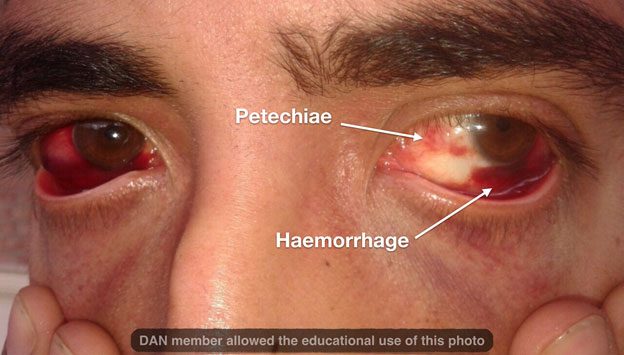
You will likely feel a suction effect over the affected area. The negative pressure over the soft tissues beneath the mask (upper cheeks, nose, lower forehead, eyelids and eyeballs) will cause engorgement of the blood vessels. The result ranges from mild discomfort to pain. After it is resolved by properly equalizing the mask or ascending to the surface, you may show some swelling in the affected area and red, brown, or purple spots (petechiae), particularly on your eyelids.

In some cases, subconjunctival petechiae or hemorrhage (blood from burst vessels) appears in the white of the eye. Visual disturbances are rare, but they are a sign of a more severe compromise and require immediate medical evaluation.

subconjunctival petechiae and hemorrhage from mask barotrauma
Subconjunctival petechiae and hemorrhage from mask barotrauma

During the healing process, blood will change color from the initial bright red to a darker red, then greenish, then yellowish before the eye returns to its standard white color. This healing is a natural process that corresponds with how your body metabolizes the blood.

Treatment

Unless you are experiencing eye pain or visual problems, there is no treatment for facial barotrauma except time. Because it is essentially a bruise, your body will eventually reabsorb the blood.

If you have eye pain or visual disturbances such as blurred vision or loss of part of the visual field, or feel blood that has accumulated/layered (hyphema) in colored part of your eye (iris), see your physician or an eye specialist immediately. These symptoms are infrequent in mask squeeze. With routine healing, and depending on the extent of the injury, the symptoms of mask squeeze can take up to two weeks or more to resolve. You will probably look worse than you’d like before it gets better. Your body needs to reabsorb the blood and fluid. These are gravity-dependent, meaning they will spread downward on your face.

Who Gets Mask Squeeze?

It is most common in new divers. They tend to be overwhelmed by all the skills they need to remember, such as buoyancy control and equalization of their ears and sinuses, while adjusting to an unfamiliar environment. Experienced divers are not immune to mask squeeze. They tend to get it when they are concentrating on a new activity or focusing on a task that diverts their attention from clearing their mask. Changing to a new mask or a low-volume mask may also lead to mask squeeze because the diver may not be accustomed to when to add air. Poor-fitting masks or other factors, such as facial hair, may lead to problems with equalizing. 

Prevention

The solution to preventing mask squeeze is to remember to keep your nasal passageways open during descent by blowing small amounts of air through your nose every time you equalize your ears. By exhaling through your nose and using a properly fitted mask, you will minimize the risk of facial barotrauma. A mask should fit comfortably against your face. You should be able to achieve an appropriate seal by gently placing the mask on your face and inhaling through your nose.

The mask should seal to your face and not fall off even without the mask strap in place. It is not unusual for a small amount of leakage to occur while diving, especially if you have facial hair. Exhaling through your nose and tilting your face towards the surface while cracking the lower seal of the mask will generally remove any unwanted water from your mask. This technique will also keep the air space between the mask and your face adequately


Implications in Diving

For the Diver

  • Call the DAN hotline for recommendations if you think you suffered a mask squeeze.
  • You can consider a return to diving if a physician determines that the risk of further injury is minimal and manageable.

For the Dive Operator

  • Call the DAN hotline for recommendations. As the expedition’s leader, you have a duty of care if they got injured during your trip.
  • Offer the diver evaluation by a medical professional.
  • Don’t worry about referring them to a doctor with dive medicine experience. Any doctor should be able to help.

For the Physician

  • Provide symptomatic treatment.
  • Assess for vision deficiencies.
  • Assess ears and vestibular function. Mask squeeze injuries could also present with ear or sinus barotraumas.
    • Vertigo, nystagmus or hearing loss might be suggestive of inner-ear barotrauma. If present, discourage your patient from further diving until cleared by a specialist.
  • Consider recommending no further diving until swelling and inflammation have resolved, and the diver understands and shows competency on how to properly equalize air spaces (ears, sinuses, and mask). 

Fitness to Dive

Do not dive until recommended by your physician. Assess why the problem occurred and address each factor. Consider contacting a dive instructor to address preventing future injuries.

Motion Sickness

Motion sickness, or seasickness, ruins diving trips, vacations and travel for many. Everyone is susceptible; it can happen to anyone if the circumstances are right. A lot is known about motion sickness, but our understanding of the cause is not perfect. There are people who are resistant to motion sickness, but sufficient angular acceleration will induce motion sickness in anyone in nearly any means of travel.

Even astronauts are annoyed by this problem: Approximately 70 percent of all crew members experienced some degree of motion sickness during the first 72 hours of orbital flight in the space shuttle.

Mechanisms of Injury

The vestibular balance apparatus of the ears detects motion and is stimulated by the repeated angular acceleration that occurs on a moving boat. If you are below decks or have otherwise lost visual contact with the water/horizon, your eyes signal the brain that there is no motion. The sensors of body position, however, send a different signal, and the brain may struggle to resolve the conflict. Anxiety, confusion and dismay can result, leading to symptoms of yawning, pallor (paleness) and headache. These are often followed by nausea and vomiting.

There is more to motion sickness than a mismatch of sensory inputs. Other possible factors include the role of Coriolis forces (forces due to the earth’s rotation), other nonphysiological stimuli, cerebrospinal fluid and the cerebellum.

Manifestations

If you have experienced motion sickness, you probably think of nausea as the primary symptom. Other symptoms include dizziness, fatigue, burping, sweating, vomiting, excessive salivation and headaches.

The reverse can occur, too. “Land sickness,” or mal de débarquement, occurs when you return to dry land after becoming adapted to an environment in constant motion. The brain becomes accustomed to the new input from increased motion, and upon returning to land the motion is no longer present. The abrupt change can produce the same symptoms originally experienced upon going to sea.

Prevention

To manage motion sickness, find the part of the vessel with the least up and down movement and stay there — usually that will be in the center of the vessel. Stay as low as possible while maintaining eye contact slightly above the horizon. If visual contact is not possible, try keeping your eyes closed.

There are a variety of medications that a diver could take to minimize symptoms and reduce risk. Before taking a medication, read the information provided to understand potential side effects.

  • The most commonly used medications are antihistamines, which are available without a prescription and share common side effects. These medications include Dramamine® (dimenhydrinate), Bonine® (meclizine), Benadryl® (diphenhydramine) and Marezine® (cyclizine). A common side effect of this group is drowsiness, which might seriously impair a diver’s ability to perform safely.
  • Phenergan® (promethazine) is a prescription drug chemically related to tranquilizers, and it also has antihistamine properties. Drowsiness is a prominent side effect, and it can be used as a sedative-hypnotic. The drug may impair the mental and physical abilities required to perform potentially hazardous tasks. Alcohol and similar drugs accentuate the sedative effects of promethazine.
  • Scopolamine-dextroamphetamine is a combination of oral scopolamine and oral dextroamphetamine, and it has been studied for use in the space program. These are very potent medications and the combination has not been approved by the U.S. Food and Drug Administration (FDA) for motion sickness. A physician prescribing this combination for motion sickness would be outside the scope of the FDA.
  • Trans-Derm SCOP® (scopolamine patch) has been used by many divers who found it beneficial and reported few problems. Side effects include hallucinations, confusion, agitation and disorientation.

There are possible nonpharmacological interventions available to divers, but some may not have been tested in trials. Possible remedies include the ingestion of ginger and the use of a band that applies pressure to a particular spot on the wearer’s wrist.

Complications

Dehydration, anxiety and depression are common complications of motion sickness. Although motion sickness usually goes away once the motion stops and causes no lasting harm, people who have prolonged exposure, such as crew members on ships, may have exacerbated symptoms.

Implications in Diving

For the Diver

  • Before a dive, ensure you are adequately rested, nourished and hydrated. If you are apprehensive, avoid eating two hours before you embark.
  • If you choose to take a medication, take note of potential side effects and be on the lookout for them.
  • If symptoms continue, contact a physician.

For the Dive Operator

  • Before boarding, let divers know the best place for them on the vessel to help them avoid motion sickness.
  • Most people adapt to motion, so motion sickness often resolves after a few hours.

For the Physician

  • Be sure to communicate to the patient the potential side effects of the prescribed medication.
  • Intramuscular injection of certain drugs can provide great relief for severely motion-sick individuals.

Middle-Ear Equalization

Middle-ear equalization is a basic, essential diver skill that equalizes the pressure in the sinuses and middle-ear spaces with the ambient pressure. To be a safe diver and avoid middle-ear injuries, you must understand the effects of pressure changes and learn how to actively let air into your middle ears through your Eustachian tubes.

Mechanisms of Equalization

Middle Ear

The middle-ear cavity is bounded by rigid structures except for the eardrum. When ambient pressure increases, the only way for the middle-ear volume to decrease is through the bowing of the eardrum into the middle-ear cavity. After the eardrum stretches to its limits, further reduction of the middle-ear cavity volume is not possible. If you continue descending, the pressure in the middle-ear cavity remains lower than its surroundings. The only way to change this pressure difference is to add gas to the middle-ear space.

In a typical middle ear, the Eustachian tube, which connects to the nasal cavity, is the only way to add gas. The Eustachian tubes are normally closed. Every time we swallow or yawn, the muscles in our throat allow for a small transient opening that is enough to ventilate our middle ear and compensate for pressure changes. Nothing challenges our ears and Eustachian tubes more than scuba and breath-hold diving.

Descent

As divers descend, the ambient pressure increases linearly at a rate of one-half pound per square inch (psi) for each foot (or 0.1 kg/cm² for each meter). This increase applies to body tissues and fluids. Boyle’s law describes how the volume of a gas decreases when pressure increases if the amount (mass) of gas and the temperature remain the same. A small pressure difference will cause leakage of fluid and bleeding from the eardrum and the mucosa lining the middle-ear cavity (ear barotrauma O’Neill Grade 1). When the pressure difference reaches 5 psi (0.35 bar), the eardrum may rupture in some divers. At a pressure difference greater than 10 psi (0.75 bar), a rupture will occur in most divers (ear barotrauma O’Neill Grade 2). Sudden and substantial pressure changes may also cause inner-ear injury.

Ascent

During ascent, the ambient pressure decreases, and if the gas has no way to leave the middle-ear cavity, the pressure in the middle ear remains elevated. When the pressure in the middle ear exceeds surrounding pressure by 15 to 80 centimeters of water (cm H₂O), which corresponds to an ascent in the water of 6 inches to 2.5 feet, the Eustachian tubes open, and surplus gas escapes. If your ears do not equalize at the same rate and the pressure difference reaches about 66 cm H₂O (equivalent to 2 feet of water), alternobaric vertigo may occur. Upper respiratory tract infections, hay fever, allergies, snorting drugs, cigarette smoking or a deviated nasal septum may compromise equalization.

Techniques

When properly employed, the following equalization techniques are effective in middle-ear and sinus equalization in healthy divers.

  • Passive: Requires no effort; occurs during ascent
  • Voluntary Tubal Opening: Yawn or wiggle your jaw
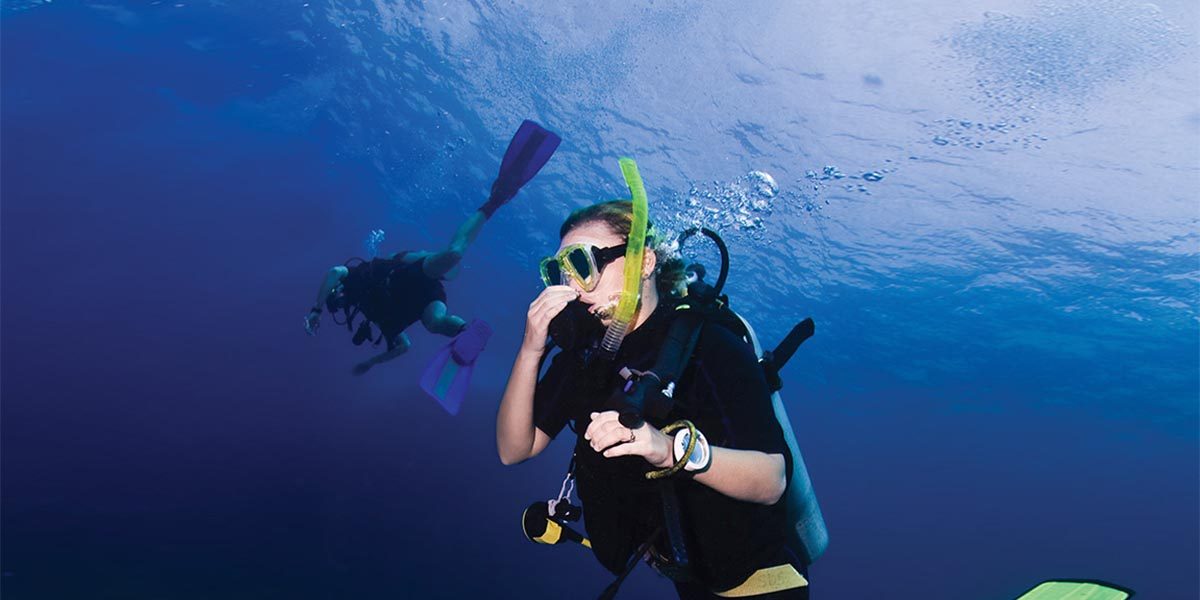
  • Valsalva Maneuver: Pinch your nostrils and gently exhale through your nose
  • Toynbee Maneuver: Pinch your nostrils and swallow (useful for equalizing during ascent)
  • Frenzel Maneuver: Pinch your nostrils while contracting your throat muscles and make the sound of the letter K
  • Lowry Technique: Pinch your nostrils and gently try to exhale through the nose while swallowing (a combination of the Valsalva and Toynbee maneuvers)
  • Edmonds Technique: Push your jaw forward and do the Valsalva or Frenzel maneuver

Tips for Equalization

  • Before descent, while you are neutrally buoyant with no air in your BCD, gently employ one of the listed techniques to add air to your middle ears and sinuses as you descend.
  • Descend vertically, feet first, to allow air to travel naturally upward into the Eustachian tube and middle ear. Use a descent line or the anchor line to control your speed.
  • Gently inflate your ears every few feet for the first 10 to 15 feet.
  • Pain is not acceptable. If you have pain, you have descended without adequately equalizing. Ascend a few feet until the pain stops.
  • If you do not feel your ears equalizing, stop descending and try again. You may need to ascend a few feet to reduce the ambient pressure. Do not bounce up and down.
  • It may be helpful to tilt your blocked ear toward the surface.
  • If you are unable to equalize, abort the dive. The consequences of descending without equalizing could ruin an entire dive trip or cause permanent damage or hearing loss.
  • If at any time during the dive you experience pain, vertigo or sudden hearing loss, abort the dive. If these symptoms persist, do not dive again and consult your physician.

Medications

  • Some divers use decongestants (oral medications or nasal sprays) before diving to reduce swelling in the Eustachian tubes and nasal passages. Talk to your doctor before using these medications prior to diving, and be aware that if they were to wear off during a dive, a reverse block may occur.
  • Take caution when using over-the-counter nasal sprays. Repeated use can cause a rebound reaction resulting in increased congestion and a possible reverse block on the ascent.
  • Decongestants may have side effects. Do not use them before a dive if you do not have previous experience with them and know how they will affect you.

Middle-Ear Barotrauma (MEBT)

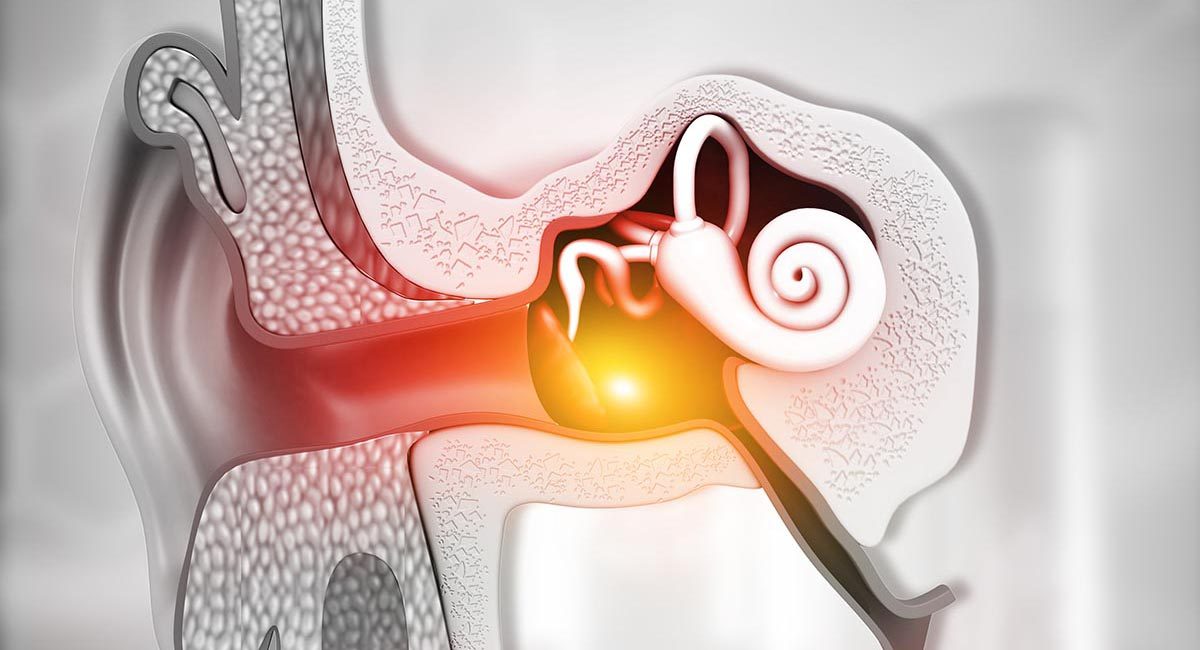
Middle-ear barotrauma (ear squeeze) is the most common dive injury. It occurs when pressure in the air space of the middle ear is not equalized to the ambient pressure. It can cause a ruptured eardrum and can happen either while diving or flying.

Anatomy and Functions of the Ear

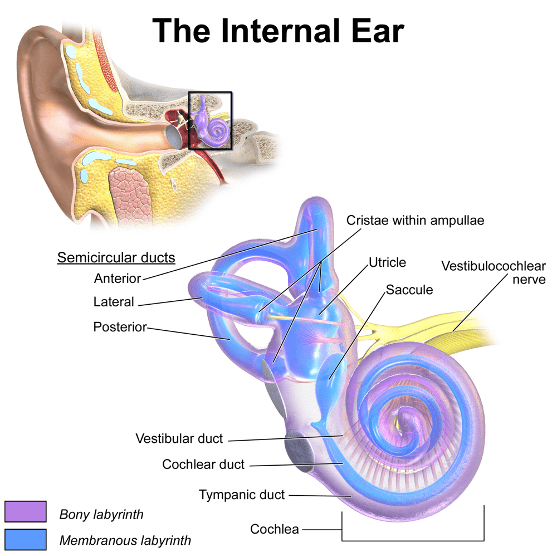
The human ear has three distinct sections:

  • External ear: This includes the ear itself and the ear canal to the eardrum.
  • Middle ear: This is an air-filled cavity between the eardrum and the inner ear. It has three components: the middle-ear cavity, the three ear bones (ossicles) and the mastoid process.
  • Inner ear: The inner ear is a sensory organ. It is part of the central nervous system, and it has two functions:
    • Auditory: The cochlea turns soundwaves into electrical impulses for the brain.
    • Balance, orientation and acceleration: The canals provide some of our control of balance and position and help detect acceleration.
This image has an empty alt attribute; its file name is internal_ear_diagram.png

Mechanisms of Injury

The air pressure in the tympanic cavity — an air-filled space in the middle ear — must be equalized with the pressure of the surrounding environment. The Eustachian tube connects the throat with the tympanic cavity and provides passage for gas when pressure equalization is needed. This equalization normally occurs with little or no effort. Various maneuvers, such as swallowing or yawning, can facilitate the process.

An obstruction in the Eustachian tube can lead to an inability to achieve equalization, particularly during descent, when the pressure changes quickly. If the pressure in the tympanic cavity is lower than the pressure of the surrounding tissue, this imbalance results in negative pressure (a relative vacuum) in the middle-ear space. It causes tissue to swell, the eardrum to bulge inward, leakage of fluid and bleeding of ruptured vessels. At a certain point an active attempt to equalize will be futile, and a forceful Valsalva maneuver may injure the inner ear. Eventually the eardrum may rupture; this is likely to bring relief from the pain associated with MEBT, but it is an outcome to avoid if possible.

Often the injury is serious enough that it causes rupture of the eardrum, tympanic membrane rupture or inner ear barotrauma.

Factors that can contribute to the development of MEBT include the common cold, allergies or inflammation — conditions that can cause swelling and may block the Eustachian tubes. Poor equalization techniques or too rapid descent may also contribute to the development of MEBT.

Manifestations

Divers who cannot equalize middle-ear pressure during descent will first feel discomfort in their ears (clogged or stuffed ears) that may progress to severe pain. Further descent only intensifies the ear pain, which is soon followed by a serous fluid buildup and bleeding in the middle ear. With further descent, the eardrum may rupture, providing pain relief; this rupture may cause vertigo and hearing loss. Exposure of the normally sterile middle ear to infection from a mixture of pathogens from the non-sterile contents of the ear canal and surrounding water may result in a middle-ear infection.

Signs and Symptoms

  • A feeling of clogged or stuffed ears
  • Ear discomfort or pain
  • Pain increases with descent during diving
  • Fluid buildup and bleeding
  • Eardrum rupture, leading to vertigo and hearing loss

Prevention

  • Do not dive when congested.
  • Refrain from diving when feeling popping or crackling in your ears, or if you have a feeling of fullness in your ears after diving.
  • Learn and use proper equalization techniques.

First Aid

  • Use a nasal decongestant spray or drops. This might reduce the swelling of the mucous membranes, which may help to open the Eustachian tubes and drain the fluid from the middle ear.
  • Do not put any drops in your ear canal. If the tympanic membrane is ruptured, this might make things worse.
  • Seek professional medical evaluation. Any doctor should be able to help, regardless of any dive medicine knowledge or training.

Implications for Diving

For the Diver

  • You can consider a return to diving if a physician determines that the injury has healed, and the Eustachian tube is functional.
  • Do not neglect these injuries. Some of the complications could negatively affect you for the rest of your life.
  • Return to your physician if you have worsening pain, fever or discharge. These may indicate a middle-ear infection.

For the Dive Operator

  • Have the diver evaluated by a medical professional in a timely fashion.
  • Don’t worry about referring them to a doctor with dive medicine experience. An ear, nose and throat (ENT) doctor (otolaryngologist) is ideal for both ear and sinus problems, but your primary care physician can help for most common problems.

For the Physician

  • Provide symptomatic treatment (anti-inflammatory drugs, decongestants, mucolytic agents).
    • Prophylactic antibiotic therapy is controversial. Although a middle-ear infection is a plausible secondary complication, this is not always the case in the acute phase.
  • Assess tympanic membrane perforation (this is sometimes difficult to recognize).
    • If present, consider referring the patient to an ENT specialist.
    • Use the O’Neill grading system or detail what you observe.
  • Assess the vestibular function.
    • Vertigo, nystagmus and/or hearing loss might be suggestive of inner-ear barotrauma. If present, strongly discourage your patient from further diving until properly cleared by a specialist.

Fitness to dive

Do not dive until swelling and inflammation have resolved, and you can adequately equalize, preferably under otoscopic evaluation. Assess why the problem occurred (lack of training, allergy, etc.) and address each factor. If you are unable to equalize, then you may consider ENT consultation. The inability to equalize properly is disqualifying.

Note: Do not dive with earplugs, as this may cause external-ear barotrauma.

Coral Scrapes and Cuts

Cuts and scrapes are the most common injuries incurred by divers and snorkelers. DAN receives about one inquiry a week related to someone who has come into contact with coral. A burning sensation, pain and itching are common and may also be accompanied by a rash. These injuries can have a latent evolution and take weeks or months to heal, confusing both patients and clinicians.

Mechanisms of Injury

Soft living tissues cover the surface of corals. In the case of stony corals, the rigid (abrasive) structure underneath makes the coral’s soft tissue easy to tear and get into the scrape or cut. Foreign material can prolong the wound-healing process since the different antigens and substances cause an acute inflammatory process and infection. Cuts and scrapes from sharp-edged coral and barnacles tend to fester and may take weeks or even months to heal. Granulomas can form if debris from the original wound remains in the tissue. The body attempts to remove it, resulting in an itchy rash or papule (small, raised, tender bump) that lasts for some time before the body eliminates it.

While most “raspberries” generally heal quickly, skin abrasions from a marine environment can sometimes be more challenging to treat than those we get from outdoor activities such as baseball or bicycling. Whether it is a coral, a rock or a wreck, they all share a common factor: They are covered by living marine organisms, which makes coral cuts and scrapes unique.

Manifestations

The extent of the reaction depends on the presence and amount of toxins, the size and location of the abrasion and the pre-existing sensitivity of the injured person. The most common manifestations are a burning sensation, pain and itching. A rash may accompany the injury if the coral is a hydroid, such as fire coral.

Most animals of class Hydrozoa become hydroids as a life stage. They are predominantly colonial, and while most of them are marine creatures, you can find a few species in freshwater environments.

Fire corals are cnidarians, so they contain nematocysts. Touching them with a simple rub can cause mechanical activation and envenomation. The manifestation is usually blistering, which typically appears a few hours after contact. They typically resolve in a few days, but it is quite common for these injuries to relapse within a week or two after what seemed to be healing progress. This delayed reaction is typical of these types of envenomations.

Prevention

When underwater, try to avoid contact with coral or any other living creature. Whenever possible, wear a wetsuit or dive skin to protect yourself if you are accidentally pushed into coral by another diver or a current. Ocean divers should consider a marine animal first aid kit for their travels. Ready supplies will speed up the time to properly administer first aid for injuries. Additionally, for divers who want to learn more about the various marine life injuries, there are courses in marine life identification, first aid courses and a variety of books and publications available.

First Aid

  • Scrub the cut vigorously with soap and water, and then flush the wound with large amounts of water.
  • Flush the wound with a half-strength solution of hydrogen peroxide in water. Rinse again with water.
  • Apply a thin layer of antiseptic ointment, and cover the wound with a dry, sterile and non-adherent dressing. If you have no ointment or dressing, you can leave the wound open.
  • Clean and re-dress the wound twice a day.
  • If the wound develops a crust, use wet-to-dry dressing changes. Put a dry sterile gauze pad over the wound and soak it with saline or a diluted antiseptic solution (such as 1% to 5% povidone-iodine in disinfected water). Allow it to dry then rip the bandage off the wound. The dead and dying tissue should adhere to the gauze and lift free. The tissue underneath should be pink and may bleed slightly but should be healing. Change the dressings once or twice a day. Use wet-to-dry dressings for a few days or until they become non-adherent. Then resume the regular wound dressing described above.
  • Look for any signs of infection: extreme redness, red streaks on the extremity, pain, fever, pus or swollen lymph glands. If you have any, consult a qualified health professional about starting an antibiotic. A possible Vibrio bacteria infection can cause illness and even death in someone with an impaired immune system (e.g., from AIDS, diabetes or chronic liver disease).
  • Watch for coral poisoning, which can occur if abrasions or cuts are extensive or from a particularly toxic species. Symptoms include a wound that heals poorly or continues to drain pus, swelling around the cut, swollen lymph glands, fever, chills and fatigue. If you have these symptoms, see a physician.

Complications

The most frequent complications from non-stinging coral scrapes are inflammation (which leads to poor healing) and less commonly a secondary infection. Proper wound cleaning is crucial. If fire coral is the culprit, then a diluted acetic acid solution, such as household white vinegar, is a reasonable topical decontaminant and should be used as a soak to reduce the pain. Immersion in hot water can reduce the symptoms. Hot water is ideal, but you can use instant hot packs, cold packs or ice packs. Provide symptomatic treatment for the inflammatory response. Steroid creams are rarely helpful, and they can prolong a skin infection. If the inflammation is severe, you may administer systemic steroids in a moderate, tapering dose under the supervision of a trained medical provider. Oral antihistamines can sometimes help reduce the itching or burning sensation. 

Possible Complications of an Old Problematic Wound

It is not uncommon for divers to contact DAN concerned about a minor skin abrasion on their hands, knees or elbows that happened months ago and has not healed despite proper care. These chronic wounds often have a red and bumpy appearance, occasionally develop a crust and are usually painless. If common antibiotic ointments do not help, divers wonder if the cause may be a marine-specific pathogen.

Divers with an open wound, even a small cut or scrape, are at risk for skin infections. When an old problematic wound fits the descriptions above, it might have become infected with an opportunistic pathogen known as Mycobacterium marinum. Despite the name there are no marine-specific pathogens that affect humans. Some infections are more common in aquatic environments. M. marinum is responsible for a condition commonly known as fish tank granuloma, or aquarium granuloma.

The red and bumpy nodules, no larger than a centimeter, are granulomas — inflammatory immune cells trying to wall off the pathogen. Granulomas are usually isolated but can sometimes appear in small clusters. They are not necessarily painful. There may or may not be discharge from the wound.

Characteristics of M. marinum That Affect Healing

  • The pathogen is opportunistic. It causes infection only in the right conditions (environmental and patient-related), so it is often not considered as a potential culprit.
  • It likes cooler temperatures, which is why these wounds tend to flourish in areas with lower body temperatures such as hands, knuckles, elbows and knees.
  • Only specific antibiotics work, so the typical antibiotic treatments are usually unsuccessful.
  • The life cycle is slow, which means treatments last a long time. Sometimes patients will abandon what could have been a successful treatment or doctors may look for other potential explanations for the symptoms.
  • It requires specific culture media that a doctor would not ask for unless they suspected this pathogen. Standard culture results are often negative, which delays the diagnosis.

Allow your doctor to examine the wound and follow their standard procedures. The doctor will probably ask you how it happened or when it started. Tell them about the superficial abrasion in a marine environment. You may want to ask specifically if M. marinum could be the cause. Your doctor does not need dive-specific medical knowledge for this type of issue.

Fitness to Dive

Always take care of wounds and clean them thoroughly no matter the severity. The skin is our most effective and efficient means of immunological defense. A compromised wound can get seriously infected.

As a rule, treat wounds properly and let them heal before diving. This is particularly important before traveling to a remote location or one with limited local medical care capabilities. A skin lesion with the potential for infection might warrant a more conservative decision to stay ashore if you have such a trip planned.

Chronic skin lesions require specific consultation with your physician team before diving. Your doctor may prescribe treatment or a protective covering to prevent skin breakdown.