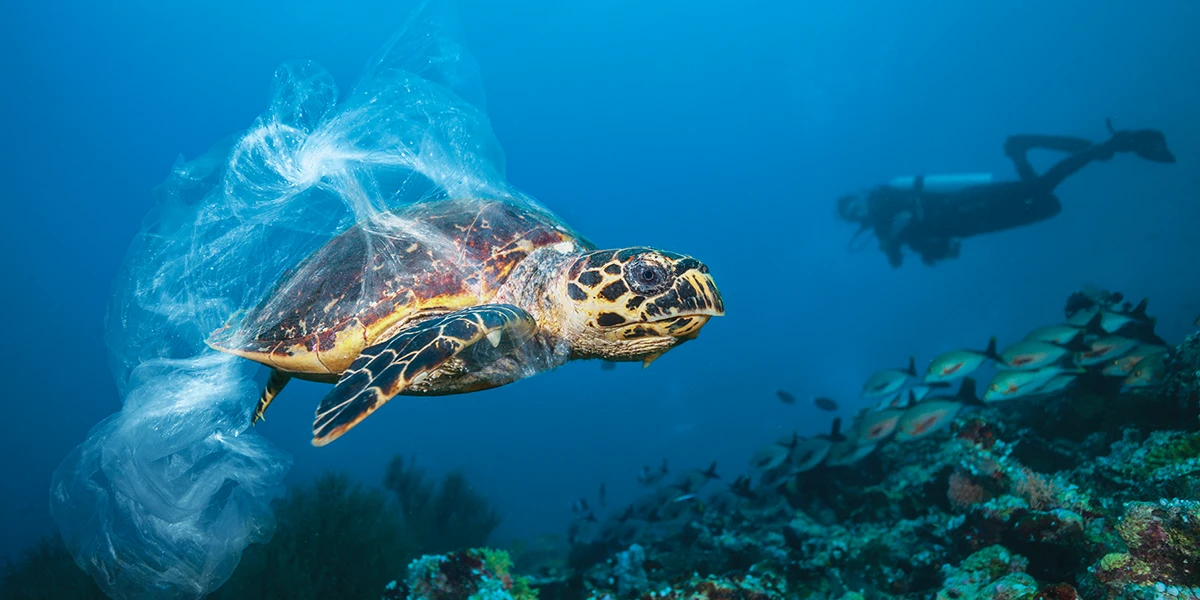
Hawksbill Turtles
The wreck of the USS Kittiwake in Grand Cayman is a crowd-pleaser of a dive. Now 15 years underwater, it lies on its side but is still easy to explore […]
The wreck of the USS Kittiwake in Grand Cayman is a crowd-pleaser of a dive. Now 15 years underwater, it lies on its side but is still easy to explore […]
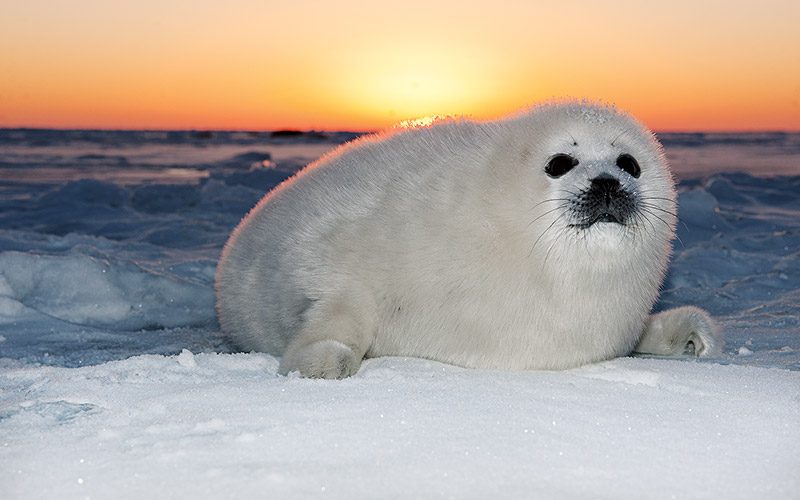
Harp seals are adorable sea critters, adapted perfectly for living in cold climates. Diving with them is a once-in-a-lifetime experience. Read more about one diver’s adventures with harp seals.
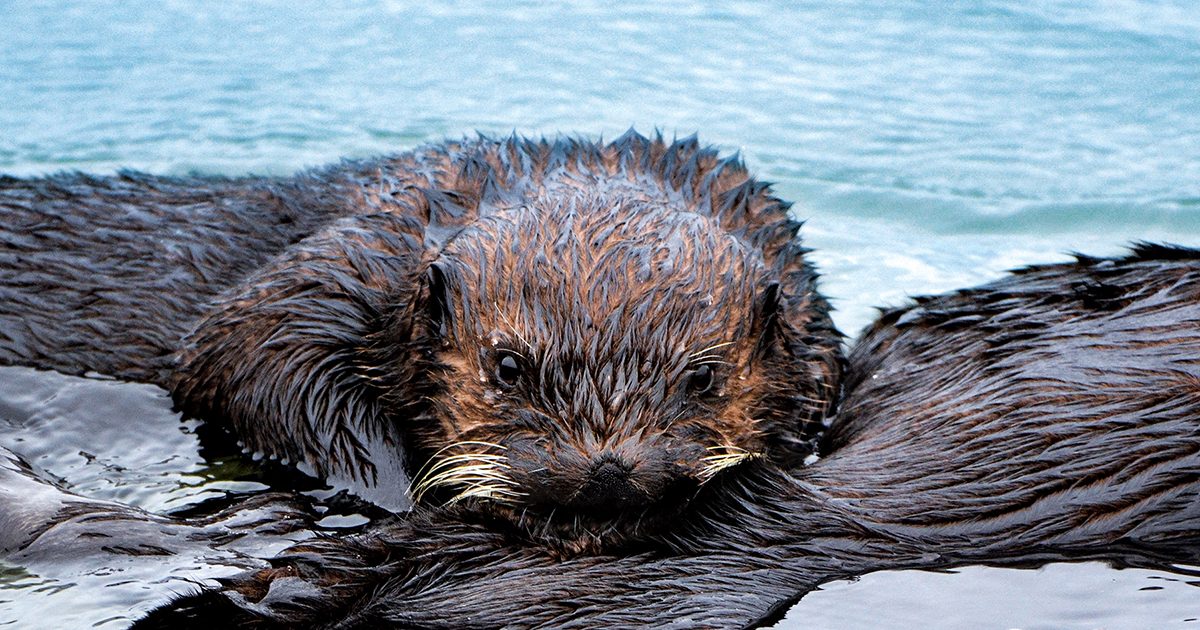
I WAS HOOKED THE FIRST TIME I saw a southern sea otter bobbing in the surf off the coast of California’s Big Sur. I didn’t know then that I would be as spellbound by these rare creatures decades later as I was at that very first sighting.
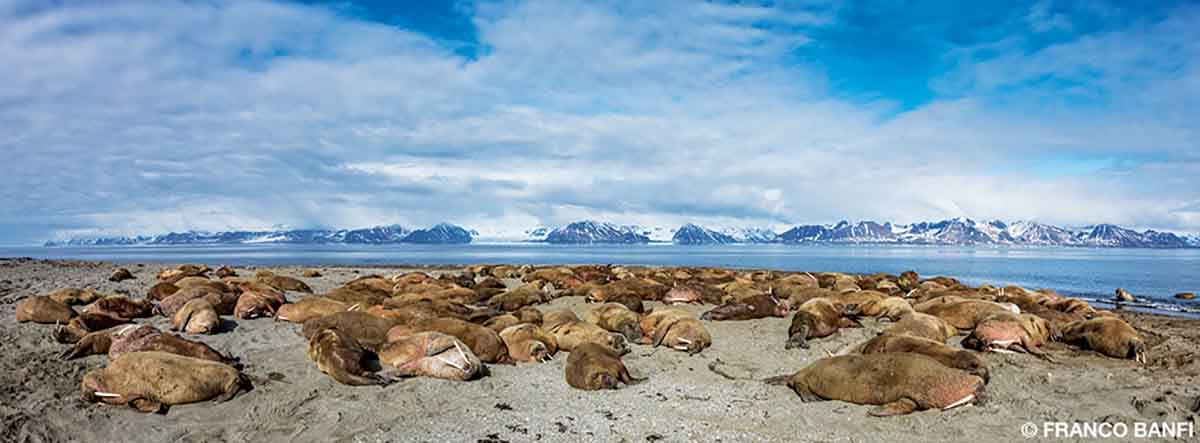
Weighing up to 3,000 pounds, walruses are among the largest pinnipeds. However, walruses and polar bears are threatened because of diminishing sea ice in the Arctic. Learn more about these pinnipeds.
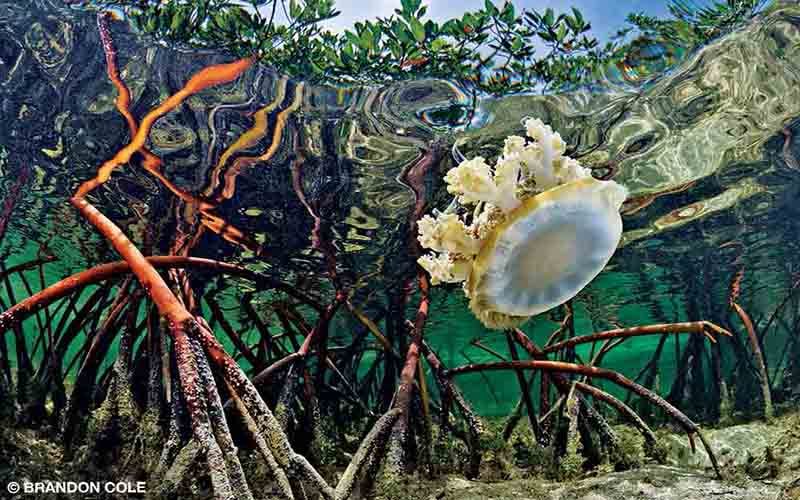
Jellyfish are fascinating creatures with very interesting life cycles. Jellyfish populations throughout the world can teach us a lot about climate change and changing environments. Learn more about jellyfish.
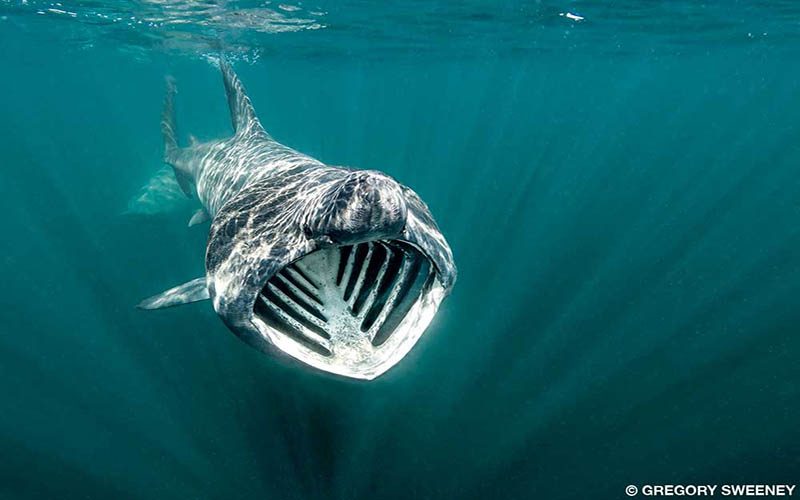
The basking shark is the world’s second-largest fish. They have large gaping mouths which are used to skim the plankton-rich surface of the water. Basking sharks are slow and populations have been declining.
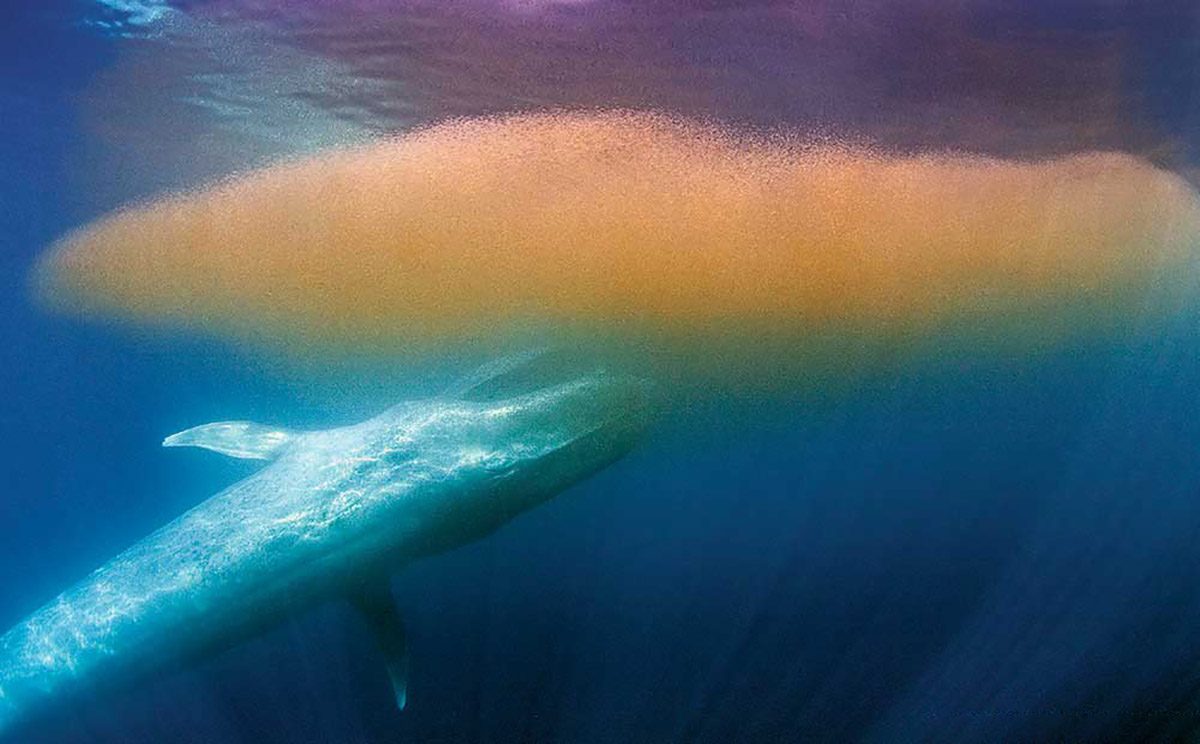
Krill are a critical food source for a host of animals, including birds, whales, seals, sharks, fish and squid. Like many other marine animals, the blue whale depends largely on krill for survival. Protecting krill populations will promote not only the survival of a huge variety of marine life but also preserve krill sightings.
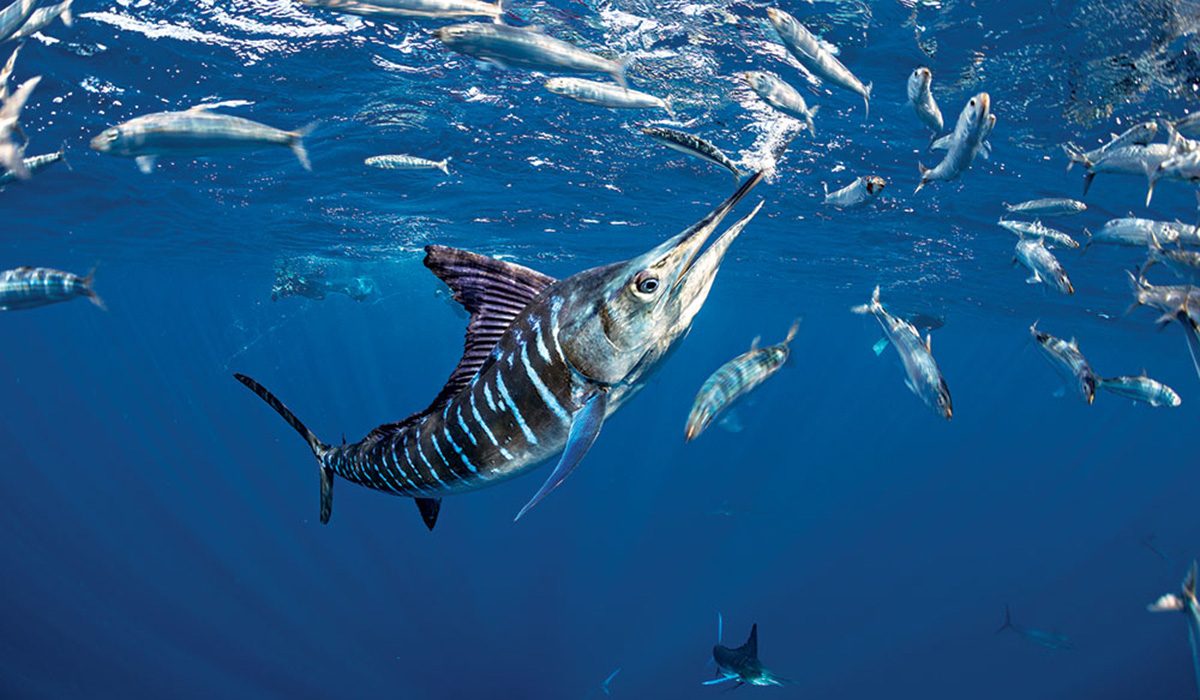
Striped marlin can swim thousands of miles and are found in vast tropical and subtropical oceans. They feed on fast-moving prey and are highly migratory.
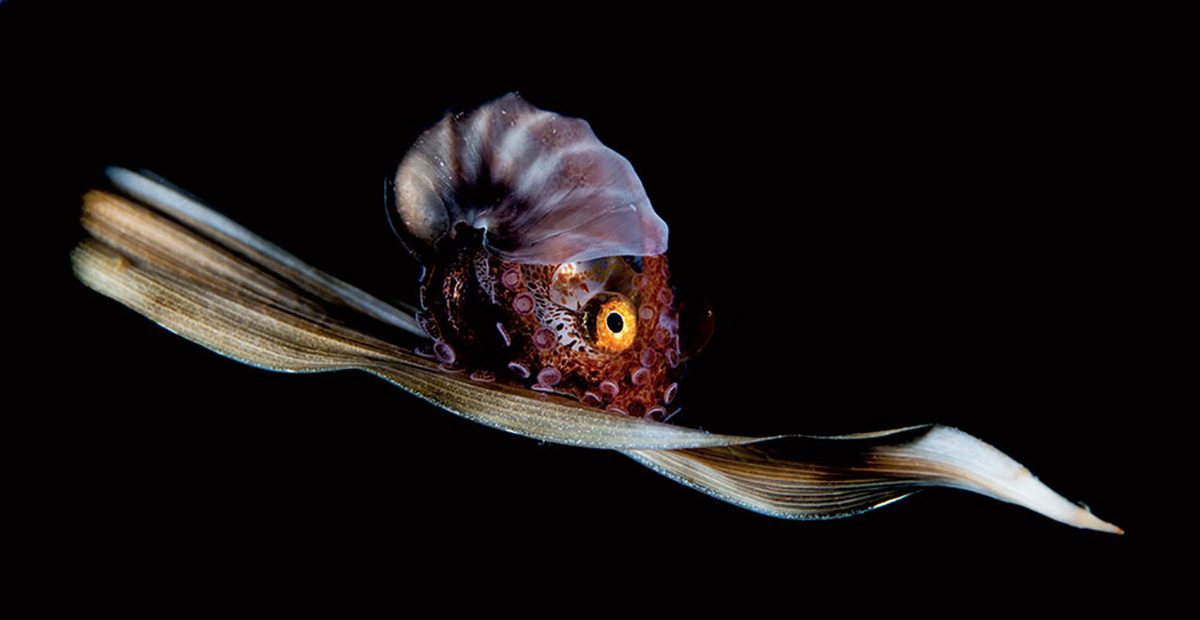
The paper nautilus is a pelagic octopus in the family Argonautidae. Researchers disagree about the number of distinct extant species. Nautiluses can quickly jet-propel themselves through the water, making it difficult to photograph them.
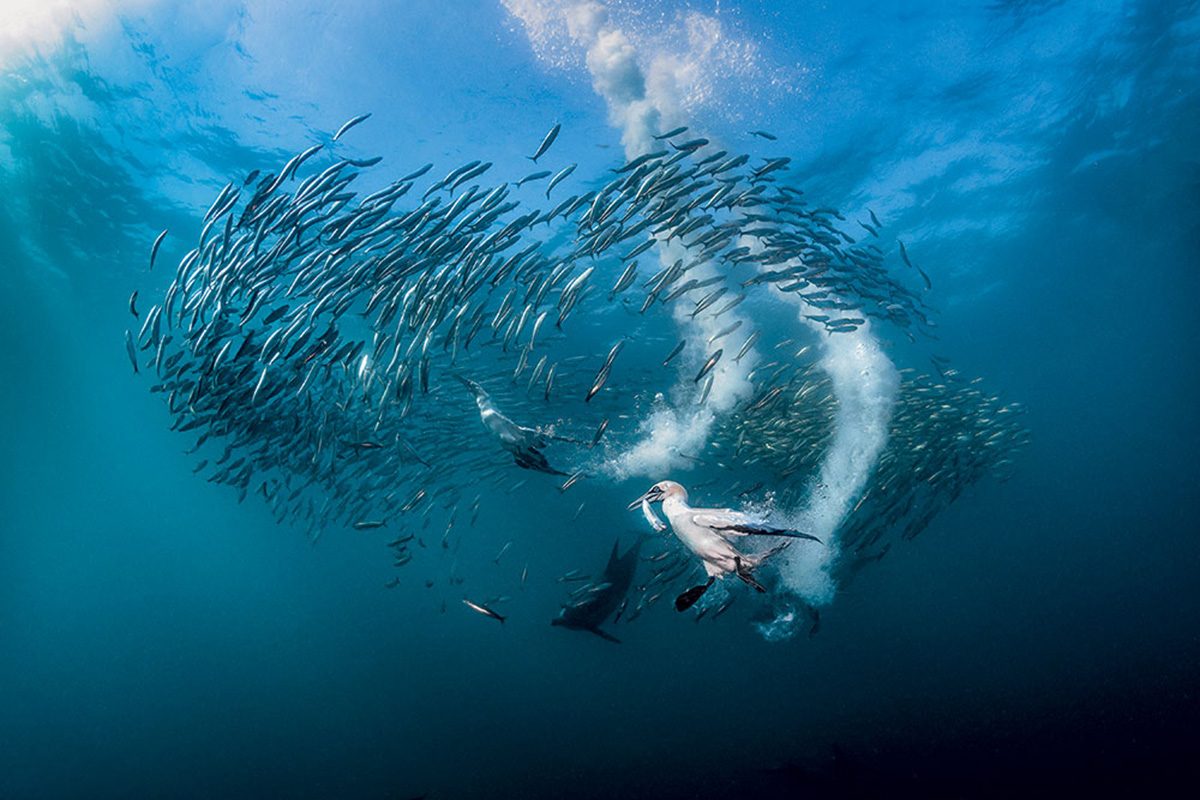
Flying and encircling birds often act as beacons to what underwater predators and creatures could be below. Learn a geographic location’s bird species to gain a better understanding of a locale’s marine life.