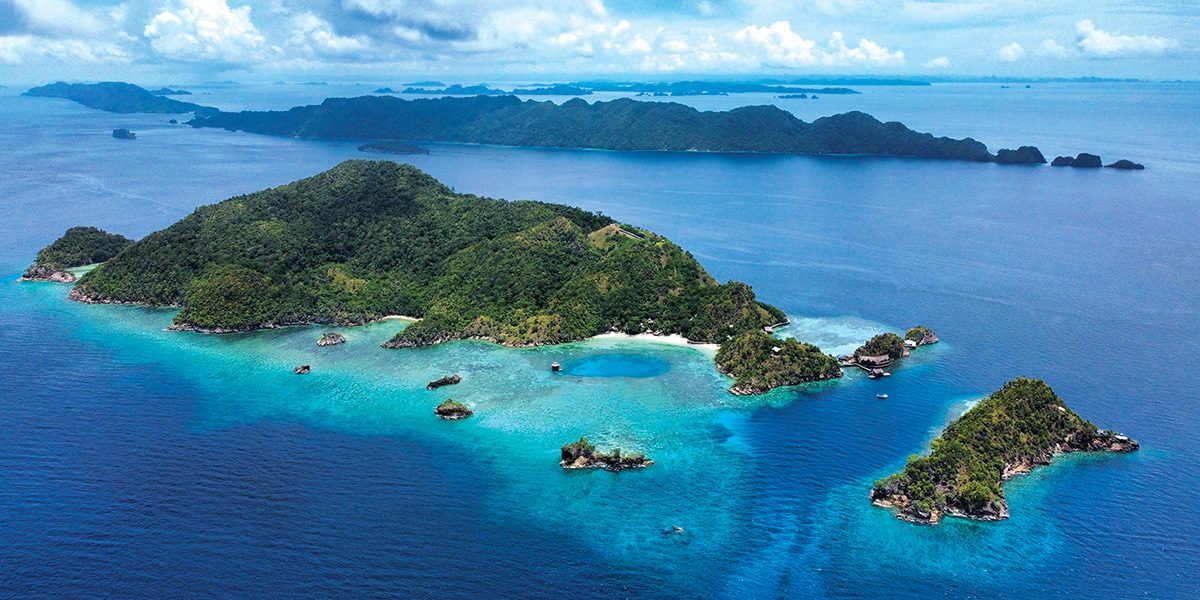
The spectacular ecosystem of Indonesia’s Raja Ampat offers ample opportunities for fish portraits and macro shots with a 100mm lens, but the broad expanses of pristine hard corals punctuated with colorful soft corals and sea fans made it difficult for me to forego using my wide-angle lens during a recent liveaboard trip.
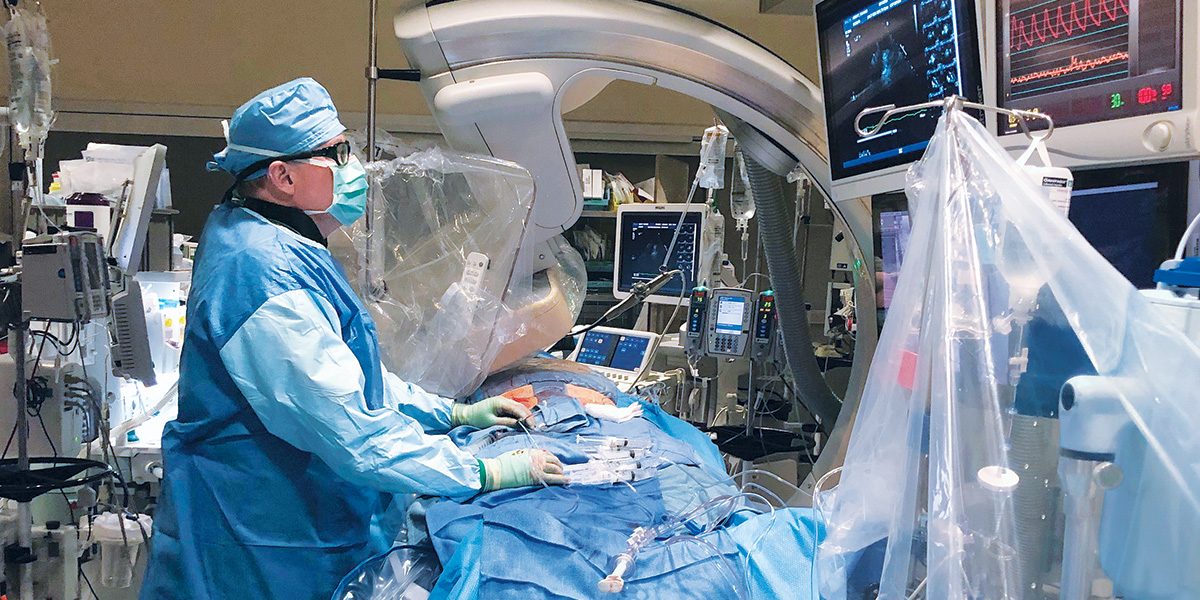
To clear up any confusion divers may have about patent foramen ovale (PFO), I will share how I explain the condition to patients.
Shallow coral heads are on both sides of the M’il Channel opening as we slow down to locate our mooring ball. The incoming tide brings clean, blue water into the lagoon, creating opportunities for encounters with one of Yap’s main attractions just a few feet below the surface.
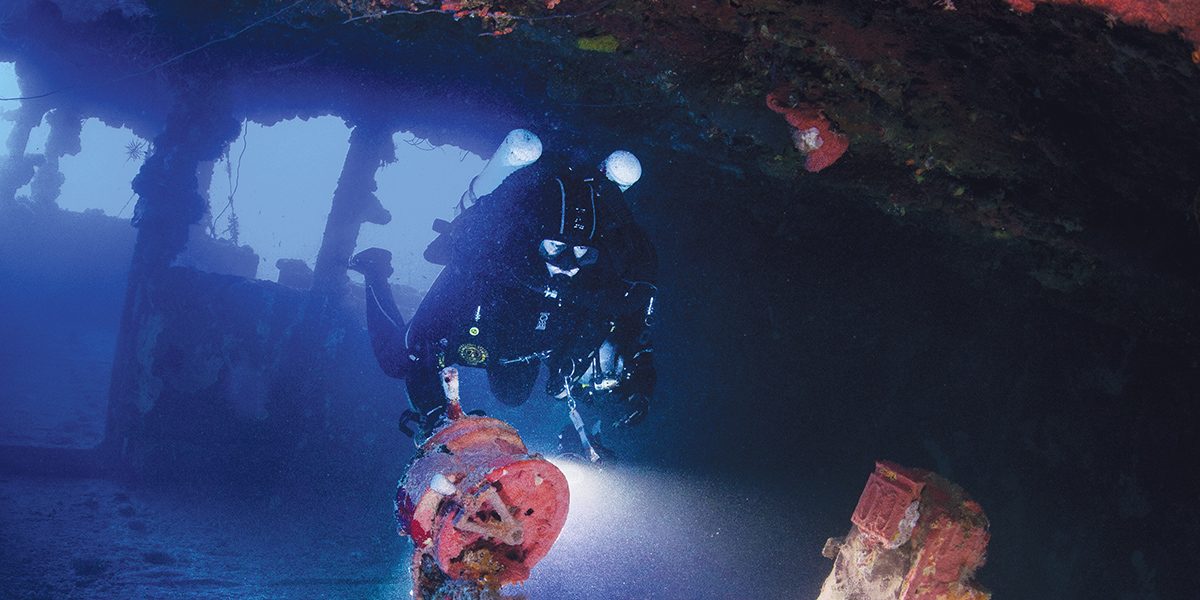
During a recent dive trip to Chuuk, I really wanted to see the San Francisco Maru wreck. I never imagined, however, that I would have a near-death experience immediately upon entering the water.
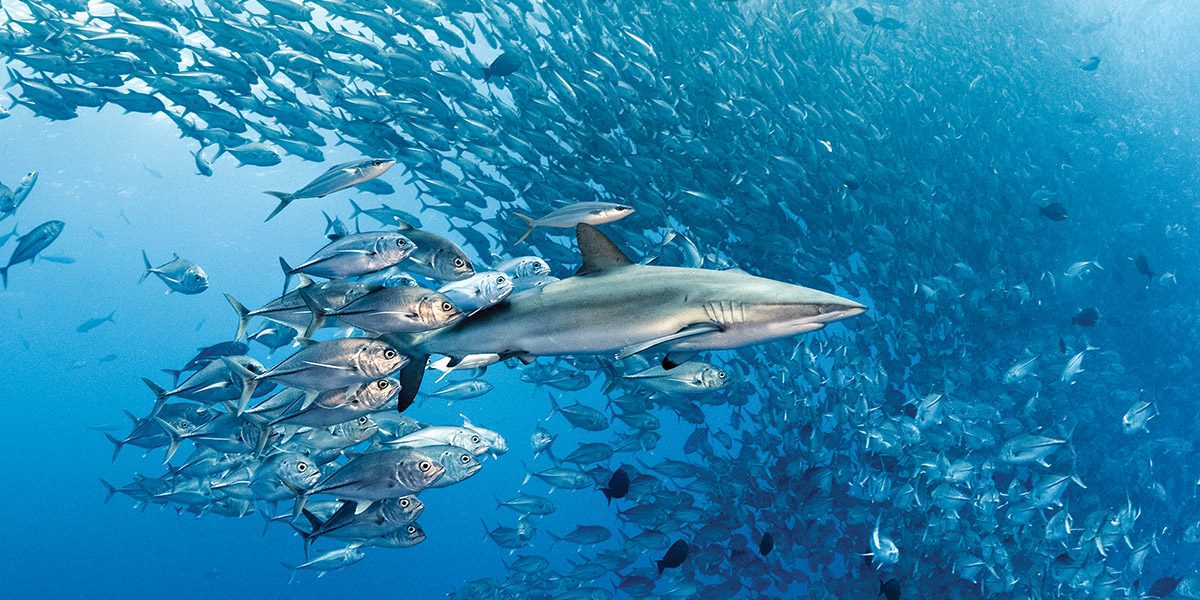
Most fans of big animal action are familiar with the legendary Galápagos, Cocos, and Socorro dive destinations. All are remote and remarkable. Far fewer people know of — let alone have dived — another open-ocean oasis in the eastern tropical Pacific region: Isla Malpelo.
Pieter-Jan van Ooij, MD, PhD, is the head of the Department of Research, Innovation, and Education at the Royal Netherlands Navy’s Diving Medical Centre (DMC).
Most divers’ love of the sport stems from a drive to explore a foreign environment. With exploration must come the ability to navigate. Nowhere else on Earth can one become more lost than in a liquid, while simultaneously requiring constant individual concentration on safety techniques, breathing gas, buoyancy, horizontal trim, depth, and time.