Diving with a Tracheostomy
A tracheostomy is a surgically created opening in the front of the neck that leads directly into the trachea to facilitate breathing by allowing air to reach the lungs.
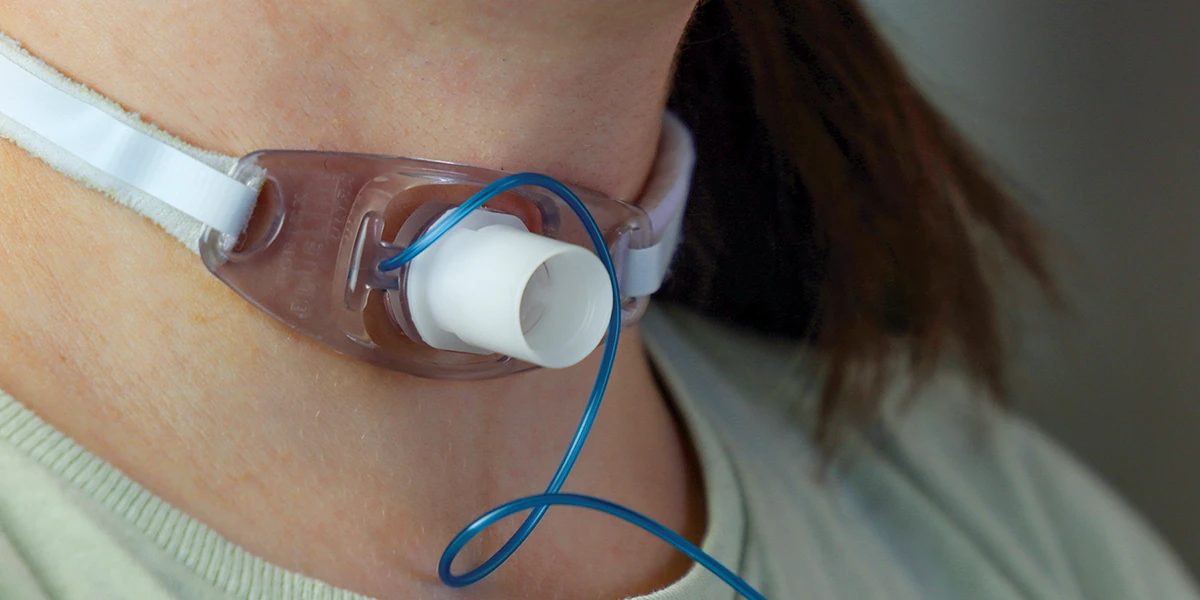
A tracheostomy is a surgically created opening in the front of the neck that leads directly into the trachea to facilitate breathing by allowing air to reach the lungs.
Dive professionals gathered in Labuan Bajo, Indonesia, in April as the 1,000th participant completed training under DAN’s One Thousand in One Thousand initiative, a multiyear effort to strengthen emergency preparedness throughout the country’s dive industry.

Jim has been a certified PADI diver for 50 years and is a certified open water instructor and an underwater photographer specializing in shark images.

Throughout my career, whether serving in military special operations, leading mission-driven organizations, or working alongside professionals in high-risk environments, I have often heard people say that safety is their goal.

I took a large group of divers to Fiji. We divided into four groups for diving, each with our own divemaster.
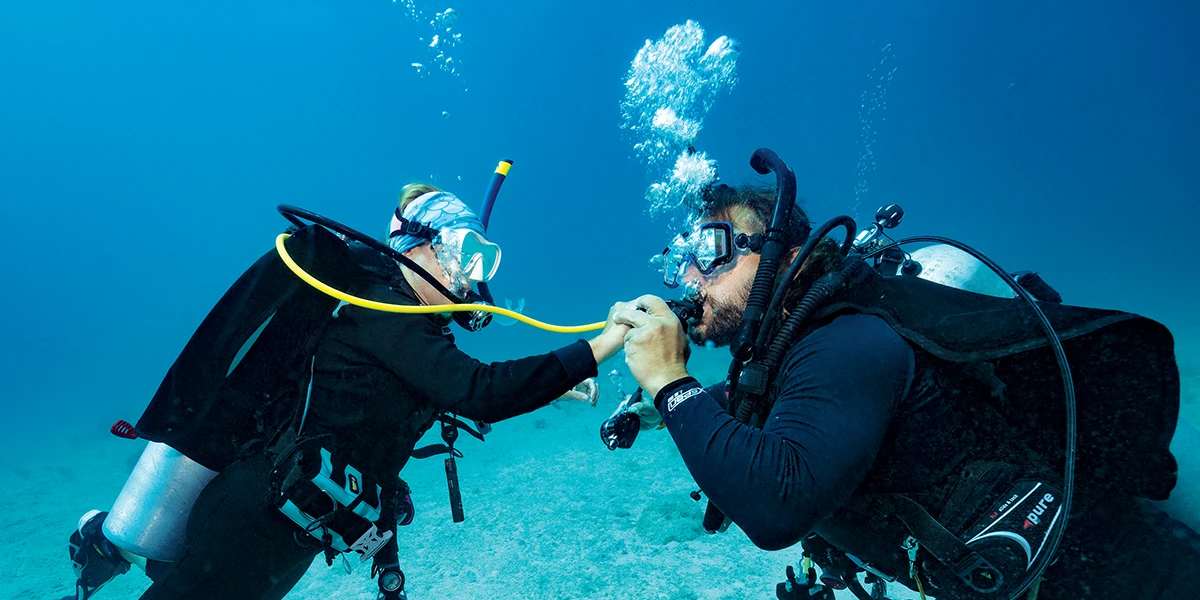
Southeast Asia undeniably has some of the best diving in the world. After many recent trips to Indonesia, however, I was ready to try a different dive destination.
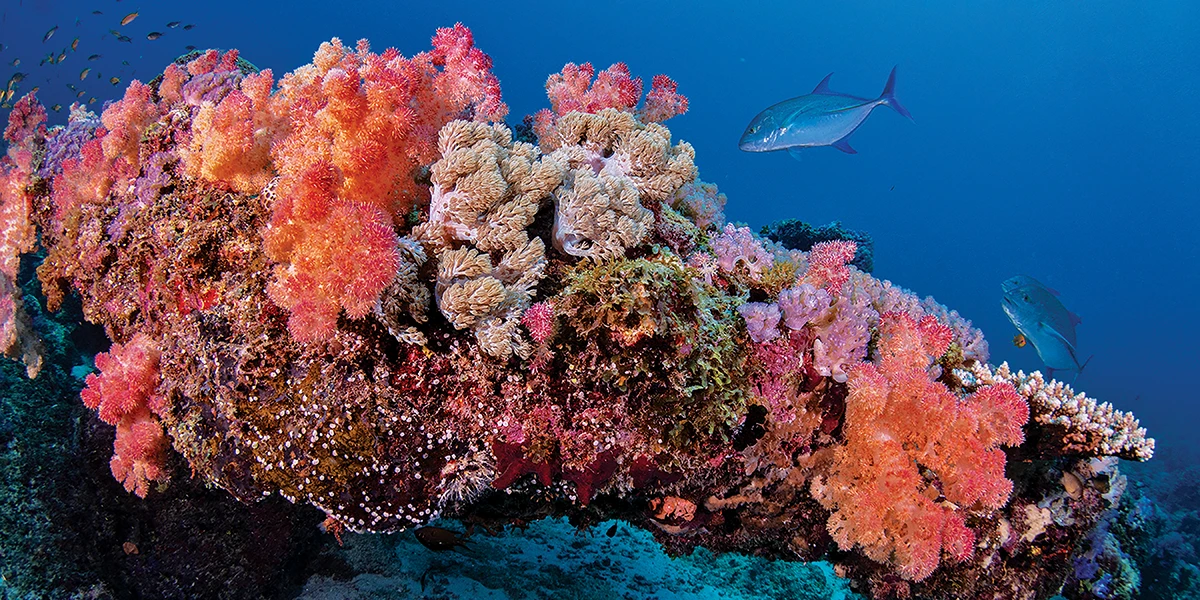
Most divers think about decompression STRESS primarily in terms of depth, bottom time, ascent rates, and safety stops.
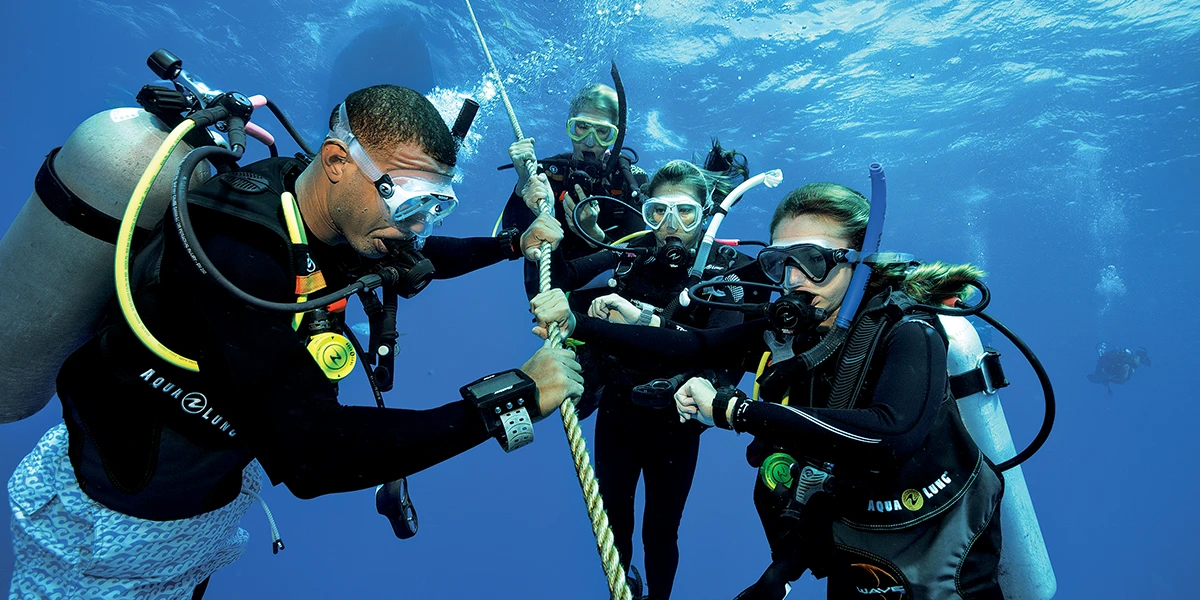
The question of whether a diver should rely on a drysuit for buoyancy control or treat it primarily as thermal protection while managing buoyancy with a buoyancy compensator device (BCD) remains one of coldwater diving’s more practical and seemingly never-ending debates.
The average age of a scuba diver in the U.S. is 42, with a median age of about 36 to 40.
Our objective was to reconnoiter the riverbank for clues that might help us locate the remains of two schooners reported to have been burned and sunk on June 13, 1862, during Confederate Gen. J.E.B. Stuart’s famous cavalry ride around Union Gen. George McClellan’s army.