DCS or Fin Foot?
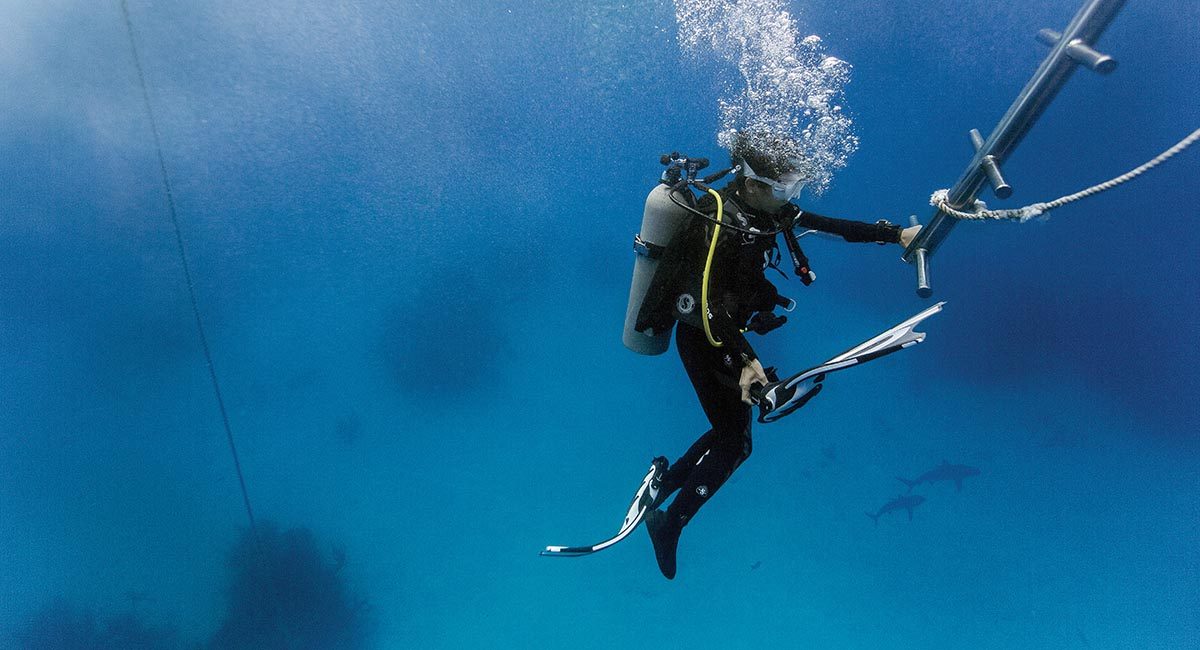
Fin foot is a common condition in which feet become swollen and sore after a dive. New divers, especially, are susceptible. Learn more about the condition and how to treat.
Divers Blog Post Type
Fin foot is a common condition in which feet become swollen and sore after a dive. New divers, especially, are susceptible. Learn more about the condition and how to treat.
Arrhythmias are conditions in which a heart beats irregularly, and they can pose serious health concerns. However, with guidance from a medical professional, divers may still be able to safely dive.

Many people with controlled diabetes can enjoy scuba diving. However, considerations need to be made to ensure diver safety and divers should understand their risks.

As a dive professional, you know that planning, preparation and careful decision-making are key risk management tools for preventing serious dive incidents and injuries during training. Because of this, the “worst” injuries most student divers face are often bumps and bruises that can be addressed quickly and easily.

Arterial gas embolism (AGE) is one of the most serious medical emergencies a diver may experience. Learning about the risks associated with AGE will help aid in prevention.
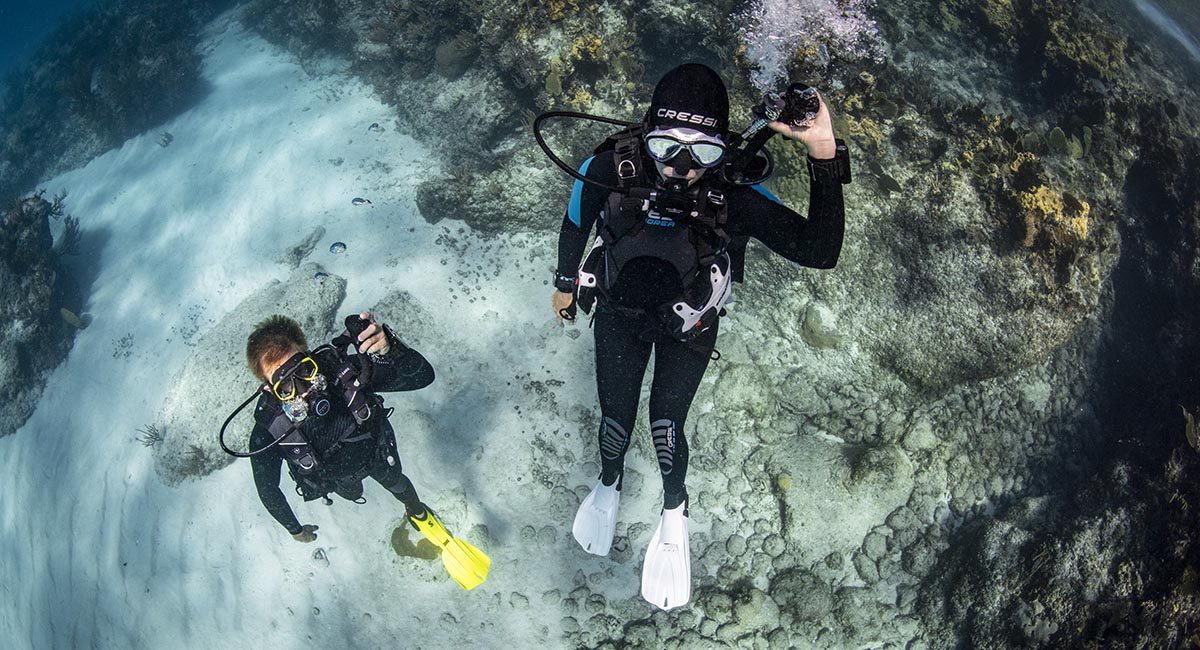
When you take the right precautions, you can protect yourself against microbes that could cause future infections or illnesses.

Everyone is susceptible to seasickness but there is no cure. However, there are ways to prevent and manage the condition.

The ocean is full of hazardous invertebrates that could cause serious injuries. Beware of fire corals, cone snails, jellyfish and other seemingly pretty creatures.
Do you know when to get checked by your doctor? This guide will give you the information you need to ensure you are fit to dive throughout the rest of your life.

Even below the water’s surface, you can still be impacted by the sun’s rays. Learn how to stay safe and cool in the summer heat.