MANAGING TRAVEL-RELATED ILLNESSES
MALARIA AND OTHER CONDITIONS

Malaria
Causing more deaths worldwide than any other infectious disease, malaria is the most serious infectious disease threat for anyone traveling to the tropics. It is found primarily in the world’s subtropical and tropical regions, where environmental conditions favor a stable, infected population of Anopheles mosquitoes. Malaria is prevalent in large areas of Central and South America, Mexico, Hispaniola, Haiti, the Dominican Republic, sub-Saharan Africa, the Middle East, the Indian subcontinent, South and Southeast Asia, and Oceania. The CDC reports that while major cities in Asia and South America are almost free from malaria, cities in Africa, India and Pakistan are not. There is usually less risk of malaria at altitudes above 4,900 feet (1,500 meters).
The serious health risk of malaria cannot be overemphasized. Preventive measures are essential and include both the avoidance of mosquito bites and the administration of prophylactic medication. The malaria parasite is a protozoan that is transmitted to humans by the bite of an infected female Anopheles mosquito, usually occurring between dusk and dawn.
Symptoms: Fever and flulike symptoms — including headache, muscle aches, chills, fatigue and possibly nausea, vomiting or diarrhea — usually appear within 10 days to four weeks after infection but can occasionally occur sooner or even up to a year later. If left untreated, the disease can become life-threatening.
Treatment: Despite the most stringent preventive measures, it is still possible to contract malaria. The symptoms may not develop until long after your trip, so continue prophylaxis for four weeks following your return home. If you develop flulike symptoms such as chills, fever and headache during a trip to a malarious area or within several months after your last exposure, immediately seek medical attention. It is essential to mention your possible exposure to malaria. The appropriate treatment, usually an antimalaria drug, will depend on several factors, including the severity of your symptoms and the malaria parasite strain causing your disease.
Prevention: Personal protection is the best way to prevent malaria and other insect-transmitted diseases. Stay in well-screened areas when you are indoors, wear clothes that cover most of your body including the feet and ankles when you are outdoors, and use mosquito nets when you are sleeping. You should also use insecticides and repellents on your clothing, tents and nets as well as personal repellents containing at least 30 percent DEET; concentrations above 30 percent, however, do not add significantly to its protective effect or duration. Standard preparations last about four hours, but longer-acting preparations are available. Picaridin is an effective alternative.
Travelers to malarious areas should also take prophylactic prescription drugs. Dosage recommendations may vary depending on the drug susceptibilities of local malaria strains. Most medications used for prophylaxis are safe and well-tolerated, but some severe side effects and toxic reactions may occasionally occur as with any drug. The severity of malaria, however, justifies any temporary mild side effects.
Considerations for divers: The prophylactic antimalarial drug mefloquine (Lariam) occasionally causes side effects that mimic symptoms of decompression sickness. Some countries prohibit diving by individuals taking mefloquine, so ask your physician about possible drug substitutions.
If a diver traveling to an area with a high risk of malaria cannot take any prophylactic antimalarial medication due to side effects, the trip should be canceled. The risk is too high that the diver may contract malaria and even die because of the lack of appropriate prophylaxis.
Other Conditions
Amebiasis: The most common symptom of amebiasis is diarrhea, which may become painful and bloody. Caused by the protozoan Entamoeba histolytica that is found in areas with poor sanitary conditions, the disease is transmitted by person-to-person contact through the fecal-oral route or by ingesting contaminated food or water. There is no vaccine, making safe food and water practices key to preventing the disease. Obtain treatment from a specialist in infectious diseases or tropical medicine.
Cholera: A bacterial disease, cholera is transmitted through eating food or drinking water contaminated with Vibrio cholerae. Modern sanitation practices have drastically reduced its incidence in most parts of the world. Some countries still require cholera vaccination, but it is not medically justified because travelers rarely develop cholera, even in endemic areas (there are only two cholera cases for every 1 million travelers to endemic areas). The vaccine is no longer available in the U.S., but there are two manufacturers of oral cholera vaccines in other countries. Both variants require two doses and an interval of two to four weeks for immunity to develop. The vaccines offer insufficient protection, however, and should not replace standard protective measures such as regular handwashing, good sanitation practices, and safe food and water practices.
Giardiasis: People who eat and drink in areas with poor sanitation are at increased risk of this parasitic disease caused by Giardia intestinalis. Symptoms — which include diarrhea, abdominal cramps, bloating, fatigue, weight loss, flatulence, anorexia and nausea — usually occur one to two weeks after ingestion and last more than five days. There is no vaccine or prophylaxis, so safe food and water practices are key to preventing the disease. Consult a specialist in infectious diseases or tropical medicine for treatment.
Hepatitis A: This highly contagious liver disease is transmitted via contaminated food and water. It is a global problem: The most luxurious resort in a major nation or the most humble dwelling in an impoverished country can harbor the hepatitis A virus, although it is more prevalent in poor sanitation areas. Routine vaccination against hep A, typically in a two-dose series, is recommended in the U.S. and other developed nations. Indigenous populations in undeveloped countries are most likely to acquire hep A; such infections generally occur early in life and then persist as a chronic condition with few clinical manifestations. If an adult traveler from a developed nation contracts the disease, however, serious complications can occur. The CDC suggests that travelers to areas with high rates of hep A consider getting revaccinated. Complete immunity develops two to four weeks after the vaccine is administered, so individuals traveling sooner should also consider getting a preventive dose of immune globulin at a different injection site. A blood test that screens for antibodies to the hep A virus is available; a positive result can prevent unnecessary reimmunization or prophylaxis.
Hepatitis B: This form of hepatitis, which is also a viral liver disease, is transmitted by contact with infected blood or blood-derived fluids. An effective hep B vaccine is available and is administered routinely in the U.S. and other developed nations, typically in a three-dose series. The CDC suggests revaccination for travelers to areas with high rates of hep B as well as for those who might have close personal or sexual contact with an infected individual or who might receive a blood transfusion, share hypodermic needles (or anything else that breaks the skin, such as acupuncture needles), get a tattoo or piercing, or come in contact with unsterilized surgical or dental instruments in an area where the disease is endemic.
Hepatitis C: Like hep B, hepatitis C is also a viral liver disease that is transmitted by contact with infected blood or blood-derived fluids. Symptoms are usually mild or nonexistent, but no vaccine is available. The risk to travelers is low in general, but people visiting areas where the disease is endemic should avoid close personal or sexual contact with individuals who might be infected and refrain from receiving blood transfusions, sharing hypodermic needles (or anything else that breaks the skin, such as acupuncture needles), getting a tattoo or piercing, or coming in contact with unsterilized surgical or dental instruments.
Hepatitis E: Another viral liver disease, hepatitis E is transmitted by the fecal-oral route, mainly through contaminated drinking water but in some cases through undercooked meat. It can be distinguished from other forms of hepatitis by a blood test. There is no vaccine. The best prevention is to follow safe food and water practices in endemic areas.
Japanese encephalitis: This mosquito-borne disease is relatively rare and mostly confined to Southeast Asia. A vaccine is available in the United States but should be considered only for individuals visiting high-risk areas for 30 days or longer.
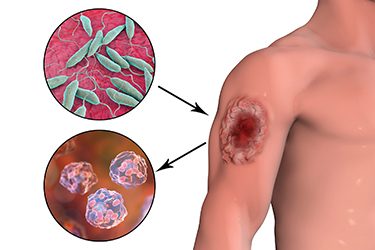
Leishmaniasis: This parasitic disease is transmitted by the bite of phlebotomine sand flies. The skin form of leishmaniasis is characterized by open or closed sores that develop weeks to months after the bite. The disease’s visceral form affects the internal organs and is characterized by fever, anemia and enlargement of the liver and spleen; these symptoms develop months to years after the bite. Individuals at greatest risk are those who engage in outdoor activities at night in endemic areas. High-risk areas are Bangladesh, Brazil, India and Nepal. Cases have also been reported from northern Argentina to southern Texas, northern Asia, the Middle East, and eastern and northern Africa. Preventive measures include wearing long-sleeved clothing, using insect repellents (preferably containing DEET) on the skin, using permethrin-containing insecticides on clothing and avoiding outdoor activities at night when sand flies are active. There is no vaccine; the disease requires treatment from a specialist in tropical diseases.
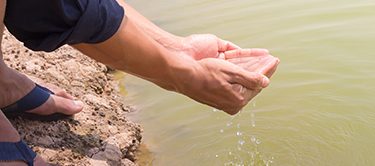
Leptospirosis: Caused by a bacterium in the Leptospira genus, leptospirosis affects humans and wild and domestic animals. Animals excrete the bacterium in their urine and feces, contaminating the soil and water. Humans acquire the disease through contact with infected soil or water or with the body fluids of an infected animal. Symptoms of leptospirosis are similar to those of other tropical diseases and include fever, chills, myalgia (muscle pain), nausea, diarrhea, cough and conjunctival suffusion (redness of the membrane covering the eye). If untreated, the disease may result in kidney or liver failure or other serious complications. Leptospirosis is found worldwide but has a higher incidence in tropical climates. Travelers who engage in water sports in endemic areas are at increased risk, especially during flooding periods. There is no vaccine. The CDC recommends that travelers who plan to engage in water sports in tropical or subtropical area consider taking 200 milligrams a week of the antibiotic doxycycline as a preventive measure beginning one to two days before the expected exposure.
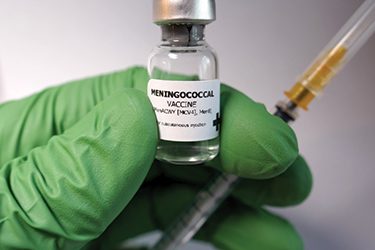
Meningococcal meningitis: Caused by either a bacterium or a virus, this inflammation of the membranes around the brain and spinal cord can be fatal. Spread via saliva and other oral secretions, meningococcal meningitis is rare in the U.S. but endemic in certain regions, especially in the meningitis belt of sub-Saharan Africa, stretching from Senegal in the west to Ethiopia in the east. Symptoms include sudden high fever, a severe and persistent headache, a stiff neck, nausea or vomiting, sensitivity to light, drowsiness, joint pain and confusion. A vaccine that confers some protection against several forms of meningococcal disease is recommended in the U.S. and other developed nations. The World Health Organization issues a weekly bulletin on the incidence of meningitis in endemic areas.
Rabies: Rabies is a viral disease transmitted by the bite of or contact with the saliva of an infected animal — often a bat, raccoon, skunk, fox or other wild animal. In humans, rabies is rare in the U.S. but prevalent in developing countries, where dogs and wild animals often transmit the disease. The virus infects the central nervous system, and untreated rabies is almost always fatal. Infection can be prevented by administration of the rabies vaccine immediately after exposure to a rabid animal. The vaccine is not recommended for routine, preexposure administration but should be considered by anyone who may come into contact with possibly rabid animals or who is traveling in endemic areas, including Africa, Asia or Central and South America. Regardless of your vaccination status, immediately seek medical advice if you have contact with a possibly rabid animal.
Schistosomiasis: Also known as bilharzia or snail fever, the disease is found in rural tropical and subtropical areas, including in the Middle East, Africa, eastern South America (especially Amazonia and Pantanal), Southeast Asia (including Philippines) and parts of the Caribbean (including Puerto Rico and St. Lucia). The Schistosoma parasite has a life cycle that relies on a freshwater snail. If you bathe in or drink fresh water that harbors an infected snail, you may encounter larvae that could penetrate your skin. Schistosomiasis can have serious consequences, including liver and bladder damage. Chlorinated water and salt water are usually safe for swimming. Reduce or eliminate the risk of infection by swimming, bathing in or drinking water that has been chemically treated, that has been allowed to stand for more than 48 hours or that has been heated to 122°F (50°C) for more than five minutes.
Smallpox: A sometimes fatal viral disease, smallpox was declared eradicated worldwide in 1980 by the World Health Assembly following a concerted global vaccination effort. It is the only infectious disease ever eradicated by vaccines. As a result, vaccination is no longer required or available.
Tuberculosis: A bacterial disease, tuberculosis (TB) usually manifests in the lungs and can be fatal if untreated. Mycobacterium tuberculosis spreads through the air, usually as a result of an infected person coughing or sneezing. The disease’s airborne transmission makes it a risk, especially in developing countries. The Bacille Calmette-Guérin (BCG) vaccine for TB is not widely used in the U.S., but it is often given to infants and small children in endemic countries to minimize the risk of the most serious forms of TB. BCG vaccination could be considered on an individual basis for those who travel to endemic regions such as Africa, South America and Asia and will be heavily exposed to at-risk populations. The purified protein derivative (PPD) tuberculin skin test can determine if an individual has been infected with tuberculosis. A PPD may be required before a trip to certain regions, with a repeat test about 12 weeks following the trip if the first test was negative. If a positive post-trip test follows a negative pretrip test, preventive treatment may be indicated. If a pretrip test is positive, reinfection is unlikely. An immunity impairment such as HIV-positive status can affect the PPD test results, so be sure to inform your physician of any such condition.
Typhoid fever: Though rare in the U.S., this life-threatening bacterial illness is still endemic in many areas of the world. It is predominantly a disease of school-age children and a major public health problem. Symptoms include sustained fever, stomach pain, headache or loss of appetite. The disease can usually be treated with antibiotics. Travelers are unlikely to contract typhoid fever, but anyone who will be exposed to potentially contaminated food or water in rural or undeveloped areas — especially in Africa, Asia or Latin America — should consider getting vaccinated. Three typhoid vaccines are currently available: one oral and two by injection. They confer protection in only 50 percent to 80 percent of recipients, however, so travelers should follow safe food and water practices.
Yellow fever: This mosquito-borne viral illness is potentially fatal, and there is no known treatment other than rest and good hydration. A vaccine is available and is advised for anyone visiting an endemic area, including parts of South America and Africa. Visiting some countries in the endemic zone requires a yellow fever vaccination certificate called a “yellow card.” Some countries outside the endemic zone require a yellow card from anyone traveling from that zone. Preventing mosquito bites is important in the endemic zone.
Avoiding Mosquito Bites
- Stay in screened areas when indoors, especially from dusk to dawn.
- Sleep under mosquito netting.
- When outdoors, wear clothing that covers most of your body, including the feet and ankles.
- Use the insect repellent DEET (N,N-diethyl-meta-toluamide) on yourself and the insecticide permethrin on your clothing and mosquito nets.
Leishmaniasis
Meningococcal Vaccine
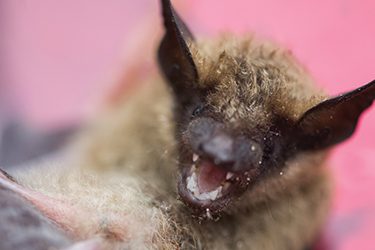
Regardless of your vaccination status, immediately seek medical advice if you have contact with a possibly rabid animal.
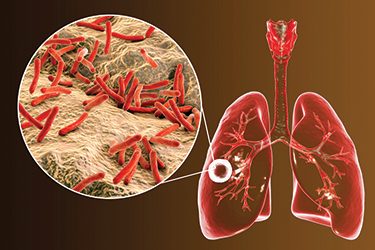
Mycobacterium tuberculosis spreads through the air, usually as a result of an infected person coughing or sneezing. The disease’s airborne transmission makes it a risk, especially in developing countries.

Visiting some countries in the endemic zone requires a yellow fever vaccination certificate called a “yellow card.”
DAN Customer Service
Mon–Fri, 8:30 a.m. – 5 p.m. ET
+1 (919) 684-2948
+1 (800) 446-2671
Fax: +1 (919) 490-6630
Email: Member@DAN.org
24/7 Emergency Hotline
In event of a dive accident or injury, call local EMS first, then call DAN.
24/7 Emergency Hotline:
+1 (919) 684-9111
(Collect calls accepted)
DAN must arrange transportation for covered emergency medical evacuation fees to be paid.
Medical Information Line
Get answers to your nonemergency health and diving questions.
Mon–Fri, 8:30 a.m. – 5 p.m. ET
+1 (919) 684-2948, Option 4
Online: Ask A Medic
(Allow 24-48 hours for a response.)