sexually transmitted diseases
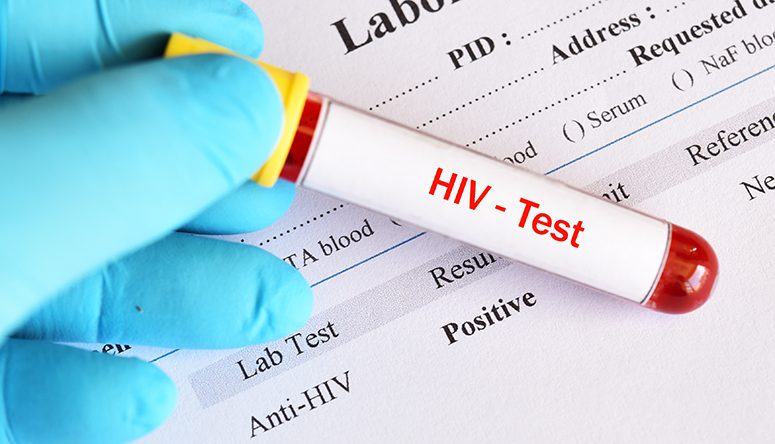
Travelers who practice high-risk sexual behaviors should be aware of their likelihood of encountering sexually transmitted diseases (STDs). This likelihood may be much higher in certain countries than in others.
AIDS is the most serious of those STDs. Currently, 147 countries report to the Joint United Nations Program on HIV/AIDS (UNAIDS) about their progress in combating HIV/AIDS. Statistics from 2020 show that about 38 million people worldwide were infected with HIV; new cases continue to be reported worldwide, with 67 percent of them in sub-Saharan Africa. The worldwide prevalence rate is less than 1 percent, but the rate is more than 6 percent in Eastern and Southern Africa and 27 percent in Eswatini. In 2020 women and girls accounted for about 50 percent of all new HIV infections and for 63 percent of all new HIV infections in sub-Saharan Africa. More than one-third of women worldwide have experienced physical and/or sexual violence at some time in their lives. The wide availability of effective antiretroviral therapy has helped keep AIDS deaths comparatively low in recent years. In 2020 about 690,000 people worldwide died from AIDS-related illnesses, compared with 1.7 million in 2004 and 1.1 million in 2010.43
Several other sexually transmitted diseases — including hepatitis B, syphilis, chlamydia and gonorrhea — are also widespread. Travelers are advised to be aware of the risks of these diseases. Treatment is frequently complicated by antibiotic resistance on the part of the organisms involved or the lack of effective treatment. Prevention is the best strategy. Other than abstinence, the most effective prophylactic measure is the conscientious use of condoms.
Some diseases that are often transmitted through sexual contact can also be acquired by other means, such as contact with contaminated needles. In developing regions, the equipment used for tattooing, piercing, acupuncture and other procedures that involve breaking the skin may not be subject to the same health regulations as in developed nations. If you partake of such activities in a developing region, ensure that any needles and other instruments used are in single-use, disposable, sterile packaging. If there is any question about sterility, avoid these activities.

In developing regions, the equipment used for tattooing, piercing, acupuncture and other procedures that involve breaking the skin may not be subject to the same health regulations as in developed nations.
Prevention is the best strategy.
DAN Customer Service
Mon–Fri, 8:30 a.m. – 5 p.m. ET
+1 (919) 684-2948
+1 (800) 446-2671
Fax: +1 (919) 490-6630
Email: Member@DAN.org
24/7 Emergency Hotline
In event of a dive accident or injury, call local EMS first, then call DAN.
24/7 Emergency Hotline:
+1 (919) 684-9111
(Collect calls accepted)
DAN must arrange transportation for covered emergency medical evacuation fees to be paid.
Medical Information Line
Get answers to your nonemergency health and diving questions.
Mon–Fri, 8:30 a.m. – 5 p.m. ET
+1 (919) 684-2948, Option 4
Online: Ask A Medic
(Allow 24-48 hours for a response.)