Safe breathing gas is a diver’s lifeline underwater, and contamination can be life-threatening or cause serious injury. Contaminants can come from several sources, making it important to understand how contamination occurs, how to recognize warning signs, and what to do if contamination is suspected.
How Contamination Happens
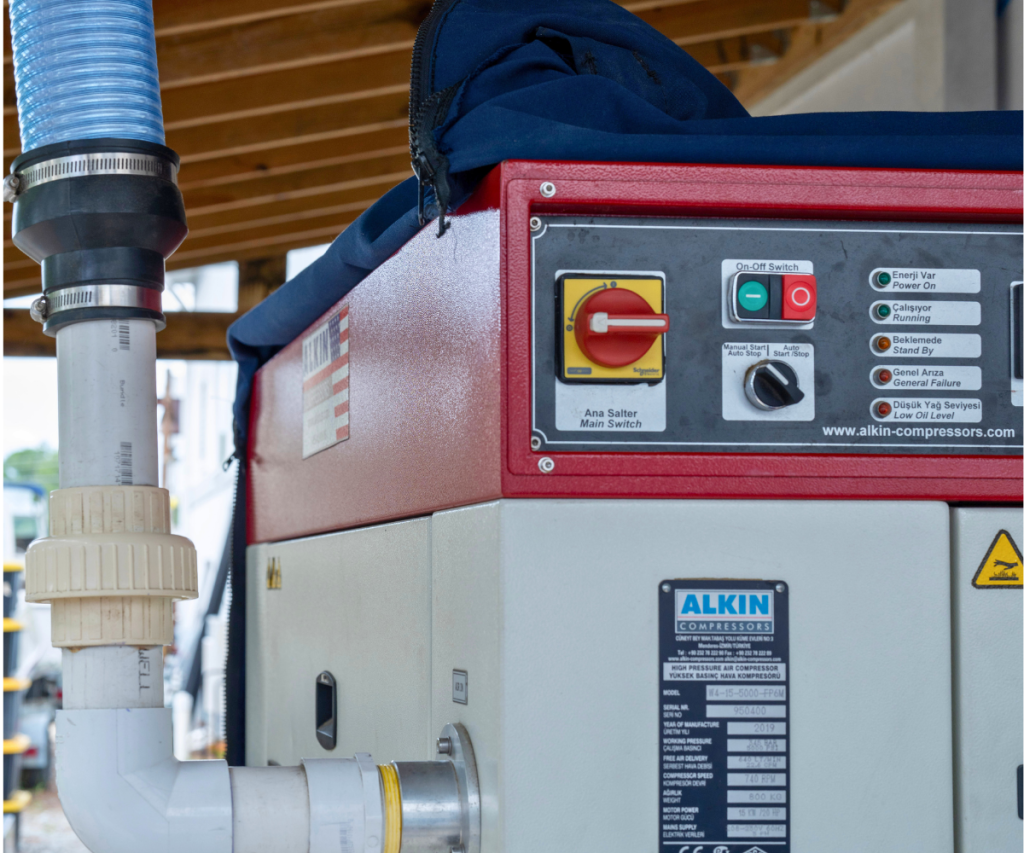
Breathing gas is compressed into cylinders by a compressor. While compressor systems vary, each has an intake valve that draws in ambient air before compression. Compressors also have filtration systems that remove contaminants, but filters degrade over time and require replacement.
Reputable filling operations should follow safe filling procedures, conduct regular air quality testing, and perform routine compressor maintenance. However, maintenance issues, environmental conditions, equipment failures, procedural lapses, and other unforeseen problems leave room for contaminants to enter breathing gas cylinders.
Potential sources of contamination come from impurities in the surrounding environment, such as engine exhaust, carbon dioxide, or dust particles, or from byproducts of the compression process, such as carbon monoxide (CO) or hydrocarbons from compressor lubricants.
Contamination sources depend partly on where the compressor intake valve is located. For outdoor intakes, possible sources can include vehicle exhaust, smoke, organic material/debris, dirt, and any combustion sources. For indoor intakes, possible sources can include paint fumes, recent renovations, cleaning products, stored chemicals, poor ventilation, or other airborne contaminants.
Contaminants and Symptoms
Symptoms of breathing gas contamination can be vague and may resemble other illnesses or diving-related conditions. If you suspect exposure to contaminated breathing gas, seek medical evaluation and, when possible, have the gas analyzed.
| CONTAMINANT / SYMPTOMS CHART | |
|---|---|
| Carbon Monoxide (CO) | Headache, dizziness, weakness, nausea, vomiting, shortness of breath, impaired judgement, confusion, unconsciousness. |
| Carbon Dioxide (CO2) | Hyperventilation, dizziness, confusion, unconsciousness. |
| Volatile Hydrocarbons | Fatigue, headache, confusion, impaired judgement, numbness, cardiac arrhythmias, loss of consciousness. |
| Oil (Condensed) | Headache, nausea, impaired respiratory function. |
| Dust (Particles) | Impaired respiratory function. |
CO is particularly dangerous because it is odorless, colorless, and tasteless. Without a testing instrument, CO can be difficult to identify before symptoms occur. CO detection devices include disposable early-warning devices and dedicated analyzers. Other contaminants may give breathing gas a distinct smell or taste, but the absence of odor or taste does not rule out contamination.
How to Identify Gas Quality Issues
Conduct a Predive Gas Check
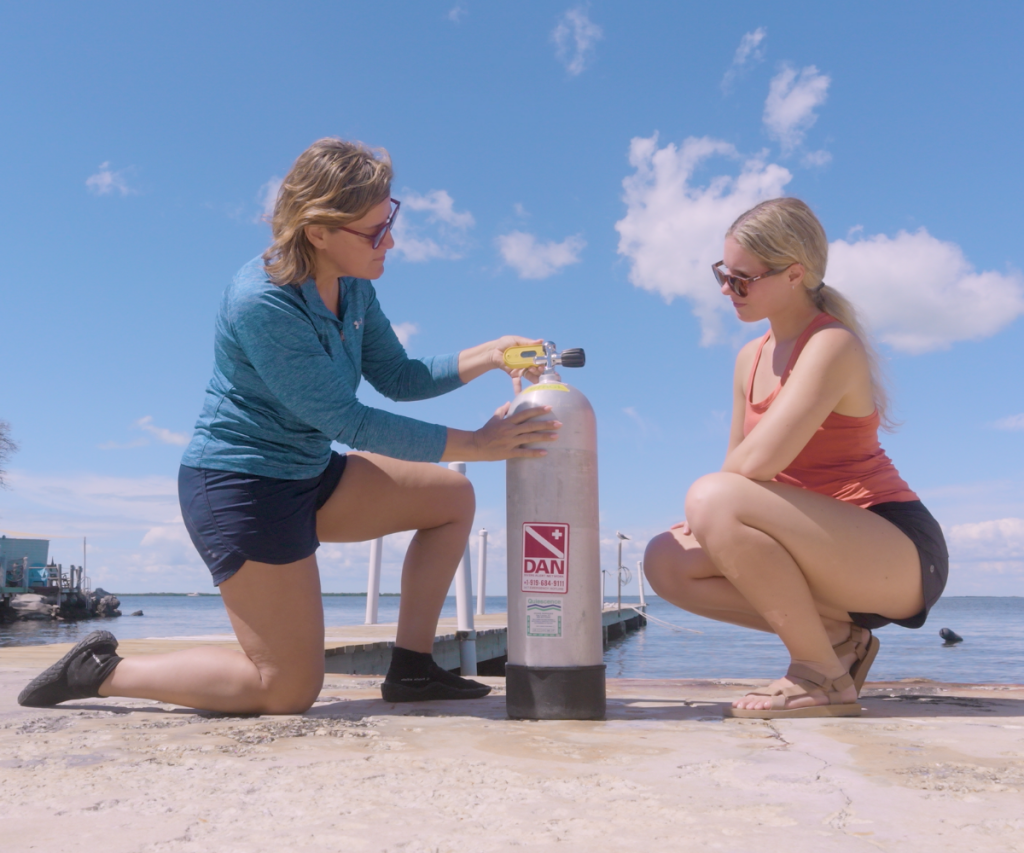
Conducting a predive gas check on every cylinder can provide an early warning sign of a potential problem. This check should include smelling and tasting the gas, testing for CO, and analyzing the oxygen content.
- Smell and Taste Check: If breathing gas has an unusual or unpleasant odor or taste, do not dive with it.
- CO Analysis: Some fill operations use continuous CO monitors, but using a personal portable CO analyzer is a valuable additional safety measure for individual divers.
- Oxygen Analysis: While oxygen is not a traditional contaminant, cylinder mislabeling and mixups can be potentially dangerous. Analyzing the oxygen content of every cylinder ensures divers know exactly what percentage of oxygen they are breathing and can plan their dives accordingly
Assess the Filling Environment
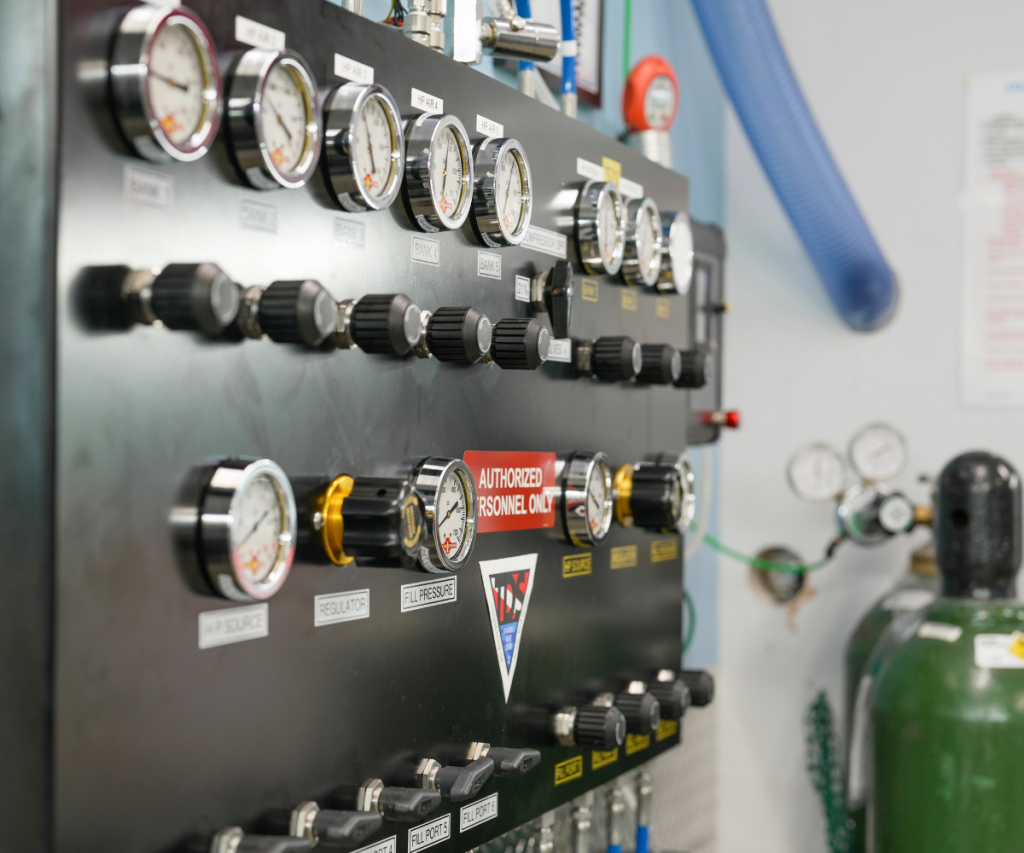
When visiting a new dive operation, take time to assess the environment and observe filling practices. Look around the fill station and the surrounding area for possible contamination sources. Compressor intake valve locations vary, and it is appropriate to ask where the intake valve is located and whether you may see it. After identifying the location, consider the following questions.
| If the Intake is Indoors | If the Intake is Outdoors |
|---|---|
| Is the area clean and organized? | Is the intake valve protected? |
| Is it well ventilated? | Is there organic debris near the intake? |
| Does the room have a noticeable smell? | What is the outdoor air quality like? |
| Are chemicals, fuels, paint, or cleaning products stored nearby? | Is the shop near any roads, factories, restaurants, or other pollution sources? |
| Has the building been renovated recently? | Is anyone smoking nearby? |
| Are staff cooking or cleaning while the compressor is running? | Are gas-powered boats, vehicles, generators, or compressors running nearby? |
The key to situational awareness is observation. Be aware of shop procedures. Do workers seem to follow a specific filling protocol? Does the shop have posted safety signage, operator credentials, and air-quality documentation available? Are divers reporting an odor or taste in their tanks, or experiencing symptoms after dives?
Observation can provide clues, but it is also appropriate to ask questions about the shop’s filling safety procedures and precautions.
Consider asking:
- What steps do you take to ensure breathing gas quality and compressor safety?
- How often do you test air quality?
- May I see your most recent air quality test certificate?
- How often is the compressor serviced?
- May I see your maintenance logs?
- Do you test for carbon monoxide (CO)?
Speak Up About Concerns
If you have concerns about a cylinder, notify shop personnel. Breathing gas concerns should be taken seriously. If concerns are dismissed, documentation is unavailable, or staff members are unwilling to discuss safety procedures, consider whether the operation meets your expectations for safe diving. Depending on the circumstances, unresolved concerns may warrant further discussion with shop management or another appropriate authority.
Asking questions and voicing concerns may feel uncomfortable in the moment, but speaking up can help protect both your safety and the safety of others. Early identification of breathing gas safety issues can help prevent incidents before they occur.
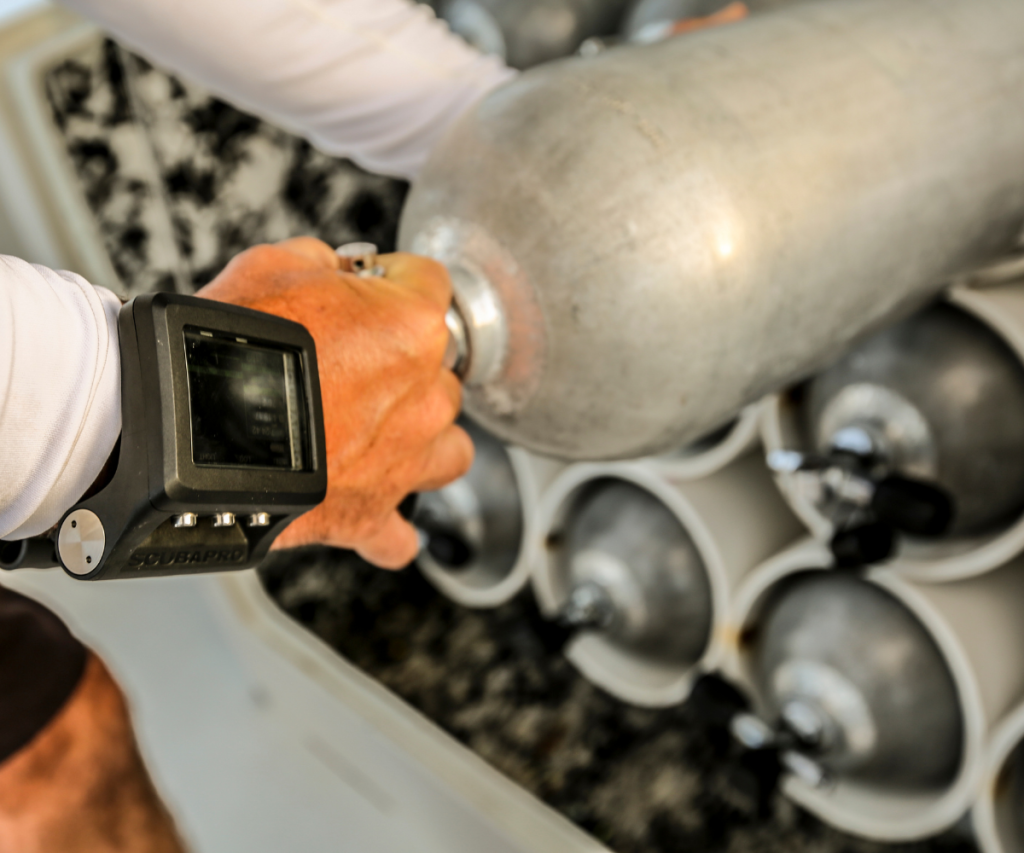
DAN offers gas analysis assistance. If you were involved in an incident possibly related to breathing contaminated gas and you have lawful control of the tank, preserve the tank and contact DAN Risk Mitigation at or +1-919-684-2948, Option 2.