DAN Member Profile: Bob Talbot
DAN member, photographer and cinematographer Bob Talbot discusses why he is a member and how he became fascinated with the underwater world.
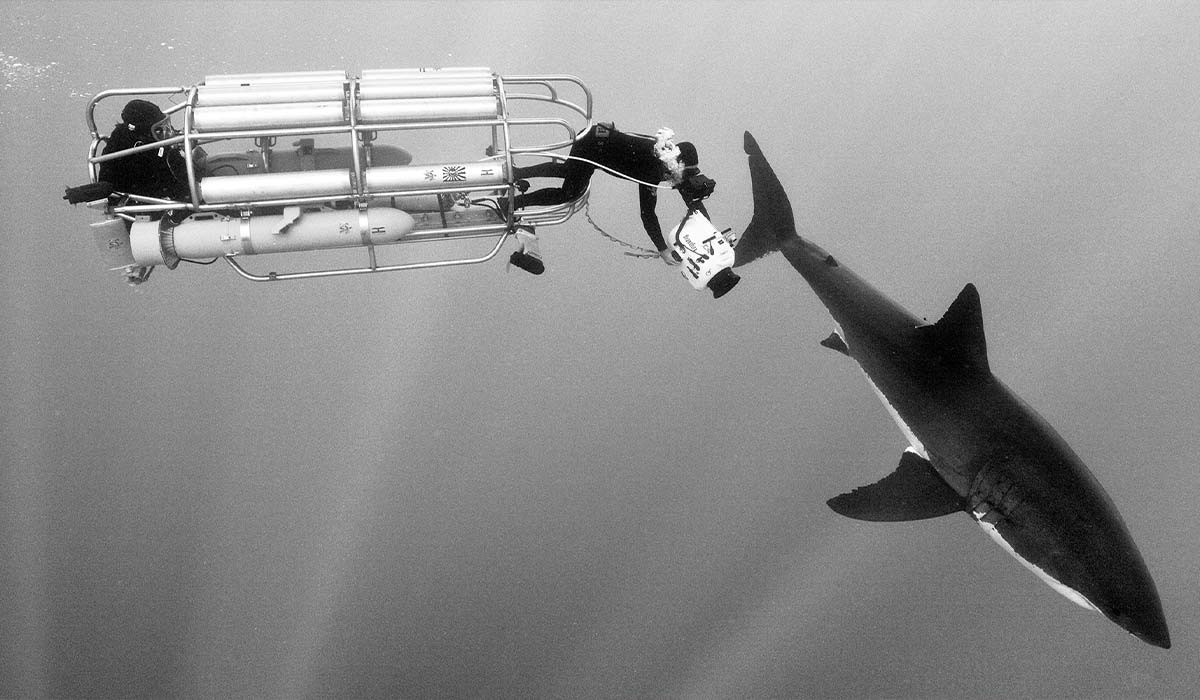
DAN member, photographer and cinematographer Bob Talbot discusses why he is a member and how he became fascinated with the underwater world.
Submerged hotels or restaurants provide individuals with incredibly unique experiences. Underwater tourism connects people with marine life and is an enterprising investment.

DAMSL is a free educational resource for students, educators and divers to learn more about the marine world. Learn more about DAMSL.

DAN member Dr. Kathryn Sullivan has been deep underwater and deep in outer space. She was the first woman to walk in space. Read more about Sullivan and why she’s a DAN member.

More than 100 interns over 20 years have participated in DAN’s internship programs, working with established mentors in research, risk mitigation or medicine to gain knowledge and valuable professional experience while contributing to DAN operations. This year five interns traveled to Durham, North Carolina, to participate in the program.

RISK MITIGATION IS AN ESSENTIAL ELEMENT of any effort to promote diver safety. But even if a dive professional is always careful, follows all safety and training protocols, and judiciously complies with risk mitigation …

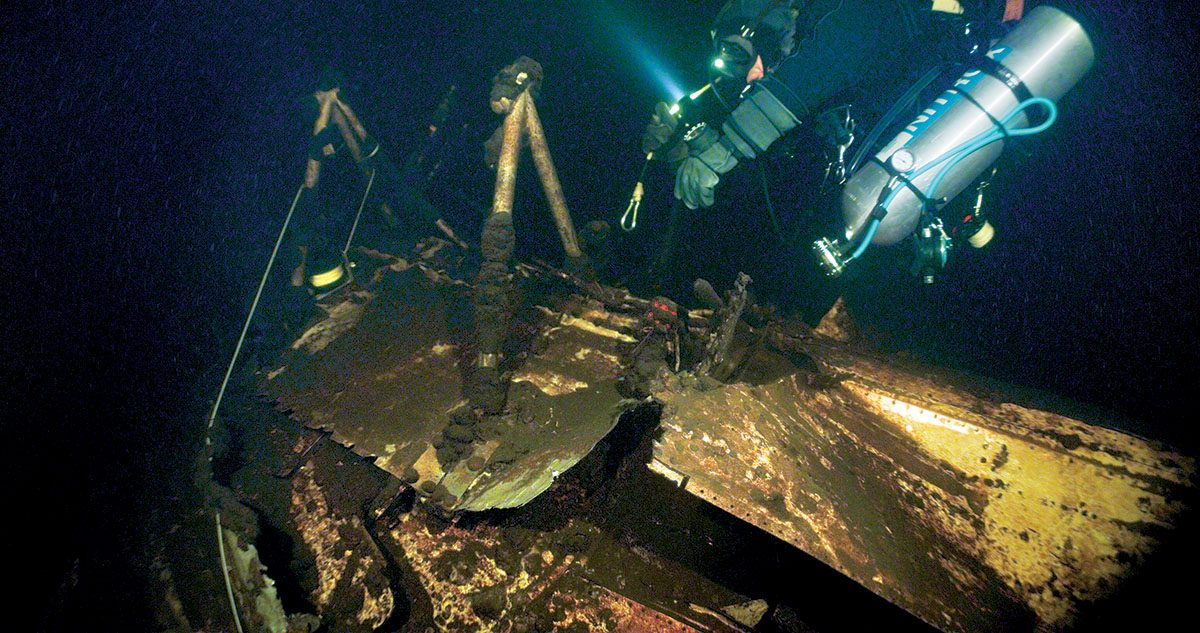
The small Royal Canadian Air Force (RCAF) field at Gander, Newfoundland, gained notoriety as the airport to which dozens of international flights were diverted after the terrorist attacks on Sept. 11, 2001.
IMAGINE RENTING A CAR, NAVIGATING TRAFFIC ON UNFAMILIAR ROADS, and then finding yourself in a heavy rainstorm — only to realize you don’t know how to operate the windshield wipers. […]

The DAN Medical Call Center experienced a significant increase in activity in 2023, setting a record for medical information calls and case reports. This proliferation indicates a resurgence in the dive industry, prompting DAN Medical Services to accommodate the demand to assist divers and health care providers in making the best decisions for their patients.

Most flights are uneventful, with the worst experiences being an occupied lavatory or unexpected turbulence. Emergencies can happen, however, and aircraft passengers need to be prepared to react quickly and efficiently. In an emergency, knowing the proper evacuation procedures for your flight can mean the difference between safely concluding your trip or reaching a different final destination.
