Occupational Hazards
A National Geographic dive photographer discusses the training he needed to capture one specific shot. Thanks to specific trainings, the photographer is able to dive safely and capture his shots.
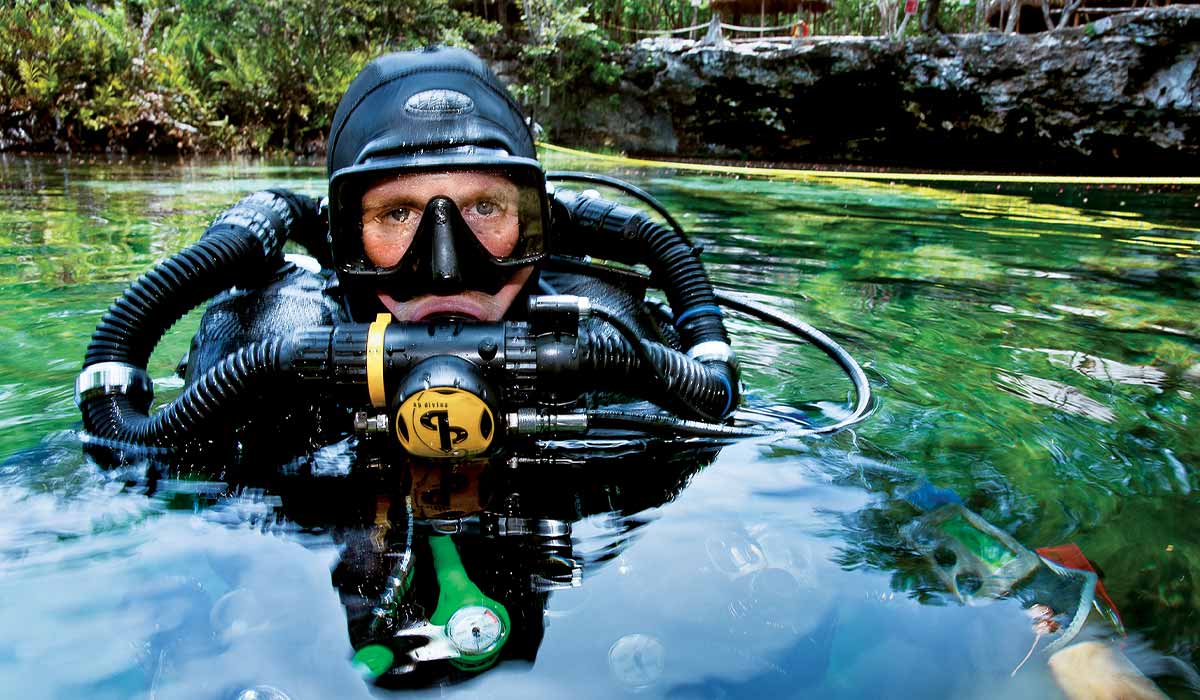
A National Geographic dive photographer discusses the training he needed to capture one specific shot. Thanks to specific trainings, the photographer is able to dive safely and capture his shots.
A recipient of the Our World–Underwater Scholarship Society Rolex Scholarship discusses what a year was like with that distinction and honor. The year, she writes, was one of education and adventure.
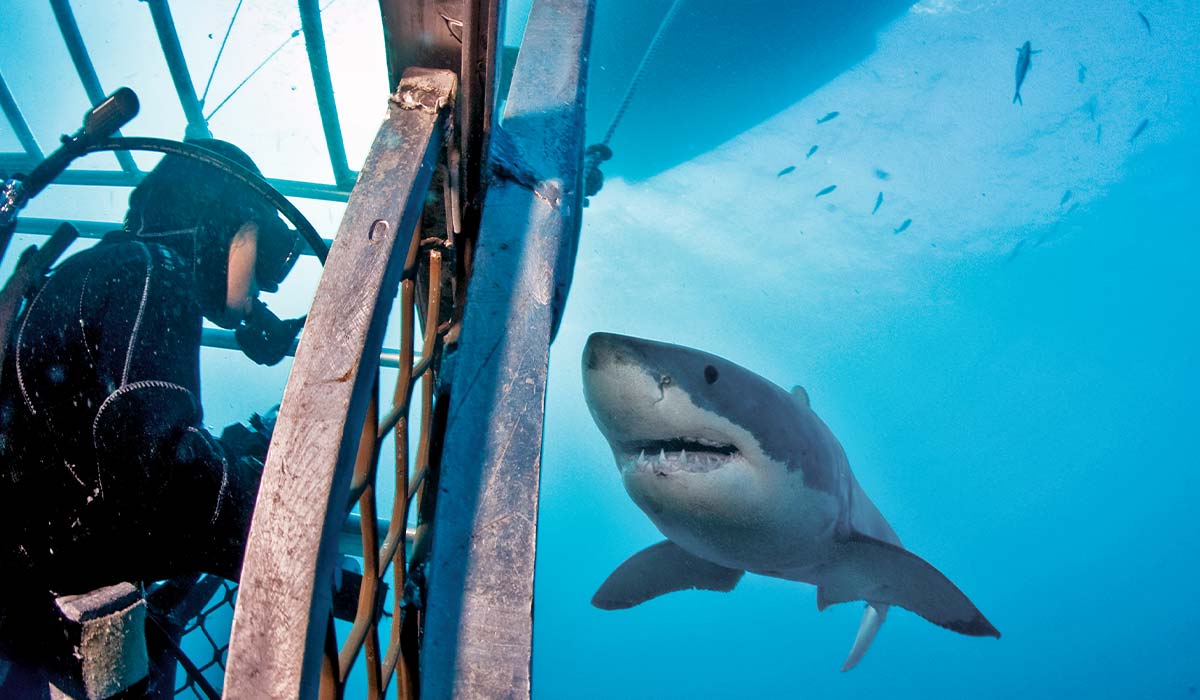
The book “Reef Fishes of the East Indies” was written by Gerald Allen and is a comprehensive encyclopedia of reef fish from a diverse region. Read more about the writing process of the book and the author.
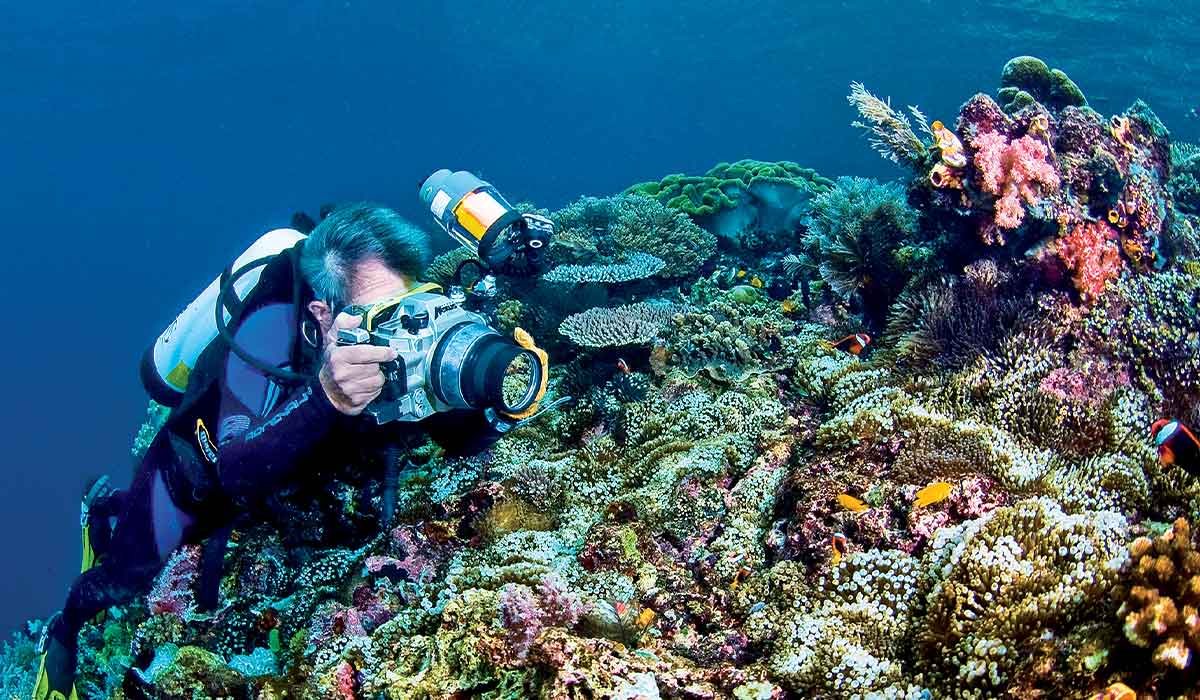
Geocaching is a sport of high-tech treasure hunting and as popularity grew, it soon went underwater, too. Scuba geocaching combines the thrill of treasure hunting with scuba for a fun experience. Learn more about scuba geocaching.
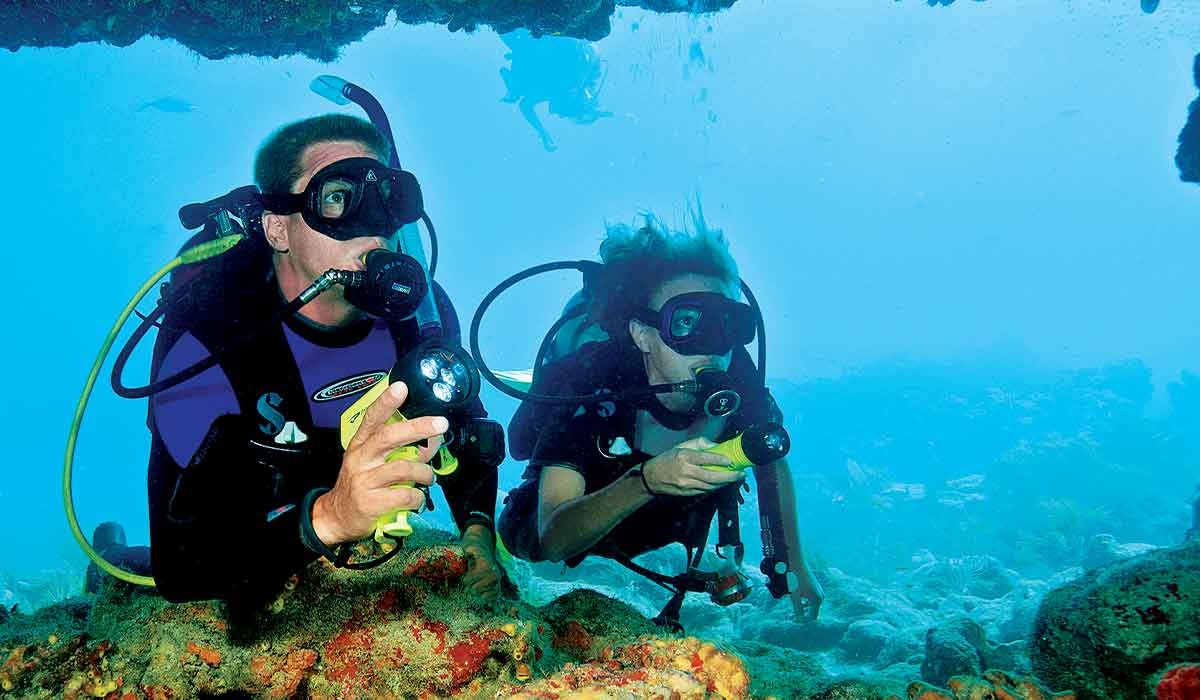
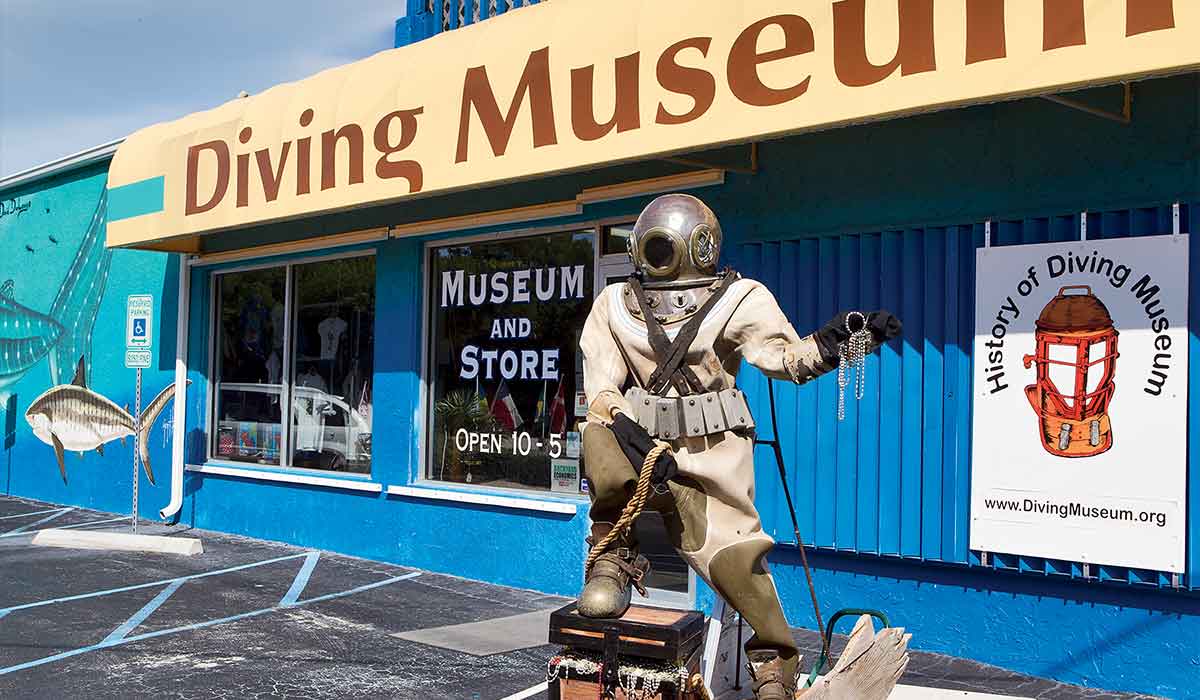
When in the Florida Keys, be sure to check out The Florida Keys History of Diving Museum. Divers can learn all about the history. Read more about the museum.
Known for their striking colors, patterns and forms, nudibranchs are found in seas all over the world. Sculptor Gar Waterman’s fascination with these sea slugs extends beyond his aesthetic appreciation for their unique, organic form. Because most nudibranchs have a life span of less than a year and adapt rapidly to changes in their environment, they help scientists understand the impact of global warming on ocean health. With each nudibranch that he has cut, chiseled and polished from stone, Waterman hopes to communicate their quirky beauty and scientific role.

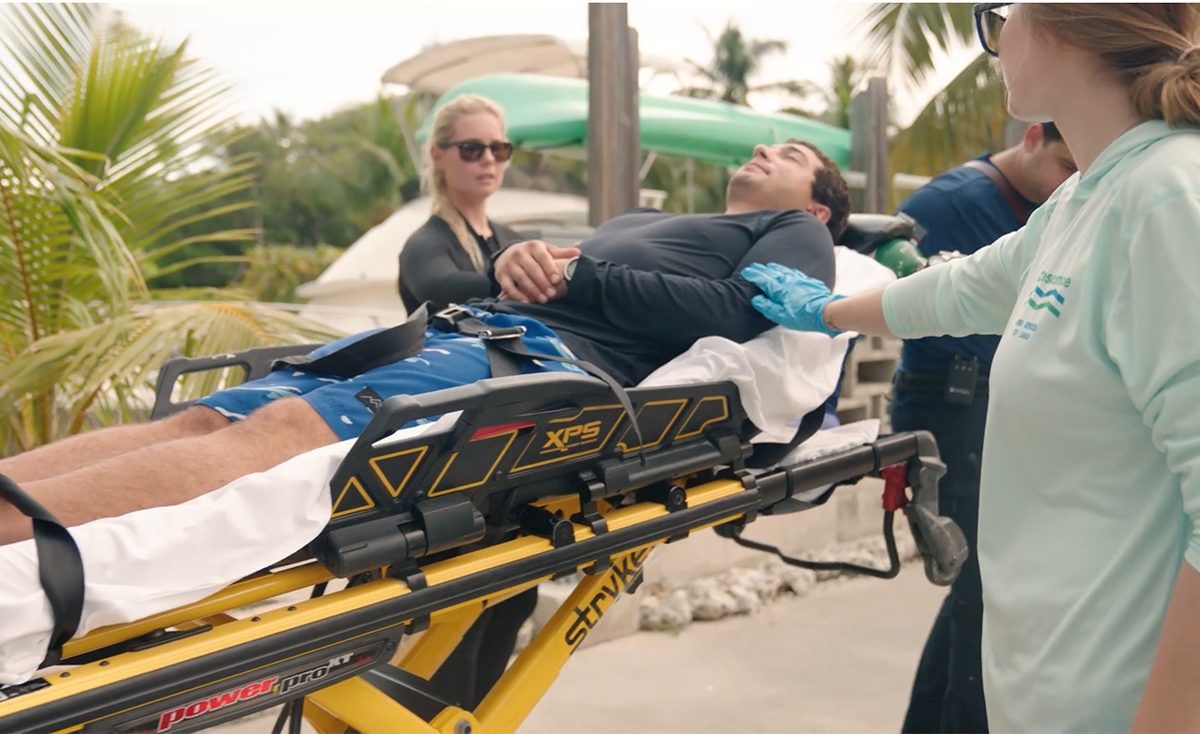
AS YOU MAKE PLANS TO DIVE THIS SUMMER, remember that an important benefit of DAN membership is access to DAN Medical Services.
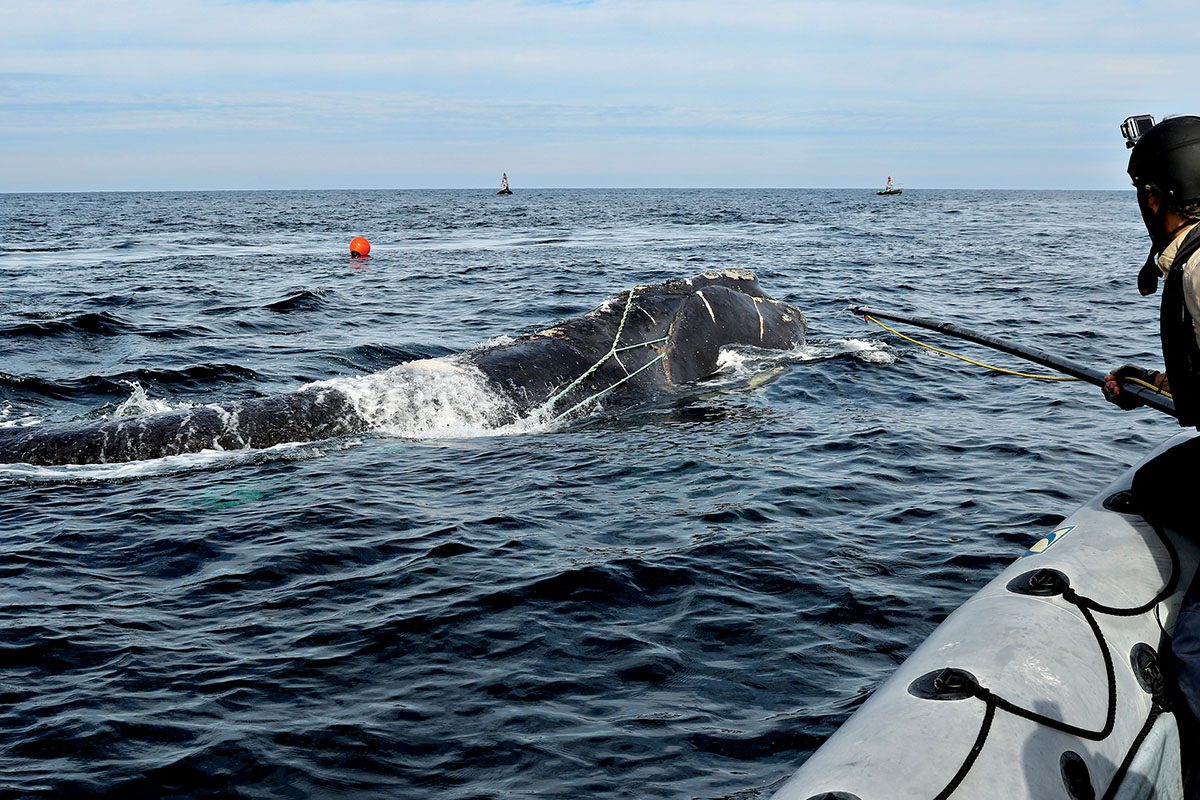
We’ve all seen tragic images of suffering marine animals entangled in monofilament line or other marine debris.
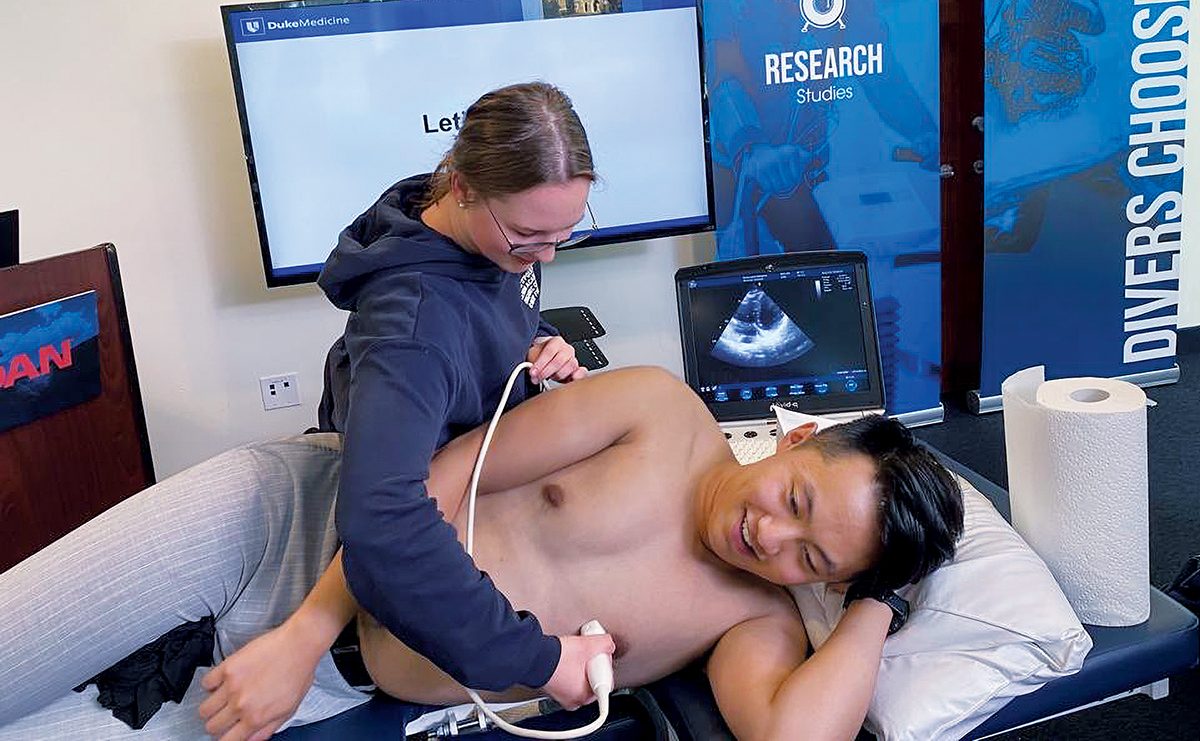
DAN RESEARCH IS CONTINUALLY LOOKING for divers, researchers, and health care professionals to volunteer to support our work. Depending on your availability and location, you might qualify as a diver […]
Dive training agencies track the number of certifications they issue, but the number of active divers worldwide is still unverified. As dive research grows, identifying the denominator for the dive population is increasingly important.
