High on Mercury
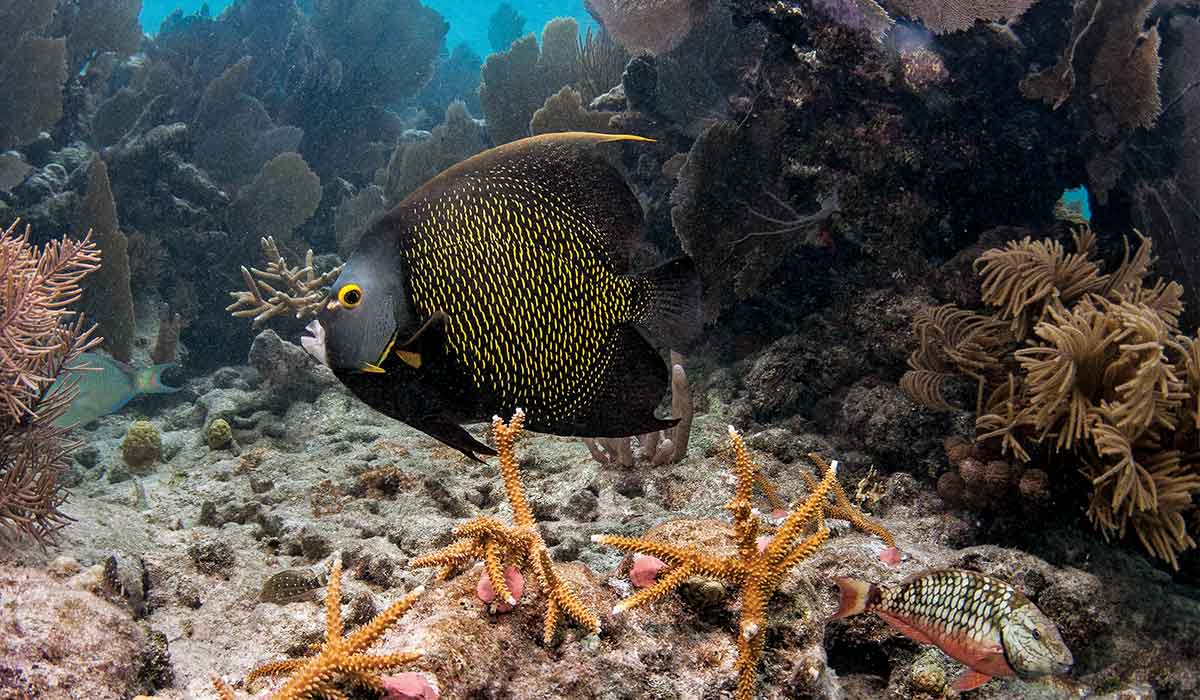
Grouper populations are on the rebound thanks to protection efforts. But a major threat to these fish remains: mercury.
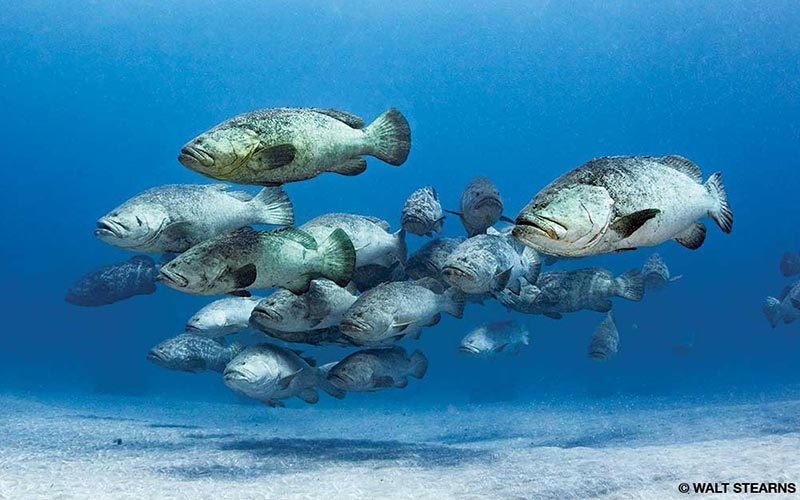
Grouper populations are on the rebound thanks to protection efforts. But a major threat to these fish remains: mercury.
Mooring buoys minimize the impact on the environment and protect fragile coral animals and nonrenewable historical resources from anchor damage. Marine biologist John C. Halas developed the mooring buoy system we know today: an embedment anchor connected to an 18-inch round, white, floating buoy with blue reflective tape around the middle with a yellow polypropylene pick-up line. The mooring buoy system is one of the most visible accomplishments of NOAA’s efforts to provide resource protection while supporting the community’s access for the enjoyment of sanctuary resources.
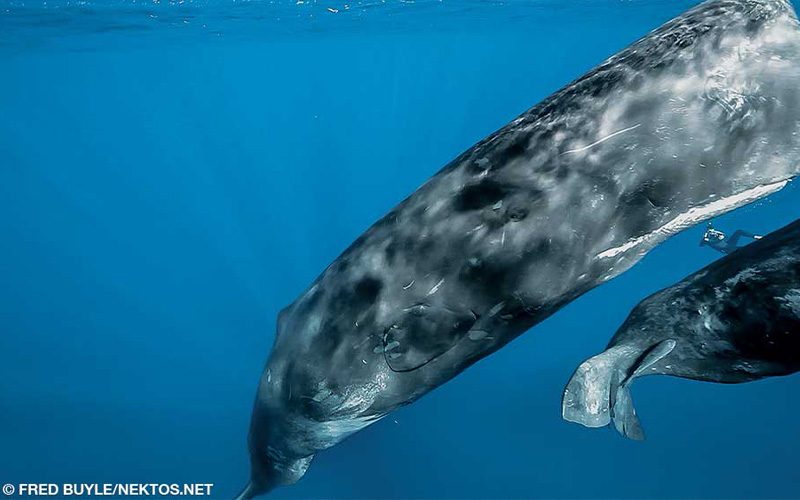
The film “The Click Effect” uses virtual reality technology to give viewers a deeper connection of ocean wildlife, specifically whales and dolphins.
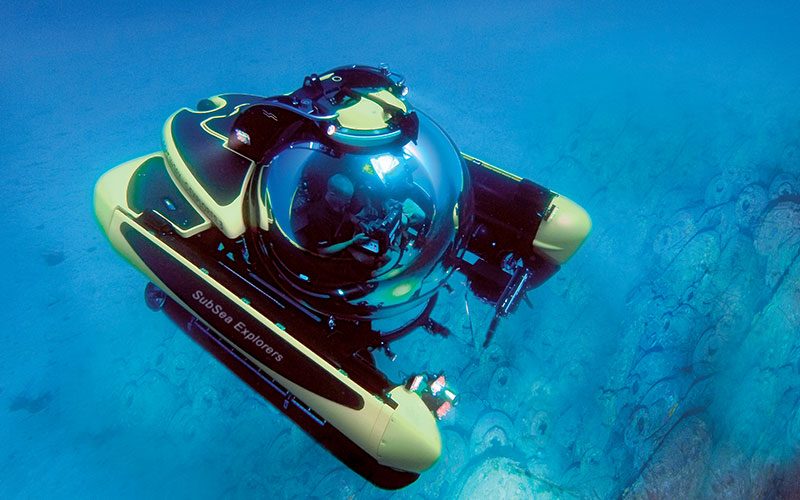
A new venture will offer underwater thrill-seekers a glimpse of ancient history through the windows of a luxury submersible. Read more.
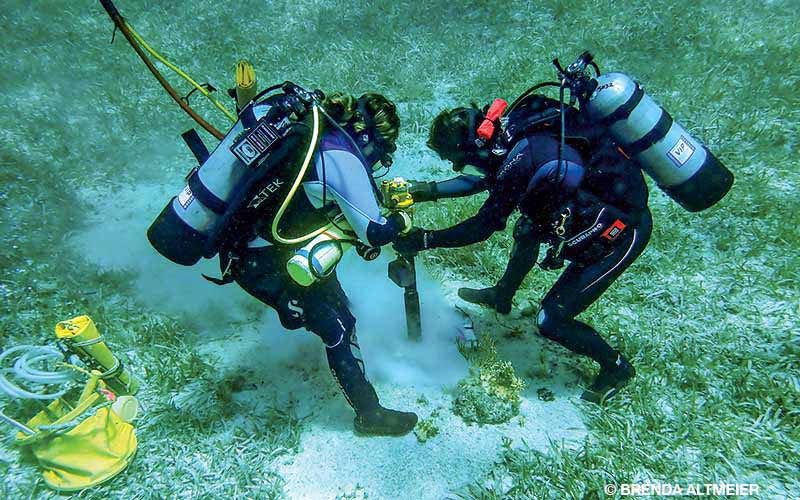
Coral restoration projects are underway all over the world. Thanks to these projects, coral populations and reefs are thriving.
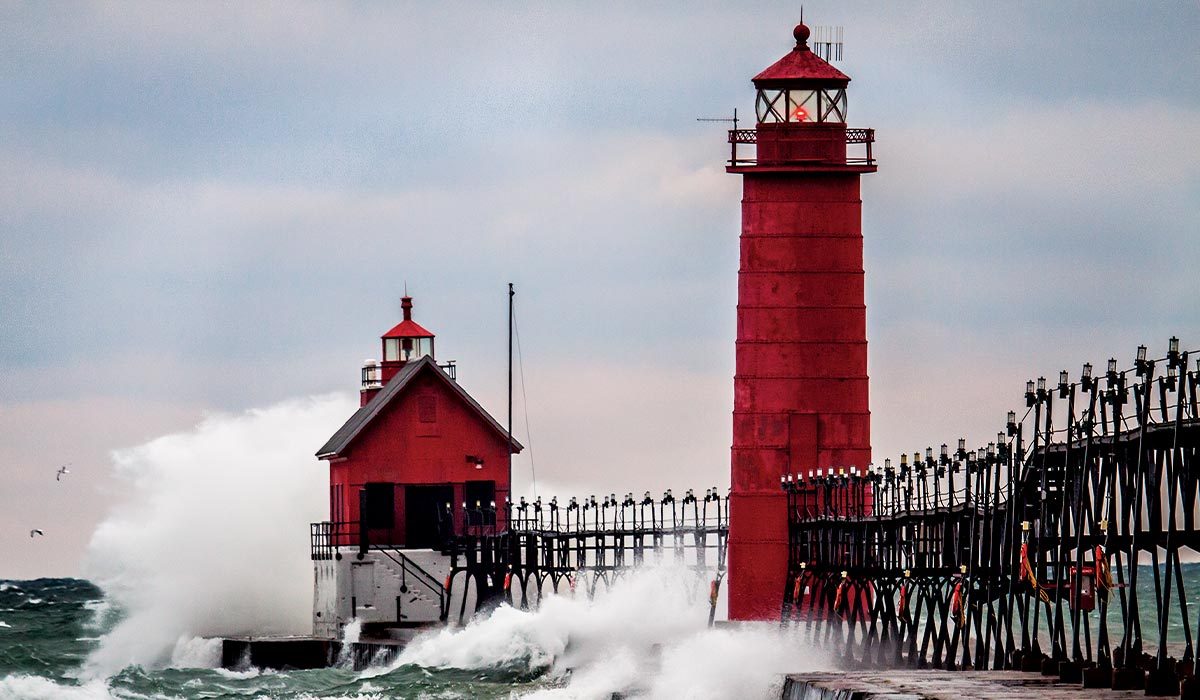
A 1913 storm on the Great Lakes is still considered one of the worst weather-related disasters in U.S. maritime history. About 250 sailors died and at least a dozen ships were smashed. Learn more about this tragic 1913 storm.
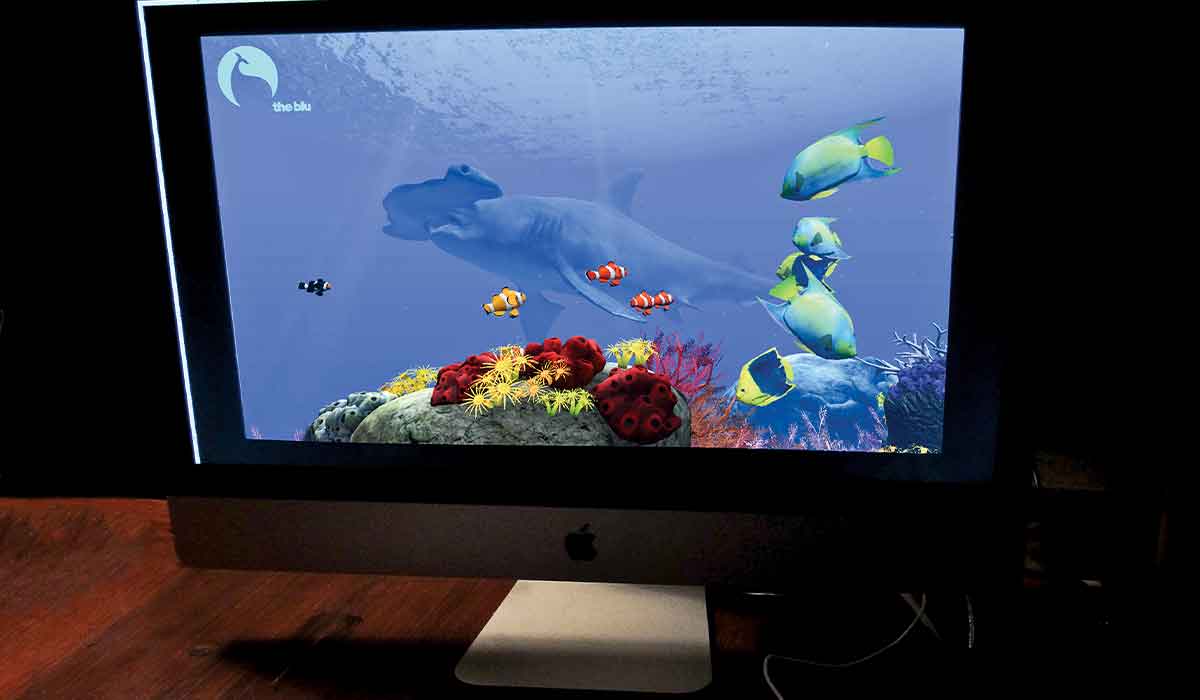
Get your oceanic fix with a web-based game and service called theBlu.
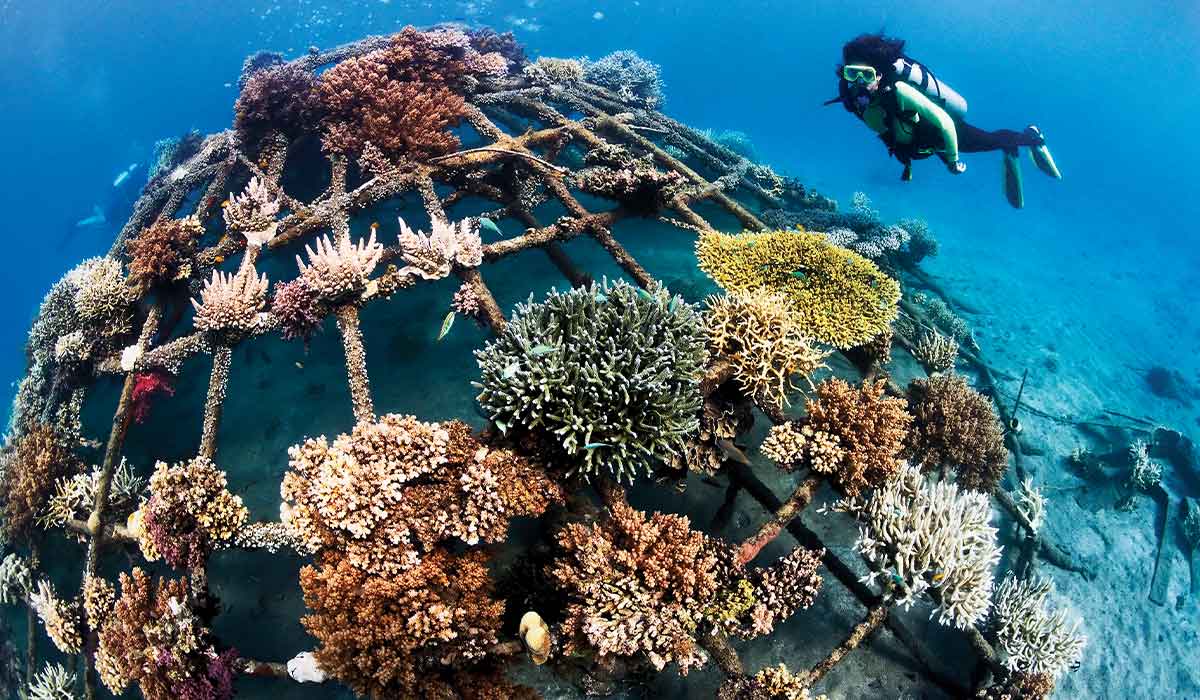
Biorock reefs are submerged, metal dome structures used to grow corals and restore degraded reef habitats. Used in 20 countries, they are wired to onshore energy sources so low-voltage current and flow through the structure. Read more about this nifty process and the importance of Biorock reefs.
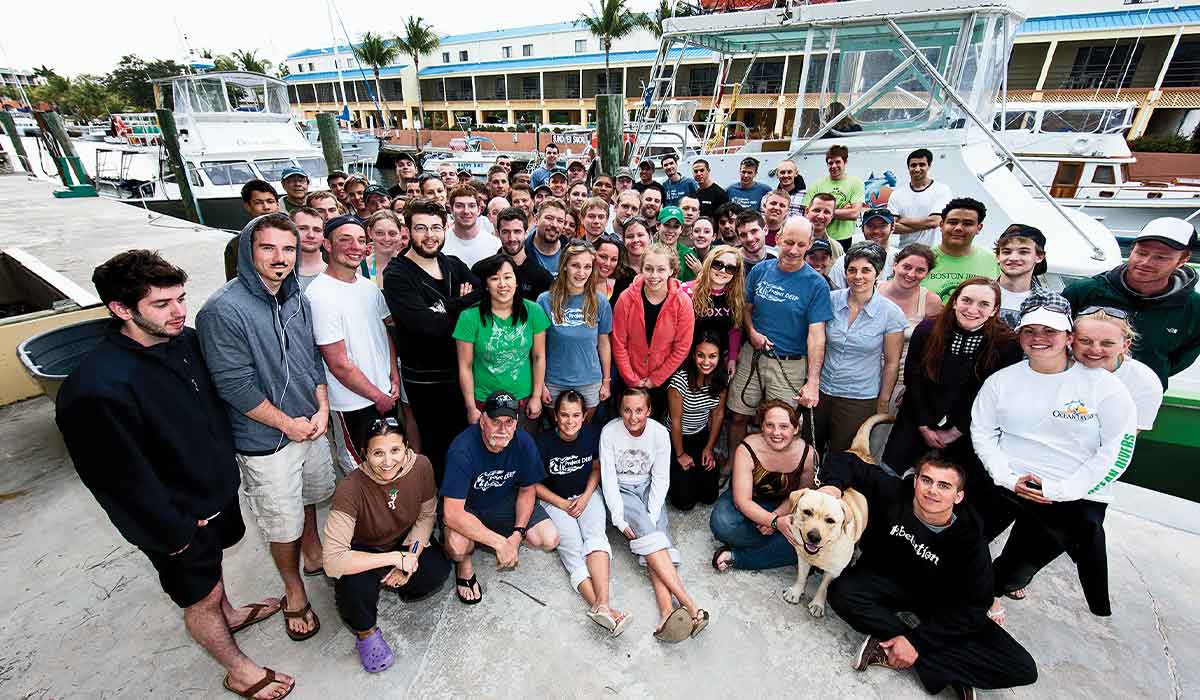
Project DEEP is a longstanding program which connected Massachusetts college students to scuba opportunities in Florida.
A DAN member shares lessons learned while lost at sea for many hours after being carried far from the dive site by currents. It’s important to stay calm and bring your own safety gear such as a surface marker buoy. Before leaving on a trip, establish good physical fitness and always let someone know where you are and when to expect you. Understand the risks, be proactive about your safety, and don’t ignore red flags about the dive operator.