Member to Member: Bitten!
No matter how unlikely it is for a hazard to be a problem, the unexpected can happen. When one DAN member was bit by a barracuda, it reaffirmed why he was a member of the organization.
No matter how unlikely it is for a hazard to be a problem, the unexpected can happen. When one DAN member was bit by a barracuda, it reaffirmed why he was a member of the organization.
DAN member Ian Koblick is a science teacher, aquanaut, hotel manager, diver and much, much more. Read more about Koblick’s passion for diving.
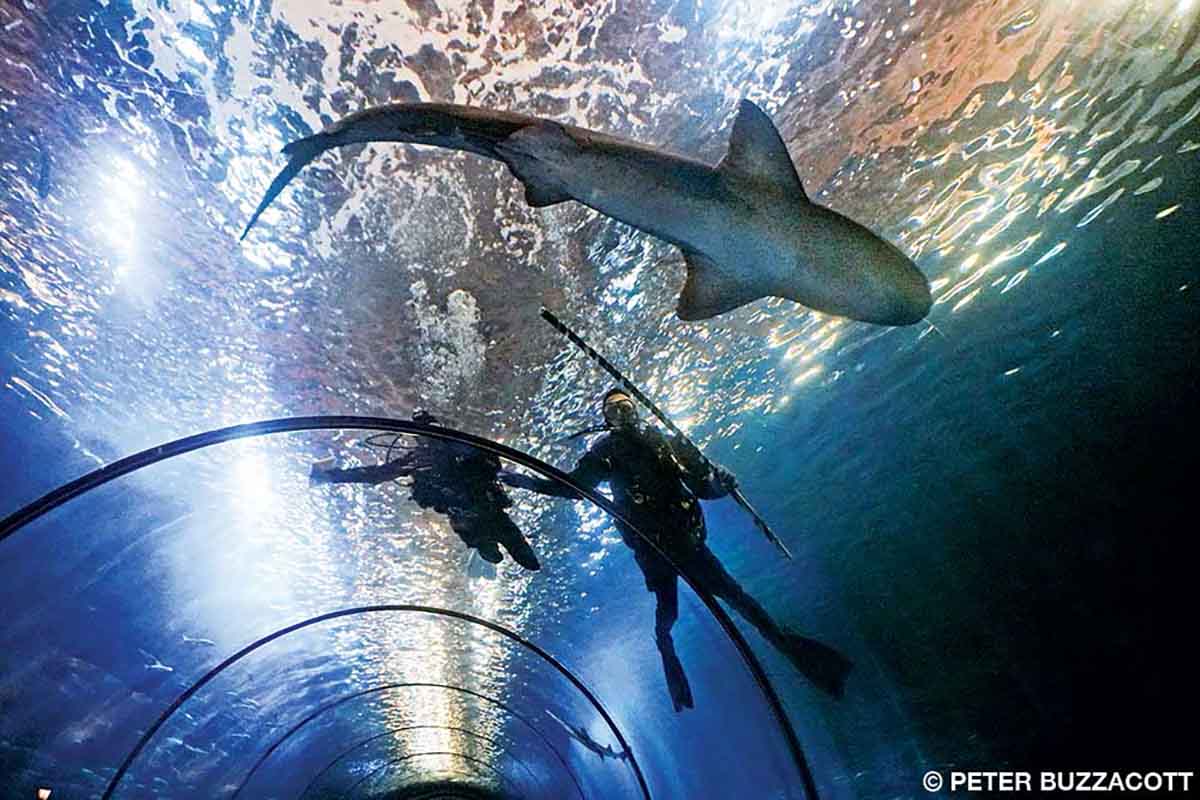
The volunteer program at the Oregon Coast Aquarium exemplifies a culture of safety. Members of this dive program volunteered to take part in a DAN research study on irregular heartbeats.
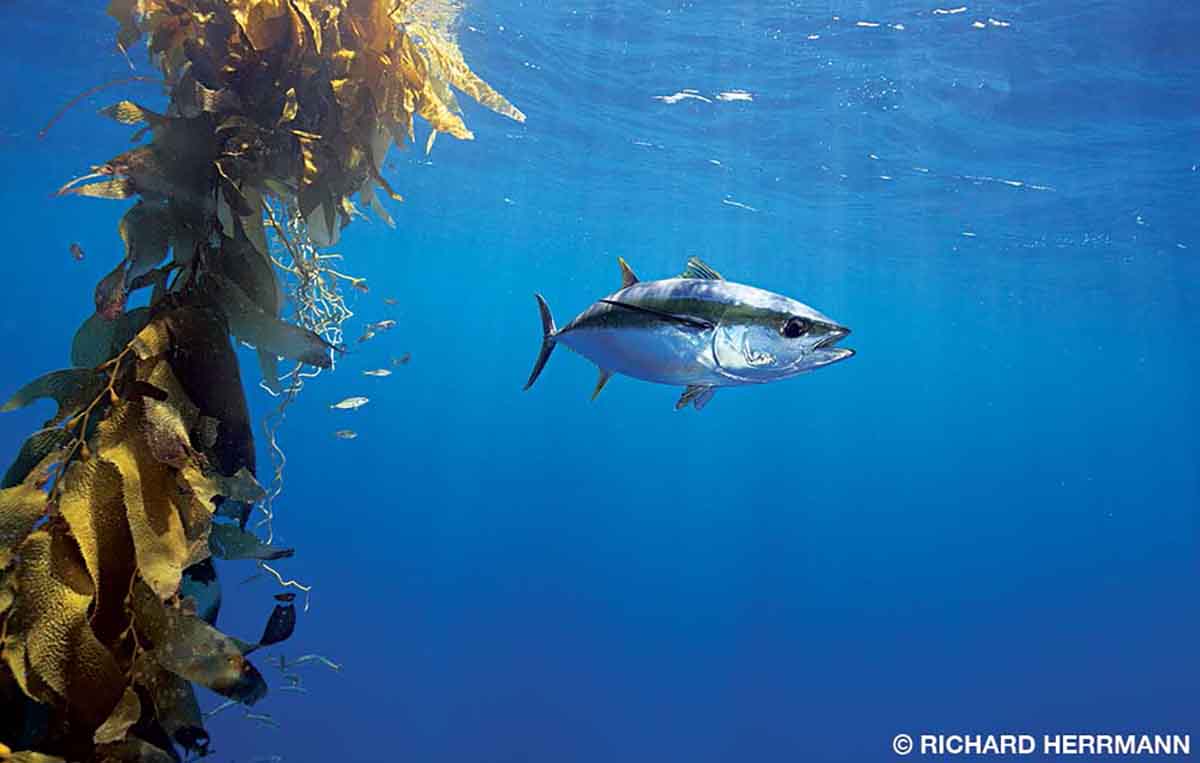
Tuna are warm-blooded and have “mega-gills.” There are many species of tuna and certain species have been listed as endangered. Because of the world’s increasing dependence on this protein source, they could become victims to overfishing.
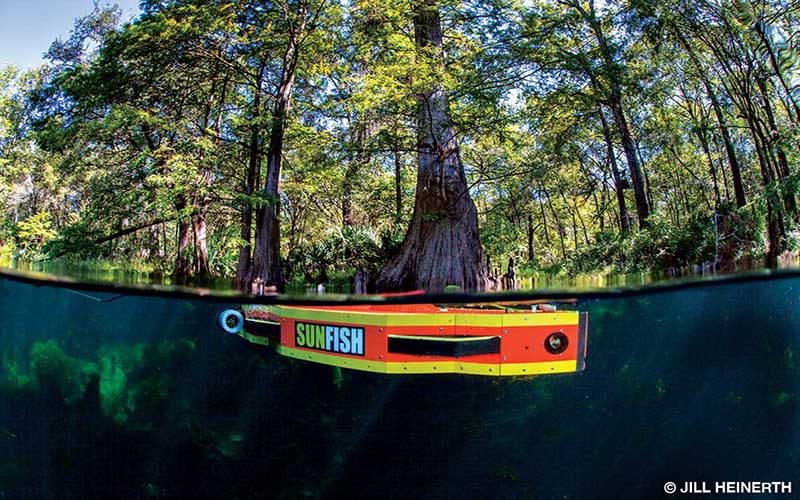
Technological advancements in autonomous underwater vehicles enable scientists and engineers to test underwater and use the tech toward exploring outer space. The devices can collect samples and send results back to base.
The DAN team guides a dive business through the self-assessment process, seeking input to help refine the HIRA program.
Over the past decade, technological advances in unmanned aerial vehicles (UAVs), gimbals and camera/sensor miniaturization have made high-resolution imagery of our world’s dynamic land- and seascapes more accessible than ever. Photographers are able to shoot more frequently and the use of drones enable them to shoot above — capturing a new perspective.

Sea Pearls, Inc. specializes in dive weights and has humble beginnings thanks to founder Lee Selisky. Selisky is an avid diver and DAN Member.
Thanks to scholarships, eight landlocked high school students were able to experience the ocean firsthand. Their experiences were part of a web-based series called “A Rising Tide.”

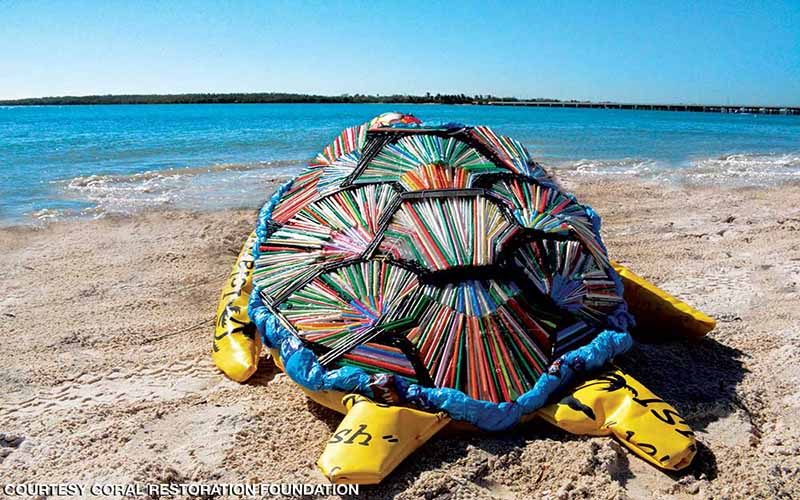
Plastic straws are a problem for the ocean as plastics are not biodegradable. Through a little creativity, one intern took plastic straws and made them into a beautiful sculpture.