Florida’s Museums in the Sea
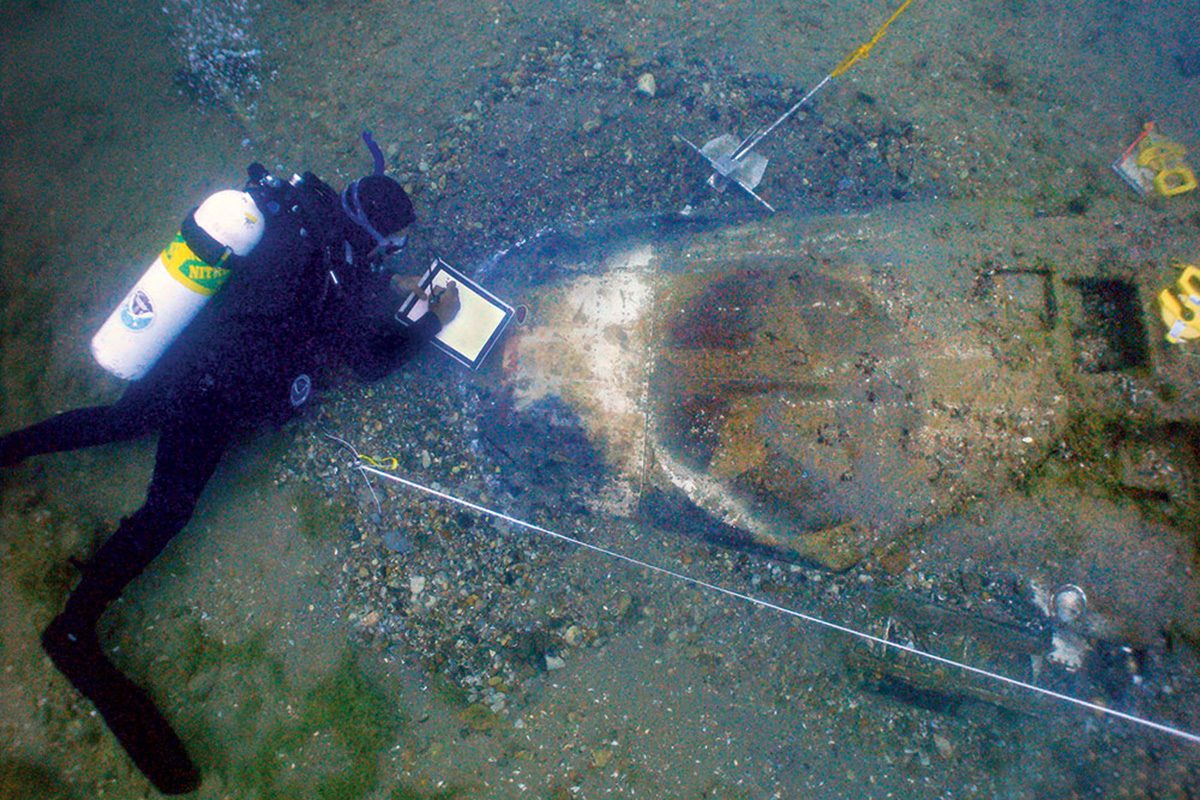
Historic shipwrecks offer divers a bounty of history, biology and the beauty of the undersea world. Two shipwrecks in Florida provide divers of all skills opportunities to explore their fascinating histories.

Historic shipwrecks offer divers a bounty of history, biology and the beauty of the undersea world. Two shipwrecks in Florida provide divers of all skills opportunities to explore their fascinating histories.
Charles Beeker expressed an interest in diving at age five. Now, he is passionate about underwater archaeology and tries to preserve historical sites.
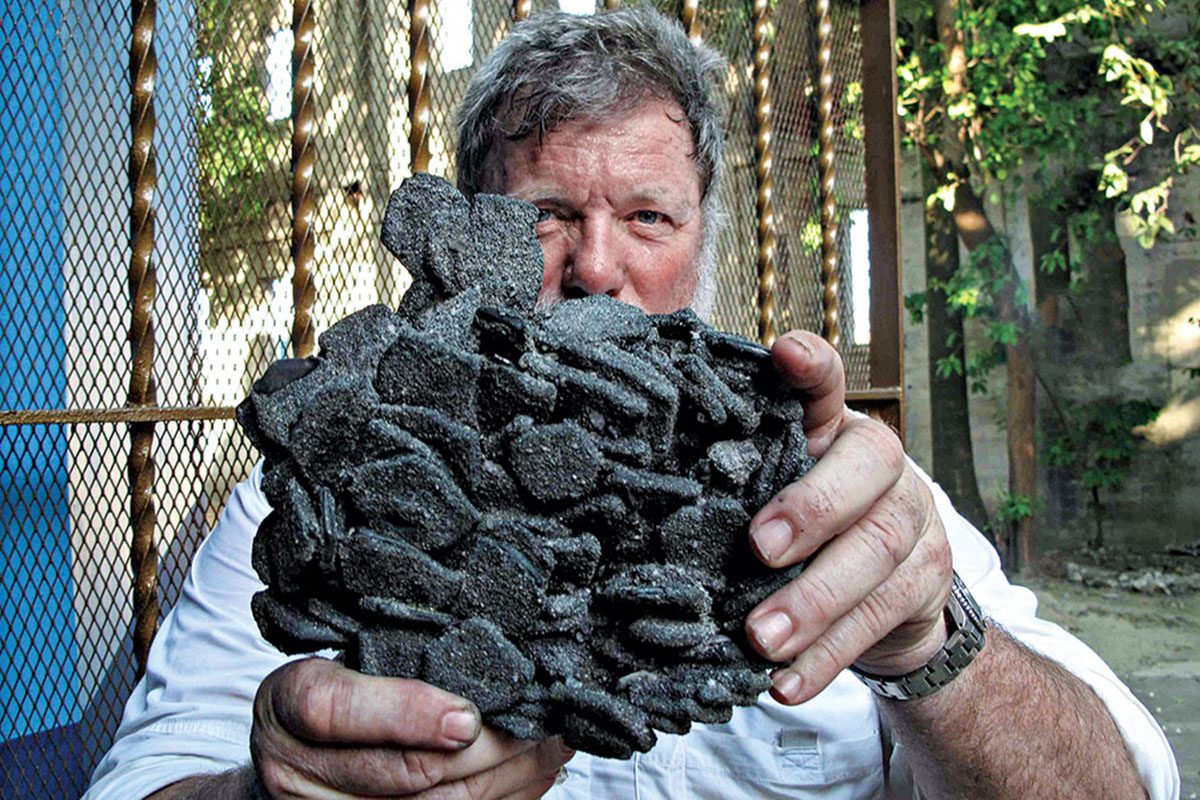
A diver discusses witnessing the birth of a bottlenose dolphin — a rare and unique experience. The story underscores the importance of animal conservation.
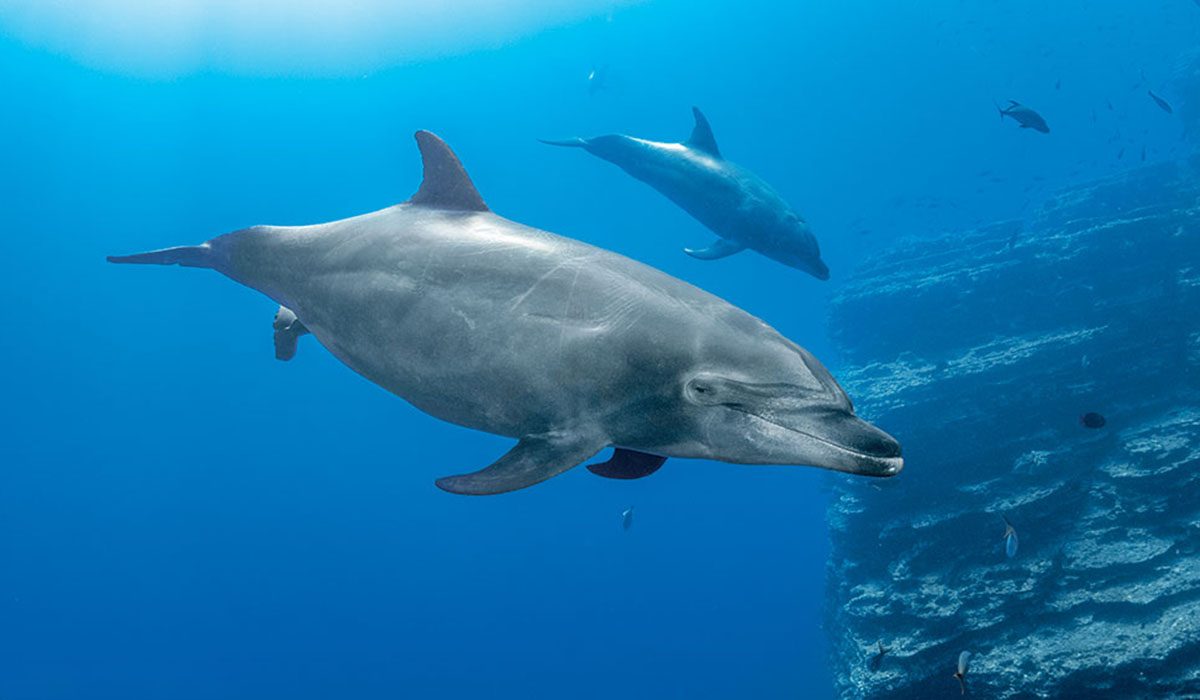
The indomitable megalodon shark, the largest fish that ever lived, tore its way through the whales and dolphins of the world’s oceans for about 13 million years before dying off about 2.6 million years ago.
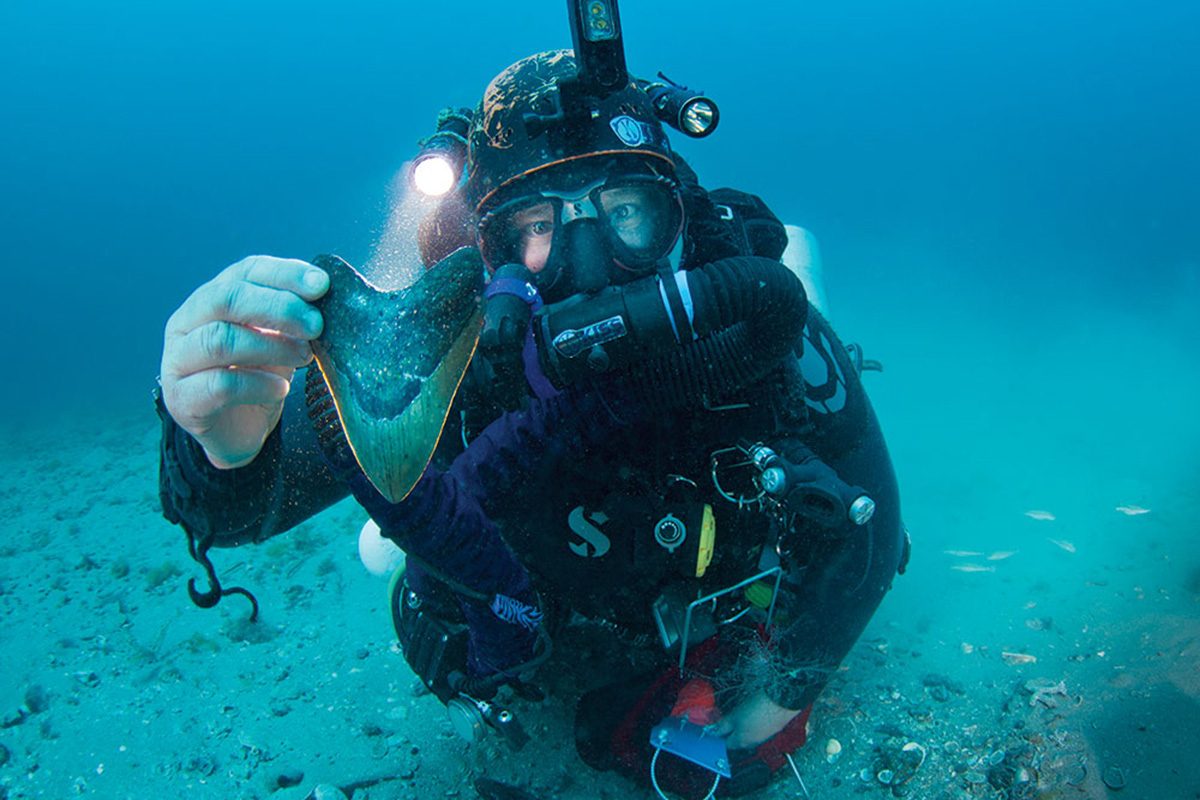
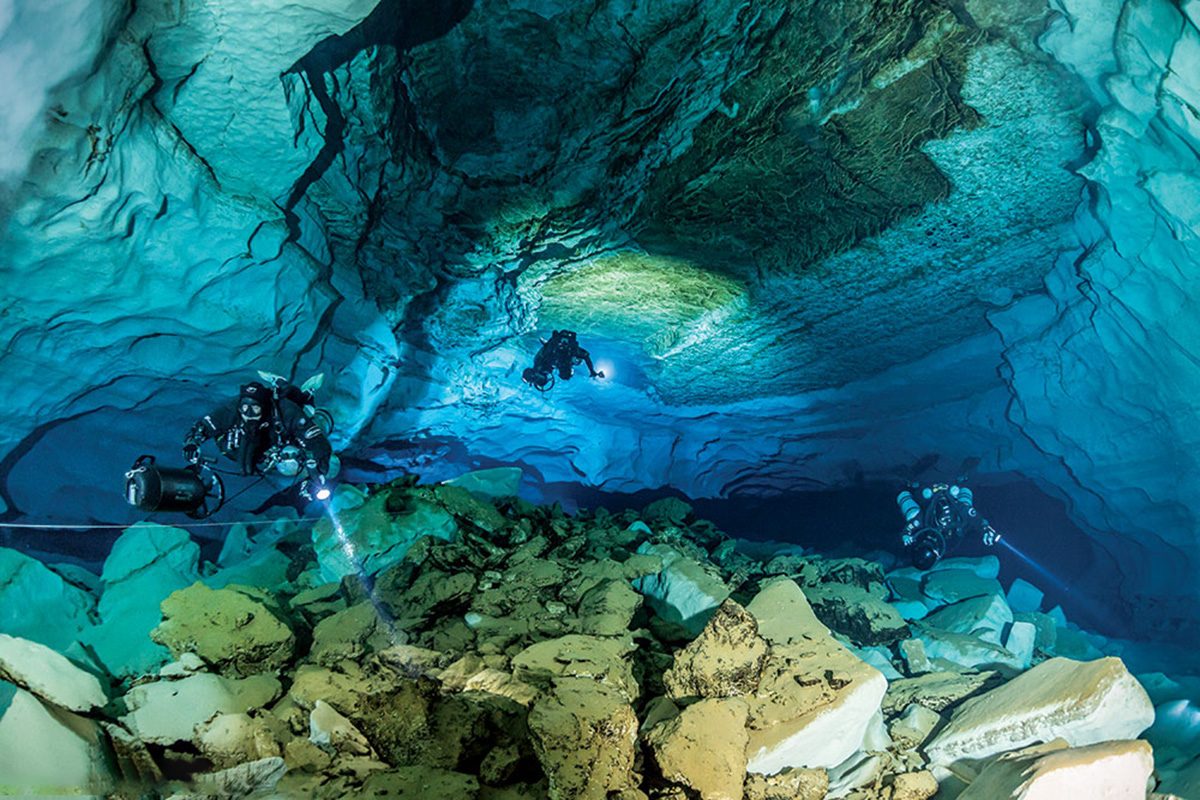
Technological advances have enabled divers to explore once hard-to-reach caves, including Weeki Wachee Springs in central Florida.
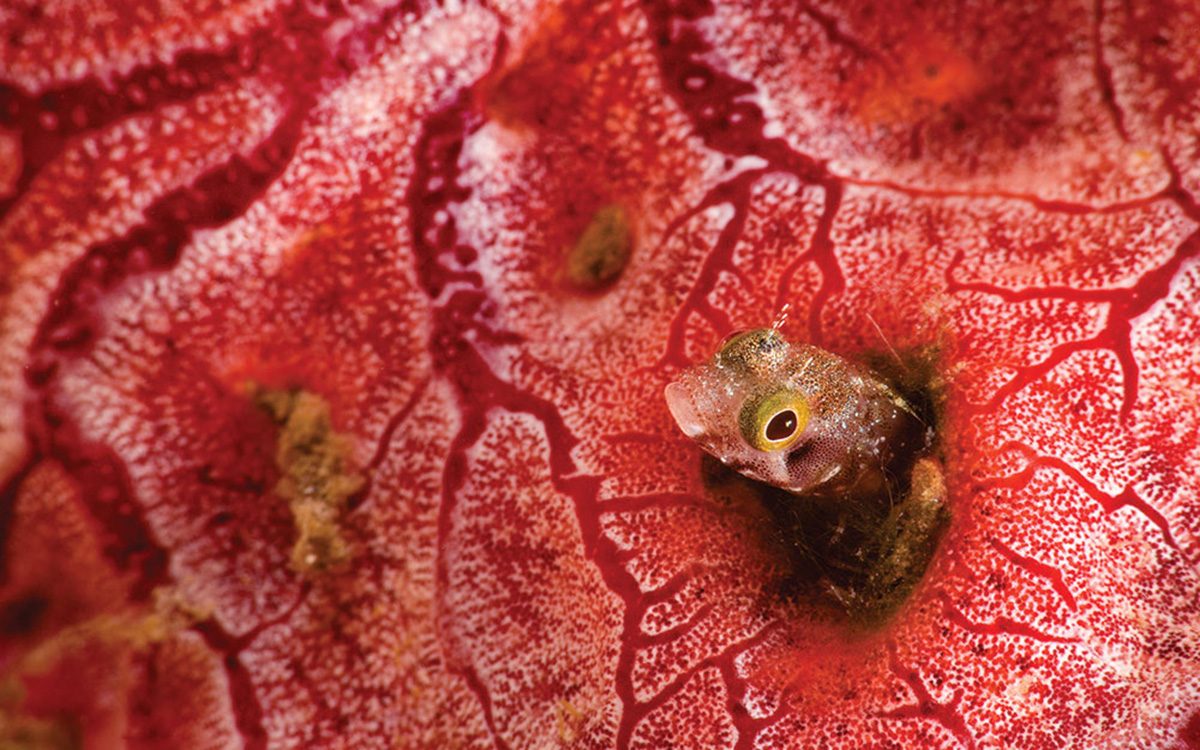
A recent study published in the journal Science shows the unexpected and remarkably large role of tiny, bottom-dwelling reef fishes for coral reef productivity.
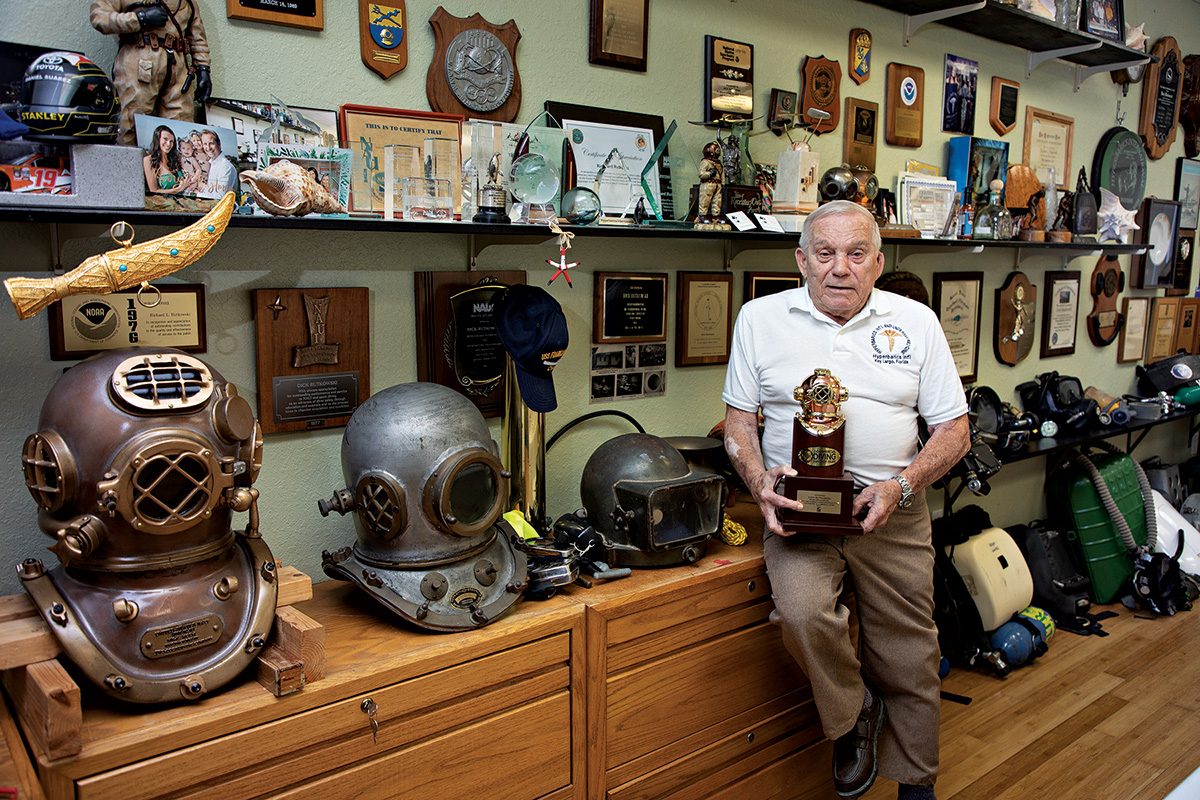
Dick Rutkowski spent six years in government service, co-created NASA’s Neutral Buoyancy Laboratory, wrote dive accident management manuals and more.
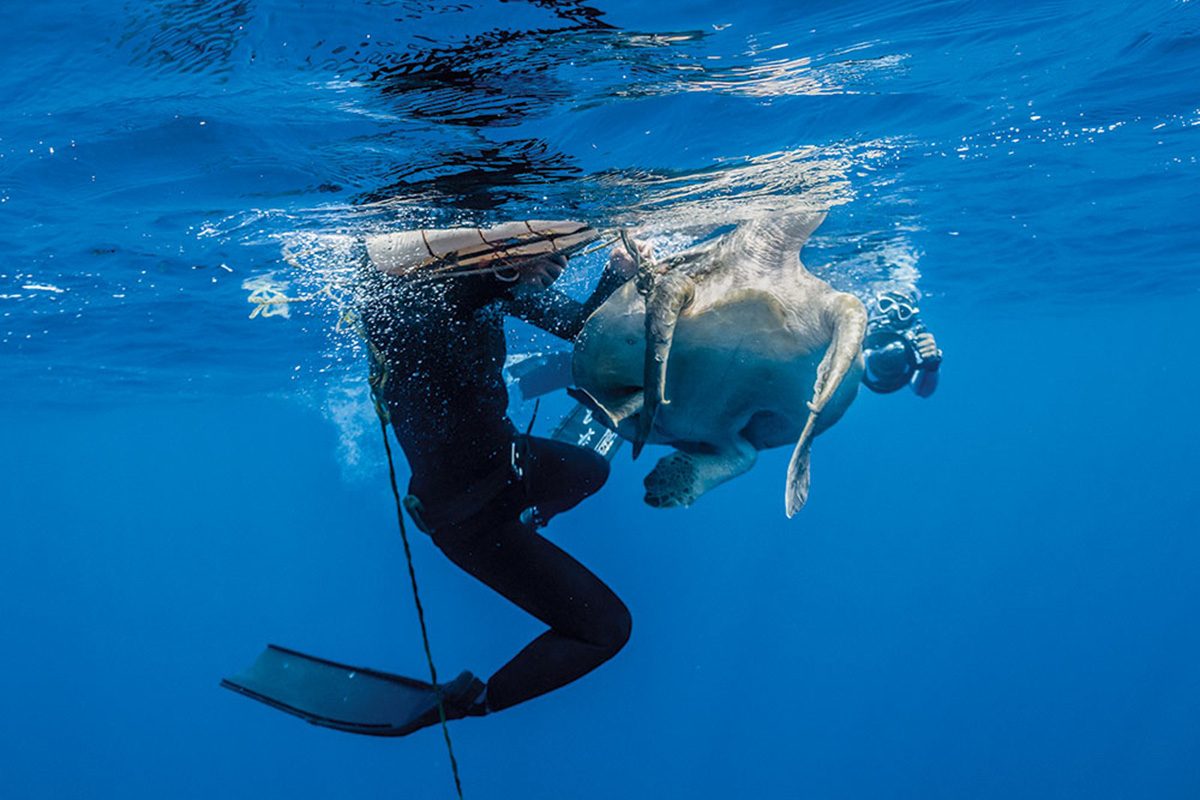
While working as a dive professional, I always carried a cutting device, which I rarely used. Although required by standards, it seemed like a “nice to have” rather than “need to have” piece of equipment. My experience off Mexico’s Pacific coastline taught me that cutting devices have a place on every dive trip. In a sea fraught with dangers, carrying a cutting device is just as much about rescuing corals from ghost-fishing nets or animals from discarded rope and plastic as it is about saving yourself or your buddy.
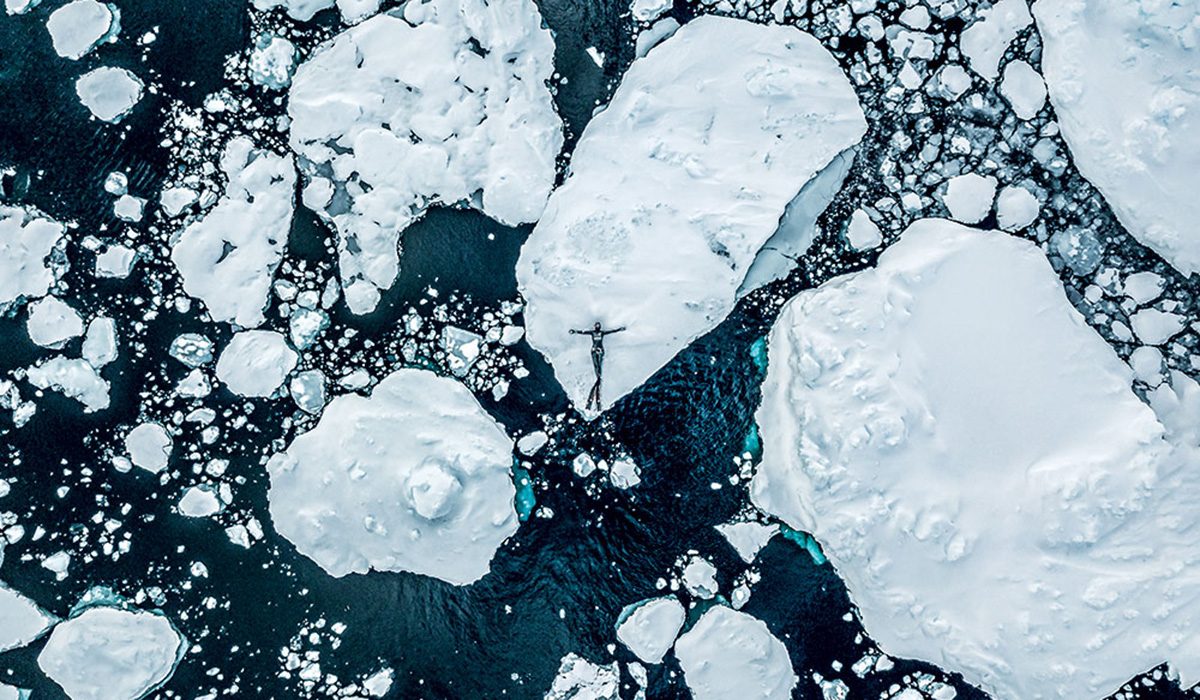
Greenland is anything but green, as an ice sheet covers about 80 percent of the country. But the surrounding waters have great dive opportunities. Divers are able to get below the frozen surface and explore frigid wonders.
The hope is that through advocacy for underwater cultural heritage preservation, local communities across the country will discover and appreciate what marine historic sites can teach us.