DAN Member Profile: Jonatha Giddens
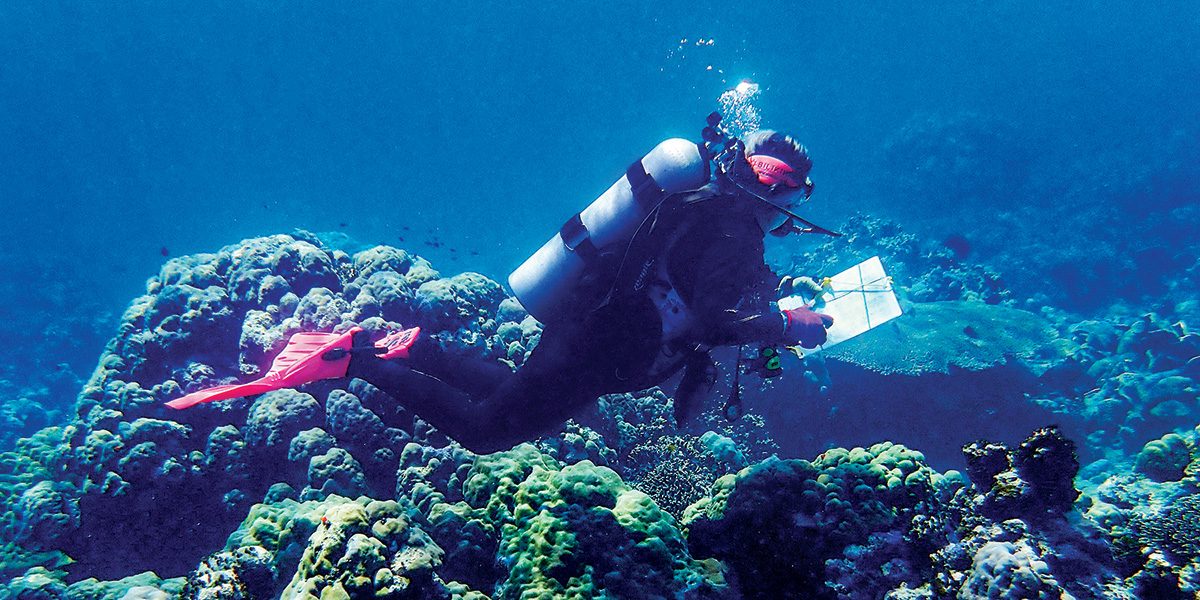
Ocean ecologist Jonatha Giddens, Ph.D., uses a combination of art, journaling and storytelling for her scientific endeavors. Currently, she’s using video to compute biodiversity indices.
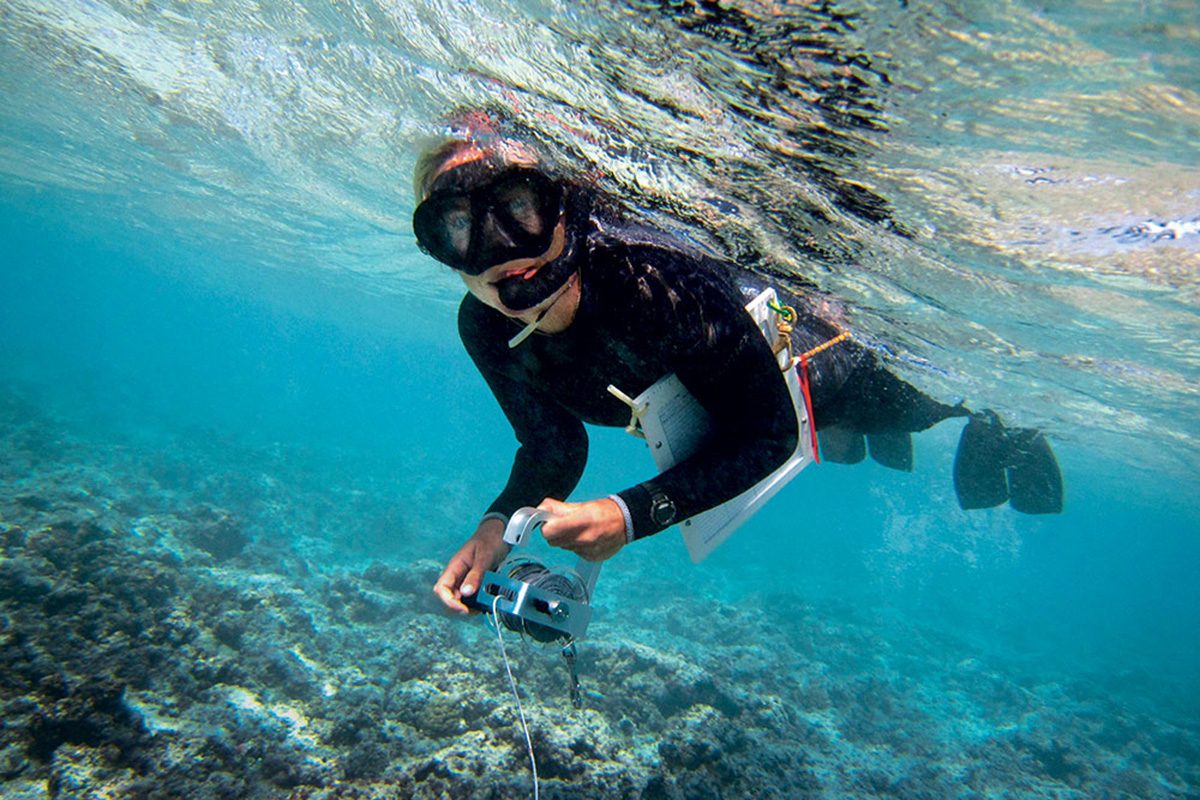
Ocean ecologist Jonatha Giddens, Ph.D., uses a combination of art, journaling and storytelling for her scientific endeavors. Currently, she’s using video to compute biodiversity indices.
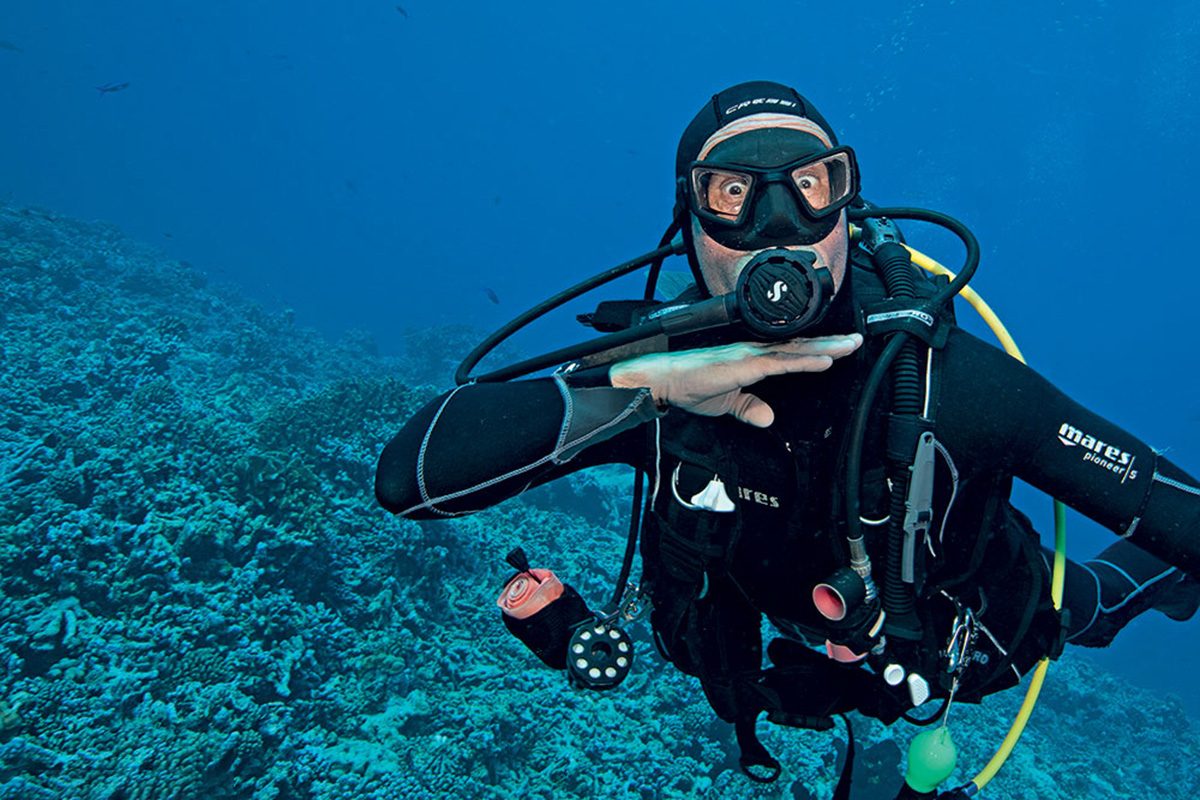
While you may be an experienced diver, don’t get too comfortable. Mistakes happen to everyone…at any moment. Note these common mistakes and learn how to avoid them for your future dives.
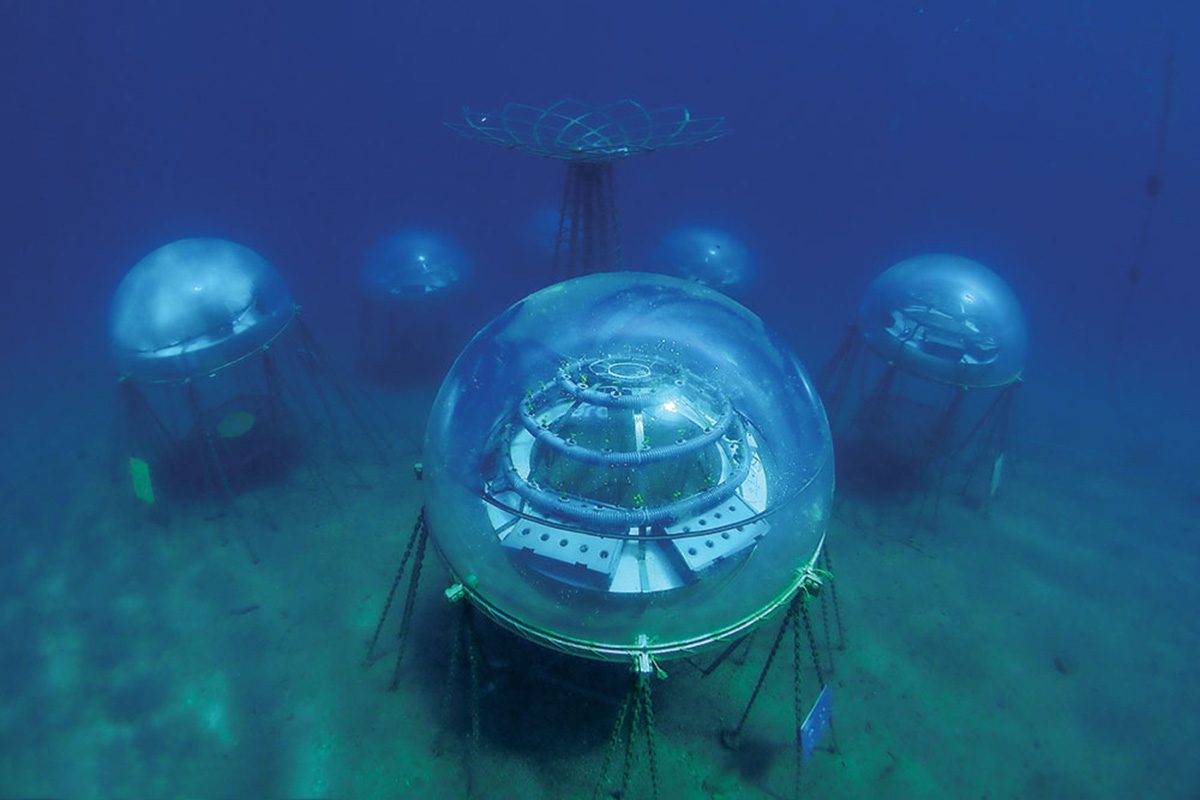
This underwater farming experiment, which looks like something out of a Jules Verne novel, is in the Ligurian Sea, offshore from Noli, Italy. It’s called Nemo’s Garden, but the name doesn’t come from the animated lost clownfish.
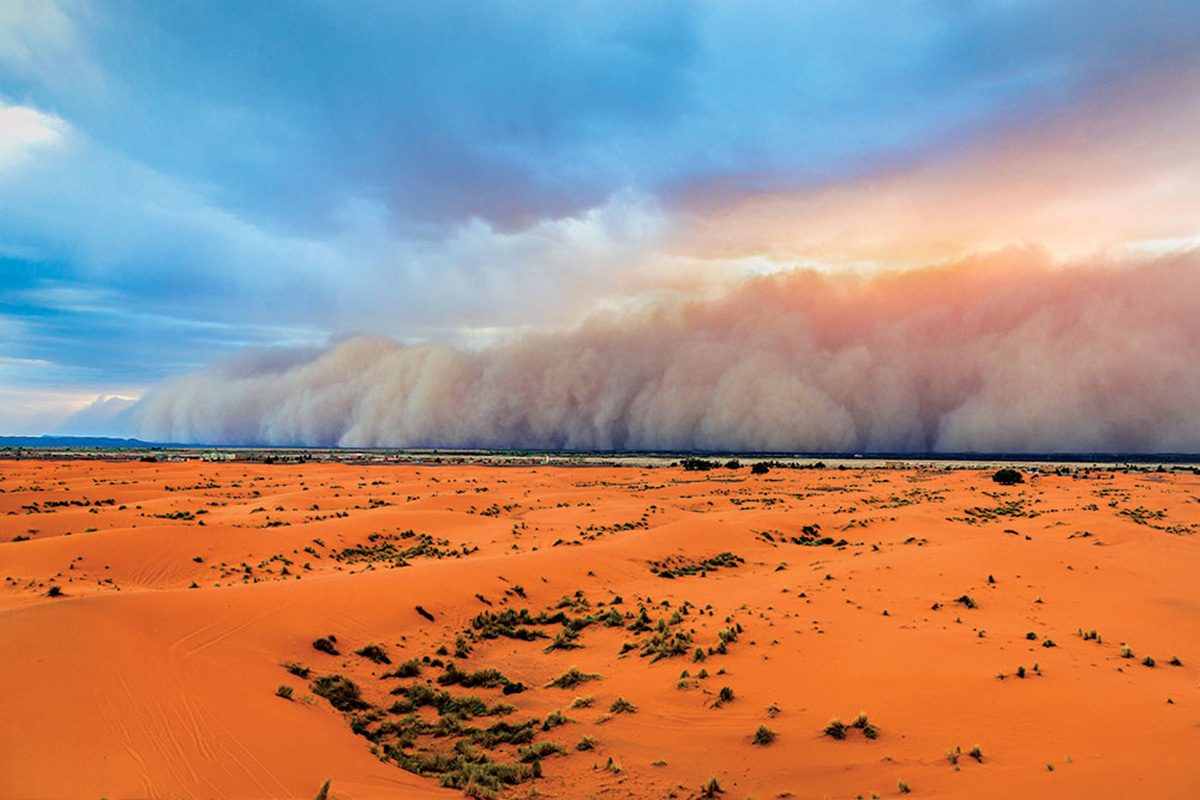
African dust, unlike the usual suspects, can affect small, isolated reefs where the usual suspects are absent, and these dust events have increased in recent years. Due to behind-the-scenes politics and lack of funding, university and government agency scientists have yet to test dust and other chemicals.
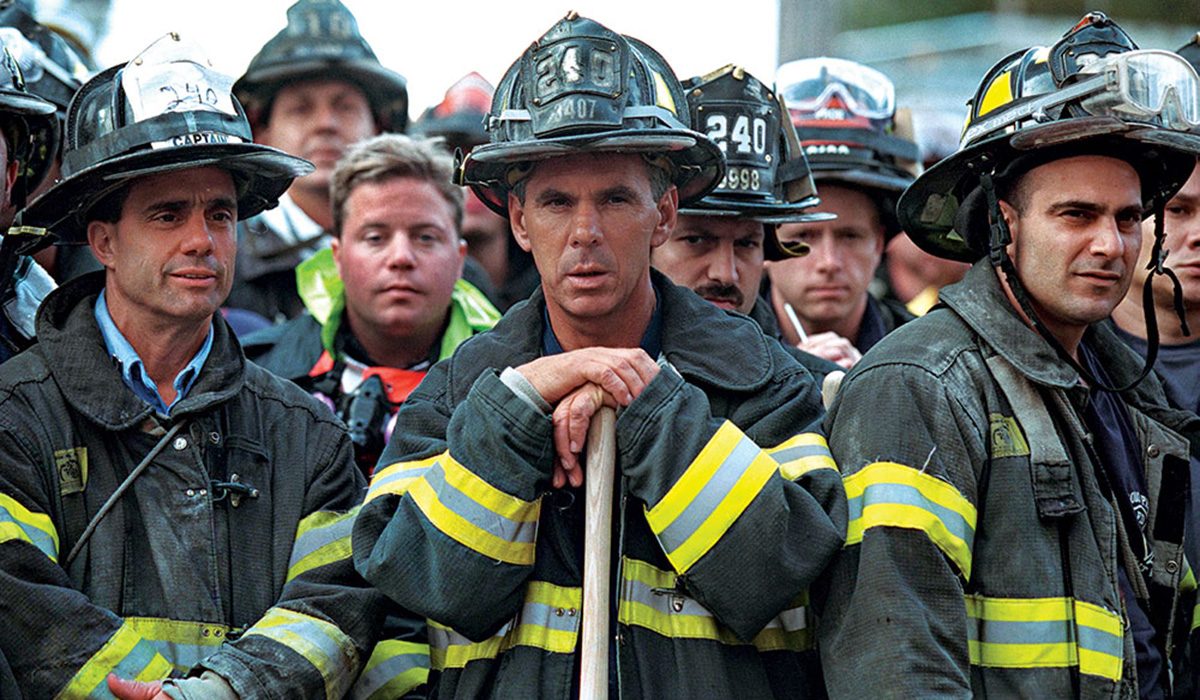
Paul Bardo witnessed the second plane collide into the south tower of the World Trade Center on Sept. 11, 2001. As a firefighter, he responded to the call. Scuba diving was therapy.
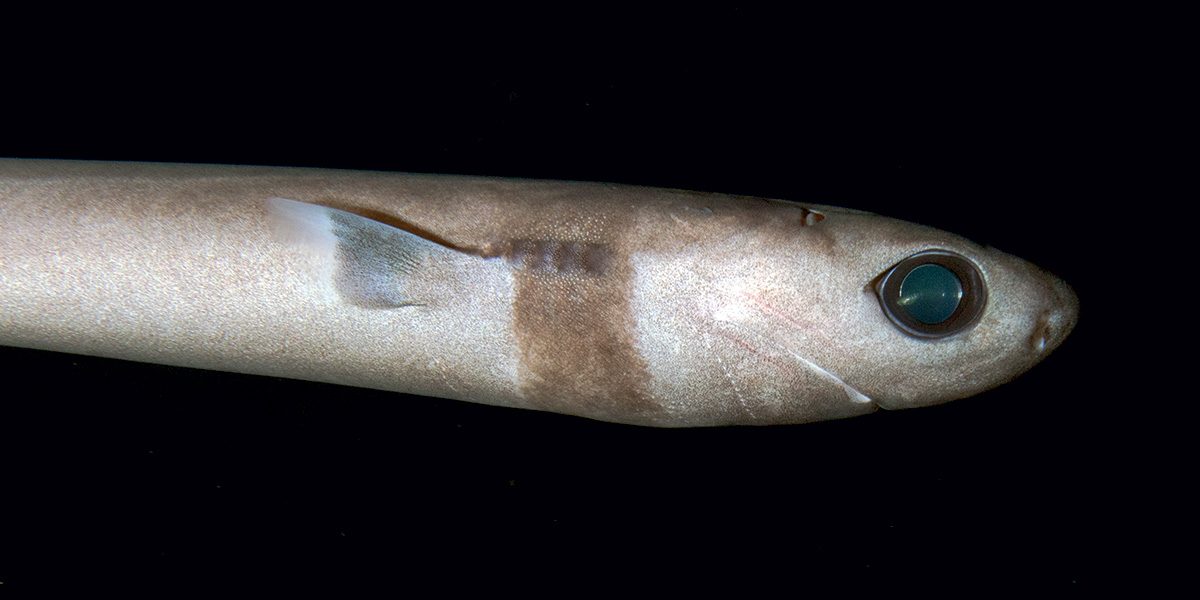
Cookiecutter sharks and pygmy sharks are unusual to see because of where they live, but they are common from the perspective of total oceanic diversity.
The REEF Volunteer Fish Survey Project is the world’s largest database of marine-life sightings, containing more than 250,000 surveys, thanks to divers and snorkelers from all over the world. Scientists, policymakers and resource managers use REEF data for research and to make informed decisions, and divers can consult the database to learn what species have been reported at a given location. By engaging in this ocean citizen science initiative, each dive can be a fascinating and rewarding underwater scavenger hunt.
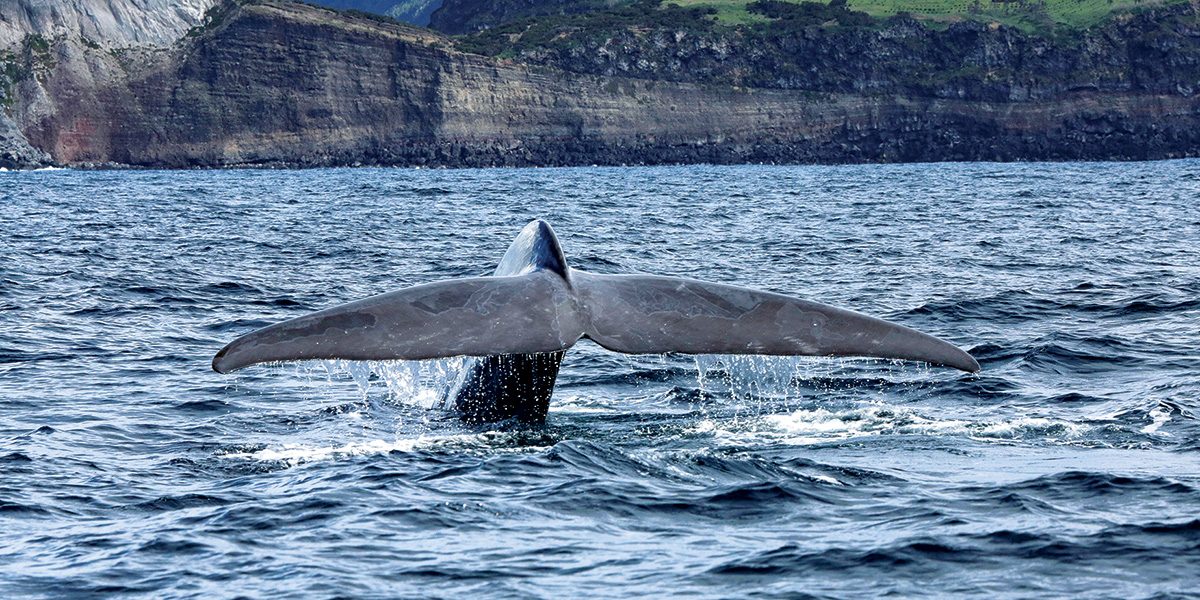
Understanding migration routes of blue whales may lead to more protection of blue whales in those locations.
DAN has been tracking scuba-related incidents since the late 1980s, and the dive community is critical to our success in collecting information about fatal and nonfatal injuries. Our dive safety and medical experts have produced essential recommendations as a result of their in-depth analyses of incident data. What is critical for better data is for divers and others to report incidents to DAN. By collecting more data, DAN can continue toward the goal of making every dive accident- and injury-free.
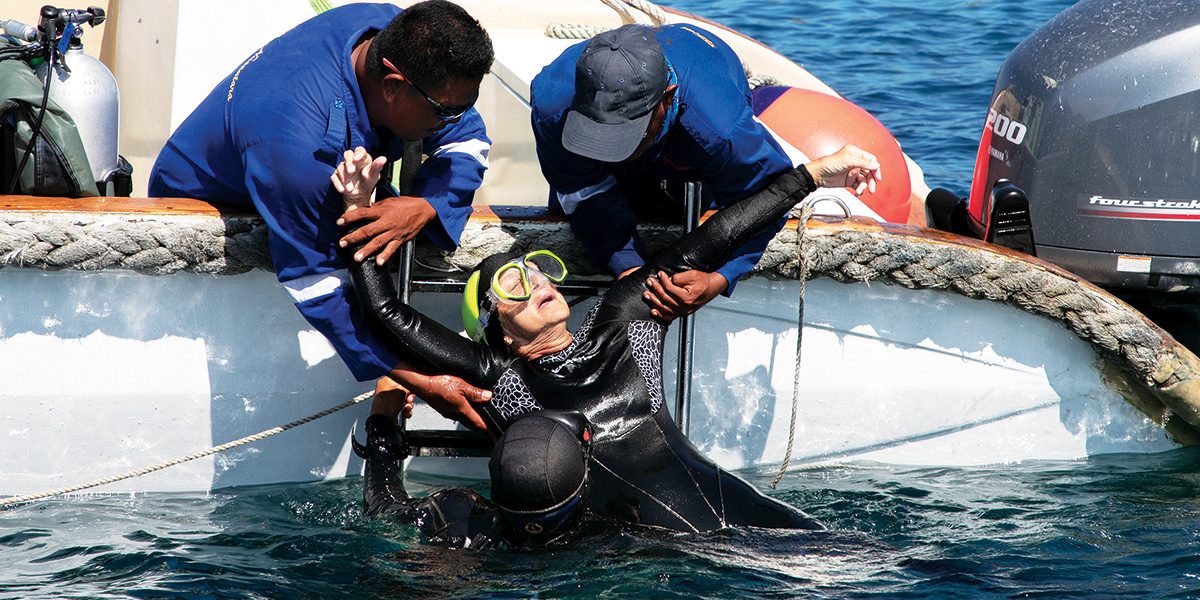
At Divers Alert Network, our commitment to making diving safer runs deep. The members of DAN’s board of directors have spent their careers managing risk, exploring the underwater world and supporting those who dive. These are our directors and the reasons they dedicate their time to DAN.