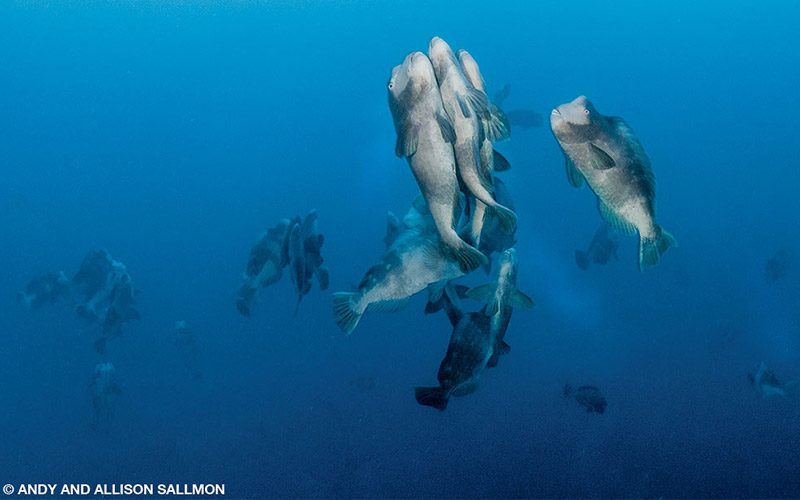
Pharmacy of the Sea
Coral reefs are important in drug research as compounds in marine life could inspire new drugs and medications. These discoveries could fuel breakthroughs in AIDs/HIV research, for example. Read more about reefs and drugs.
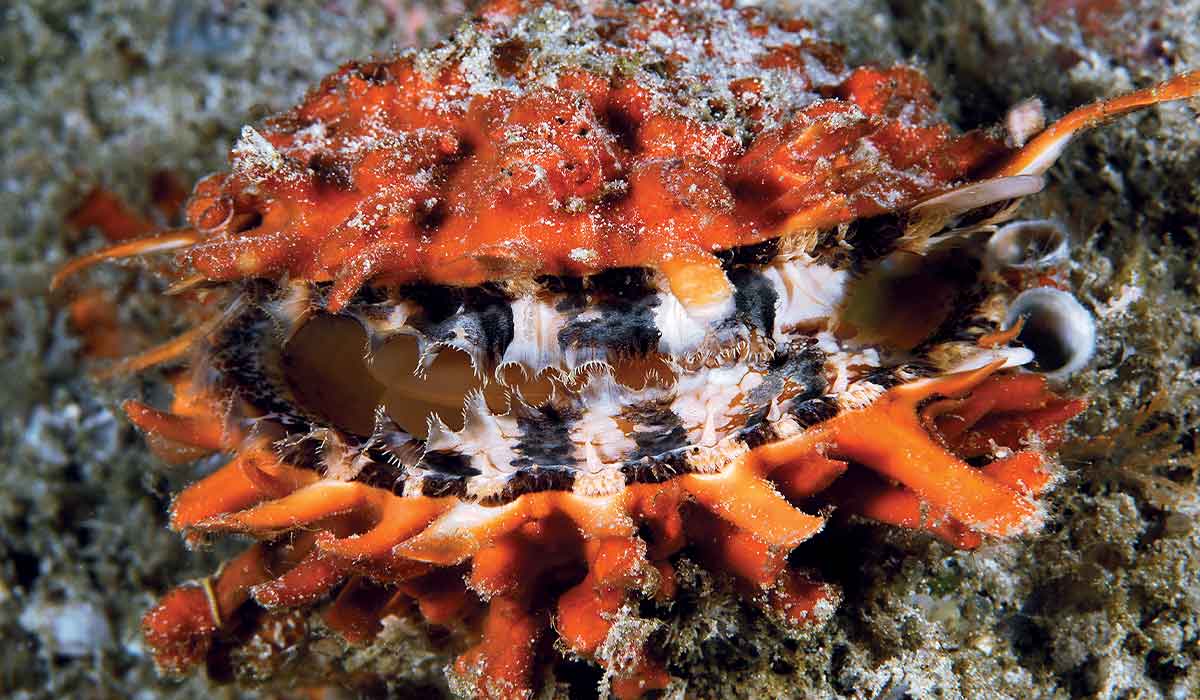
Coral reefs are important in drug research as compounds in marine life could inspire new drugs and medications. These discoveries could fuel breakthroughs in AIDs/HIV research, for example. Read more about reefs and drugs.
Fiji’s coral reefs have been on the mend for years, and these days, they are finally beginning to thrive. Read more about Fiji’s dive sites and how to get there.
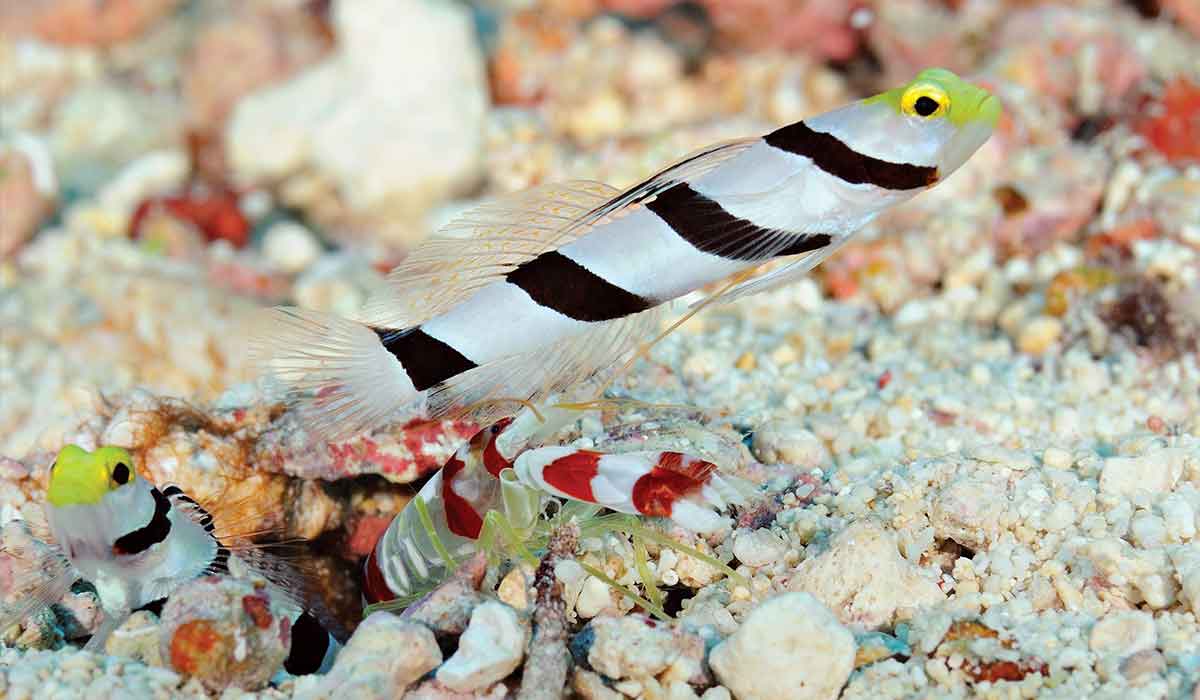
Bacteria is an elusive and often undefined threat, but what dangers does it pose to divers? Take a look at the different microbial threats to divers, and learn what you can do to reduce the risk of infection.
Bonaire has world-class reefs and fantastic animal attractions — sightings that can spoil any diver. Learn more about how to dive and what to expect in Bonaire.
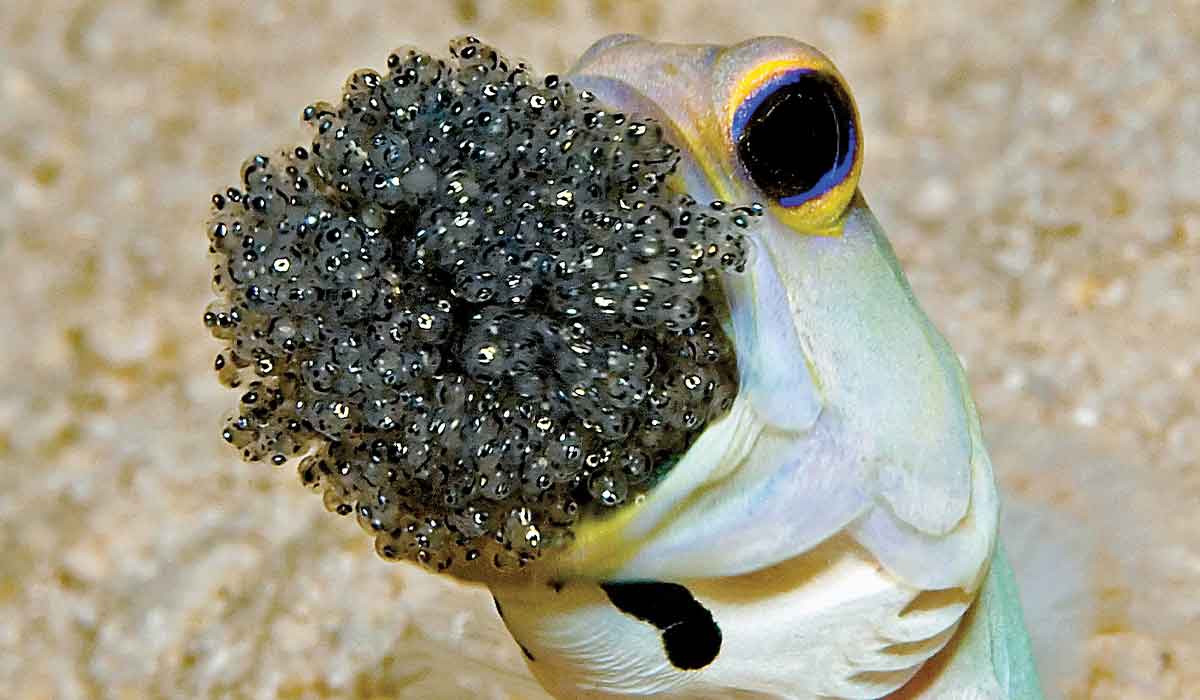
Embark on a journey with Dive Saba to experience an incredibly varied seascape, perfect for diving enthusiasts and explorers alike.
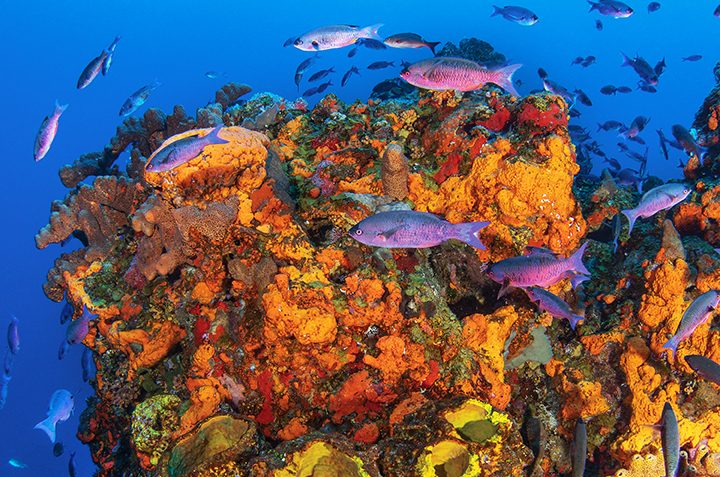
Great white sharks are capricious fish. They are iconic, impressive, photogenic, and awe-inspiring but also frustrating. That frustration is not all about the animal — part of it is how few places in the world you can go to see them.
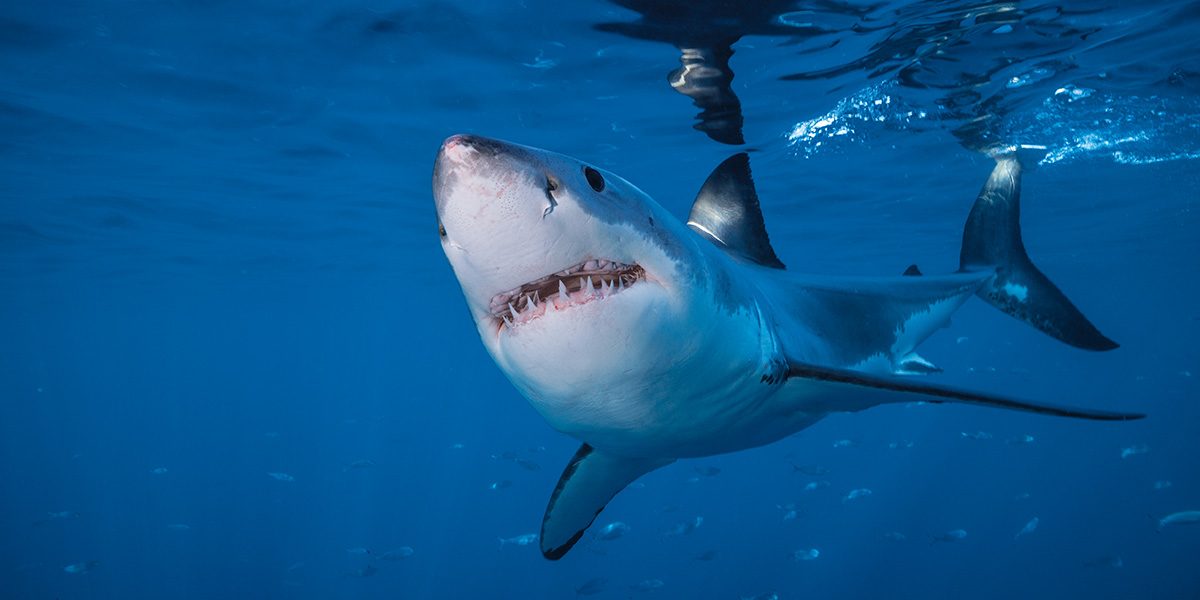
This is Fakarava — a remote atoll in French Polynesia that feels more like a gateway to another world than a dive destination. Nestled in the remote Tuamotu Archipelago, this UNESCO biosphere reserve is where discriminating divers come to leave the ordinary behind.
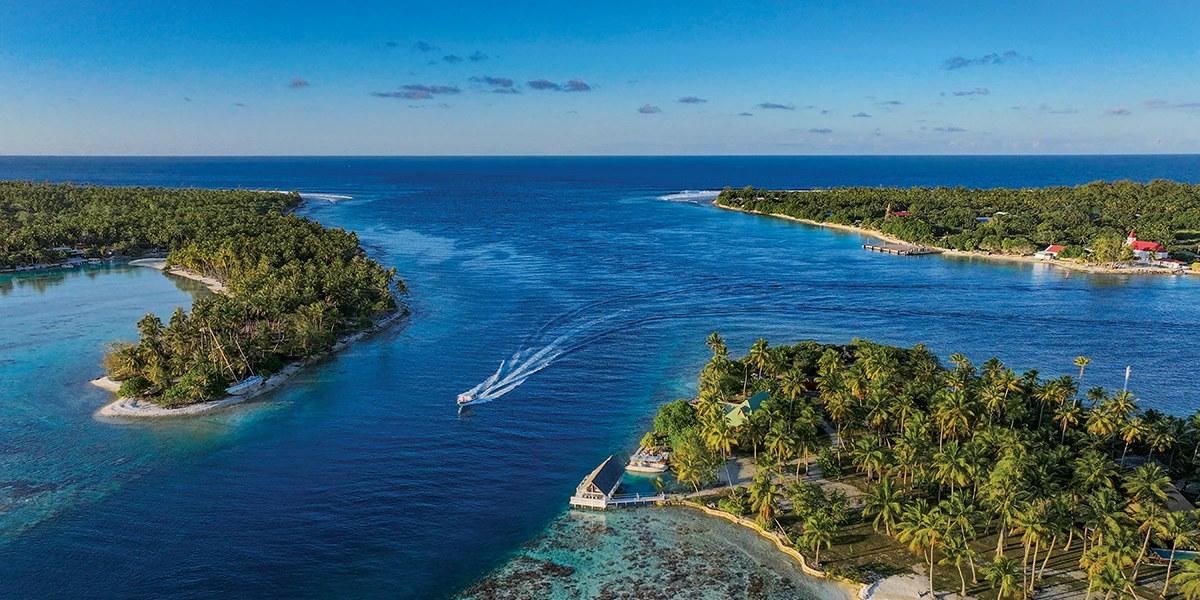
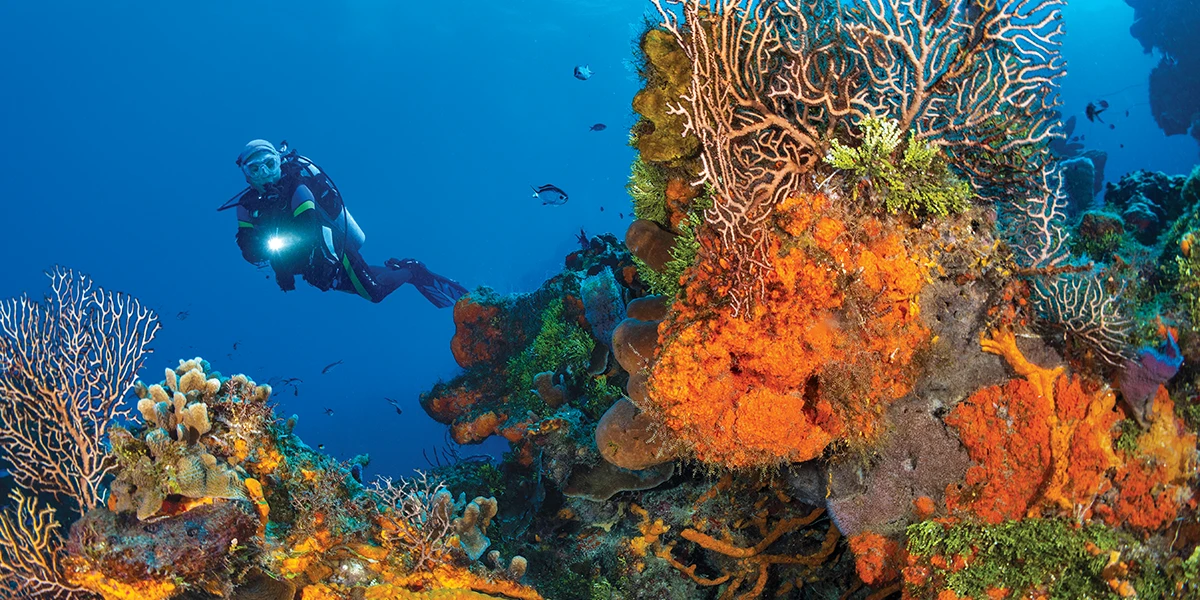
Cozumel, a tiny gem of an island in the Caribbean Sea, is nestled across from mainland Mexico in the state of Quintana Roo near the eastern tip of the Yucatán […]
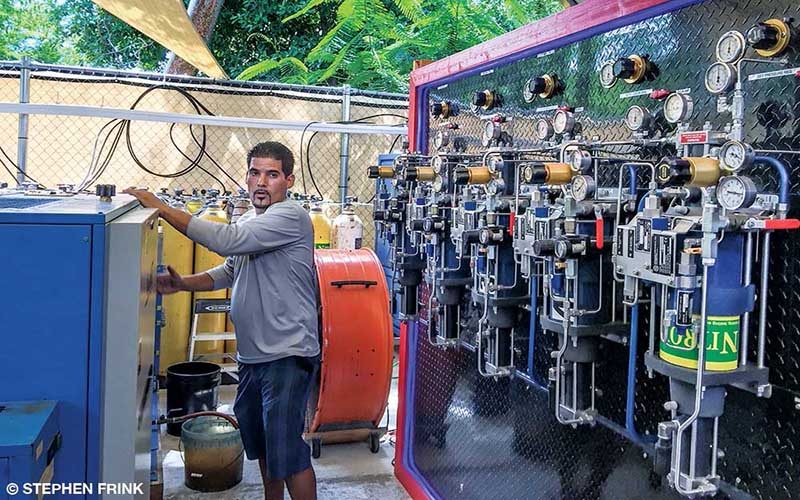
DAN’s HIRA initiative uses incident data and risk-prevention strategies to help identify hazards in the dive industry. Learn more about this HIRA plan.
Palau is rich in vibrant colors underwater and also has a rich local history. Read more about where to dive and what to see in Palau.