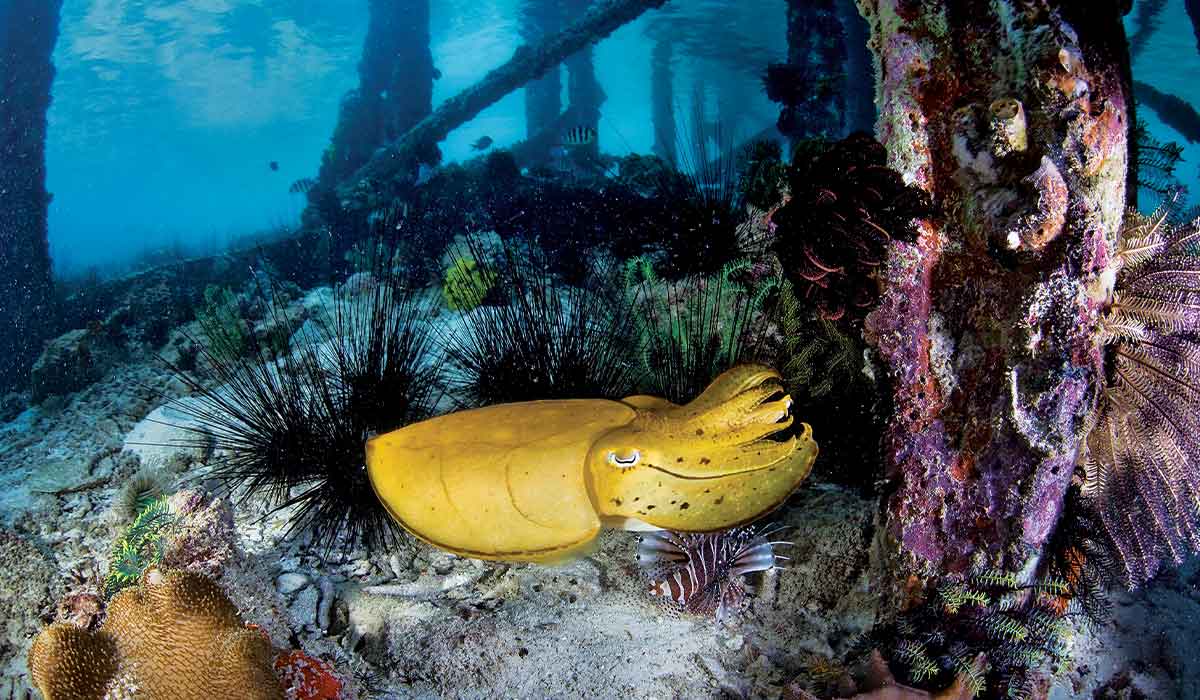
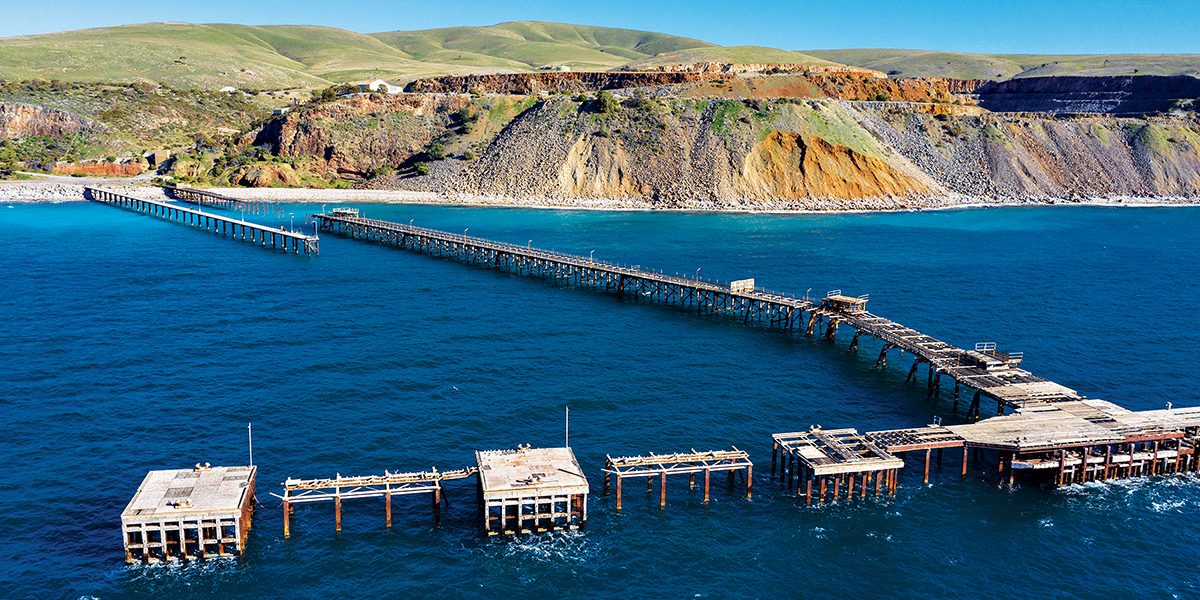
Piers and docks often act as reefs and harbor an abundance of shallow-water fish. These places were not designed to attract animals, but they have since become safe havens. Read more about the importance of piers and docks for marine life.
It is early June, the onset of winter in the Southern Hemisphere, and an army has just reached its destination. It has marched from the ocean’s depths into the shallows, amassing among the pilings at Blairgowrie Pier in Port Phillip Bay, south of Melbourne, Australia.
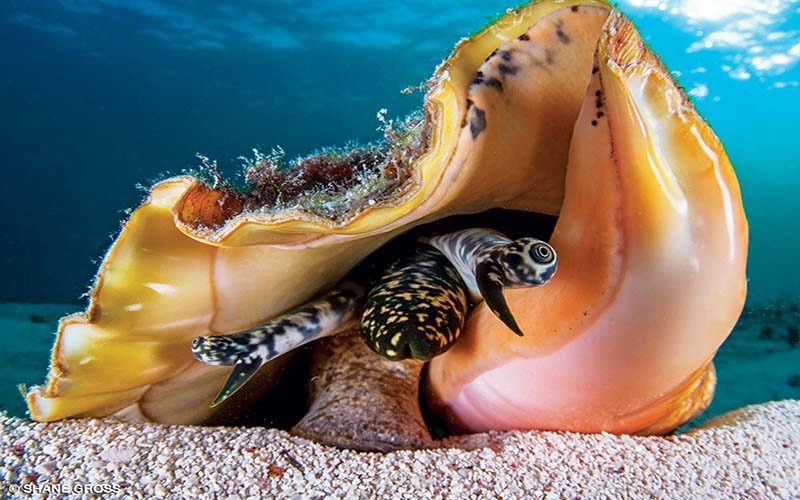
Conch snails are remarkable creatures with a set of eyes, a nose (sort of), a mouth and one foot. And because they’re slow, conches are commonly picked up and are a considered a delicacy in some regions.
Poisons and venom have helped ocean species survive for thousands of years. These evolutionary adaptations enabled the species to hunt and thrive in different conditions. Read more about the roles of poisons and venoms in different species.
As I drove west past Port Alberni on Vancouver Island, British Columbia, on my way to a photo shoot, I watched in disbelief as the temperature gauge in my vehicle rose from 64°F (18°C) to 113°F (45°C). I thought something was wrong with my gauge, but a local radio station reported the same temperature. British Columbia had record-high temperatures throughout the province that week in June 2021.
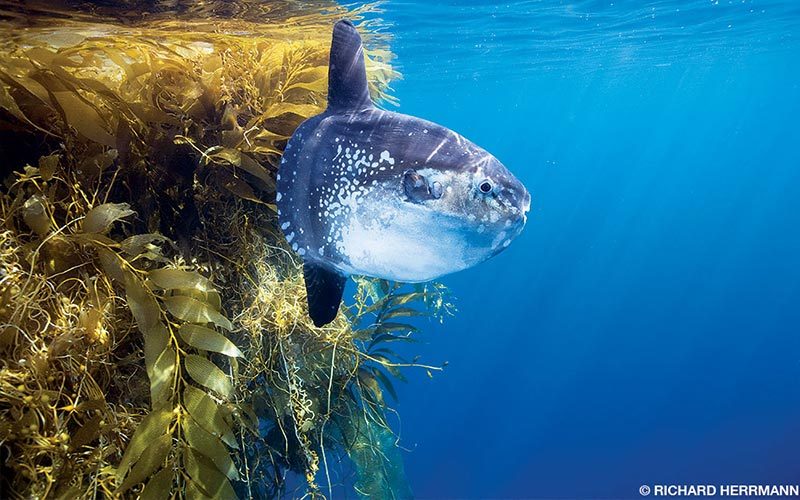
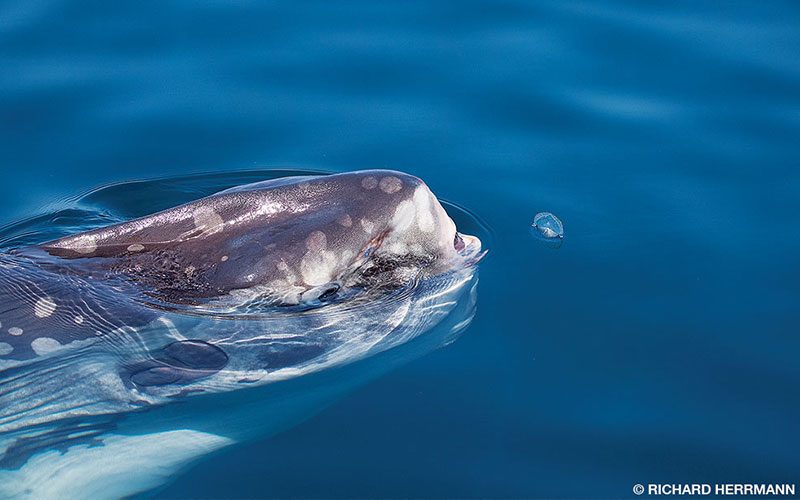
Mola molas, or sunfish, are some of the heaviest bony fish in the world. They are interesting creatures who dine on jellyfish.
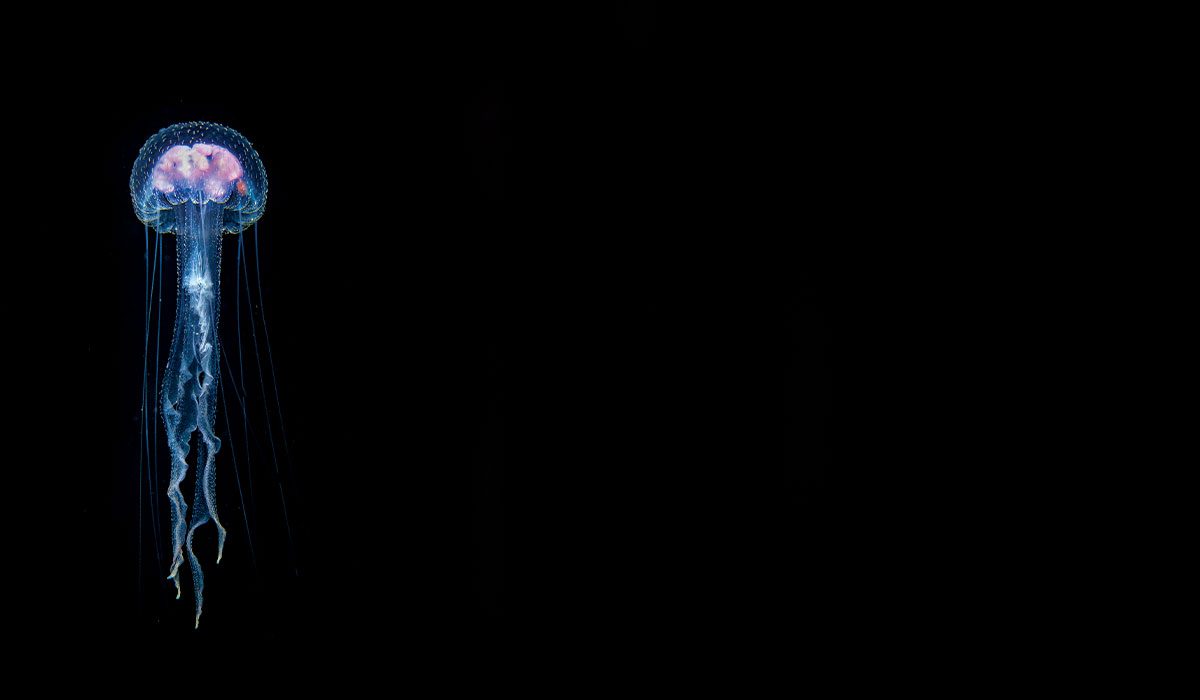
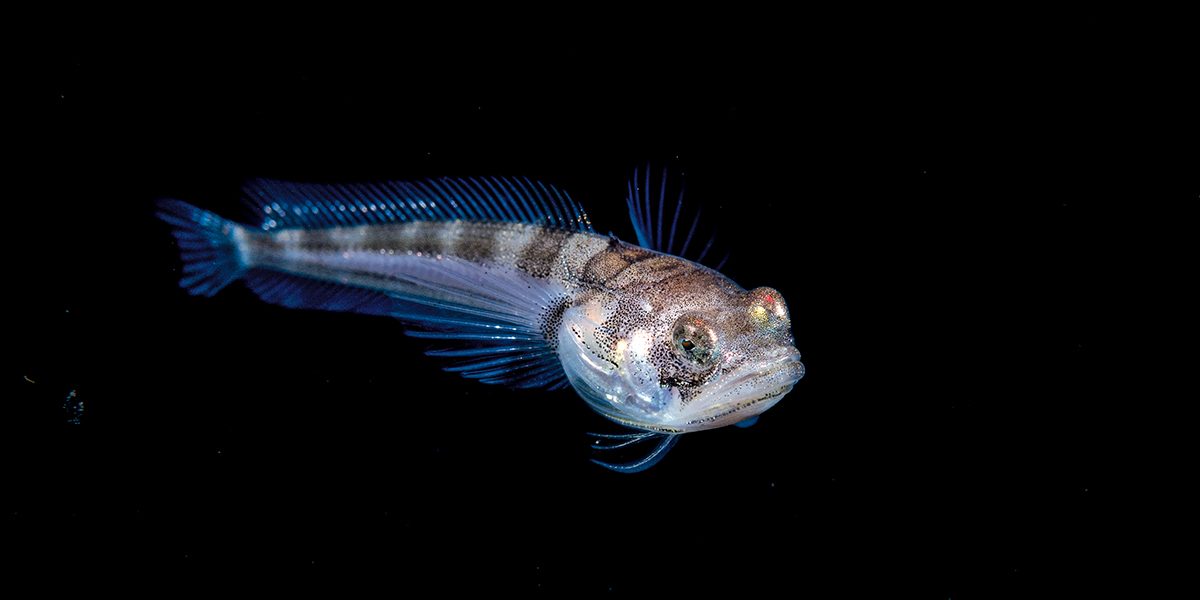
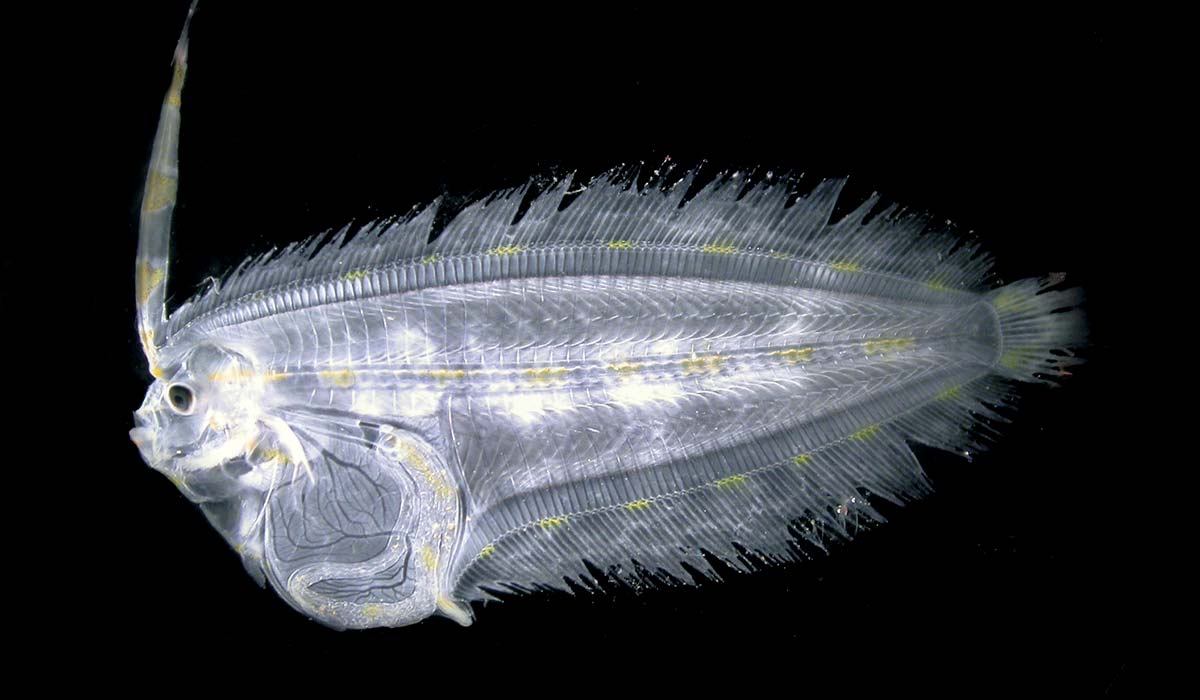
Larvae are often part of the complex life cycles of a variety of species — eels, squids, fish, jellyfish and more. Learn more about larvae and this reproductive strategy.
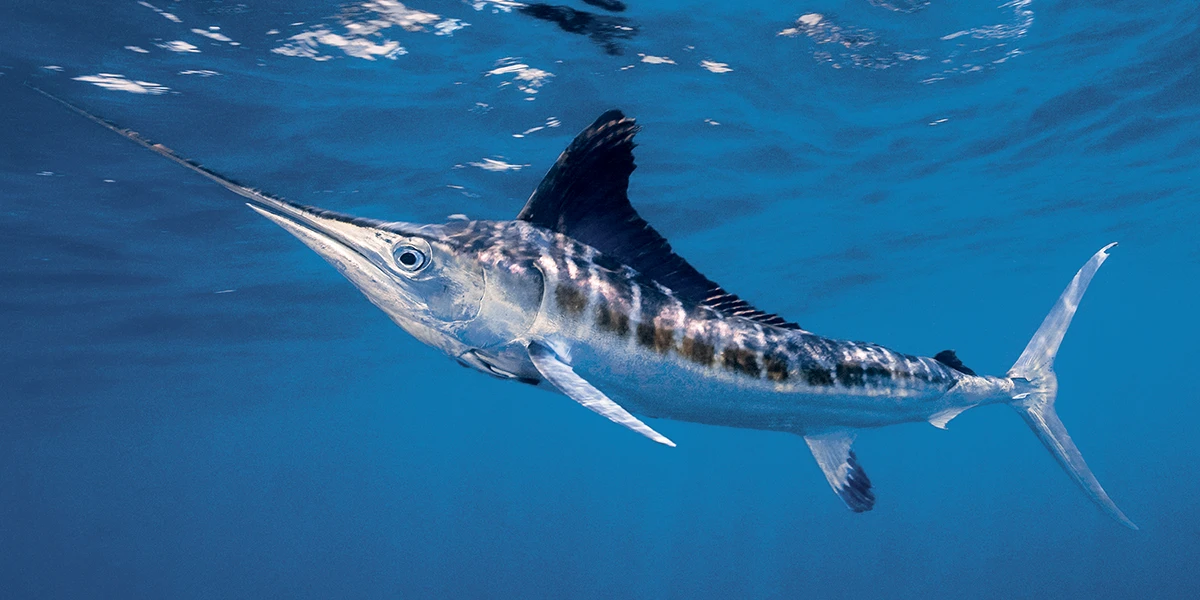
When you think of a billfish, what comes to mind? Perhaps it’s a swordfish, a sailfish, or even the giant marlin from Ernest Hemingway’s classic The Old Man and the Sea. It can be confusing because 12 species are collectively known as billfish: one swordfish, four spearfish, two sailfish, and five marlins.
Mola molas, or sunfish, are some of the heaviest bony fish in the world. You can see these creatures firsthand in Bali.
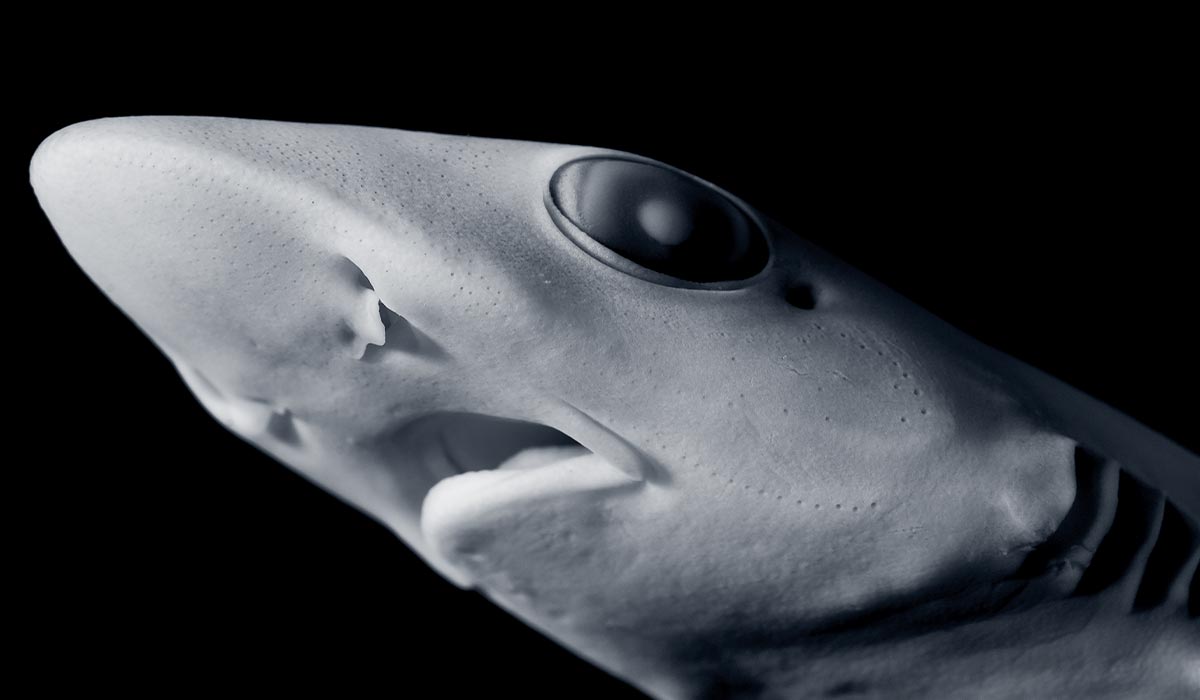
Way below where the light touches, live interesting marine critters — some would even say creepy. Read more about what lurks beneath the darkness.