Peter Bennett
MOST DIVERS KNOW PETER BRIAN BENNETT, PHD, DSC, AS THE FOUNDER OF DIVERS ALERT NETWORK, through which he brought significant changes in how we understand and enact dive safety.
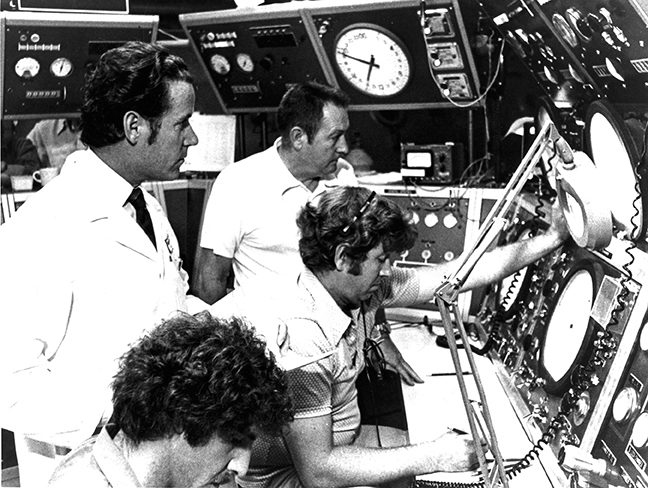
MOST DIVERS KNOW PETER BRIAN BENNETT, PHD, DSC, AS THE FOUNDER OF DIVERS ALERT NETWORK, through which he brought significant changes in how we understand and enact dive safety.
Jay Dean, PhD, is a professor of molecular pharmacology and physiology at the University of South Florida (USF), where he studies the effects of oxygen, carbon dioxide, and barometric pressure on the mammalian central nervous system.
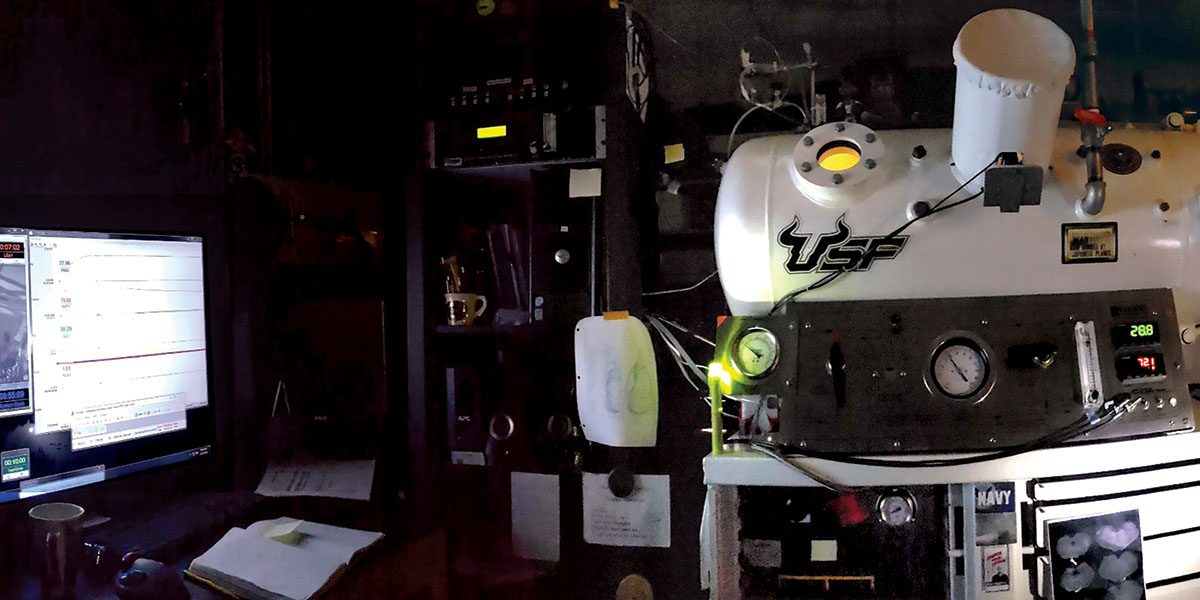
PETAR DENOBLE, MD, D.SC., HAS DEDICATED HIS CAREER to exploring and solving practical issues in dive medicine.
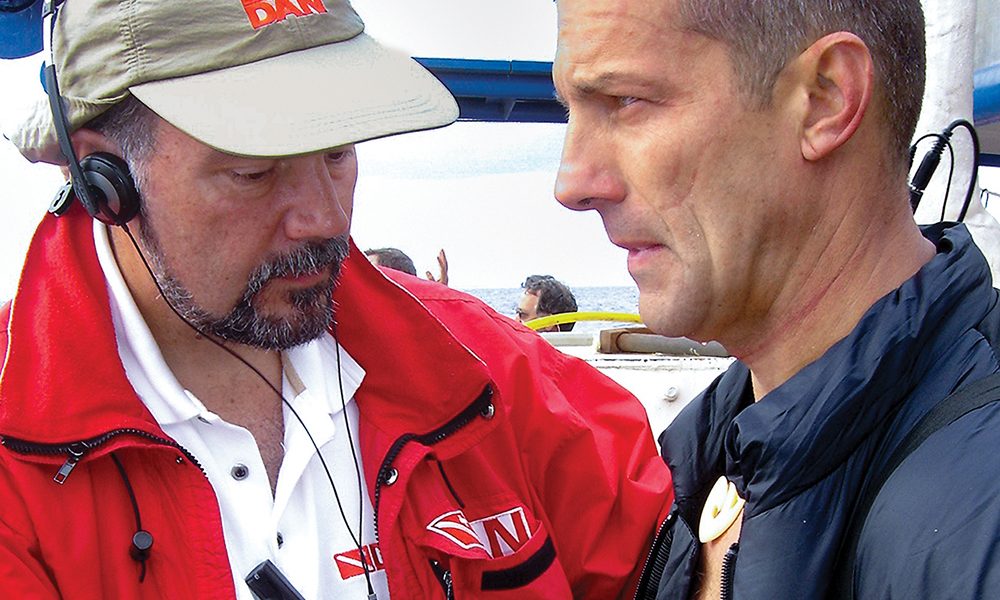
OSKAR FRANBERG LEADS THE RESEARCH GROUP in marine systems engineering at the Blekinge Institute of Technology in Karlskrona, Sweden, and is managing director of the Swedish National Underwater Technology Center. […]
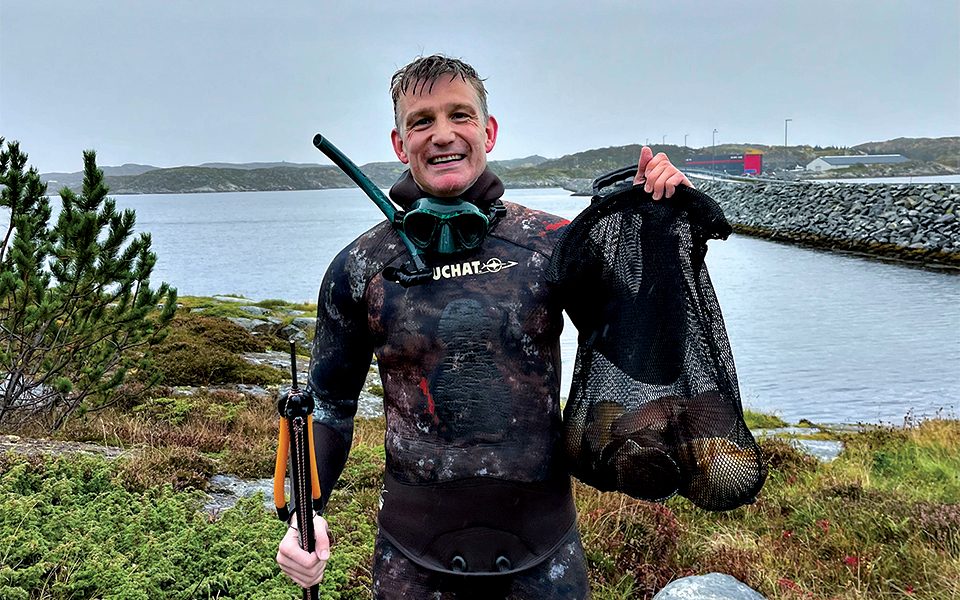
FISHING AND BEING ON THE WATER with family while growing up influenced Michael Lombardi to study marine biology. He and a friend got certified to dive during his junior year […]
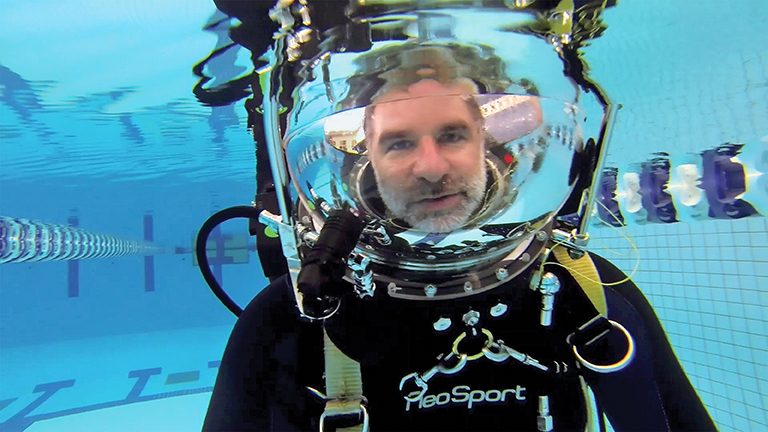
Melissa Ilardo, PhD, is passionate about working in the distinct field of genetic analyses on individuals, primarily in Indigenous populations who have adapted to unique lifestyles or environments.

Pieter-Jan van Ooij, MD, PhD, is the head of the Department of Research, Innovation, and Education at the Royal Netherlands Navy’s Diving Medical Centre (DMC).
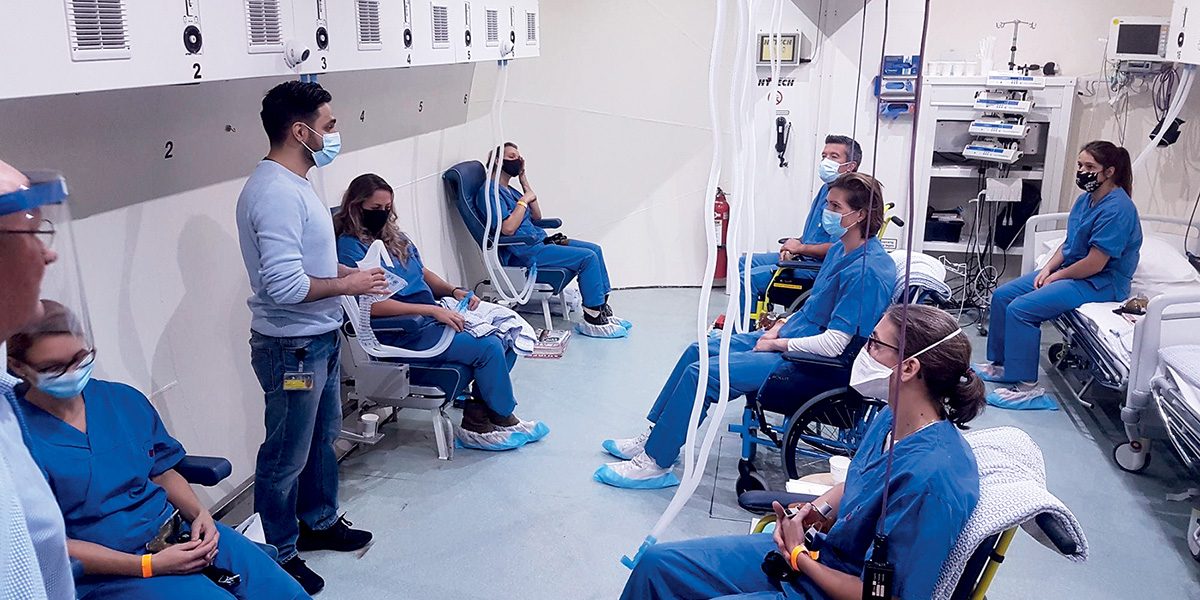
Born in Uruguay in 1982, Alejandro Garbino, MD, PhD, has been fascinated with air and sea since he was young. His passion for the air stemmed from an uncle who flew banner airplanes along the beach.
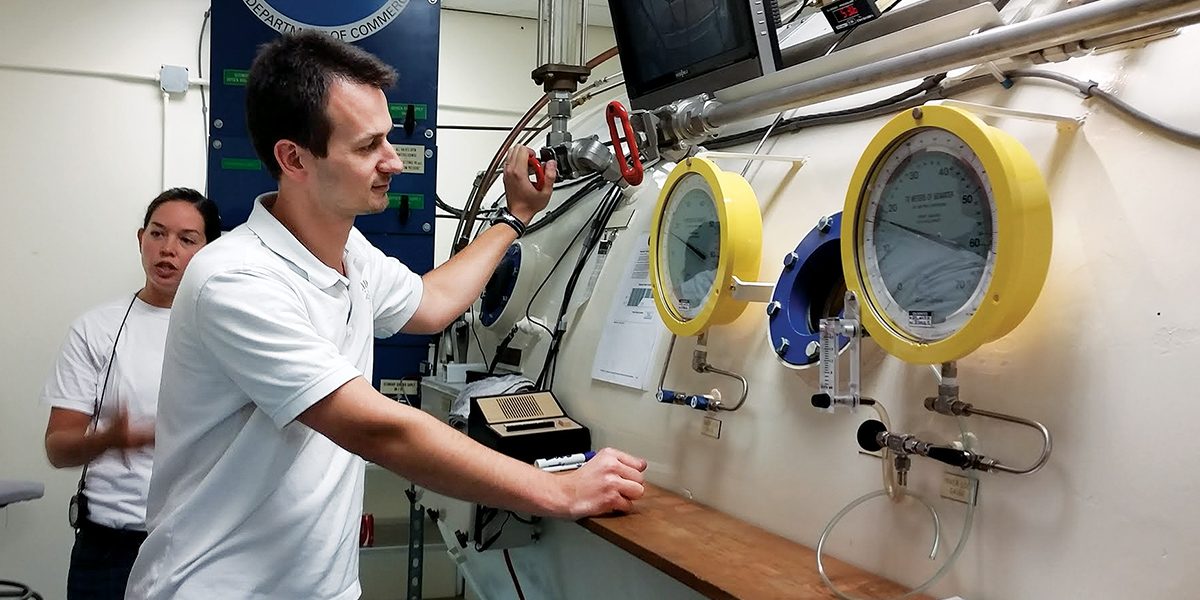
Known for her work in developing sophisticated algorithms and methods for managing and coordinating complex systems, Silvia Ferrari has applied her expertise to integrating scuba diving technology with robotic systems.
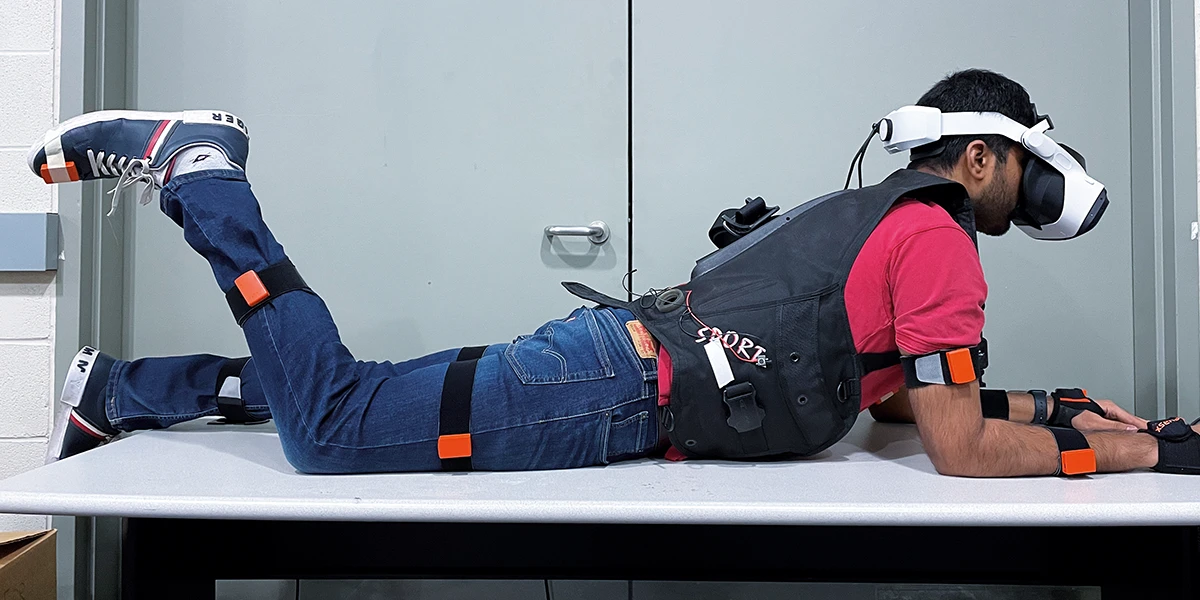
Researchers at the University of Colorado Boulder’s Shields Lab — led by Wyatt Shields, PhD, an assistant professor of
chemical and biological engineering — are investigating how engineered microparticles, specifically designed for use in biomedicine, can be used in areas such as biosensing, where they bind to certain molecules or cells to enable drug delivery and the detection of biological conditions.