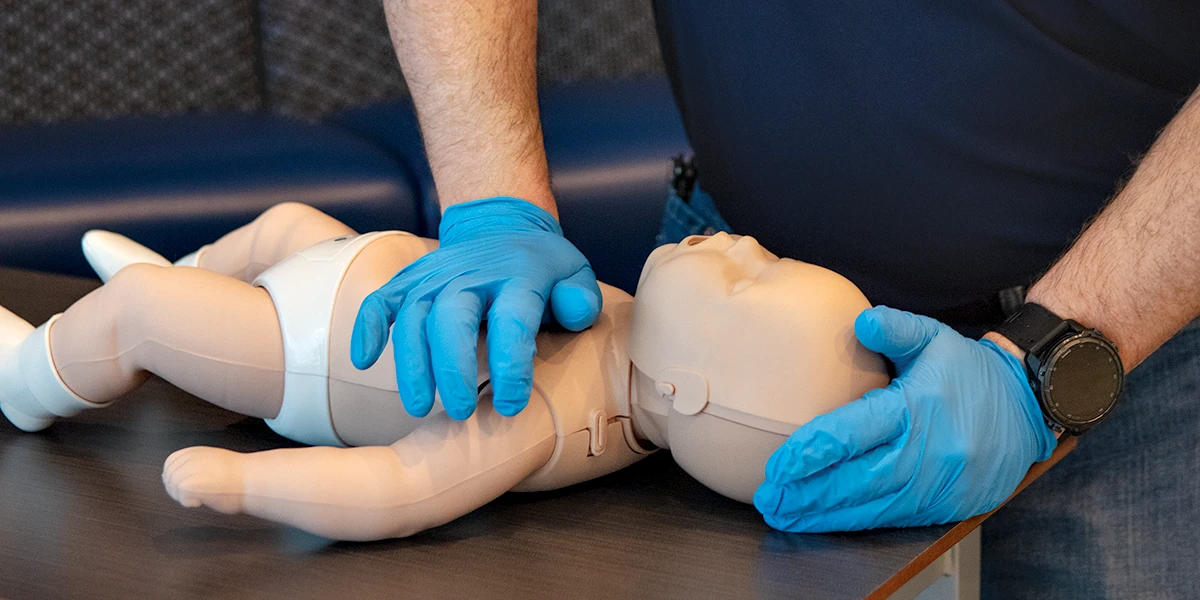
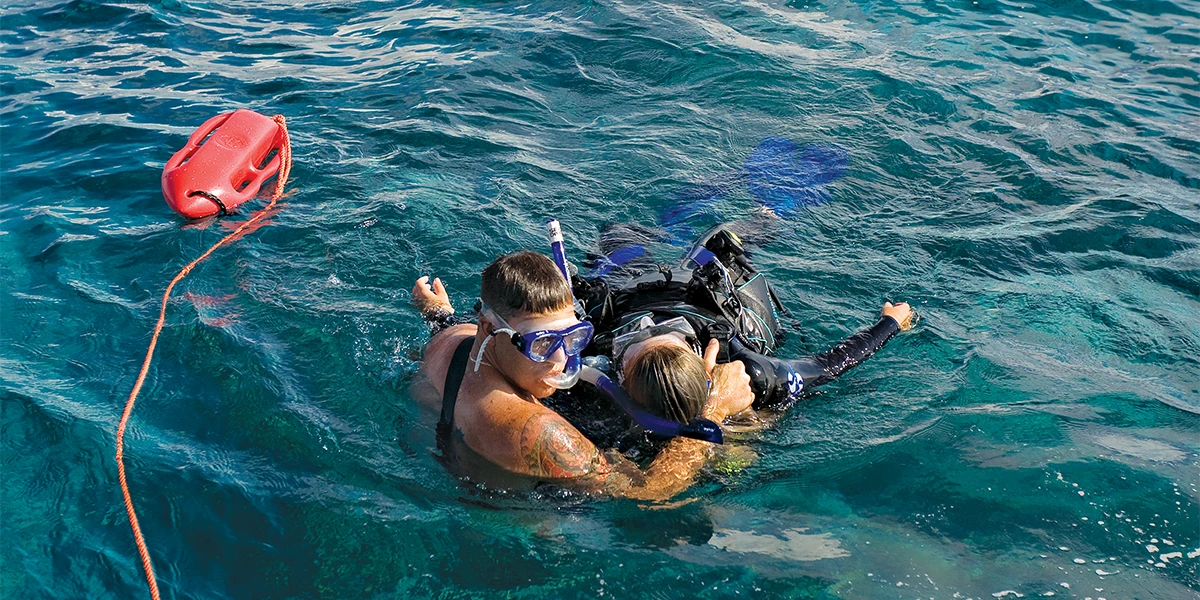
Divers Alert Network (DAN) provides the industry’s most comprehensive cardiopulmonary resuscitation (CPR) and first aid training, grounded in evidence-based practices. Our programs leverage DAN’s research and medical expertise, along with the internationally recognized guidelines established by the International Liaison Committee on Resuscitation (ILCOR).
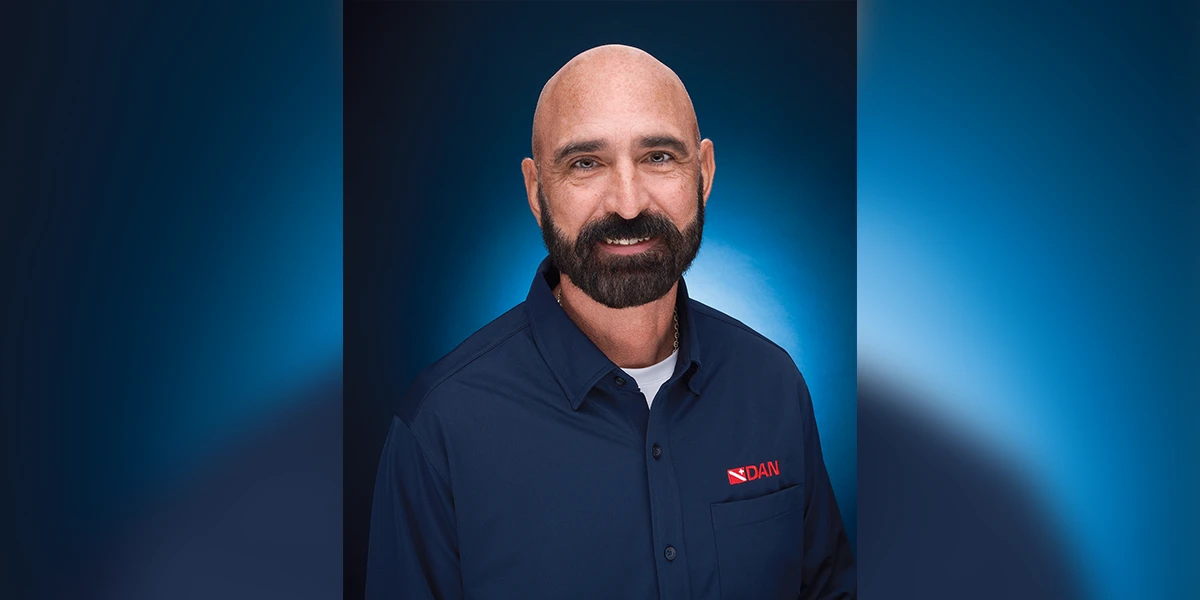
Stepping into the role of president and CEO of Divers Alert Network is both an honor and a responsibility I take seriously. For more than four decades DAN has been a trusted partner to divers around the world, providing medical guidance, emergency assistance, scientific insight, and peace of mind.
While growing up I had two lifelong goals: become a diver and join the military to be part of the elite Special Operations Forces. I became a certified diver in 1994, when a close friend convinced me to plunge into Louisiana’s lakes with him, and I joined the U.S. Army a year later.
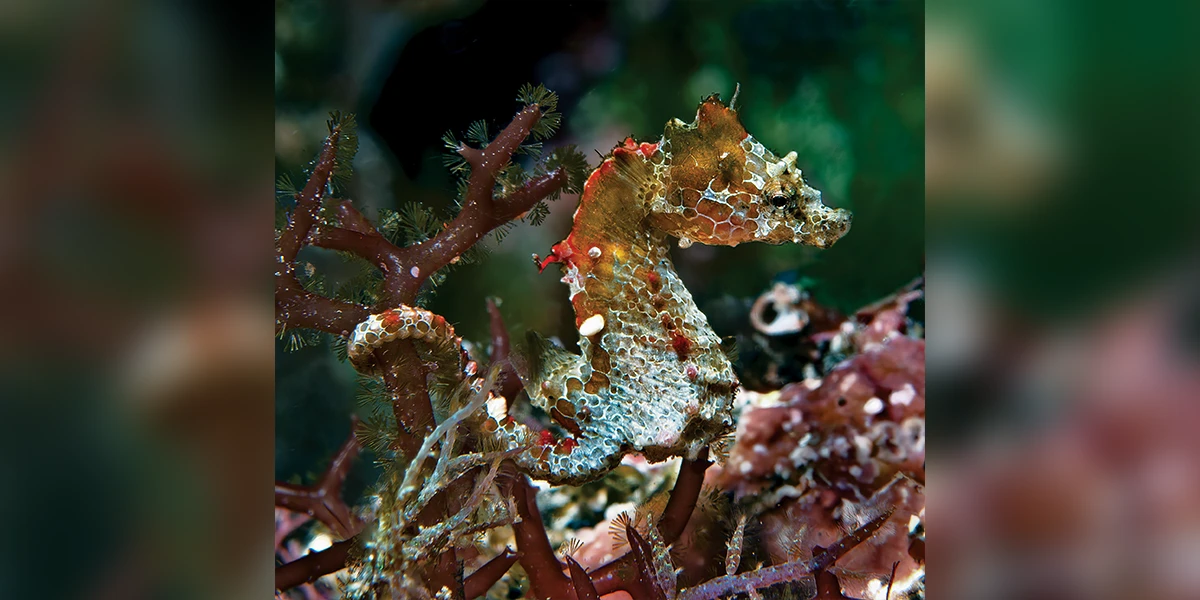
When you set out into the sea to look for the divinely weird wonders of nature, you can’t do better than tracking down species in the order Syngnathiformes.
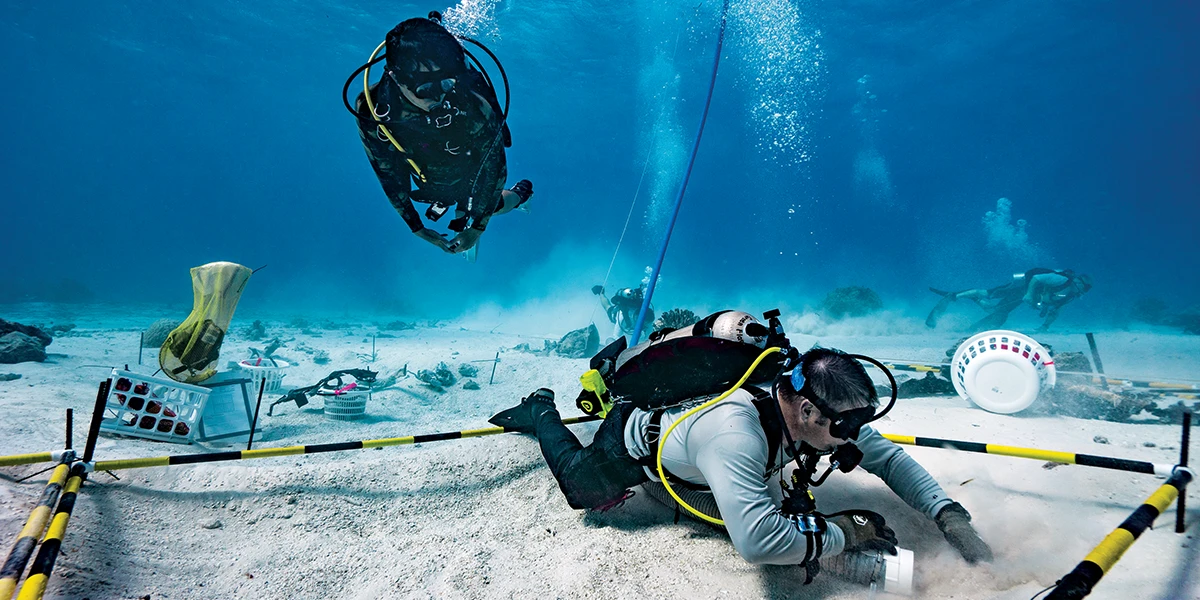
Emmanuel “Manu” Dugrenot, PhD, a senior researcher at Divers Alert Network (DAN), brings cutting-edge physiological research to the development of safety protocols for both technical and recreational diving.
When I began working as a dive photojournalist for Skin Diver magazine in the mid-1980s I was like other photojournalists of that era, Rick Frehsee and Michael Lawrence. We all lived near enough to Miami International Airport so we could easily fly to Caribbean destinations to do articles. Our small posse was frequently sent on assignment to “the islands.”
As a dive professional, I enjoy seeing divers coming out for their first ocean dive. A new diver is easily excited by every little detail, and it takes just one wonderful experience underwater to make diving a lifetime hobby.
Explore the Bay Islands of Honduras, home to stunning reefs and vibrant marine life. Discover underwater wonders waiting for you.
Imagine descending to a beautiful reef. The water is clear, fish glide past, and then you feel a strange pull on your face, like the mask is trying to suction itself onto your eyes. When you surface your eyes are red, swollen, and possibly bruised. The cause was mask squeeze, a common but preventable dive injury.
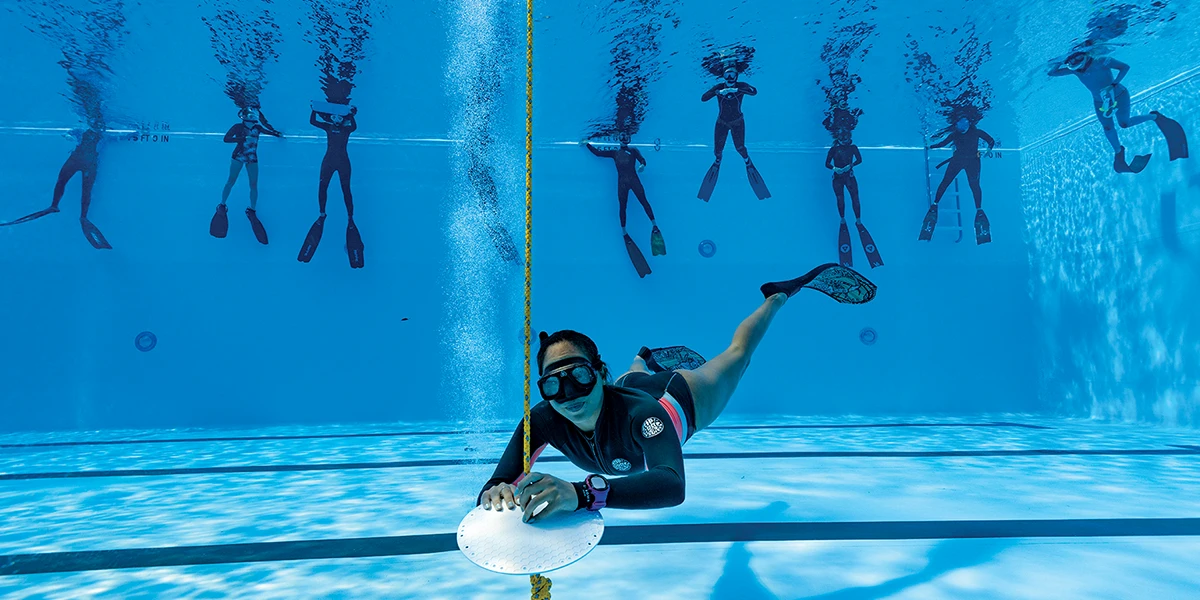
Uncover the importance of the culture of freediving safety in maximizing fun and minimizing risks during your underwater adventures.