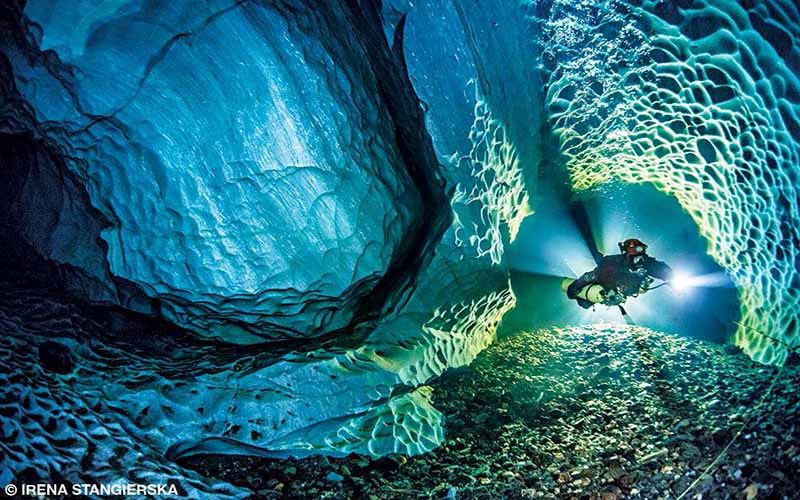
Cave diving is hard but doing so in the arctic may be even harder. Read a journal-style entry of what it’s like being a cave diver — physical demands, freezing temperatures, animal encounters, but at least there is hot chocolate.
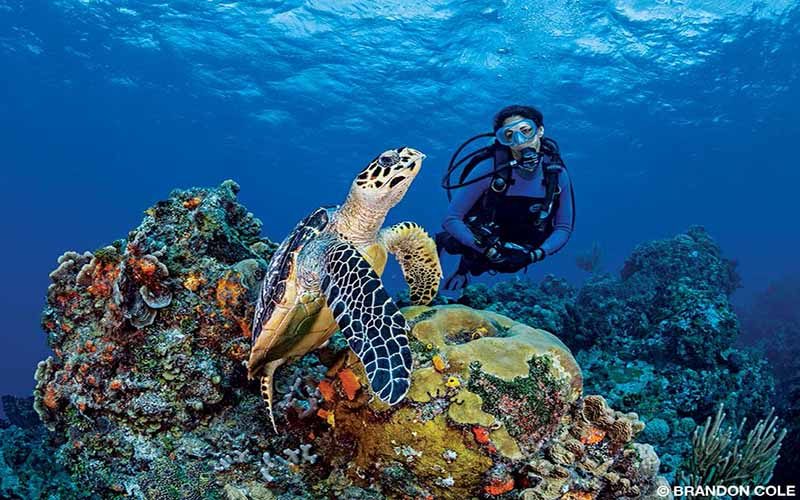
Cozumel is a year-round diving destination boasting colorful reefs and doesn’t involve many extensive travel logistics. One diver shares his opinion about why he loves going back to Cozumel.
Through the experience and professional connections made during their internships, numerous students have moved on to successful careers in dive medicine and research.
Tubbataha is located in the Sulu Sea in the middle of Indonesia, Malaysia and the Philippines. There are nearly 500 species of fish, 373 species of coral and more marine critters.
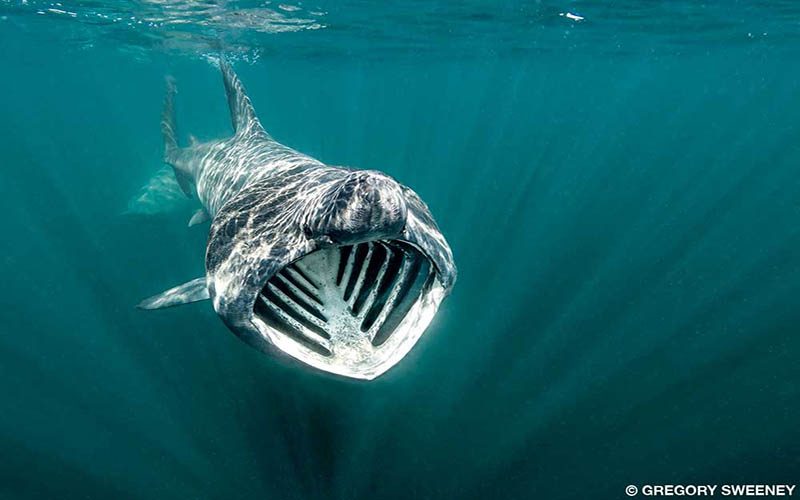
The basking shark is the world’s second-largest fish. They have large gaping mouths which are used to skim the plankton-rich surface of the water. Basking sharks are slow and populations have been declining.
While Kona, Hawaii may have the same biodiversity or colorful corals as other dive sites, it has much, much more. One diver discusses why they enjoy diving in Kona.
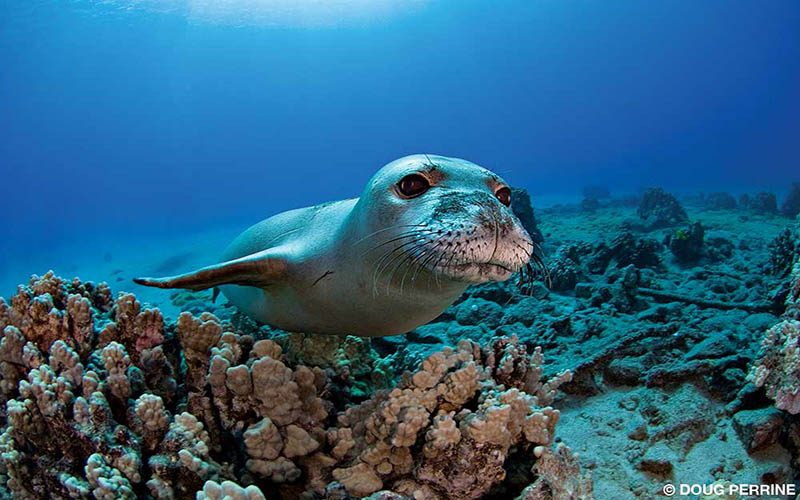
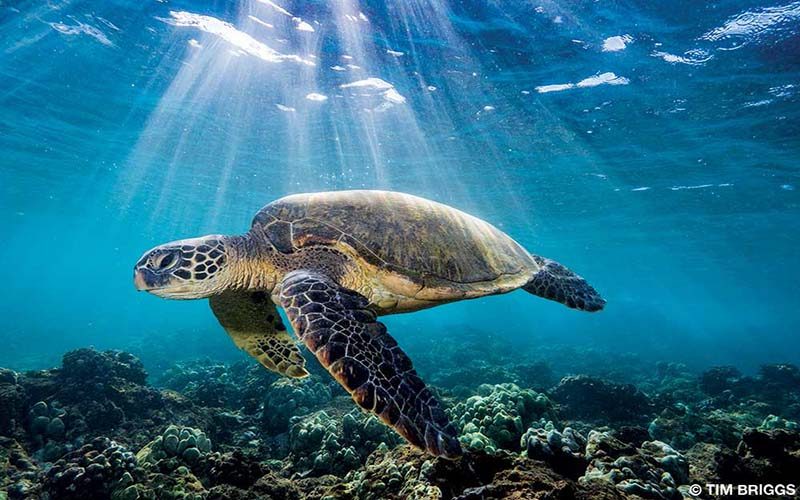
Fishing gear debris is unfortunately common in the waters surrounding Hawaii, and it threatens green sea turtles and the endangered Hawaiian monk seal. Volunteer divers, however, have come together to restore these waters.
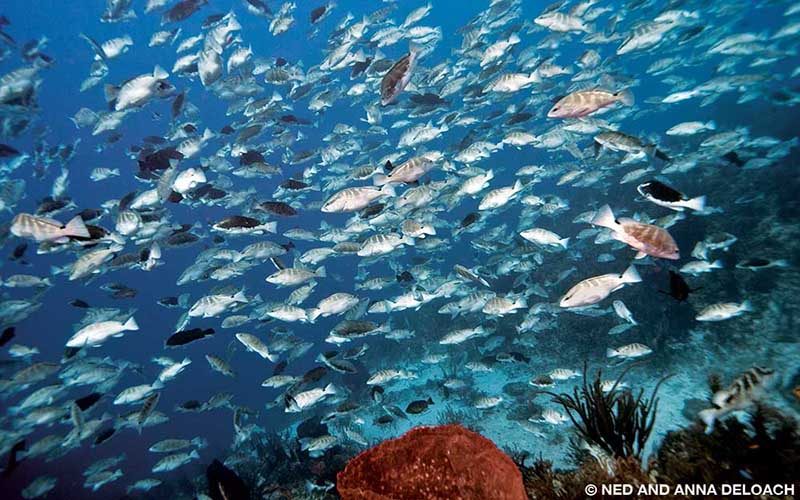
In response to the declining grouper populations, conservation organizations have paired with local government to spearhead initiatives. Their efforts have worked and populations have grown.
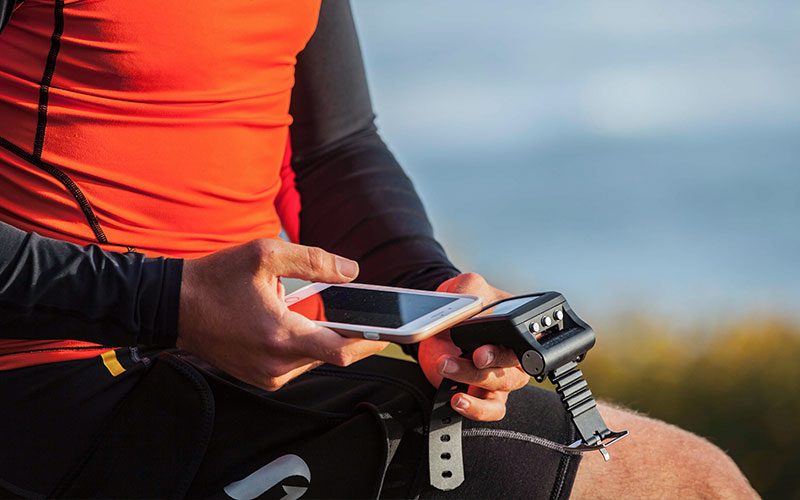
Dive computers and BCDs are expensive, which can make it very tempting to keep using the ones we own year after year. Remember that this is life-support gear, and it won’t last forever.
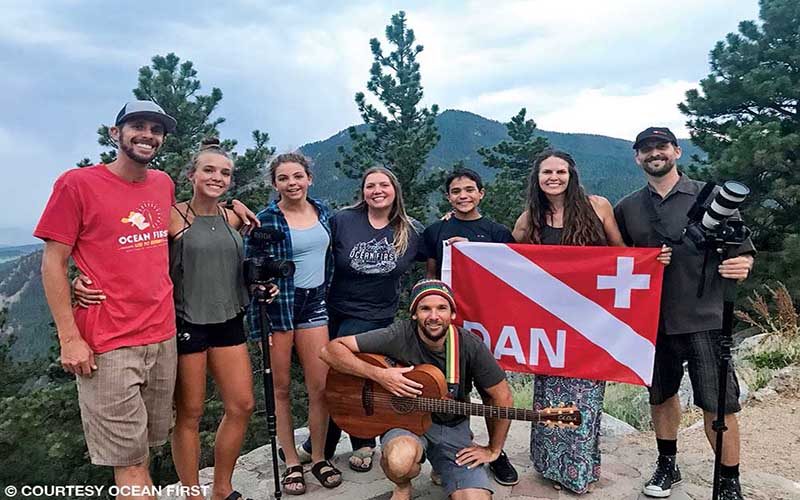
Thanks to scholarships, eight landlocked high school students were able to experience the ocean firsthand. Their experiences were part of a web-based series called “A Rising Tide.”