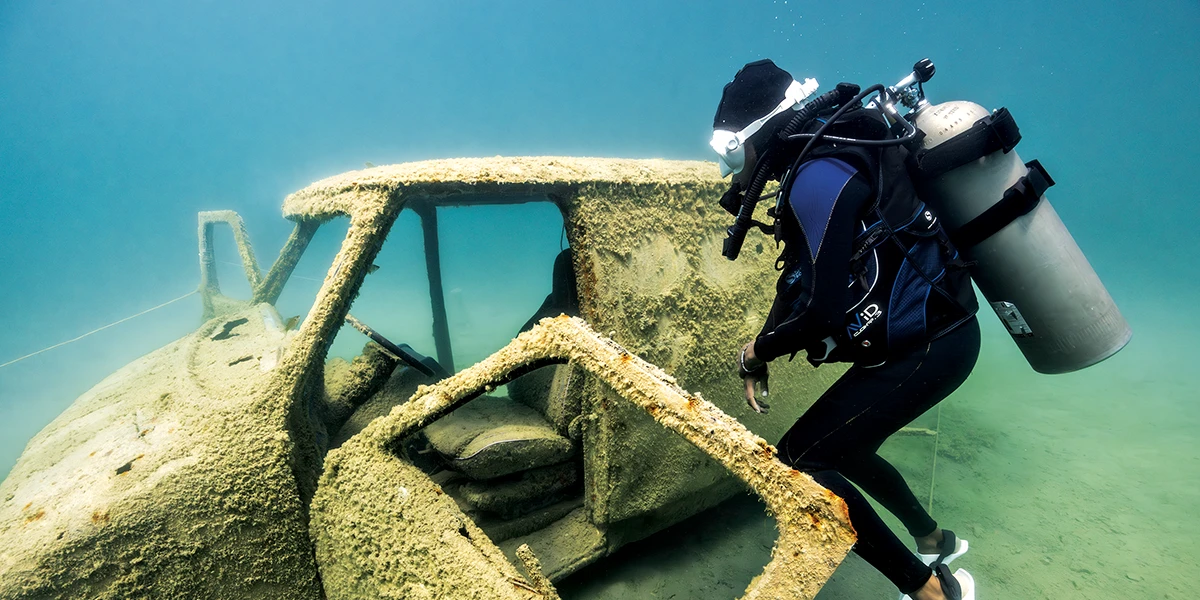
Mammoth Cave National Park and other cave systems are part of a limestone belt that defines Kentucky’s landscape with its gently sloping bluegrass valleys. This geography made way for Kentucky to become the thoroughbred horse capital of the world and drive an economy built around events such as the Kentucky Derby. Beneath this limestone bedrock, a water supply often ranked No. 1 for water quality in the United States fuels well-known and developing dive sites that are surprisingly blue.
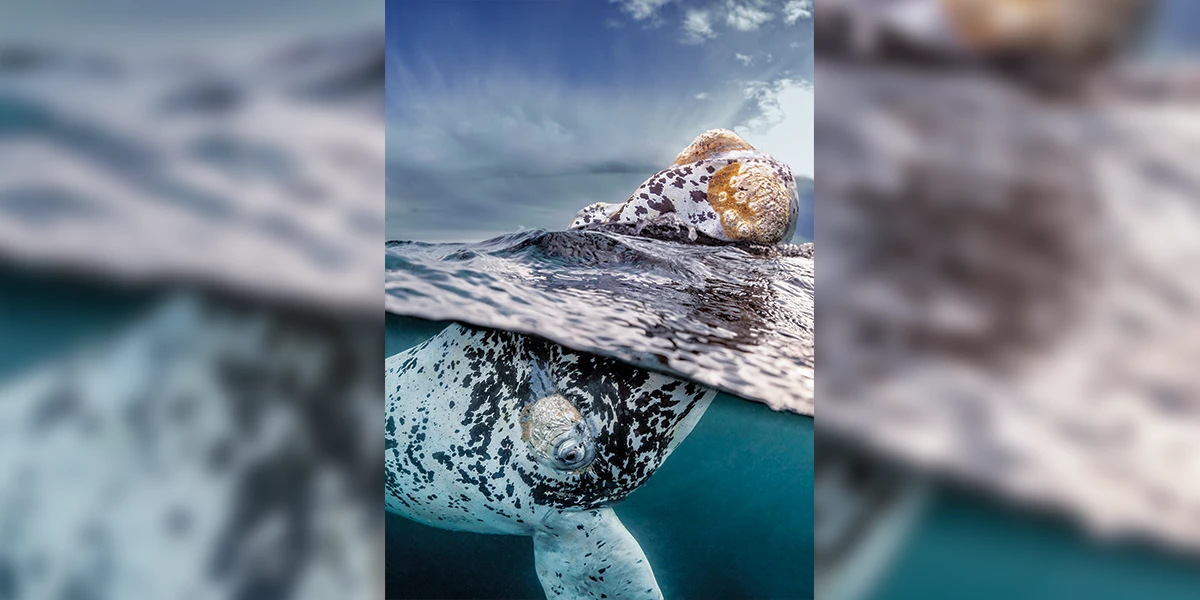
A few white southern right whales are born each year, but this leucistic trait is not a permanent feature. Their coloration usually gives way to a lighter gray in adulthood, indicating they were white at birth and distinguishing them from the more common darker whales.
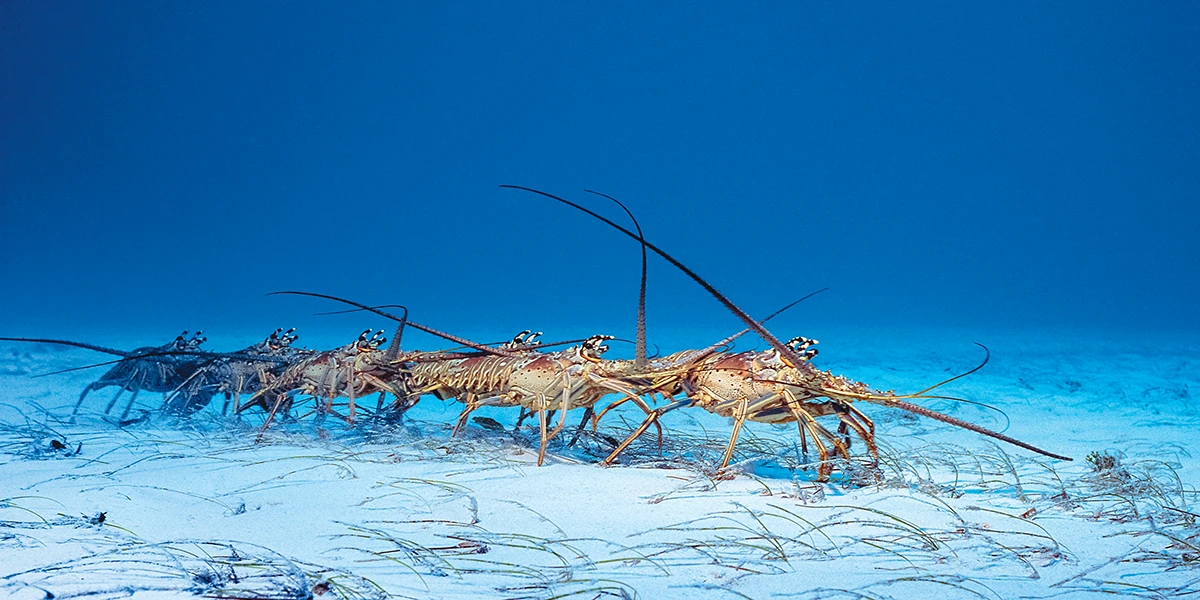
Her legs move quickly as she scrambles over the sand toward a large coral reef. It’s a bold and risky move, as the expanses of sand between coral patches are full of predators waiting to take advantage of a lone spiny lobster.
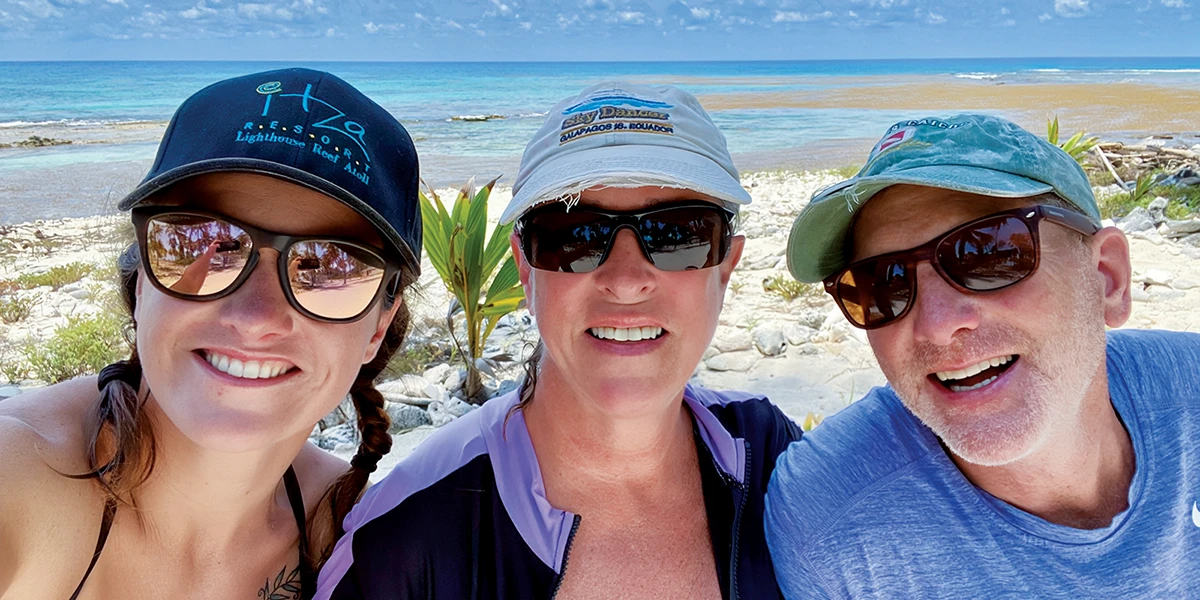
My dad is always beside me in everything I do. It was no surprise when he followed me off the end of our dive boat and under the waves.
Training on a paddleboard requires you to stabilize your body to maintain balance. Working your stabilizing muscles is beneficial for diving because they are helpful in dynamic ocean environments.
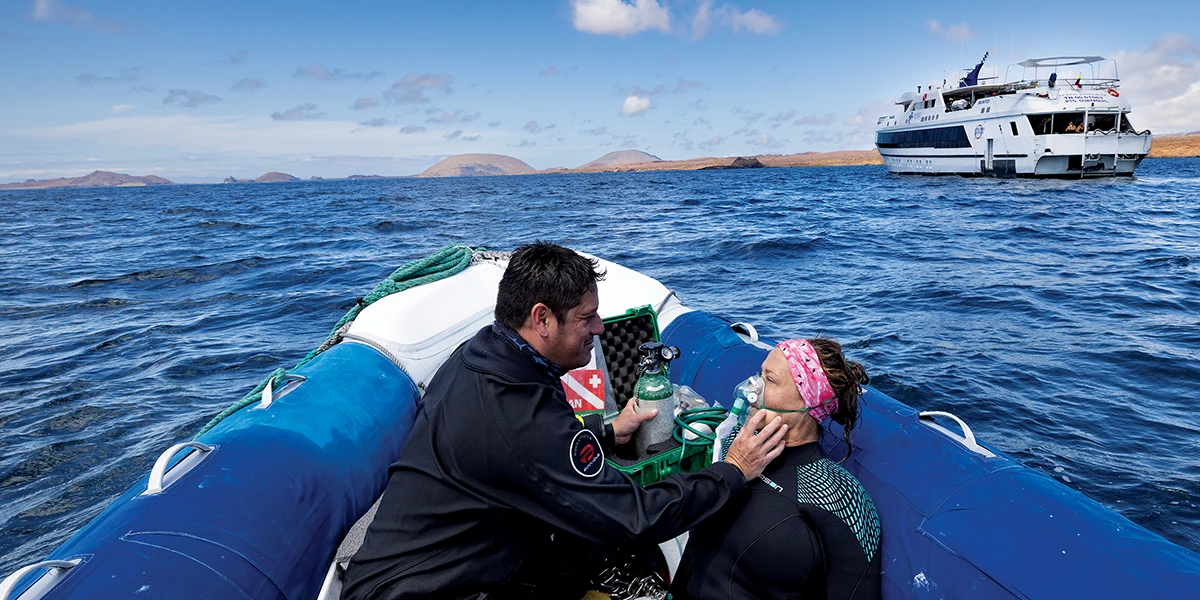
Oxygen is the standard of care for first aid in dive injuries. You do not need to determine if the injured person is experiencing decompression sickness (DCS), arterial gas embolism (AGE), or nonfatal drowning, as oxygen can be beneficial in all these situations.
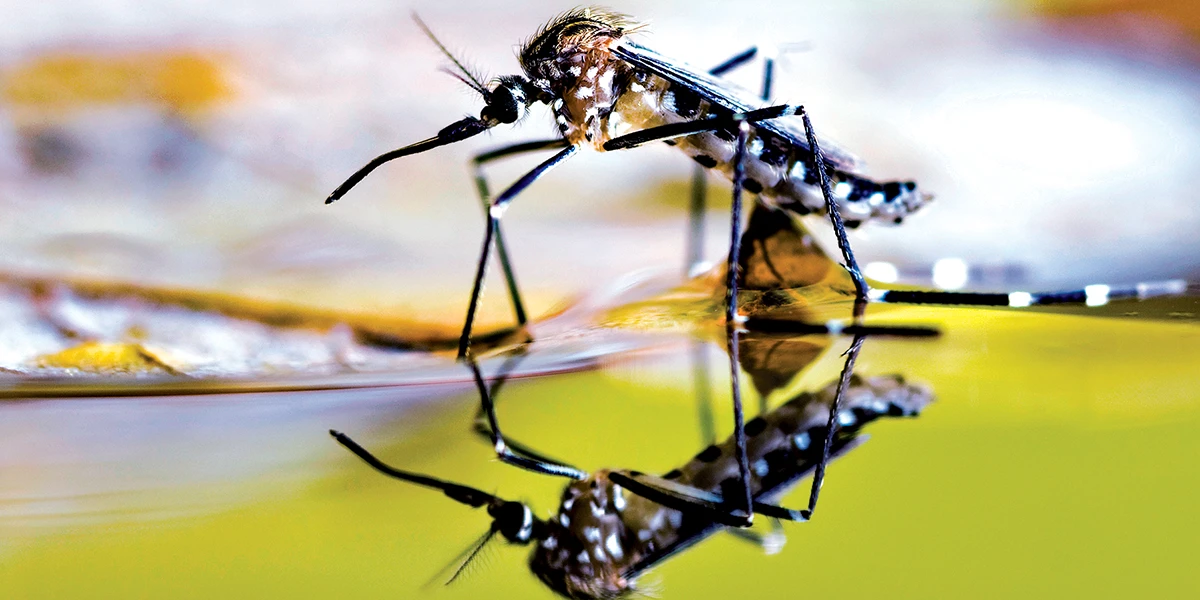
Malaria is a serious infectious disease threat that primarily exists in many of the world’s subtropical and tropical regions — areas popular with divers — where the environmental conditions support a stable, infected population of Anopheles mosquitoes.