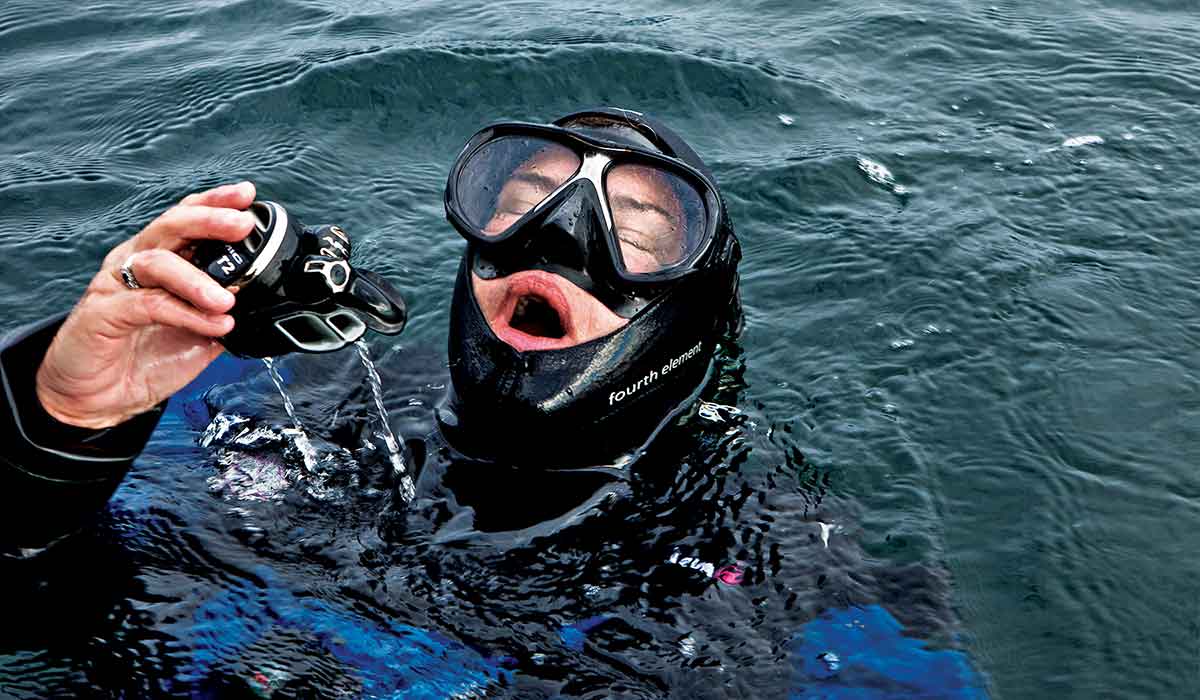
Diving with Type 1 Diabetes
Q: I was recently diagnosed with type 1 diabetes and will now require insulin. Will I be able to dive again?

Q: I was recently diagnosed with type 1 diabetes and will now require insulin. Will I be able to dive again?
While recovery from abdominal surgery is essential for overall health, divers must take specific precautions before returning to diving activities.
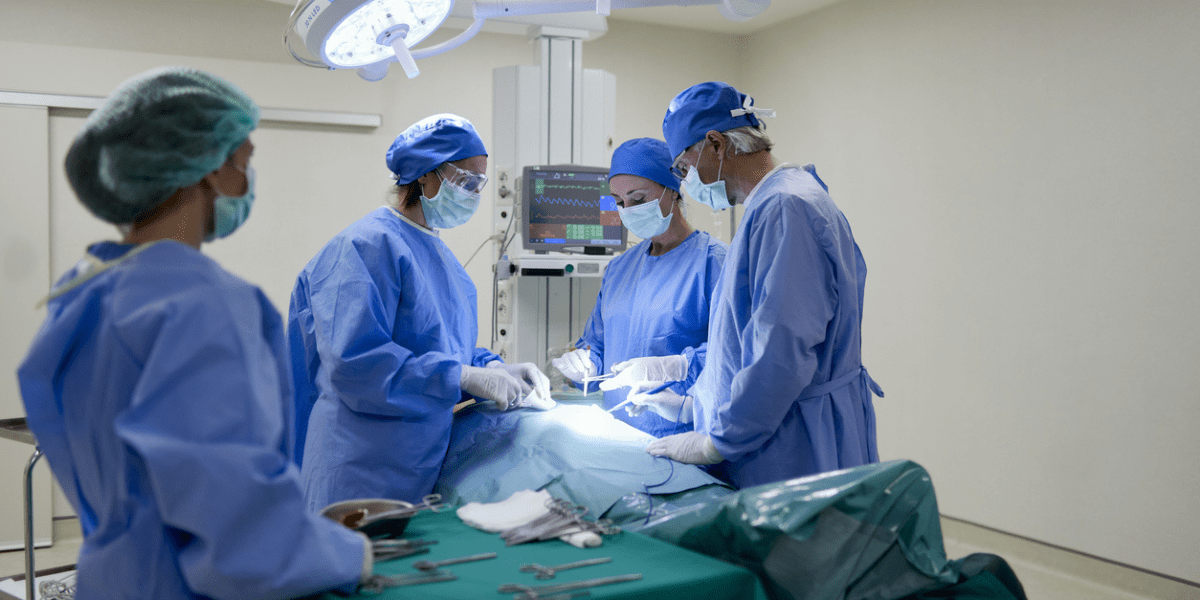
Coronary artery bypass grafting (CABG) is a procedure performed to enhance blood flow to the heart muscle. After this procedure, medical considerations may affect a diver’s ability to safely resume diving activities.
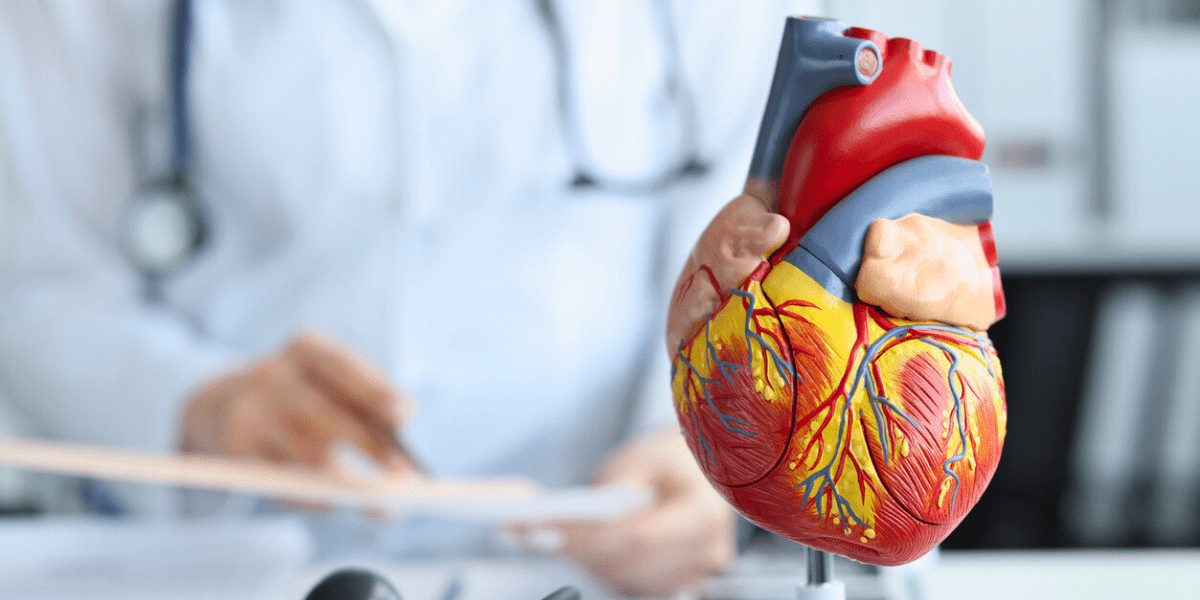
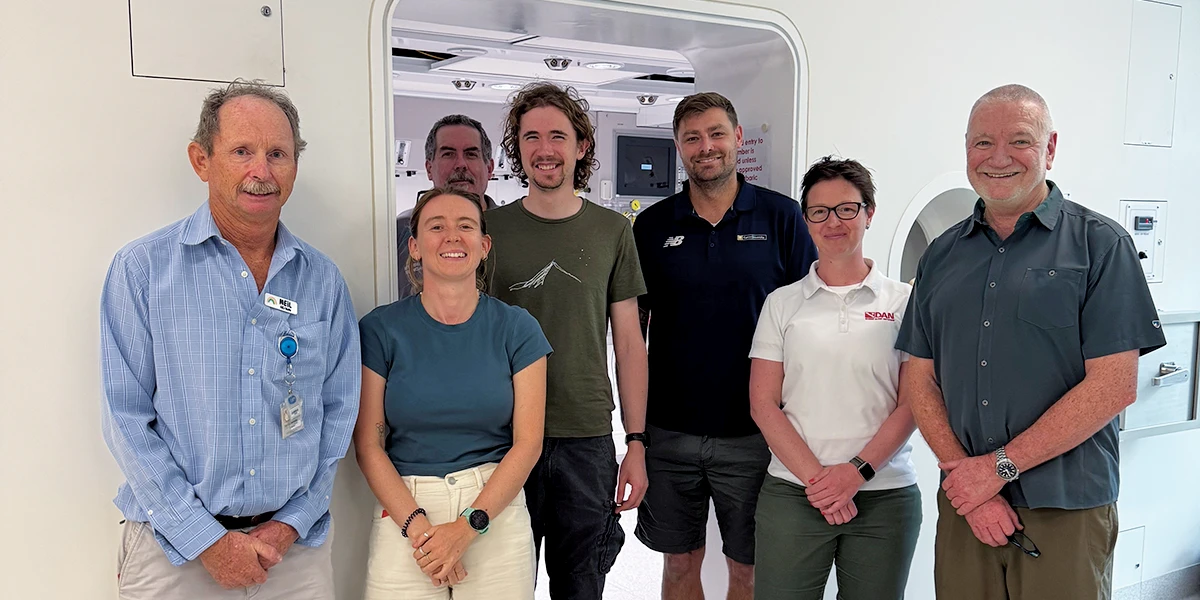
In 2021 Peter Buzzacott, PhD, of Curtin University in Perth, Australia, received DAN’s Alfred Bove Research Grant for Cardiac Health in Scuba Diving. What began with a simple proposal has since developed into a training network for the next generation of scientists and led to a research network between Curtin University and Fiona Stanley Hospital in Western Australia.
Recreational diving is a fun and relaxing sport meant to be enjoyed. But what happens when things don’t go as planned: Your mask comes off, your regulator gets knocked out, or someone in your group runs out of air?
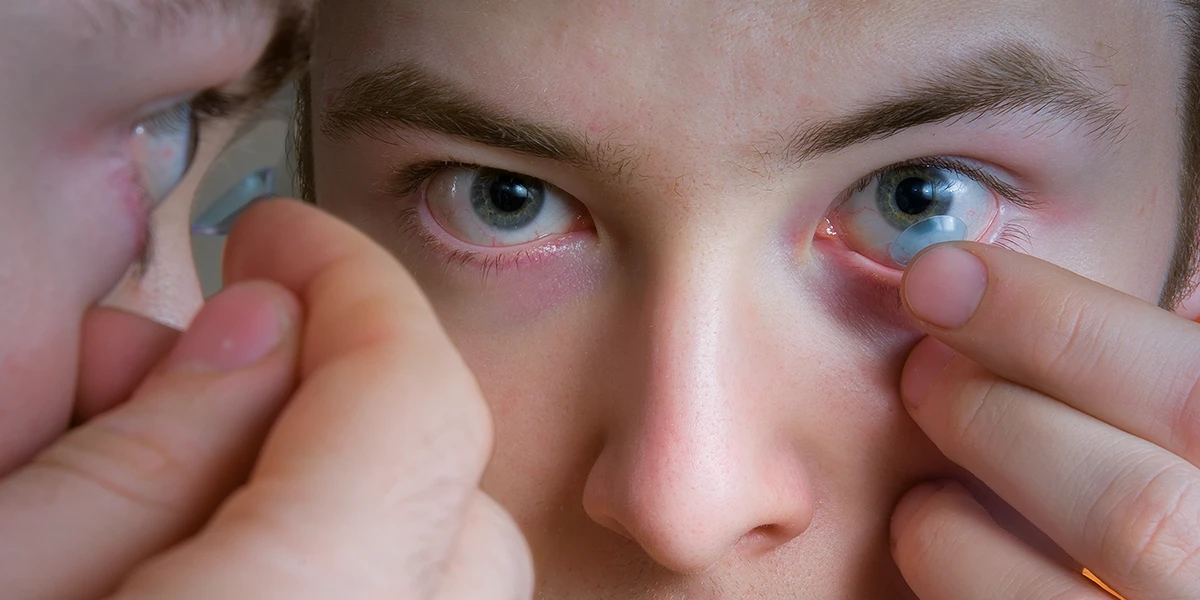
Many divers wear contact lenses without issue during their dives. It’s crucial, however, to be aware of potential challenges, such as increased dryness or irritation due to factors like dry air in the dive mask, prolonged wear, mask squeezes, or exposure to saltwater. Maintaining good hygiene practices, including thorough handwashing before handling lenses and avoiding contamination, is essential.
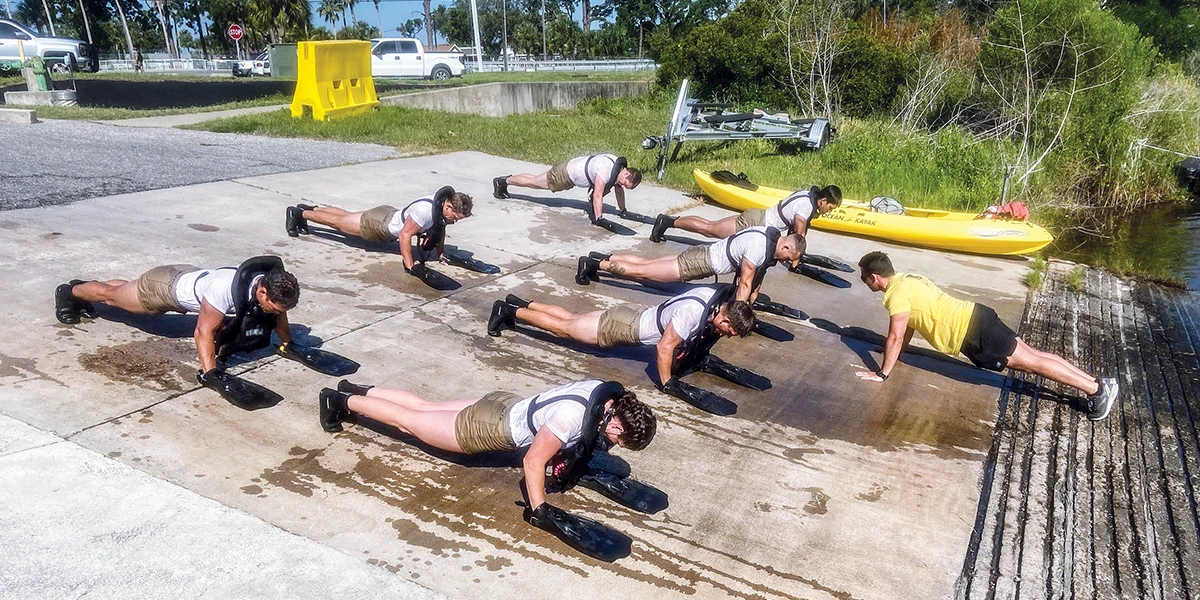
Strength training can benefit divers, who need strength to wear and transport heavy gear. Other benefits include greater bone density, increased metabolism, and cardiovascular strength.

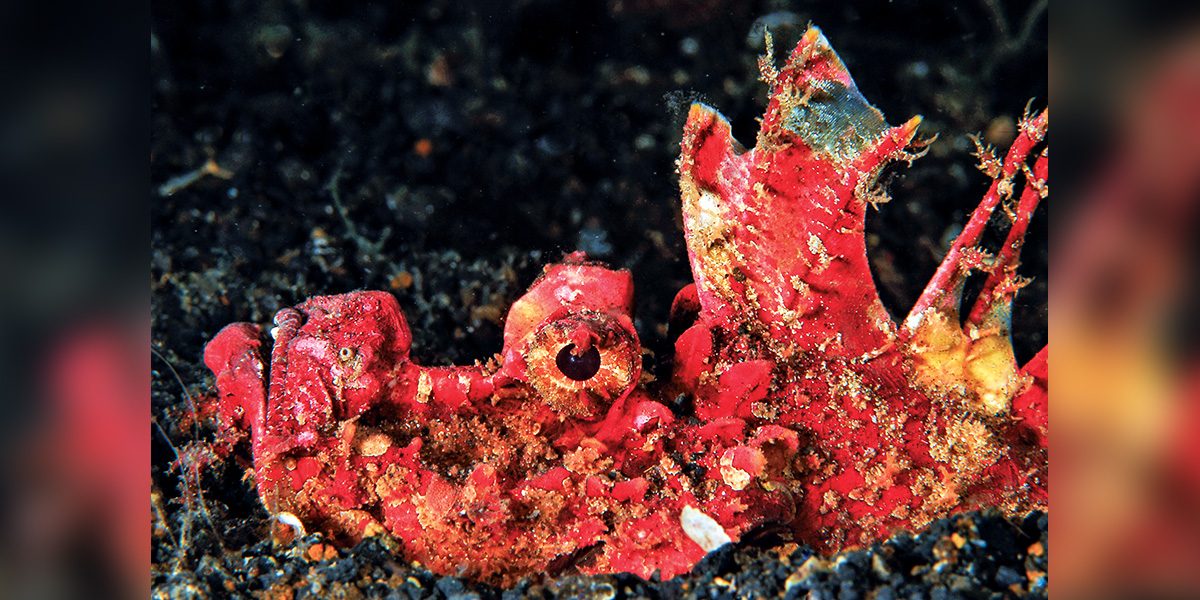
The spiny devilfish (Inimicus didactylus) is a member of the family Scorpaenidae, which also contains the venomous lionfish, stonefish, and scorpionfish. These fish conceal glandular venom-producing daggers within their dorsal, pelvic, and anal fins. Divers — especially underwater photographers who may focus on one creature while others sidle up under their legs — must be aware of these animals’ subtle defense maneuvers.
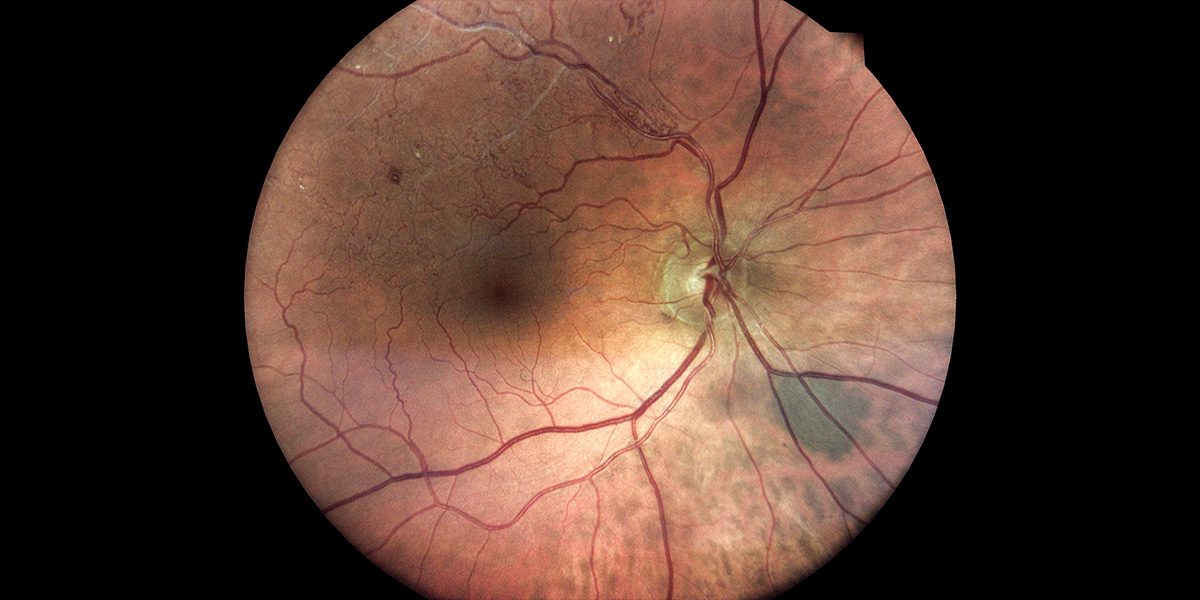
Q: I recently had an eye stroke. Can I still dive after it has been resolved? A: The main concerns with an eye stroke (central retinal artery occlusion, or CRAO) […]
During a dive, the cardio-pulmonary changes may provoke an immersion pulmonary edema (IPE/IPO) and increase drowning risk (Castagna et al, 2017). The increase in capillary transmural pressure, influenced by hemodynamic and breathing dynamics, is considered a key factor in the mechanism of IPE (MacIver and Clark, 2015).