Chapter 4: Ischemic Heart Disease
“Heart disease develops 7 to 10 years later in women than in men.” Ischemia is a term meaning that an inadequate supply of blood is reaching a part of the […]
“Heart disease develops 7 to 10 years later in women than in men.” Ischemia is a term meaning that an inadequate supply of blood is reaching a part of the […]
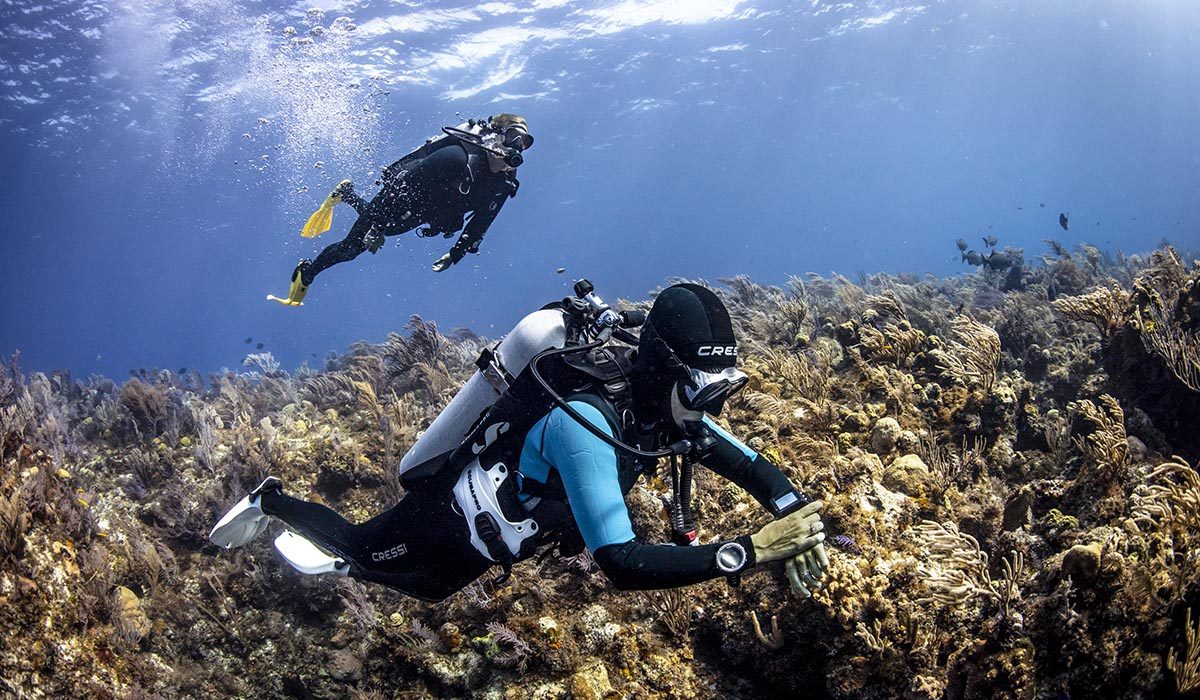
Cardiovascular health is an essential component of scuba diving safety. However, heart health may deteriorate gradually as divers age and can put divers at risk.
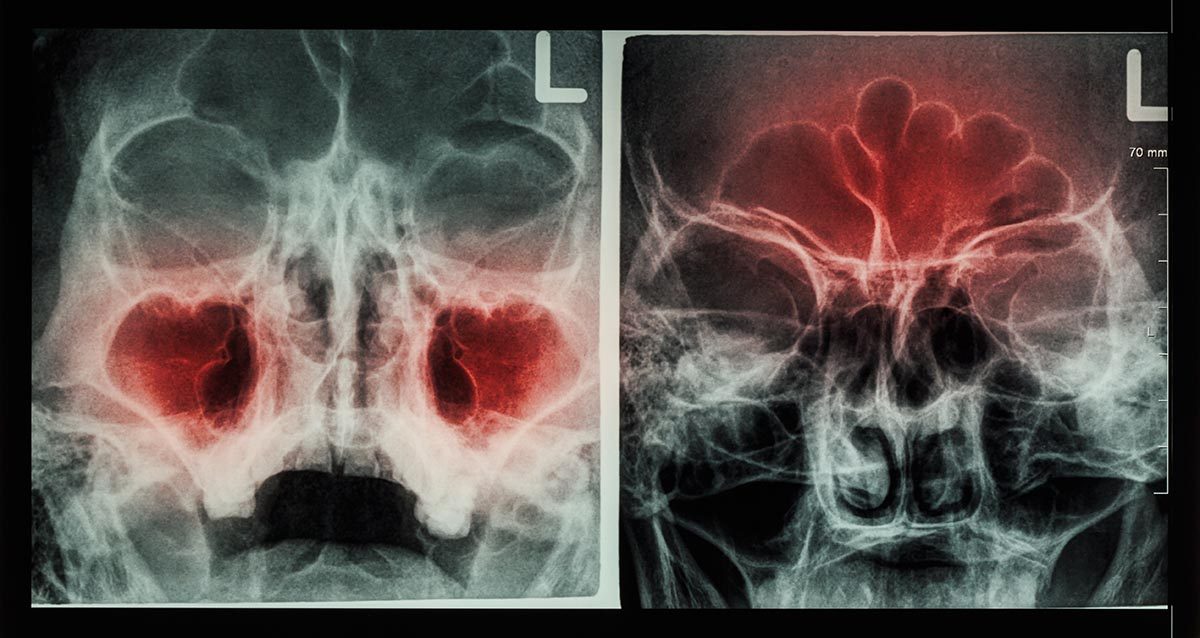
Sinus barotraumas are among the most common diving injuries. Although it’s a prevalent and generally benign injury, it could present complications. Find out how to prevent and treat sinus barotrauma while diving.
Getting older doesn’t have to mean give up on diving, but divers over 50 should be aware of common medical issues that may interfere with safe diving.
Monoplace hyperbaric chambers hold only the patient being treated. The chamber walls are frequently made of acrylic to reduce any sense of claustrophobia.
Until we succeed in making every dive accident- and injury-free, DAN will continue to collect and analyze information about dive fatalities. The purpose of this database is to monitor trends in fatal injuries and identify risk factors associated with fatal diving accidents.

Box jellyfish are incredibly poisonous, and a sting could result in death. Learn more about these creatures and what to do should you come across one.

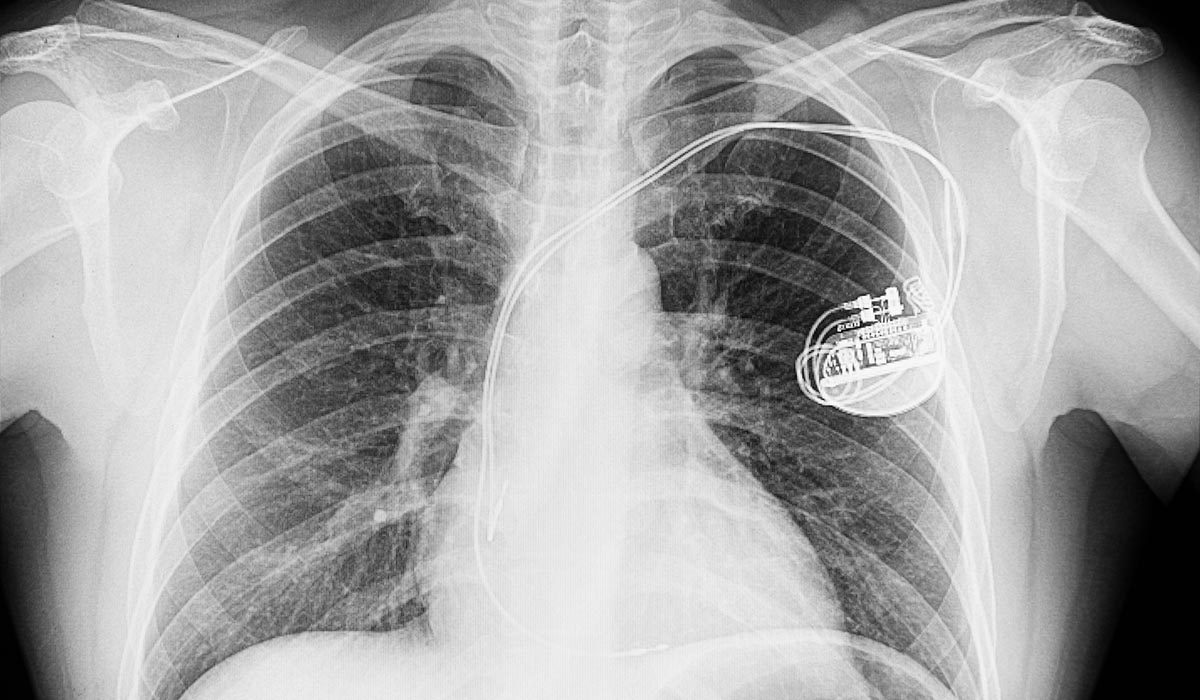
Pacemakers are incredibly helpful as they regulate the heart rhythm. If you have a pacemaker, find out what you need to know about your cardiovascular condition and fitness to dive.
The purpose of the survey was to establish the prevalence of cardiovascular risk factors, diabetes and asthma of DAN members. This survey also looked at members’ access to primary healthcare, their diving practices, and the prevalence of common diving-related injuries.

It is very common to take an over-the-counter (OTC) medication without any thought to the side effects. Even common ones like antihistamines, decongestants, pain relievers, and motion sickness medications can have side effects. If you are considering diving while using one of these drugs, the side effects could be even more powerful than when on land and increase your risk of an injury.
