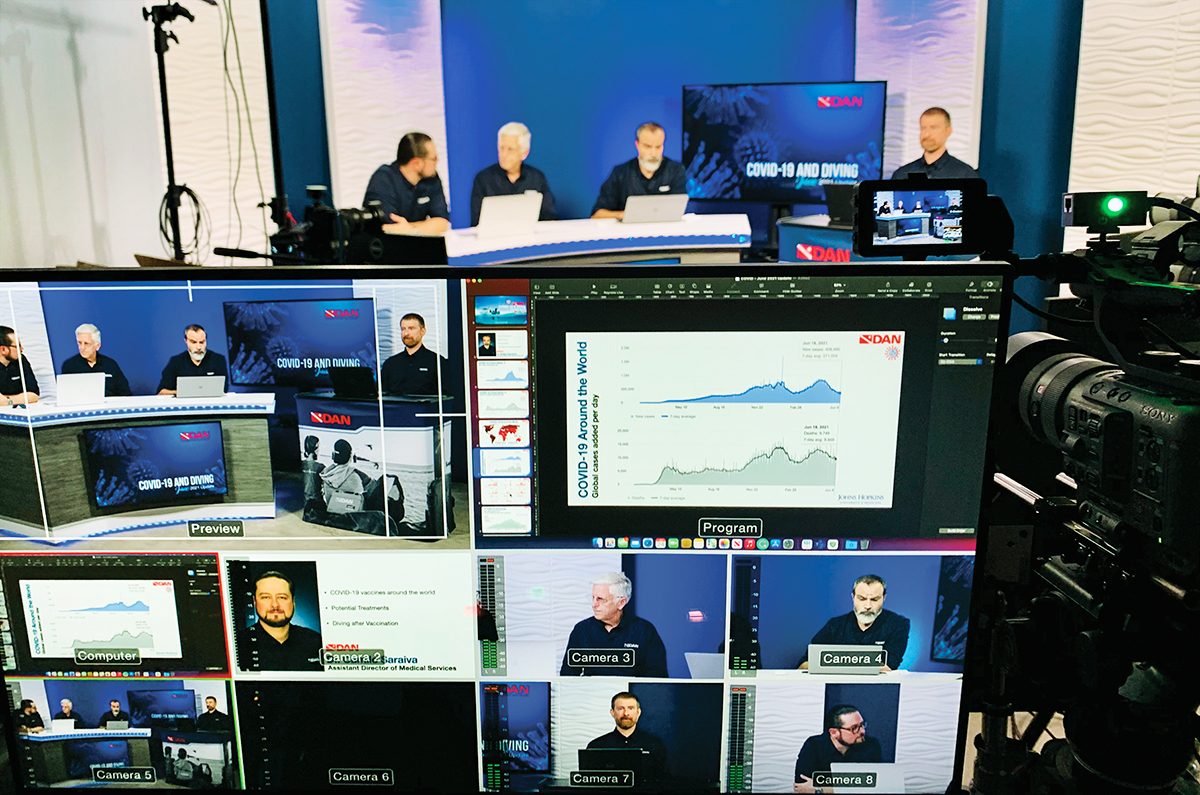
DAN HAS LAUNCHED A NEW SERIES of live monthly webinars on its DAN TV YouTube channel at youtube.com/user/DiversAlertNetworkTV. Throughout 2022, experts from DAN’s Research, Safety Services, and Medical Services teams […]
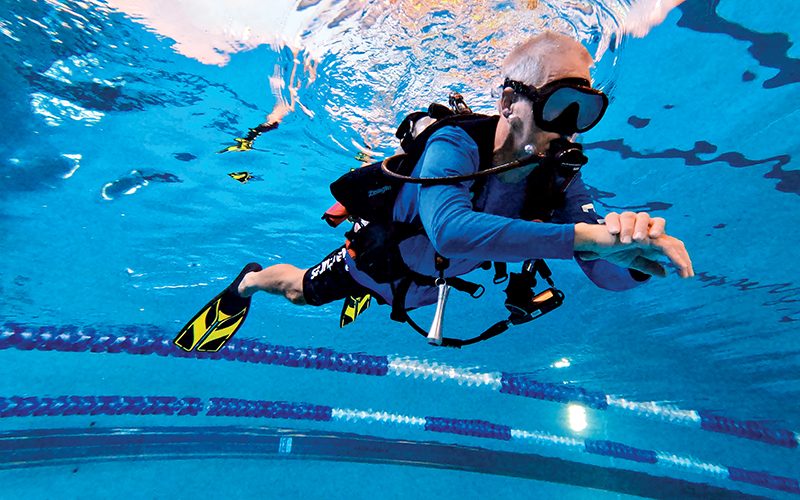
DEAN HOLLIS, FOUNDER OF SWIM AND DIVE RETAILER DIVENTURES, grew up in Lakeland, Florida, as a third-generation Floridian. “I spent the first 22 years of my life in Florida, where I pretty much lived in the water,” …
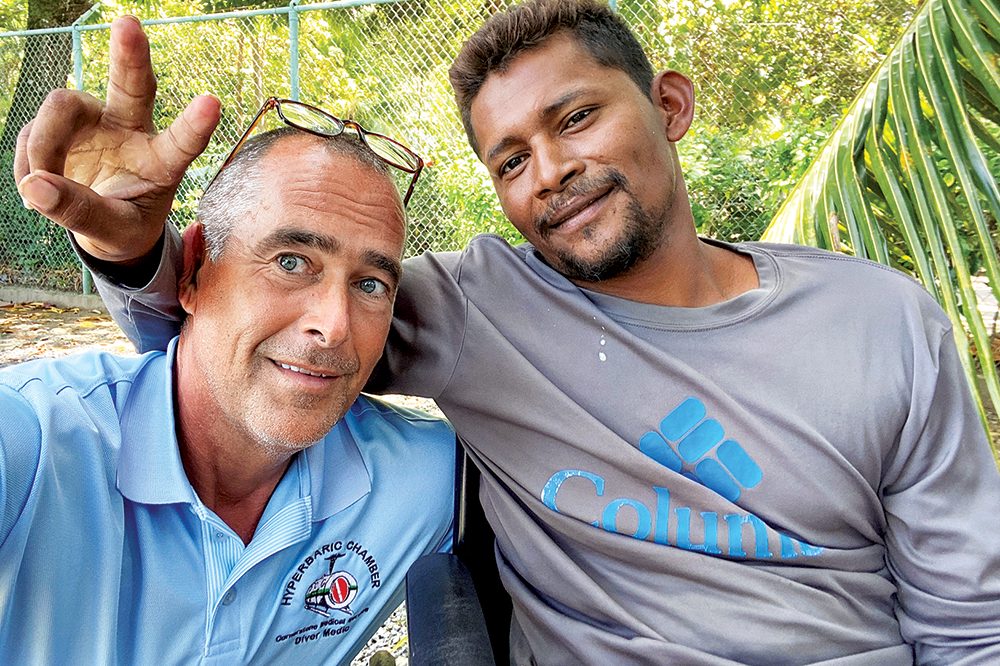
MY SON AND I HAVE TREATED HUNDREDS of divers, mostly Honduran lobster fishery workers who suffer some degree of paralysis from DCS, the majority from the waist down and many over most of their body.
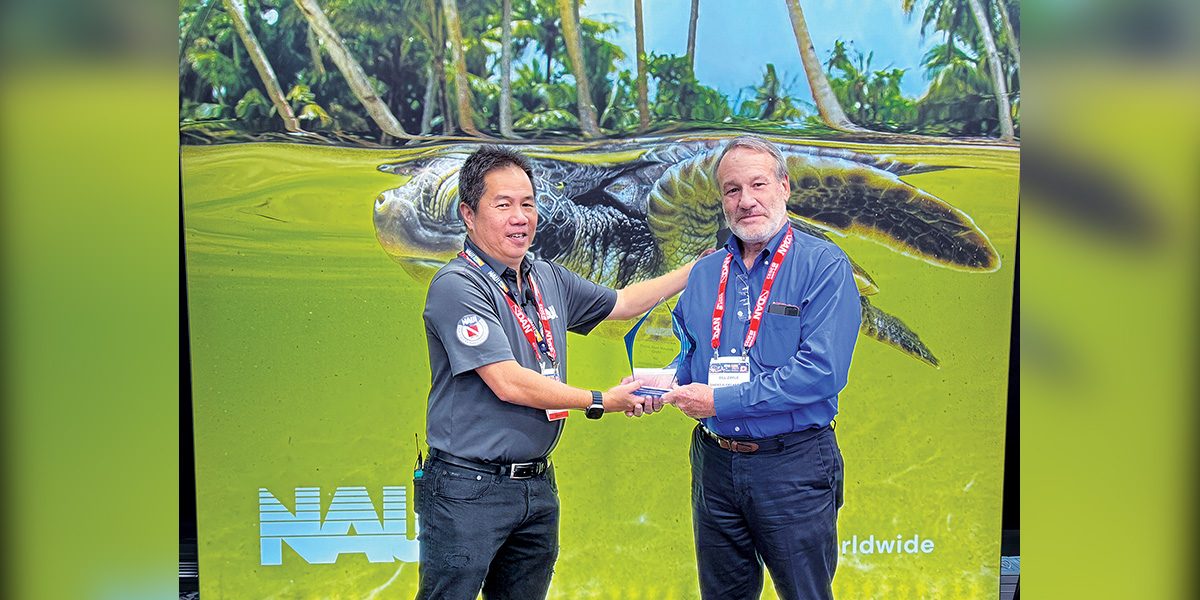
Every year the National Association of Underwater Instructors (NAUI) recognizes individuals and organizations that make significant contributions to advance the sport of diving and have a noteworthy impact on the dive industry. In 2023 Divers Alert Network received the Award for Innovation, which NAUI presents to those who provide significant innovations to diving and dive education.
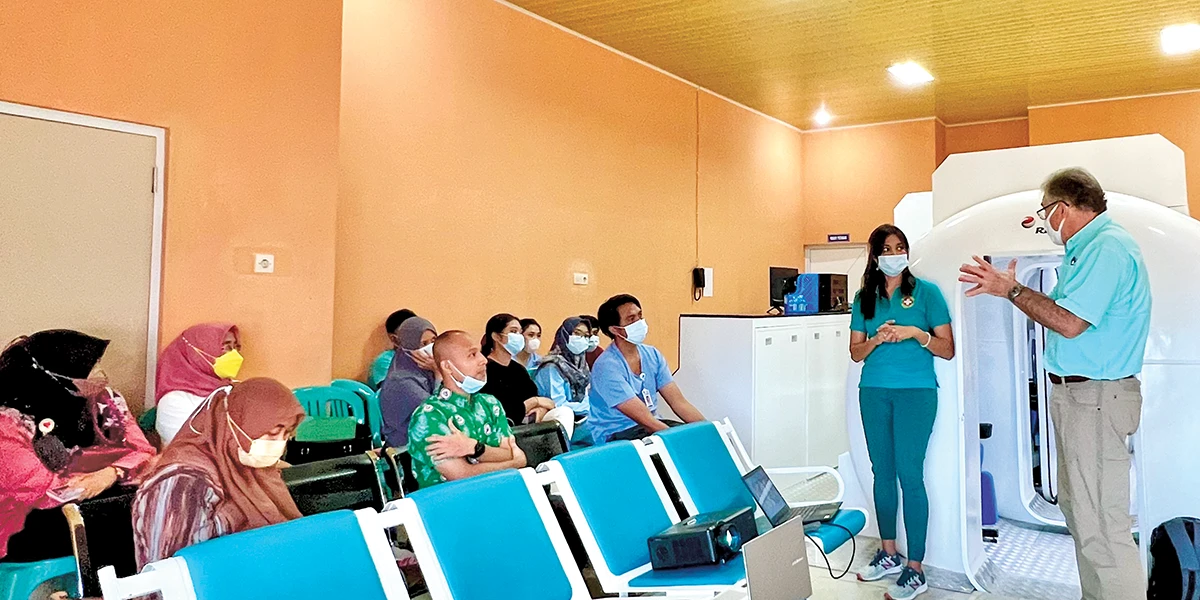
Indonesia’s archipelagic beauty and marine biodiversity lure divers from around the world. As the country’s popularity as an international dive destination grows, so does the complexity of dive safety. Protecting divers is no small feat across this landscape of more than 17,000 islands, many dotted with dive sites in remote locations lacking medical infrastructure.
Bonaire is known for continual trade winds, typically blowing in from the east and averaging 12 knots. All the diving on the west side of the island, including Klein Bonaire, is in the lee protection from the wind.
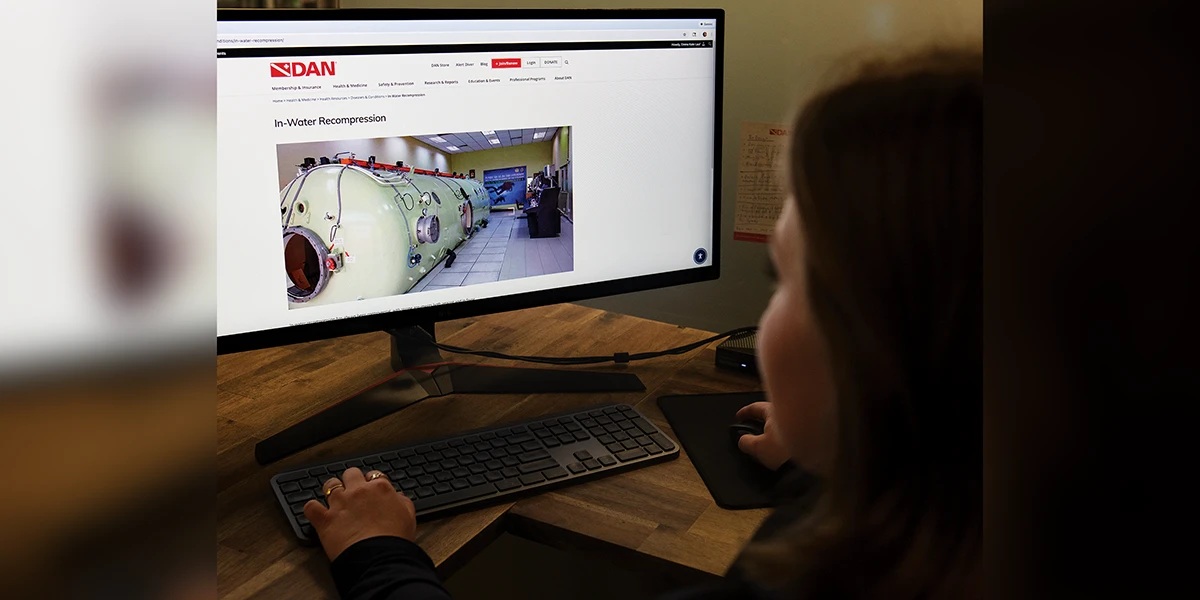
In-water recompression (IWR) is a controversial topic in dive medicine. Some people think it is a potentially lifesaving last resort for a diver exhibiting symptoms of decompression illness (DCI) when far from definitive care. Others emphasize the evident risk of potentially making a bad situation worse.
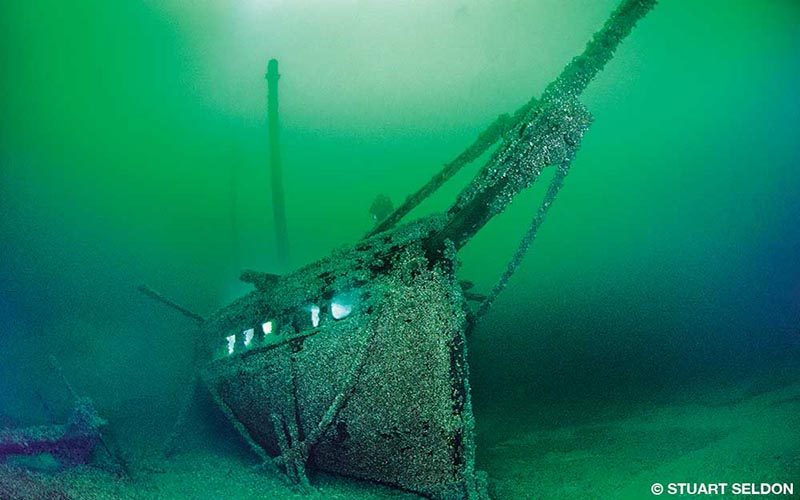
There are two mystery shipwrecks lying offshore in Canadas’ Prince Edward County. The wreck and its discovery are a mystery.
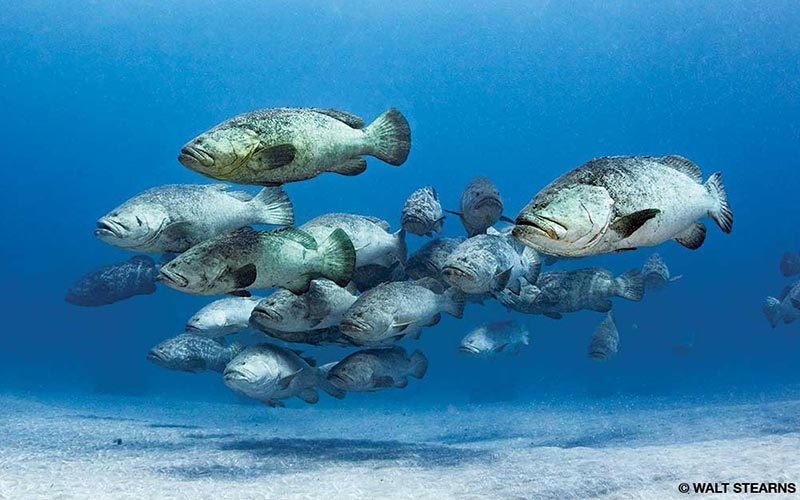
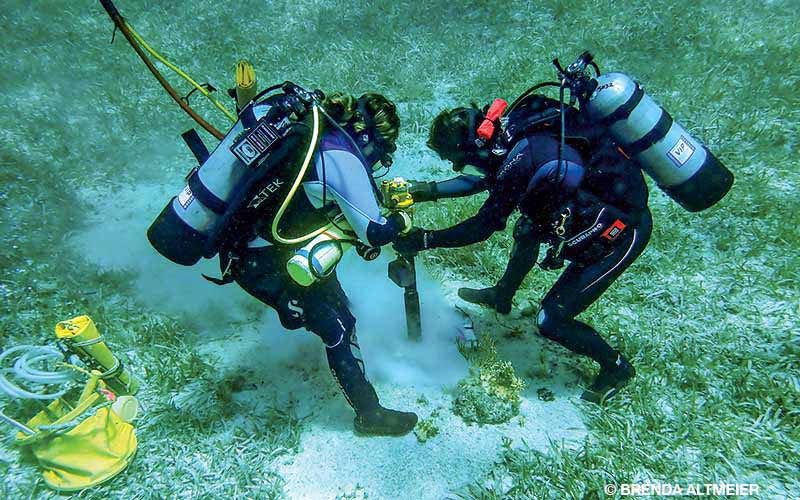
Grouper populations are on the rebound thanks to protection efforts. But a major threat to these fish remains: mercury.
Mooring buoys minimize the impact on the environment and protect fragile coral animals and nonrenewable historical resources from anchor damage. Marine biologist John C. Halas developed the mooring buoy system we know today: an embedment anchor connected to an 18-inch round, white, floating buoy with blue reflective tape around the middle with a yellow polypropylene pick-up line. The mooring buoy system is one of the most visible accomplishments of NOAA’s efforts to provide resource protection while supporting the community’s access for the enjoyment of sanctuary resources.