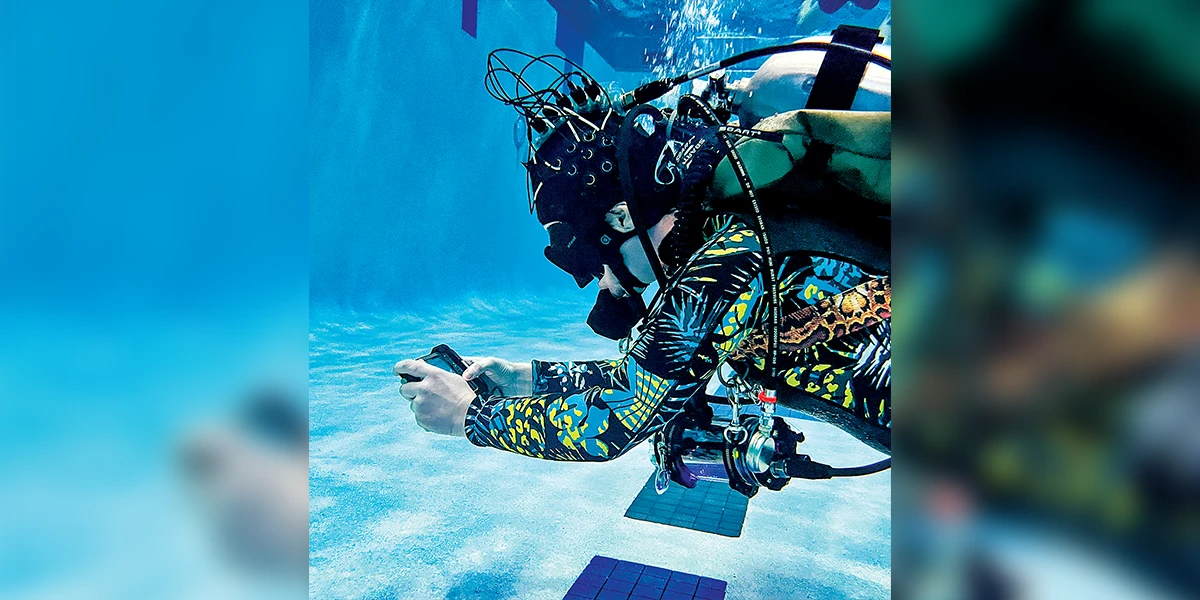
Waterlust
Waterlust is an online film series that blends water-related science, sport and art. Learn more about the film Waterlust and how water connects us all.
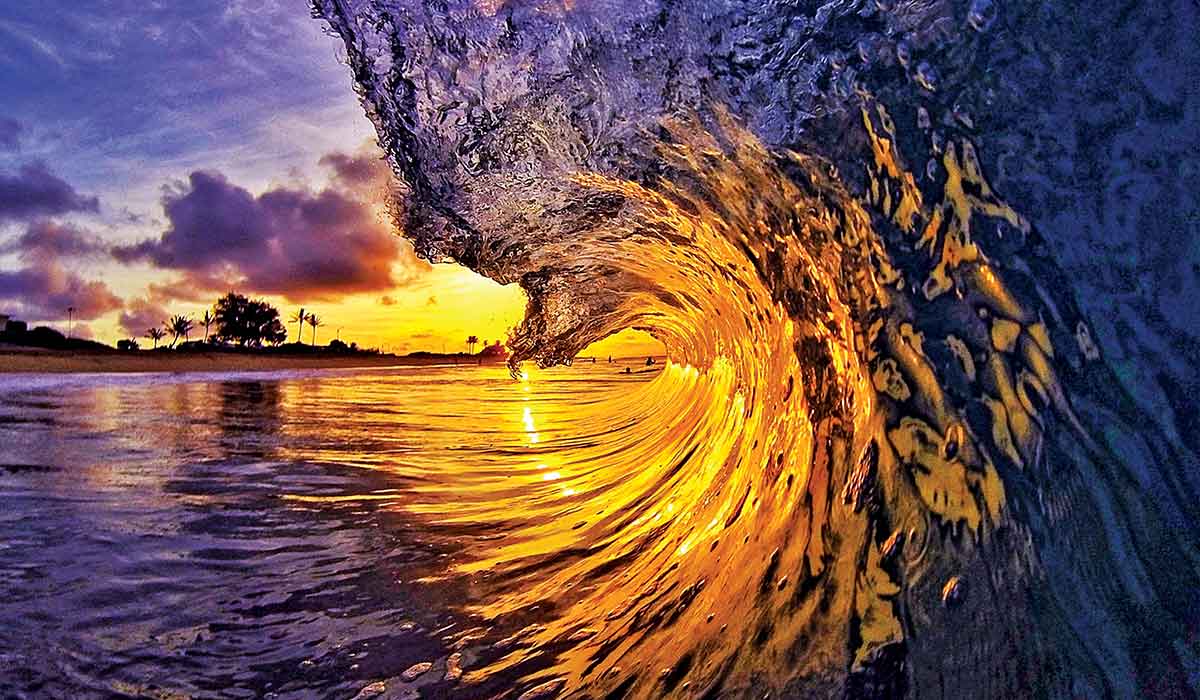
Waterlust is an online film series that blends water-related science, sport and art. Learn more about the film Waterlust and how water connects us all.
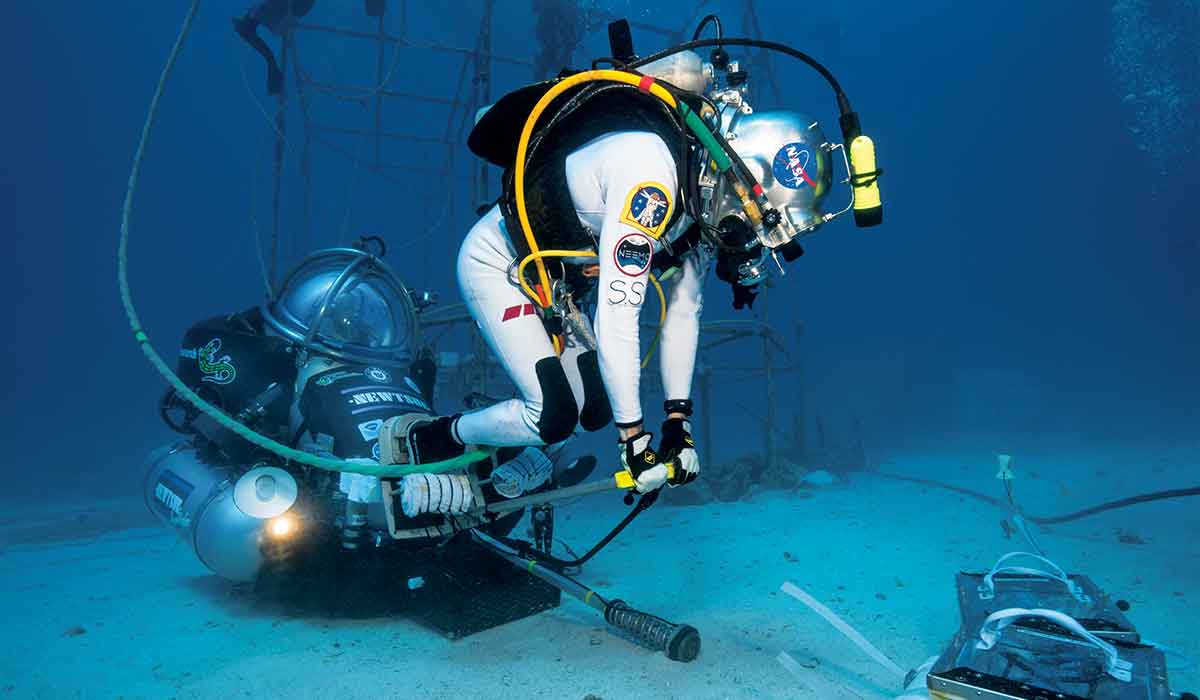
NASA has been conducting training missions at the Aquarius Reef Base underwater Habitat off Key Largo, Fla since 2001. NASA has staged many projects from Aquarius because the parallels of diving and space travel. Learn more about this NASA partnership.
Voluntourism can turn your next dive vacation into one that makes a difference. Learn more about voluntourism and if it’s right for you.
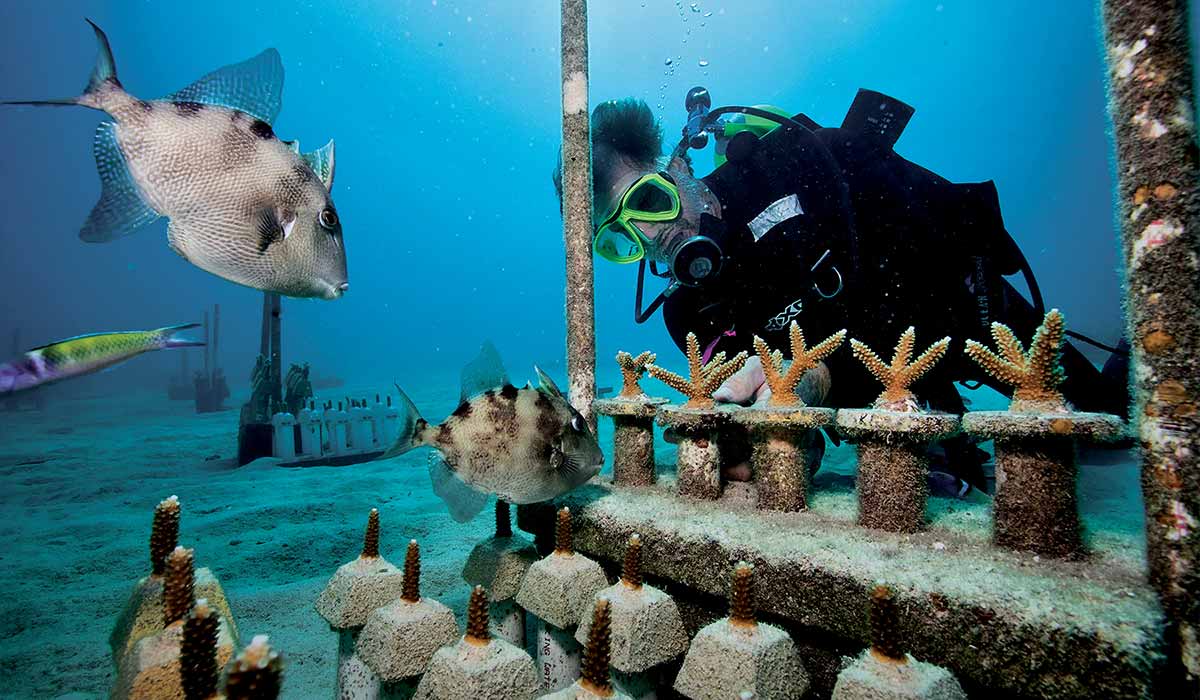
Coral transplants in the Florida Keys are repopultating damaged reefs. Read more about the success of coral transplants.
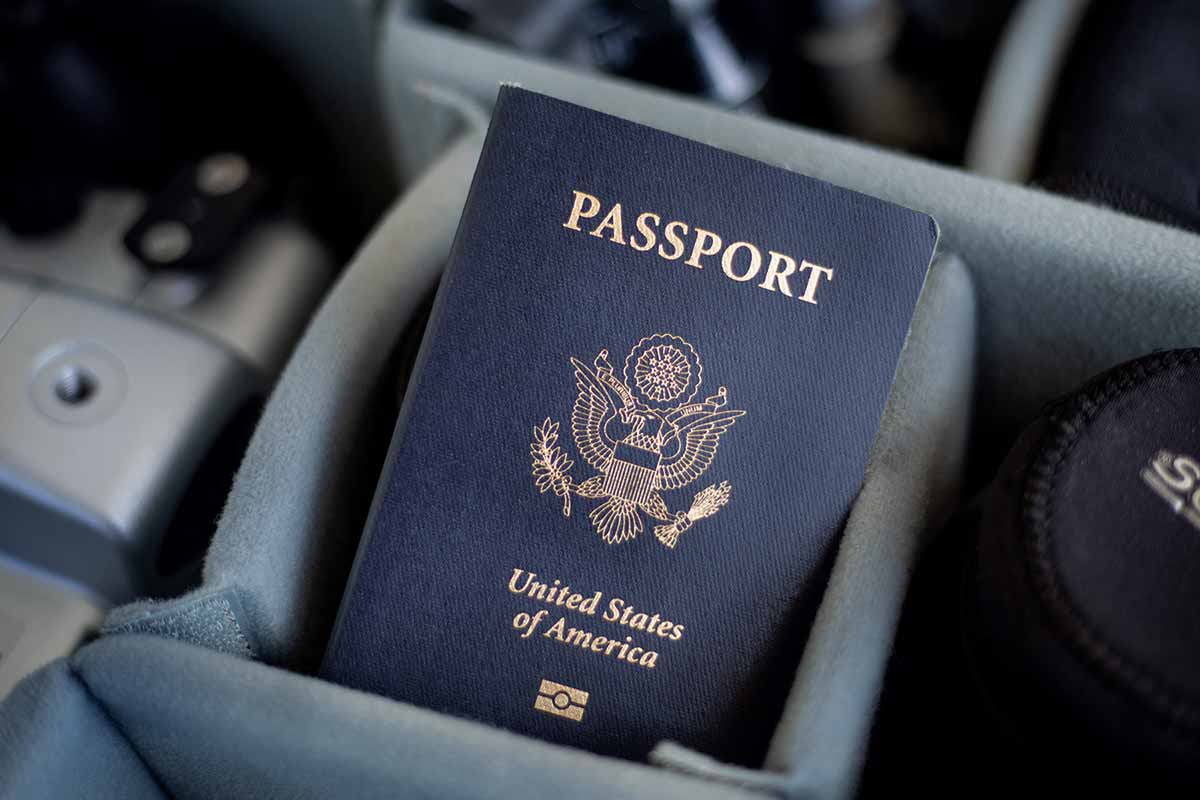
It’s been more than a year since many divers have traveled internationally and visited beloved or new dive destinations. Although it is unclear when and which international destinations will be fully accessible, it’s important to stay proactive about important travel documentation preparation.
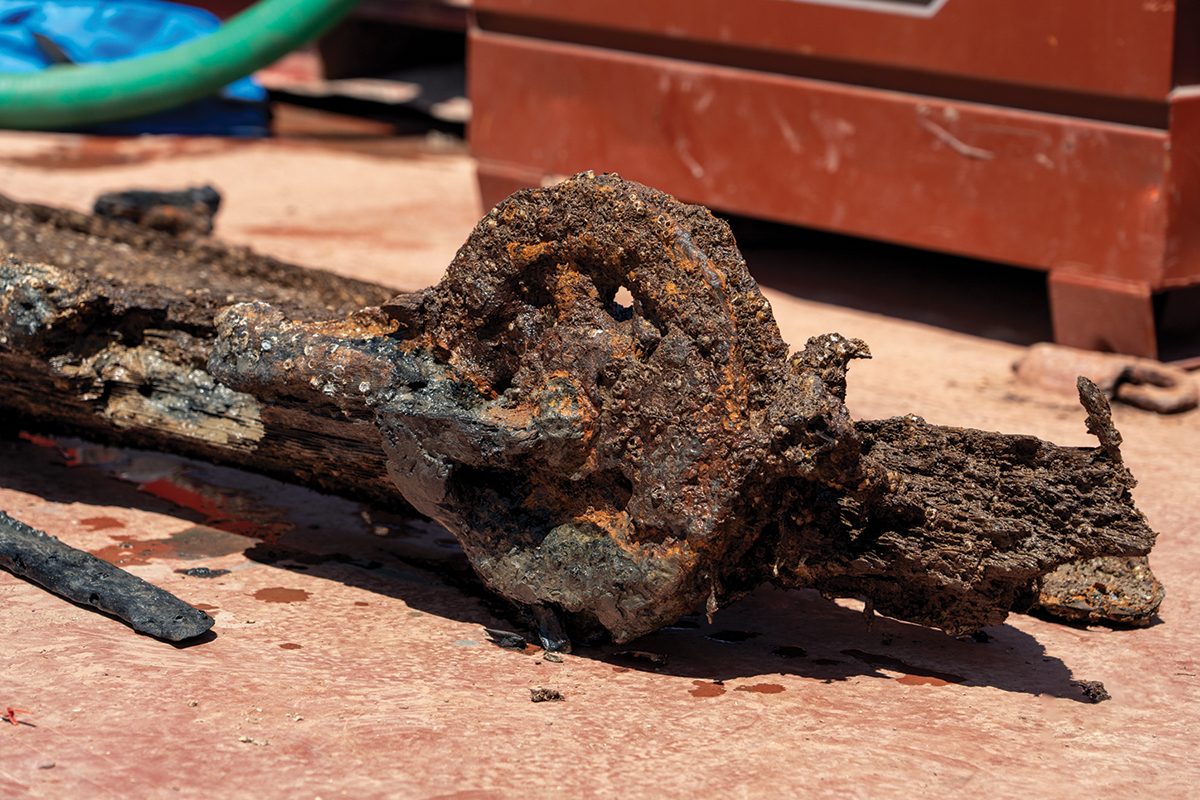
IN 1807 THE U.S. PASSED A LAW prohibiting the importation of human beings with the intent to enslave them. Acting on a bet 53 years later, a wealthy Alabama businessman […]
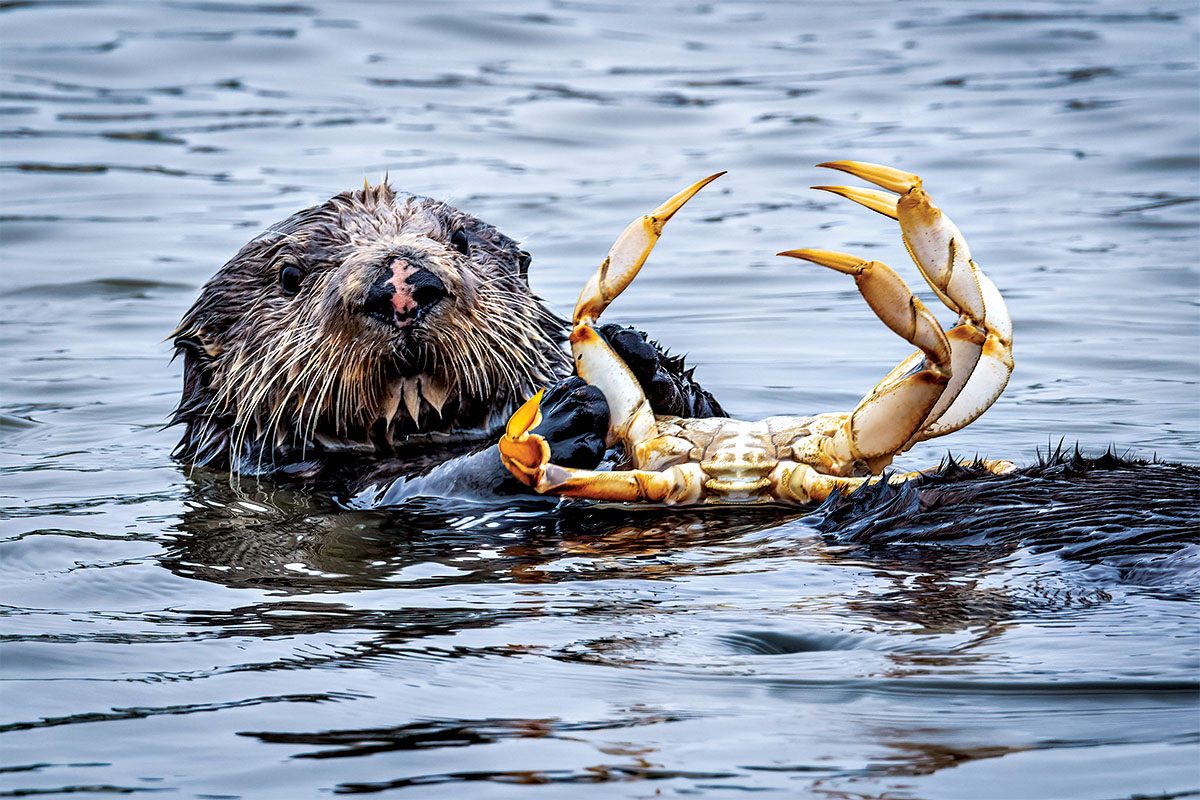
Within the geographical confines of the Monterey Bay National Marine Sanctuary (MBNMS) is one of the world’s most ecologically diverse coastal marine environments.
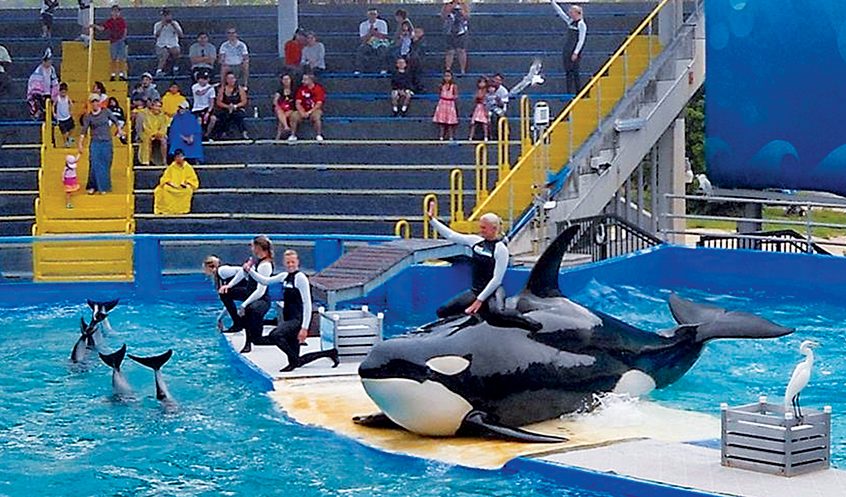
HER NAME WAS TOKITAE, which means “nice day, pretty colors” in the Coast Salish language. The Lummi Nation knows her as Sk’aliCh’elh-tenaut, which is a historical reference to the Penn […]
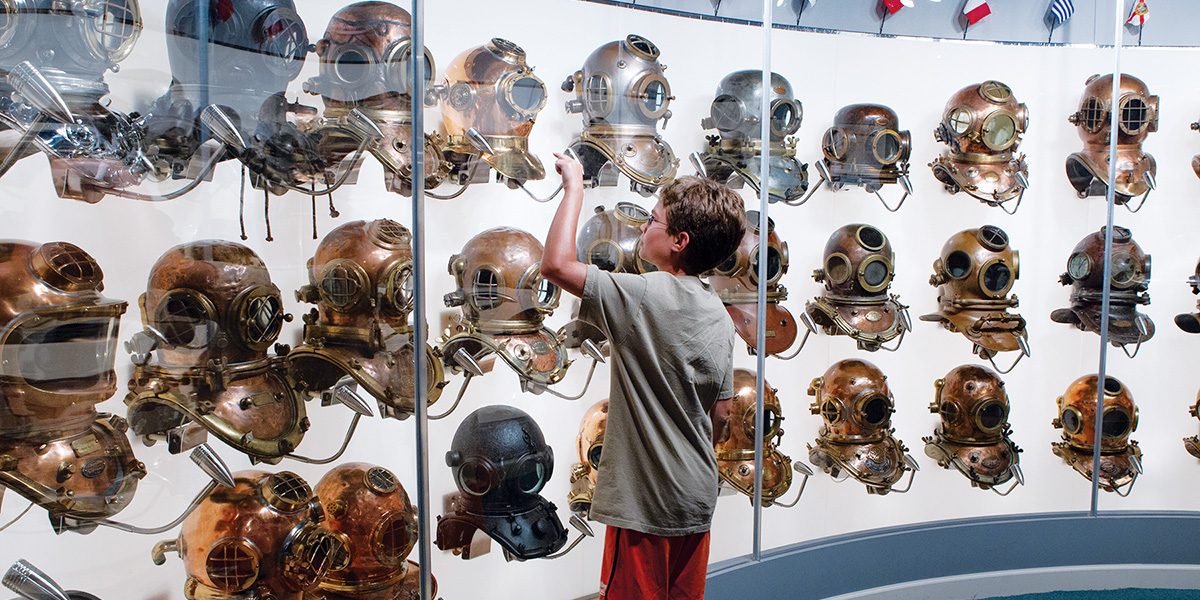
Traditional copper and brass deep-sea dive helmets often attract the modern dive community’s attention. International interest recently spiked when a helmet believed to be from the dawn of American professional diving sold for a record-setting $54,000 in Wichita, Kansas.
DAN has introduced the Research Grant Program, designed to push the boundaries of dive safety through innovative research. The program will support studies that develop robust theories and empirical evidence that contribute to safer dive experiences.