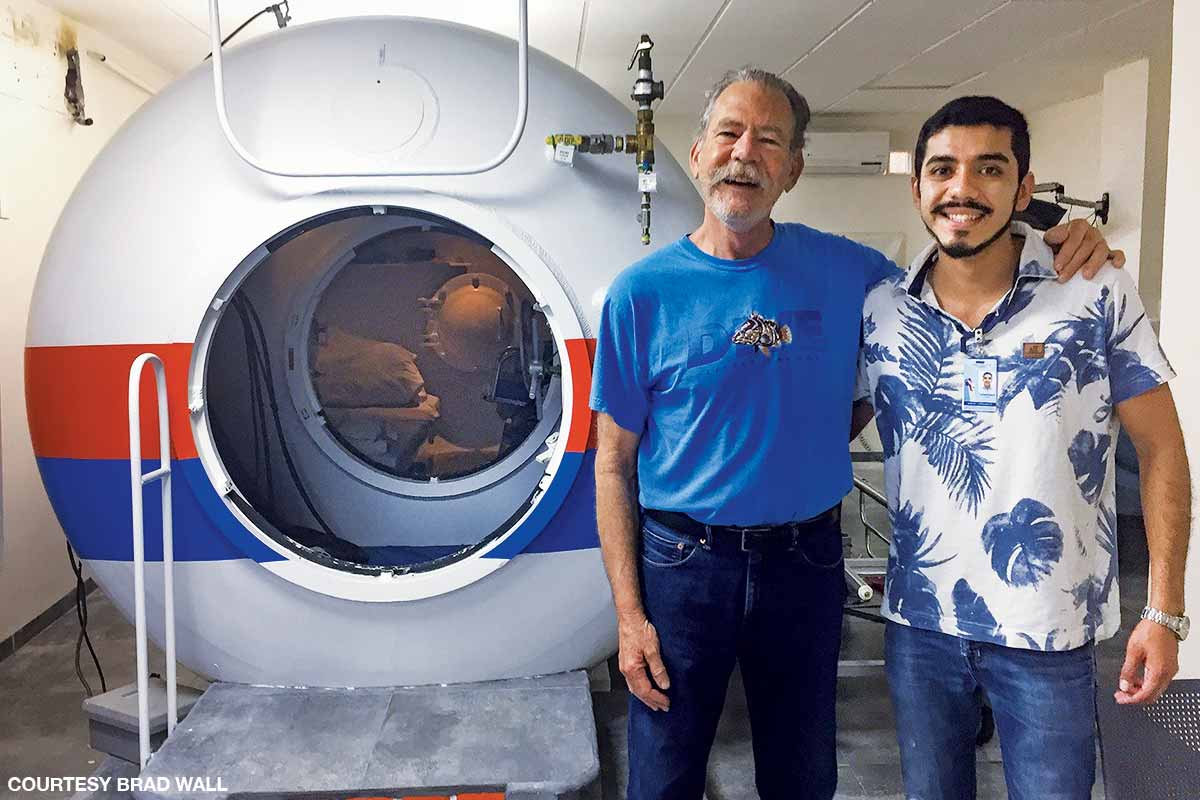
My buddy and I ascended to 20 feet for our safety stop. As soon as we surfaced I thought I saw the boat moving away from me but quickly realized I was disoriented. It felt like vertigo, but I managed to get on board the boat. I removed my gear and was talking to my buddy when I started involuntarily leaning forward until I lost my balance and collapsed face-down on the deck. I felt paralyzed and couldn’t get up.
Known for their striking colors, patterns and forms, nudibranchs are found in seas all over the world. Sculptor Gar Waterman’s fascination with these sea slugs extends beyond his aesthetic appreciation for their unique, organic form. Because most nudibranchs have a life span of less than a year and adapt rapidly to changes in their environment, they help scientists understand the impact of global warming on ocean health. With each nudibranch that he has cut, chiseled and polished from stone, Waterman hopes to communicate their quirky beauty and scientific role.
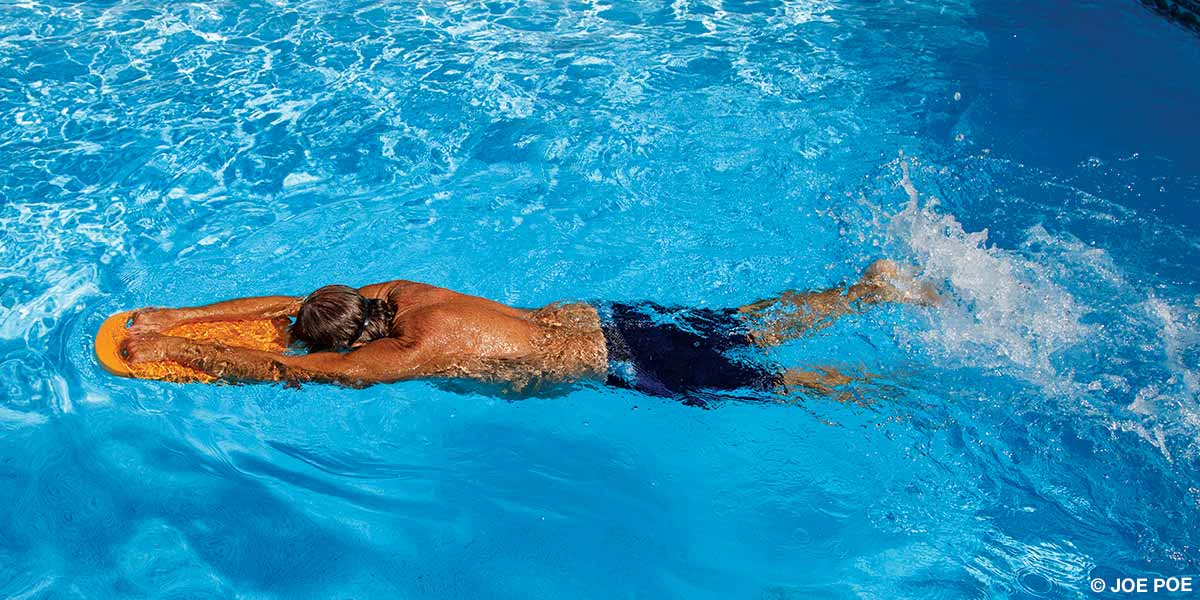
Swimming is a noncontact physical activity that lets you be socially distant while still receiving many health benefits. Exercising in water can increase cardiac function, reduce blood pressure and improve muscle blood flow, respiratory function and brain function. Water reduces joint impact, so you can do high-intensity exercise with little to no discomfort from impact. Swimming targets your entire body and allows a greater range of motion for joints than land-based exercise. Blood flows more freely to your upper body, while the water supports you and lowers gravity’s impact.
More than 100 interns over 20 years have participated in DAN’s internship programs, working with established mentors in research, risk mitigation or medicine to gain knowledge and valuable professional experience while contributing to DAN operations. This year five interns traveled to Durham, North Carolina, to participate in the program.
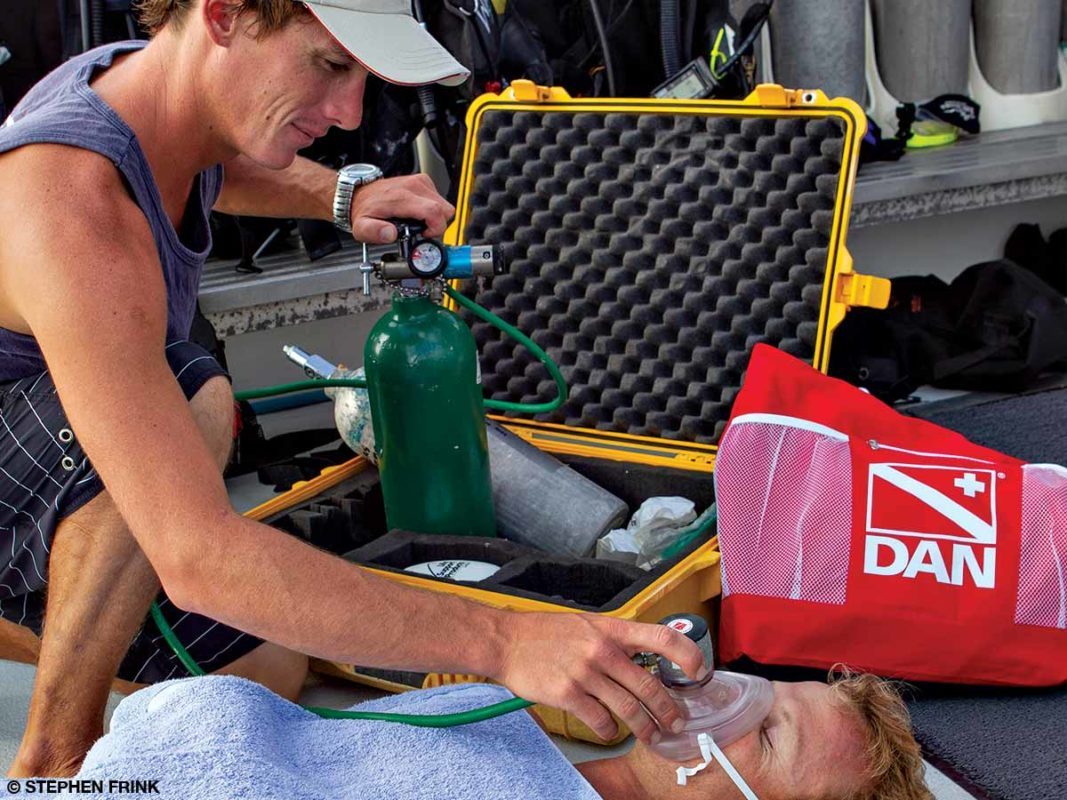
If the diver is symptomatic and you are rendering care, then you need to treat the symptoms. Give them the highest concentration of oxygen available, and get them to definitive health care and treatment. Remember that many conditions show symptoms that may mimic DCS. Just because someone was diving does not mean they have a dive-related illness. When creating your emergency action plan, note the location of the nearest emergency room or where and how to access local emergency services.
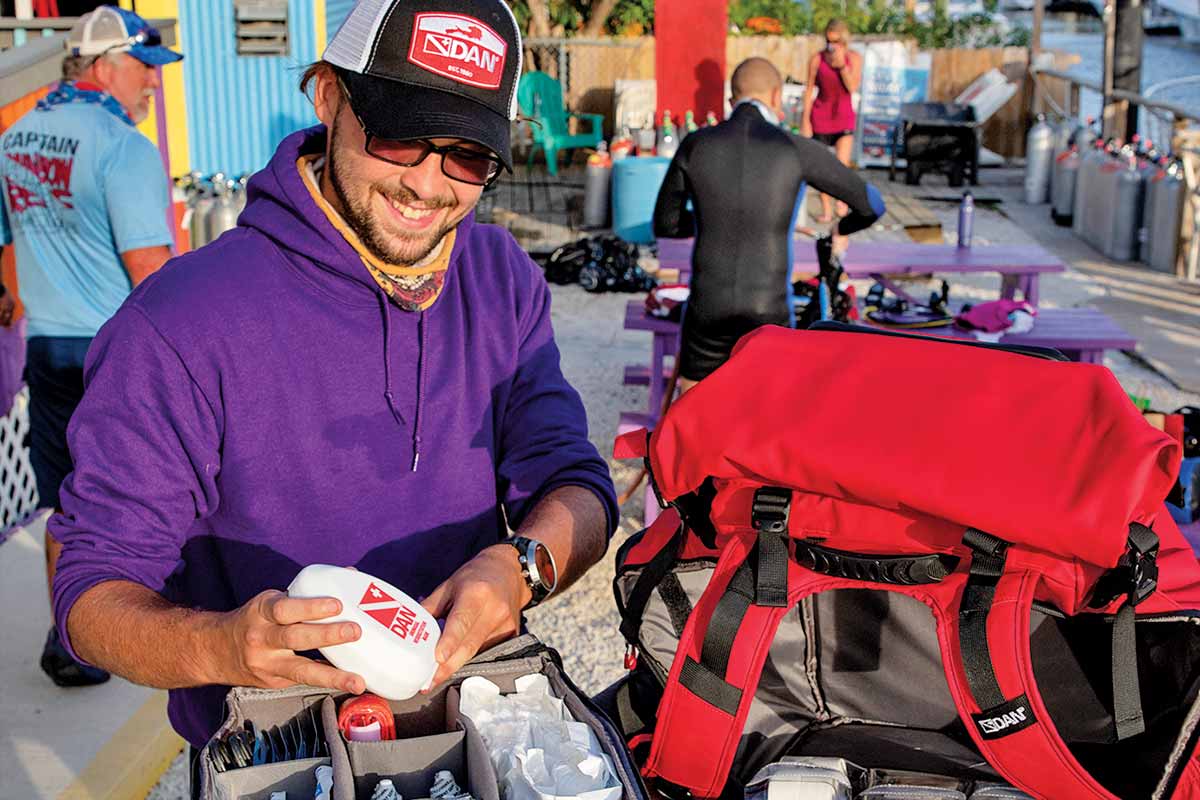
You are on the boat after a great dive when a buddy team surfaces, and one of them calls out for help. The boat crew helps get the distressed diver on board. Would you know what to do next? Whatever your level of dive training, or even if you are a nondiver dealing with an incident on land, DAN’s first aid training can help you know what to do and how to do it.
With adverse events, there is almost always a cascade in four phases: the trigger, the disabling agent, the disabling injury and the cause of death. Individually, each event is avoidable. Recognizing one at the time of occurrence is an opportunity to react and attempt to mitigate the risk before it becomes a problem. In root cause analysis of adverse events, the most significant factors are the lack of recognition and failure to react to the event.
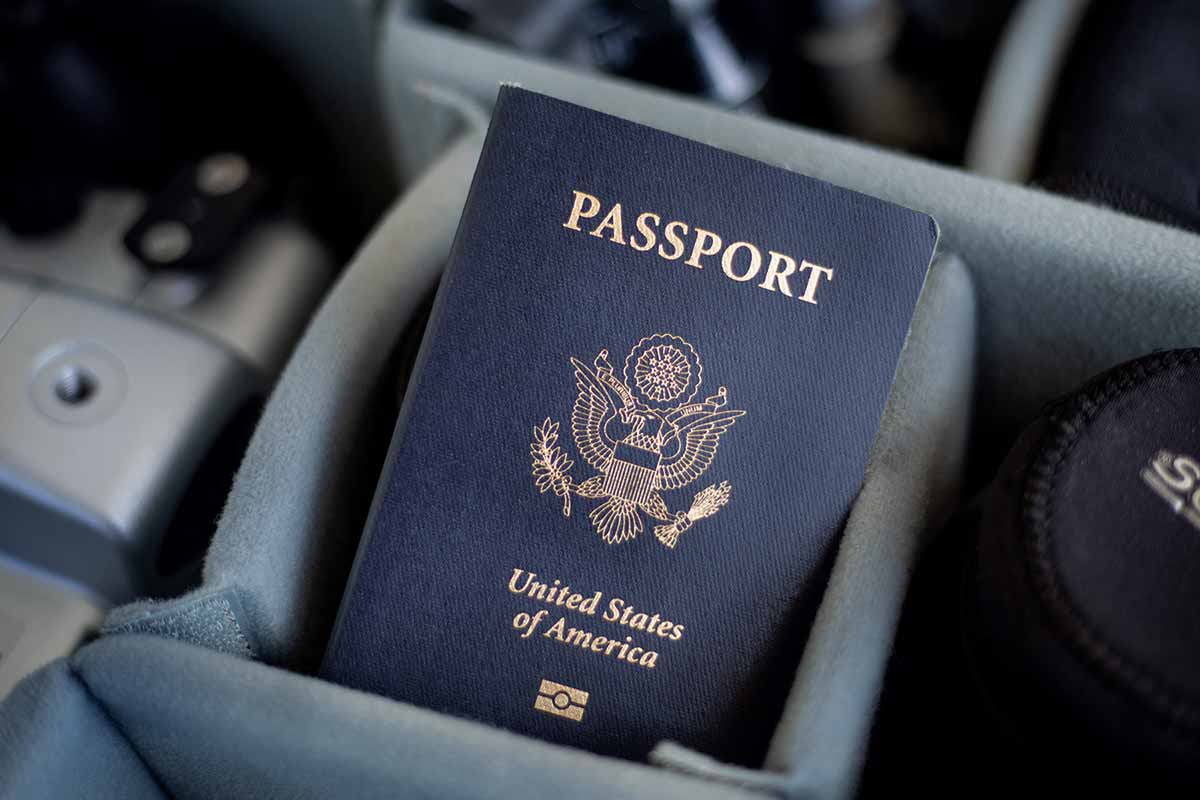
It’s been more than a year since many divers have traveled internationally and visited beloved or new dive destinations. Although it is unclear when and which international destinations will be fully accessible, it’s important to stay proactive about important travel documentation preparation.
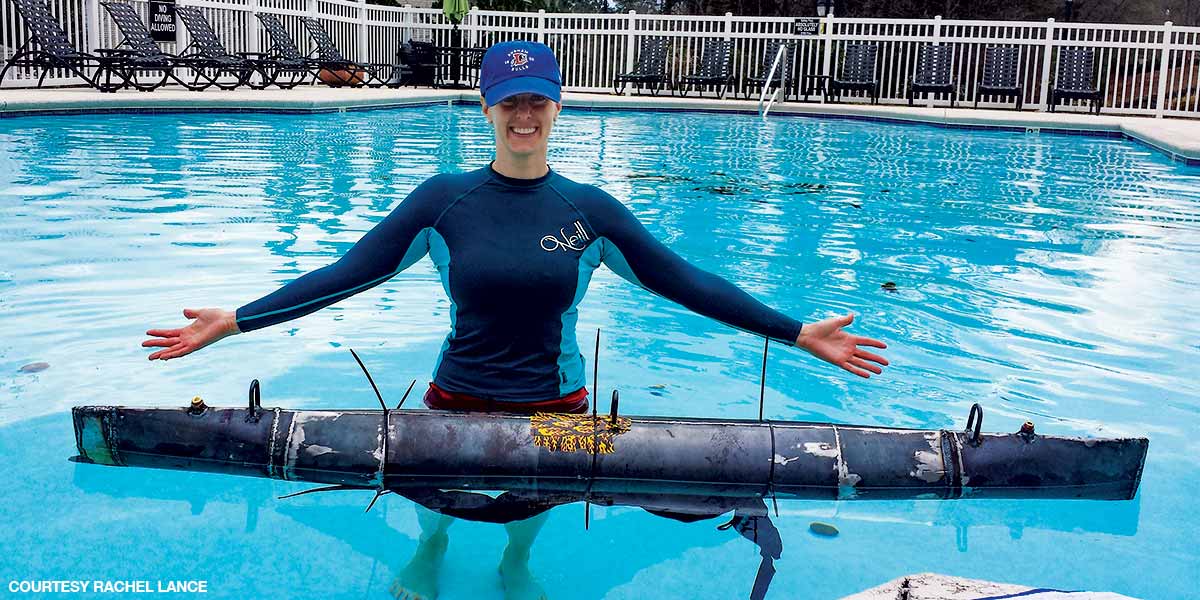
In her work, Rachel Lance, Ph.D., focuses on extreme environments, particularly the effects of explosions. “The human body is fascinating, especially when it fails,” she says. “We are not naturally equipped to survive in a deep underwater environment, so I am fascinated with the idea of finding ways to do so anyway. Perhaps it’s my naturally rebellious side.”
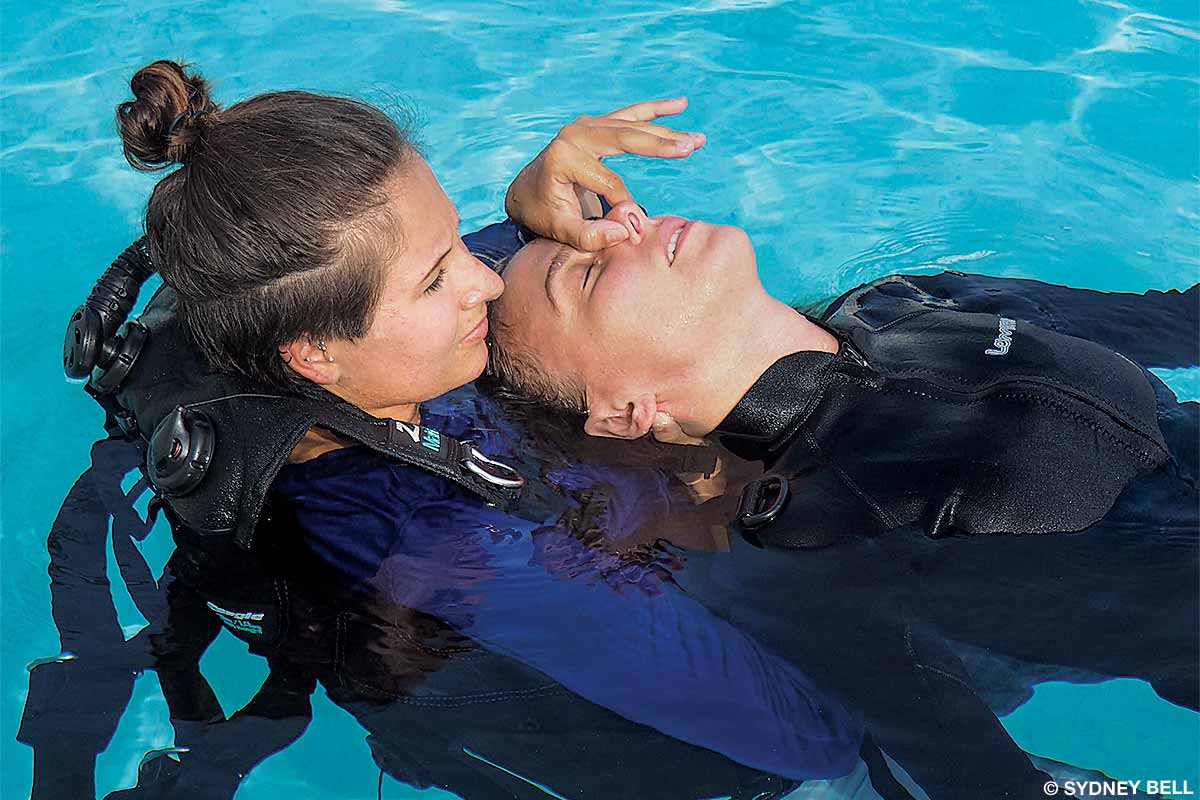
The required skills in a rescue scenario — which involved a surface swim while providing rescue breaths and removing dive gear from the victim and rescuer — were not coming easily, especially if my dive buddy was larger than me. Techniques for rescue diving seemed suited for people with a different body type and skill set — at 5 feet, 4 inches tall, I am a petite woman. Practicing rescues was challenging at best and near-impossible at worst until a course director taught me techniques and modifications that made rescuing more accessible.