Stopping the Sting
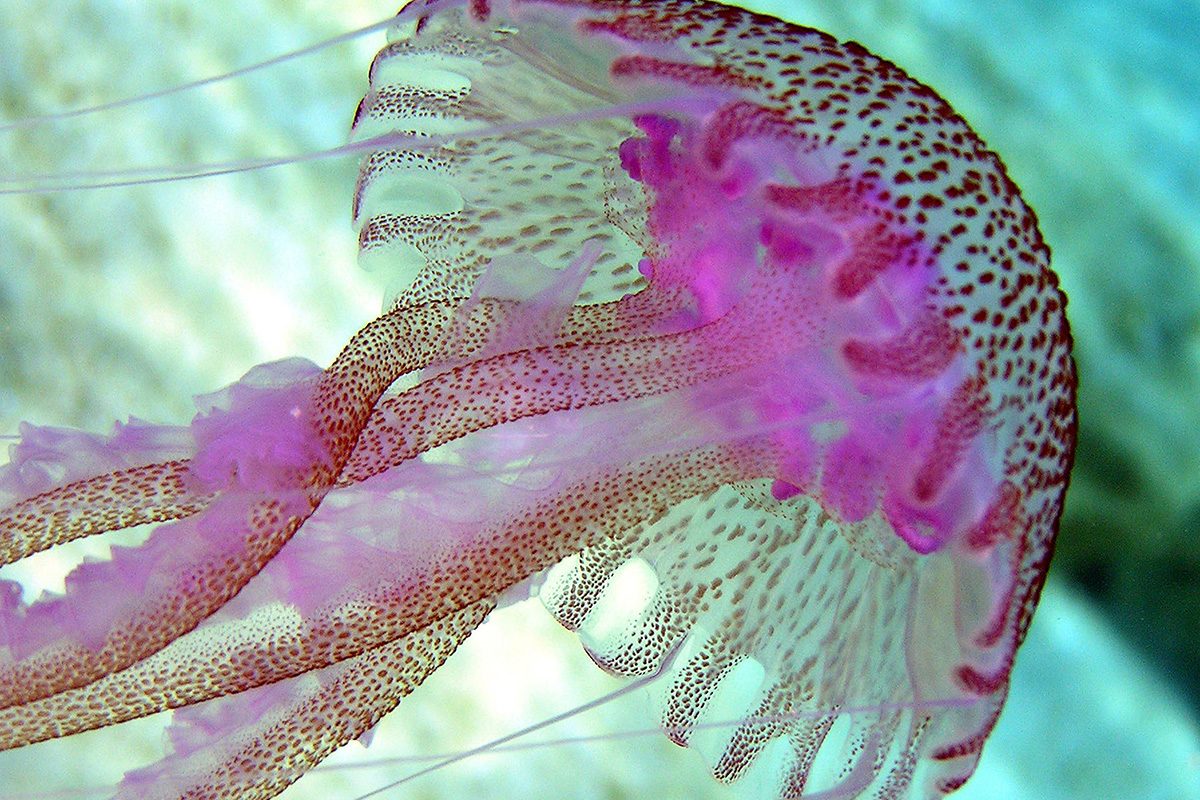
Marine life stings are an uncommon, but an unfortunate reality of exploring the aquatic world. Know how to mitigate the risks, treat the injuries and keep yourself sting-free and happily diving this season.
Divers Blog Post Type
Marine life stings are an uncommon, but an unfortunate reality of exploring the aquatic world. Know how to mitigate the risks, treat the injuries and keep yourself sting-free and happily diving this season.
Women make up a large percentage of the diving population. It is important to fully understand the issues of women’s health and safety.
When you keep up your physical fitness out of water, you ensure you can continue to dive. But what does fitness for diving truly mean?

Dive pros can benefit from DAN’s newly developed programs and enhanced services. These programs will keep everyone safe and happy.
Heart disease can impact your ability to dive. Many divers are unaware that they have heart disease until it is too late.

Do you know what to do if you have an emergency abroad? Do you know how to access emergency care? Does your insurance cover you with emergency transportation and treatment?

The bends, also known as decompression sickness (DCS), occurs when nitrogen bubbles form in the blood, often causing severe joint pain.
A basic emergency action plan outlines the steps first responders should take in a diving or nondiving emergency. The plan should be clear enough that an untrained bystander could assist if needed.

You have an emergency action plan in place. But how good is it, really? Don’t wait until a disaster strikes to put it to the test.

Good diving etiquette is important in a social sport like diving in building and maintaining trust with your diving companions.