DAN Member Health Survey
Status: Current Research
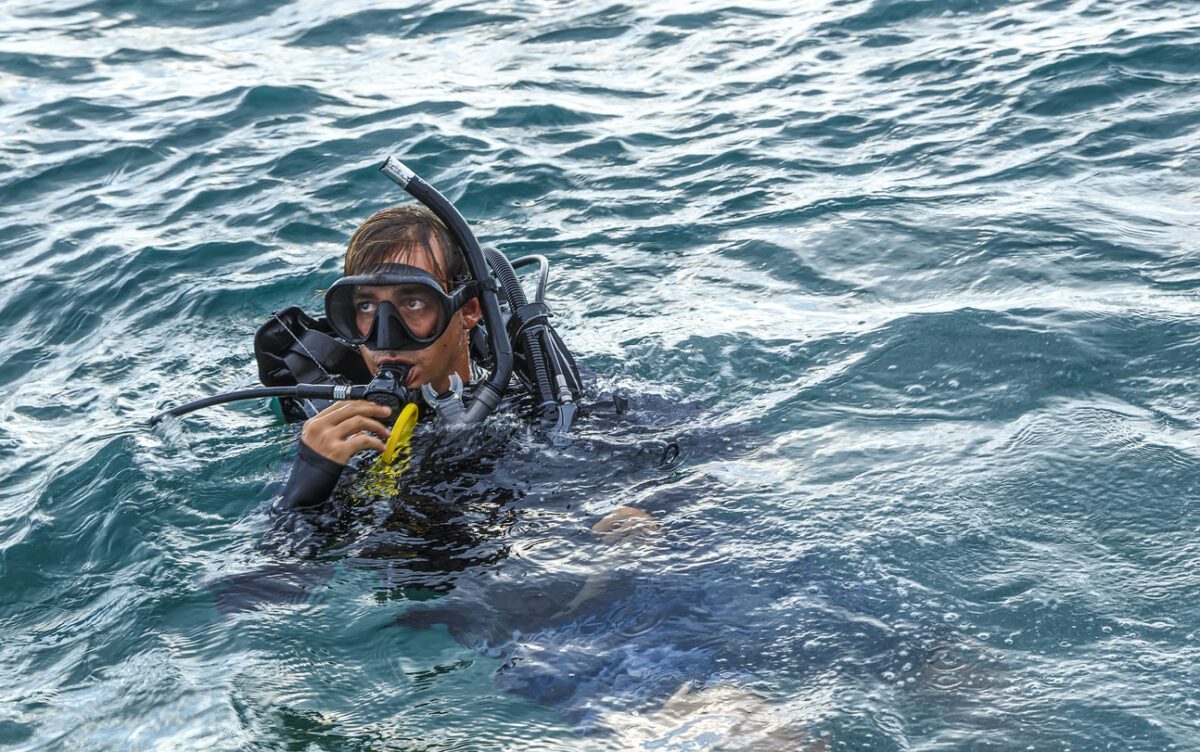
The DAN Member Health Survey is a research study designed to improve our knowledge of the risk factors that contribute to diving injuries. The findings will help in developing injury […]
Research Studies Post Type
Status: Current Research
The DAN Member Health Survey is a research study designed to improve our knowledge of the risk factors that contribute to diving injuries. The findings will help in developing injury […]
Status: Completed Studies
Immersion, cold water, hyperoxia, exercise or the work of breathing on a Closed-Circuit Rebreather could challenge the cardiopulmonary system. The purpose of this study was to examine the impact of […]

Status: Completed Studies
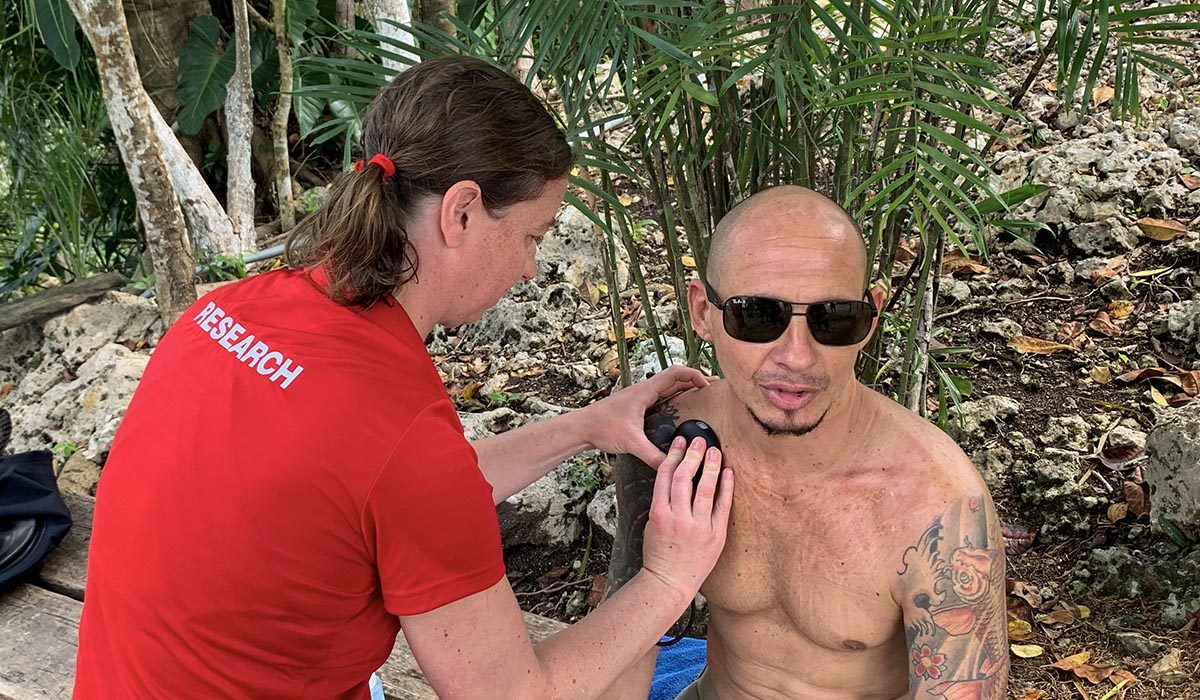
In some divers, tiny bubbles called Venous Gas Emboli (VGE) present in the blood after a dive. Typically, these bubbles cause no harm and are filtered out by the lungs, […]
Status: Completed Studies
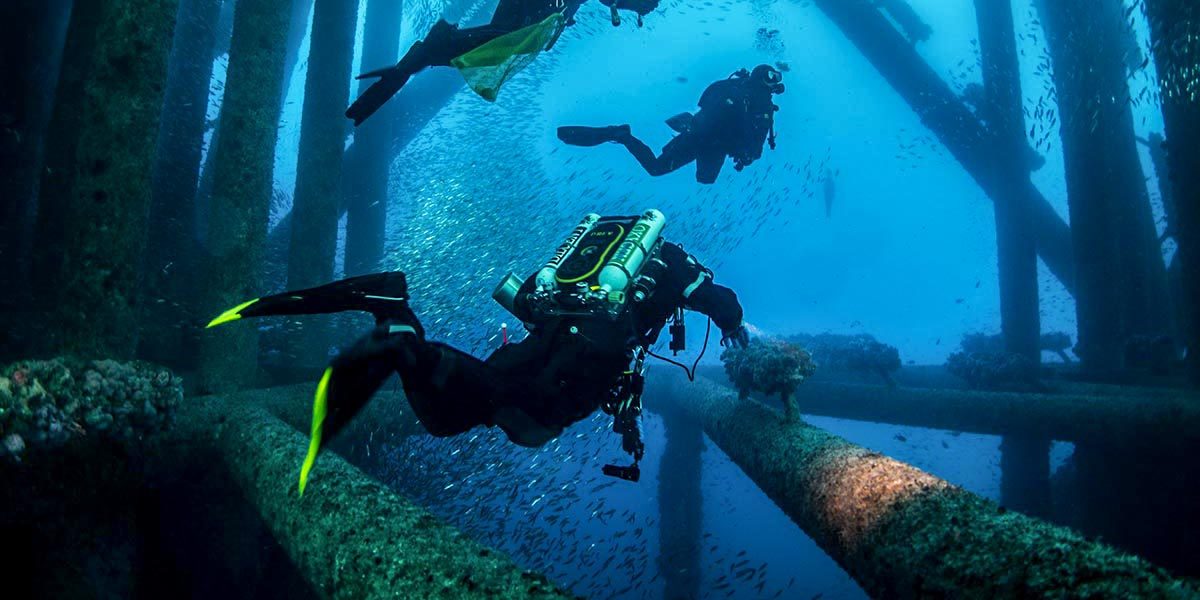
DAN researchers asked rebreather divers to share their experiences with caustic cocktail(s) while diving and any first aid treatments used subsequently. Currently, there is not much data about how common […]
Status: Completed Studies
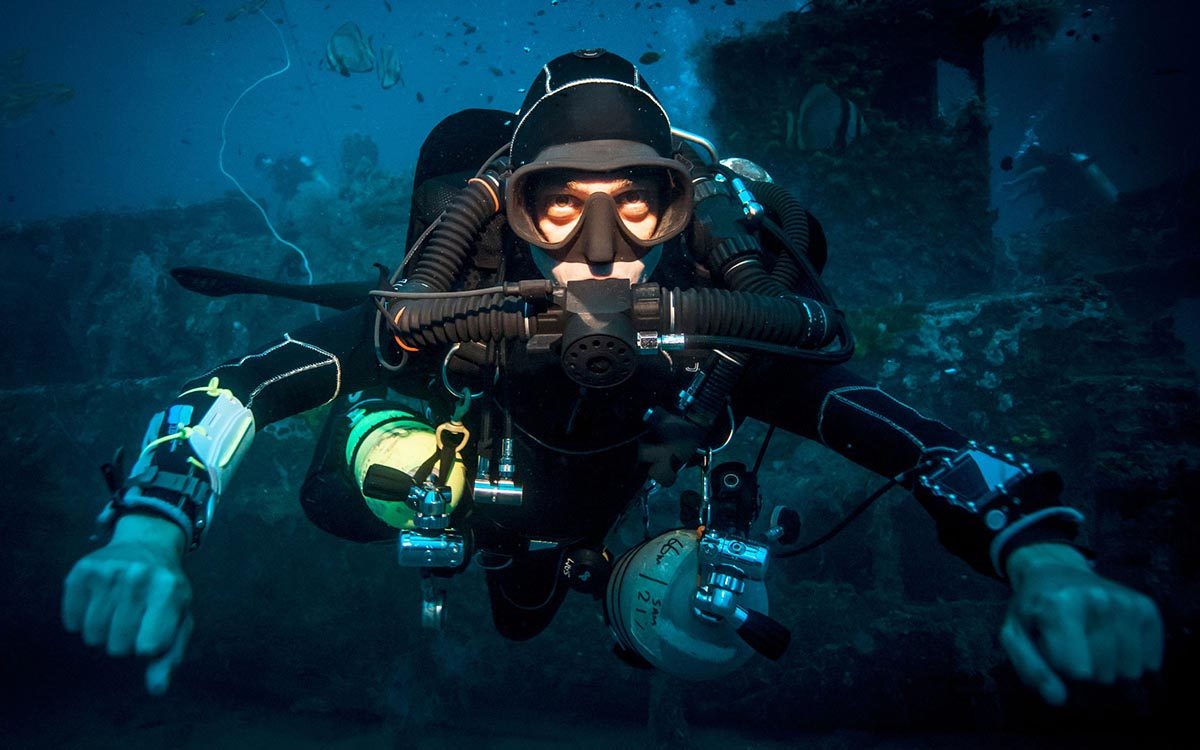
Daniel Popa, UCSD, Hamilton Award Recipient 2018 Malfunctions in closed circuit rebreathers (CCRs) can cause hypoxia if oxygen is not added to the breathing loop and the diver remains unaware […]
Status: Current Research
Venous gas emboli (VGE) are bubbles that form and grow in a diver’s tissues and bloodstream during the decompression phase of the dive. Although VGE has long been associated with […]
Status: Current Research
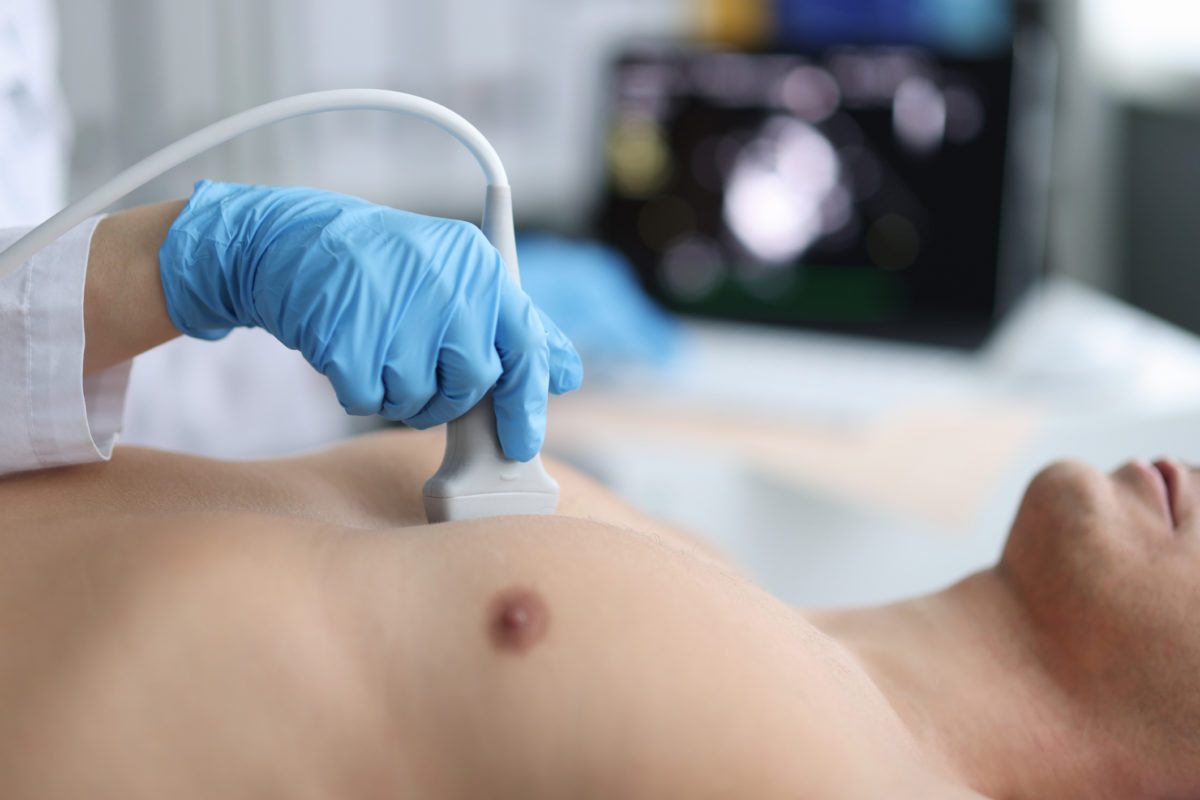
SCUBA diving involves complex processes such as decision making, memory, motor coordination, and spatial orientation. Given that human error has been attributed to nearly 90% of diving incidents, it is […]

Status: Current Research
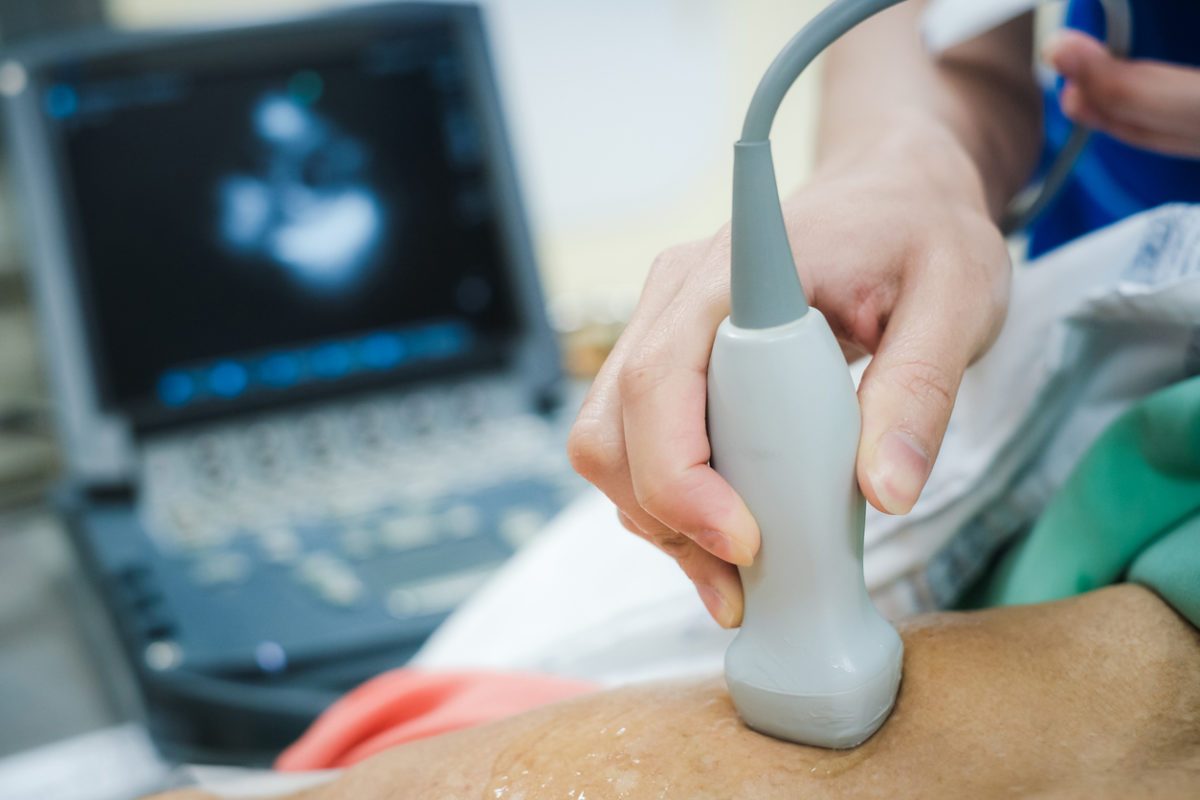
Venous gas emboli (VGE) are bubbles that can appear in the blood after a dive due to decompression. These bubbles are detectable using ultrasound imaging and provide a measure of […]
Status: Completed Studies
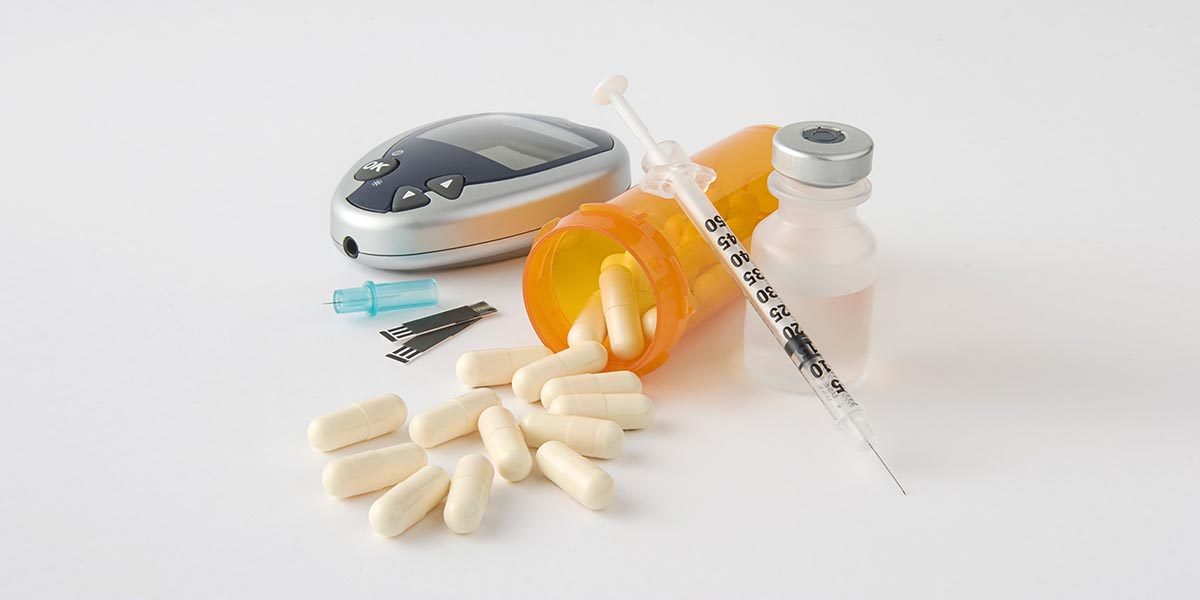
Historically, DAN advised divers with insulin-dependent diabetes against diving because of the threat of a hypoglycemic episode underwater. However, two studies helped reevaluate the guidelines for recreational diving with diabetes.
Status: Completed Studies
A PFO, or a “hole in the heart,” is a known risk factor for DCS. This study sought to determine if closing this hole in a surgical procedure would decrease the risk of DCS and compared these findings to divers that were advised to dive more conservative profiles.
