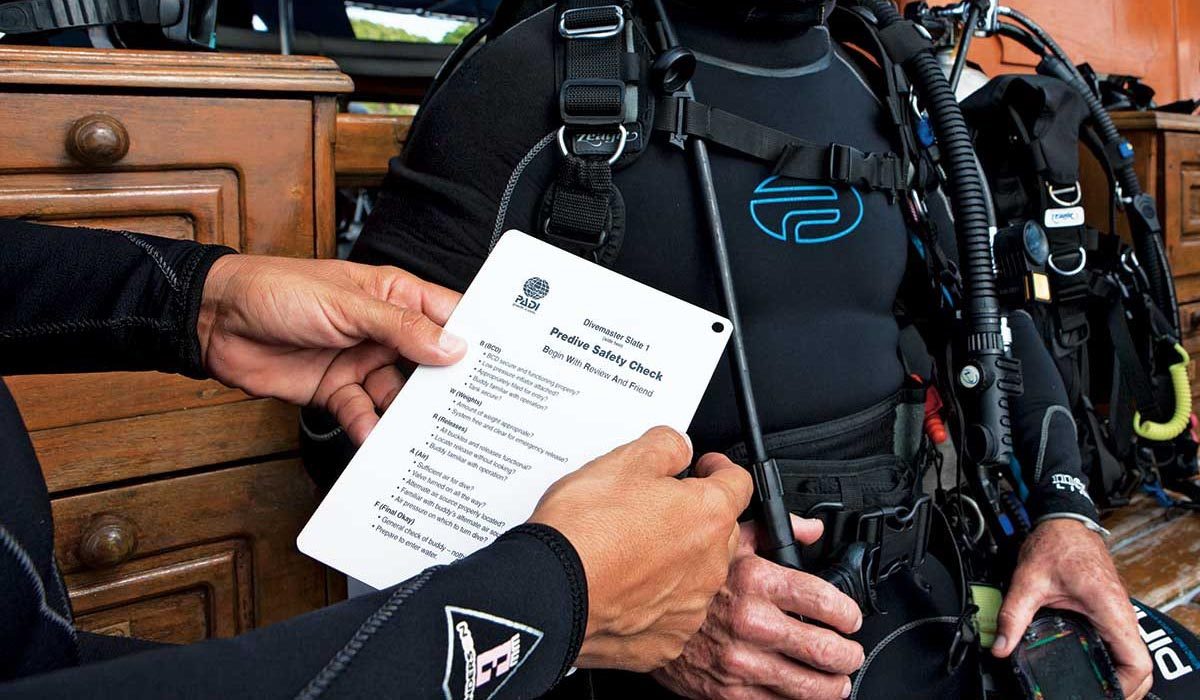
Many of the risks and hazards associated with scuba diving can be effectively mitigated or avoided by taking appropriate predive safety precautions. The purpose of this study was to evaluate the efficacy of predive checklists in reducing the incidence of diving mishaps and injuries.
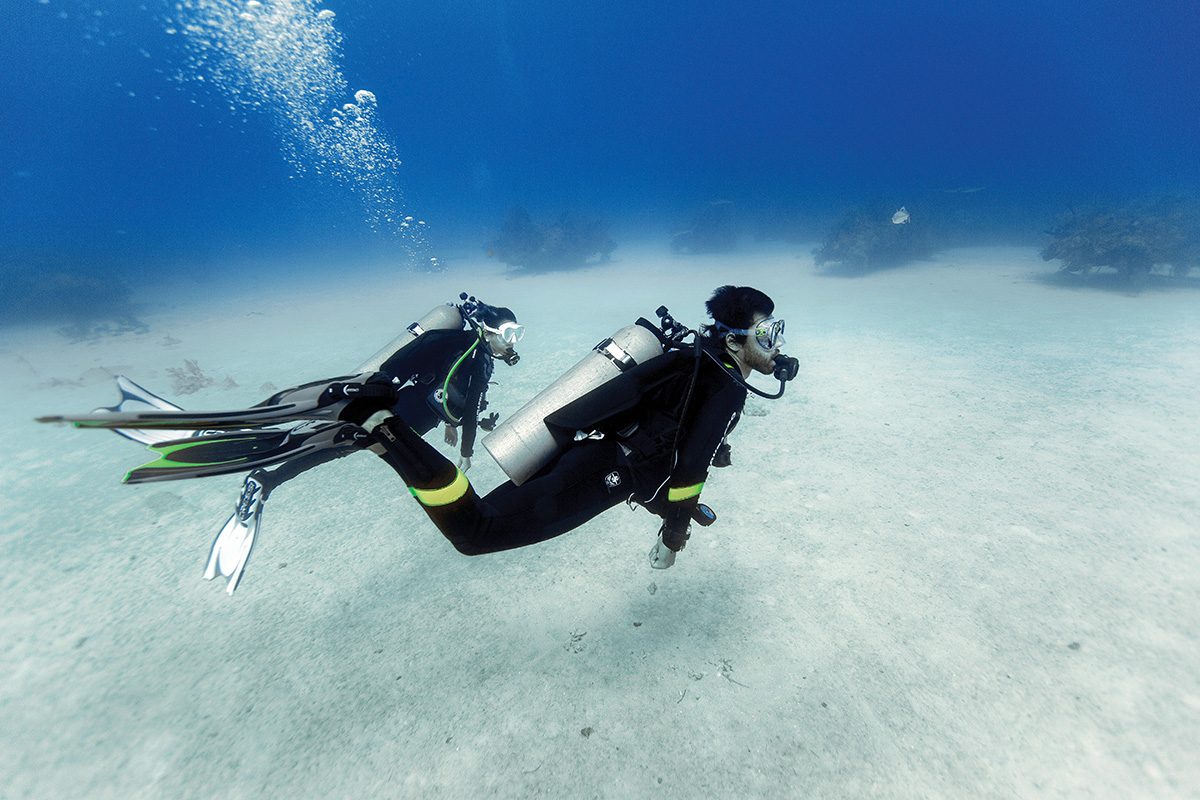
In 1995, DAN undertook a project to prospectively collect data about how recreational divers dive and how often they get decompression sickness. For the first time, the dive exposures were described in detail thanks to the availability of dive computers with recording capability.
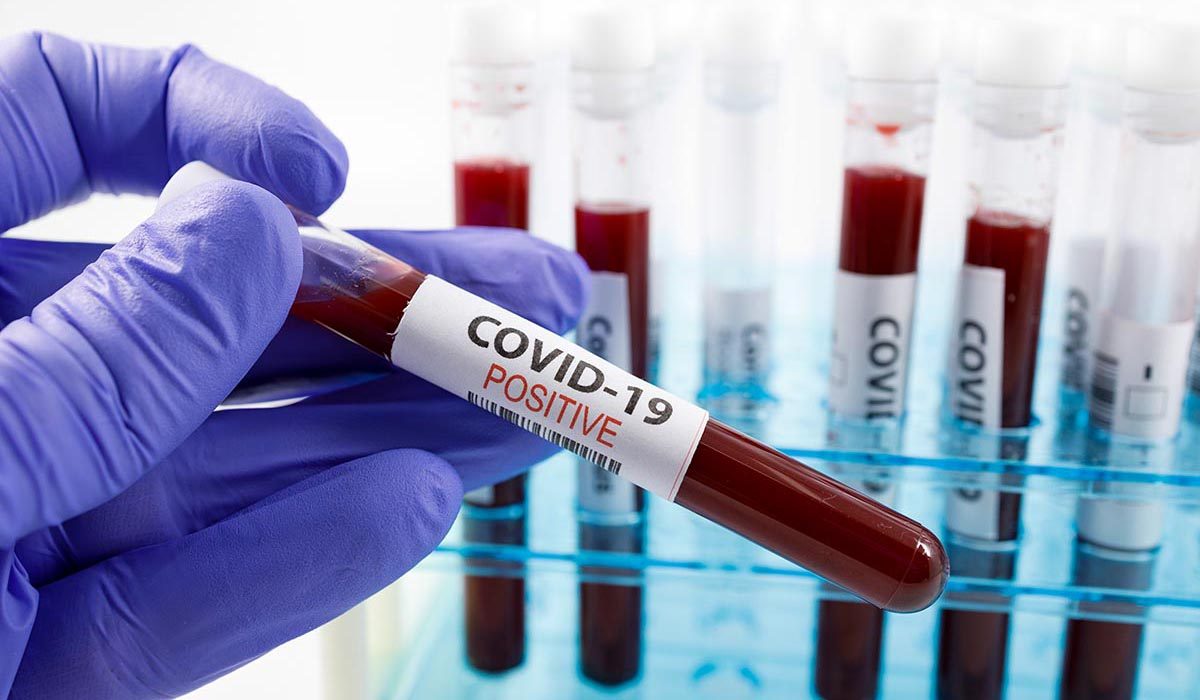
Since the declaration of the pandemic, the pulmonary effects of COVID-19 have been causing concern. DAN is looking for divers who have recovered from suspected or confirmed COVID-19 infection for a long-term study on the effects of COVID-19 on divers’ health and fitness to dive.
The aim of the study was to establish the effects of scuba diving on microparticles — cellular debris — in the blood and their possible role in the mechanisms of DCS.
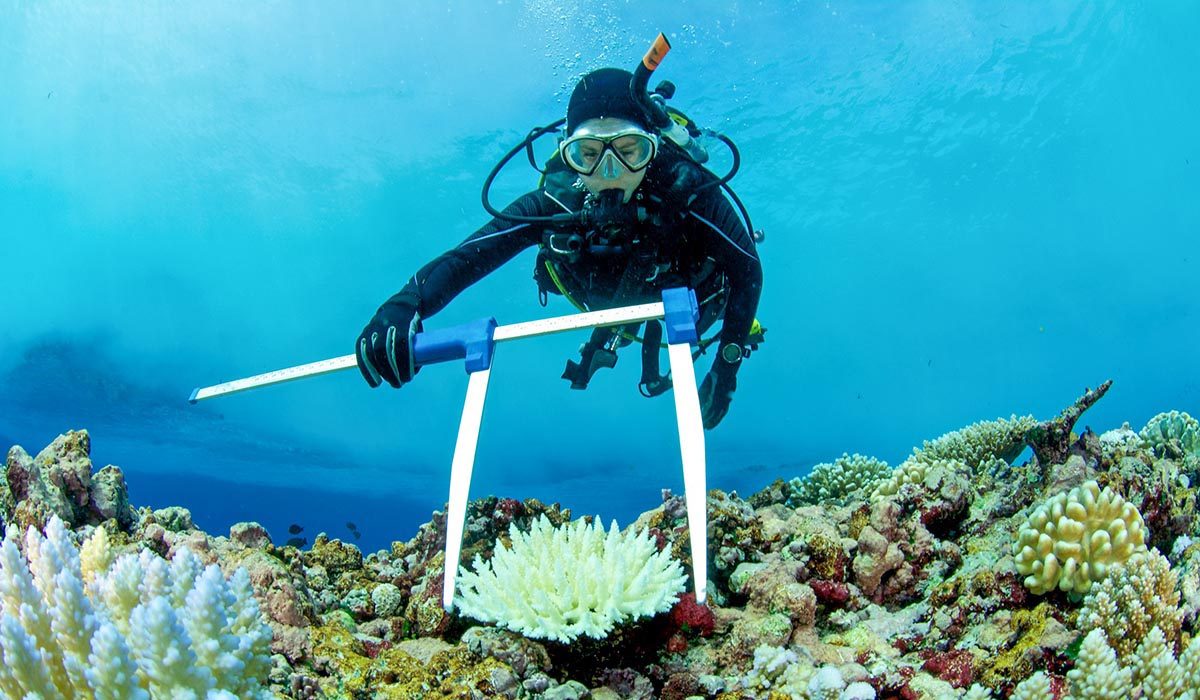
Scientific diving is generally held as one of the safest forms of diving. The purpose of this study was to determine the rate of decompression illness associated with scientific diving activity by reviewing official records.
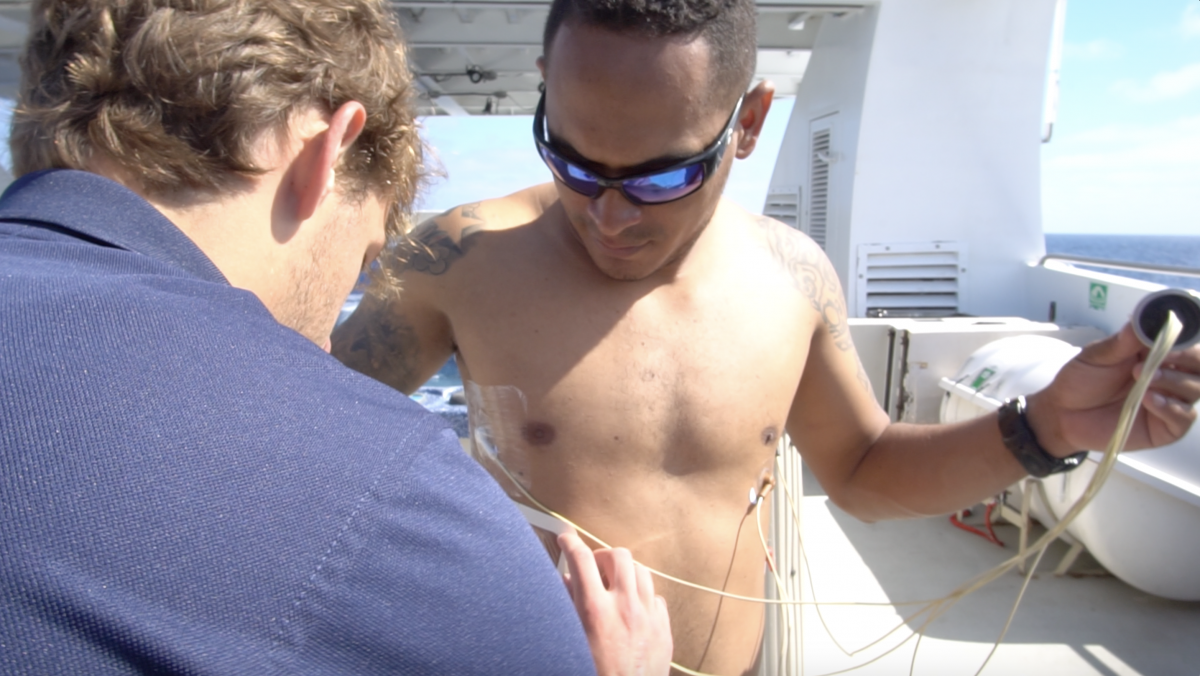
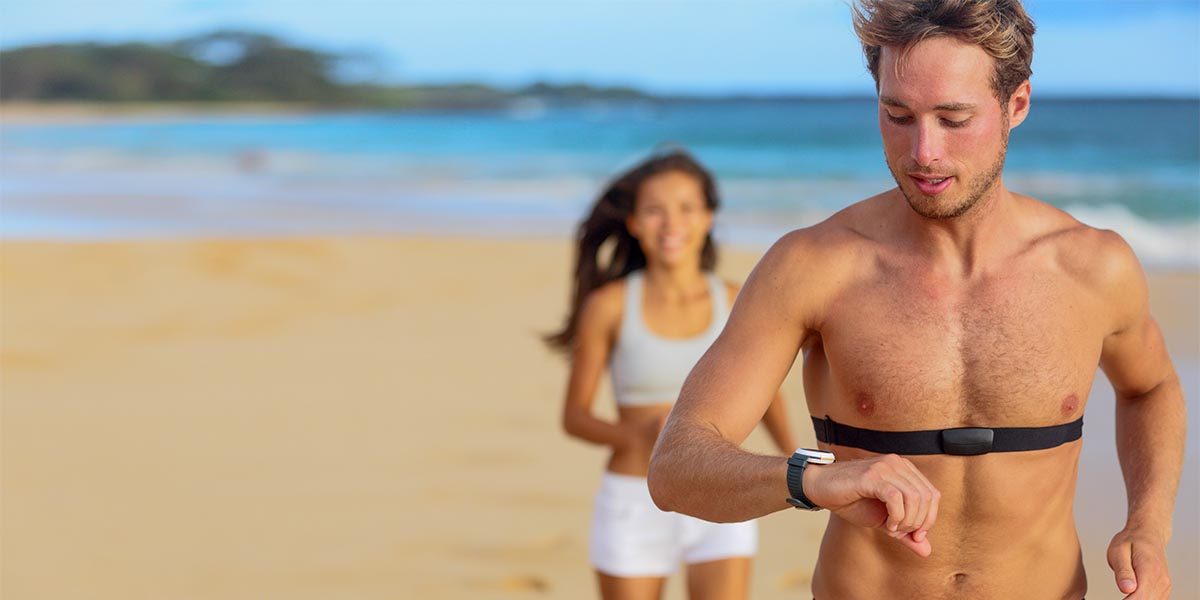
Heart issues are frequently implicated in scuba diving fatalities. Abnormal heartbeats, also known as arrythmias, can be a marker of cardiac compromise. This study follows 110 divers during six scuba diving trips and characterizes the factors that contribute to any post-diving arrythmias.
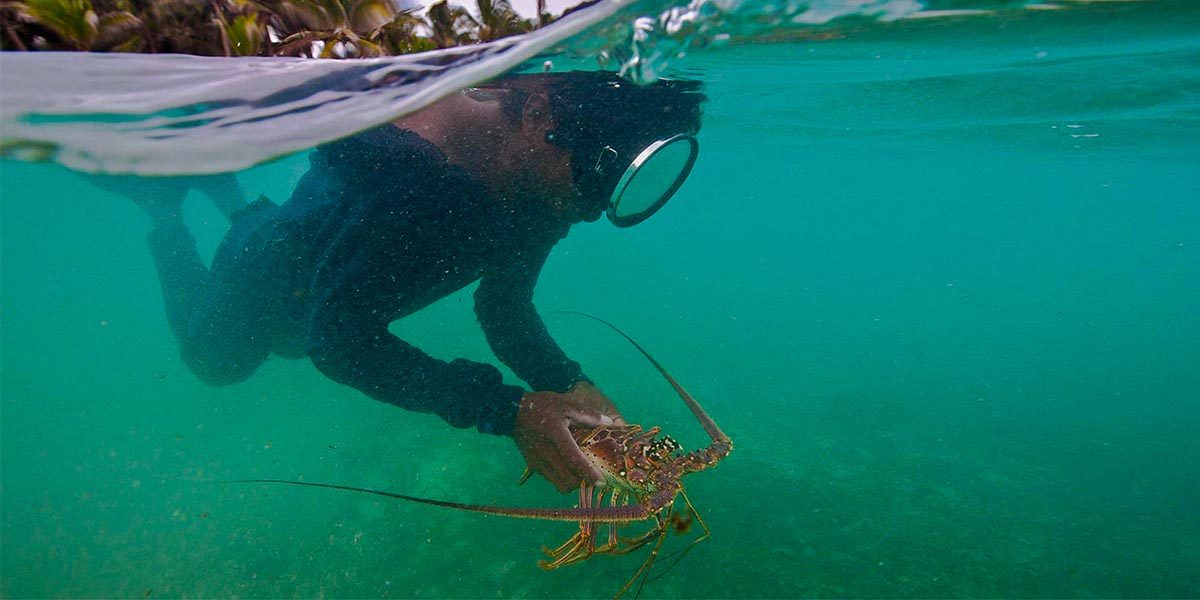
The purpose of this study was to help clinicians understand the impact of delayed recompression treatment of decompression illness (DCI) among Miskito fishermen divers.
Adequate levels of physical fitness are necessary to meet both typical and emergent demands of diving. But sometimes, guidelines have unrealistically high bars that not all divers can meet.
The diving incident reporting system (DIRS) is one of the tools we use to gain insight into the not-so-pleasant experiences divers sometimes have. The purpose of this ongoing study is to collect and analyze voluntarily submitted reports of breath-hold and scuba diving safety mishaps reports in order to reduce injuries and fatalities.
Until we succeed in making every dive accident- and injury-free, DAN will continue to collect and analyze information about dive fatalities. The purpose of this database is to monitor trends in fatal injuries and identify risk factors associated with fatal diving accidents.