Flying After Diving
Status: Completed Studies
Decompression sickness can occur if a diver does not properly space out diving and flying postdive. The data collected from these studies influenced the current guidelines on when to fly postdive.

Research Studies Post Type
Status: Completed Studies
Decompression sickness can occur if a diver does not properly space out diving and flying postdive. The data collected from these studies influenced the current guidelines on when to fly postdive.
Status: Completed Studies
Diving with a pacemaker is generally not recommended given the risk of drowning due to a possible underwater electrical shock and other complications.

Status: Completed Studies
The use of nasal decongestants increased a diver’s risk for developing CNS oxygen toxicity. Factors like gender, could influence symptoms and severity.

Status: Current Research
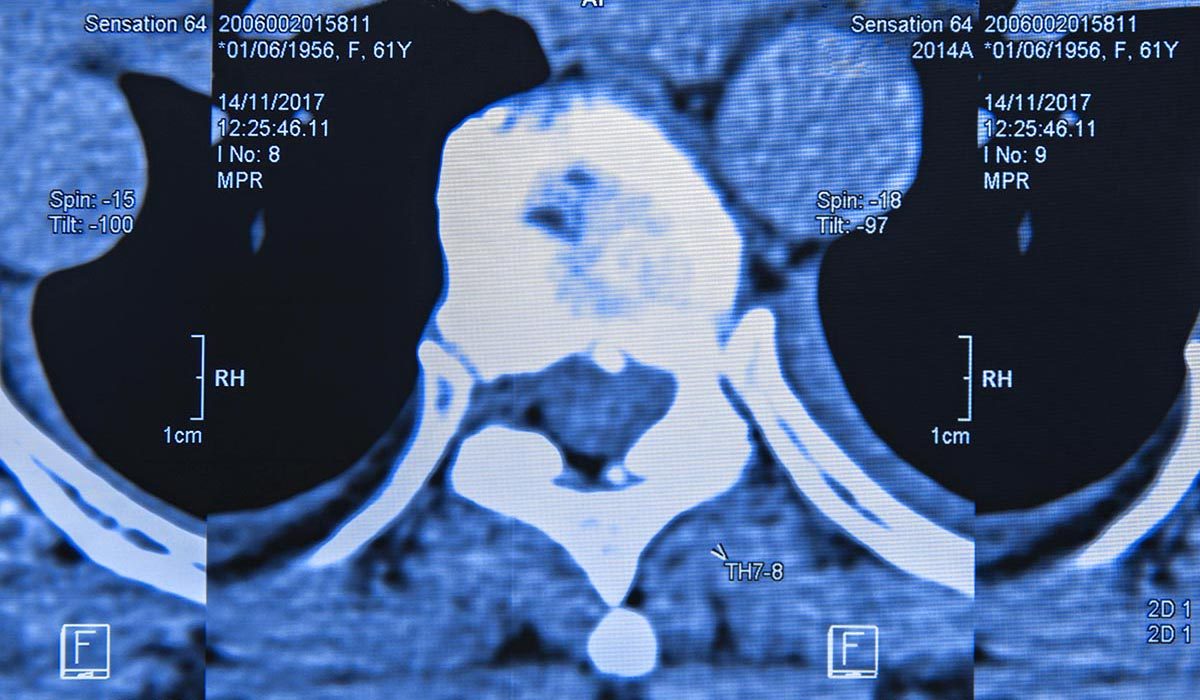
Spinal cord decompression sickness is among the most serious forms of decompression illness. This project studies the mechanics of how bubbles damage the spinal cord by using high-resolution magnetic resonance imaging to observe bubble growth and tissue damage in decompressing tissue samples. The goal is to improve recompression treatment.
Status: Current Research
The purpose of this prospective study is to estimate the occurrence of returning or worsening symptoms of DCI in both divers that fly after treatment and treated divers that do not and to determine how long divers wait before flying after treatment for DCI.
Status: Completed Studies
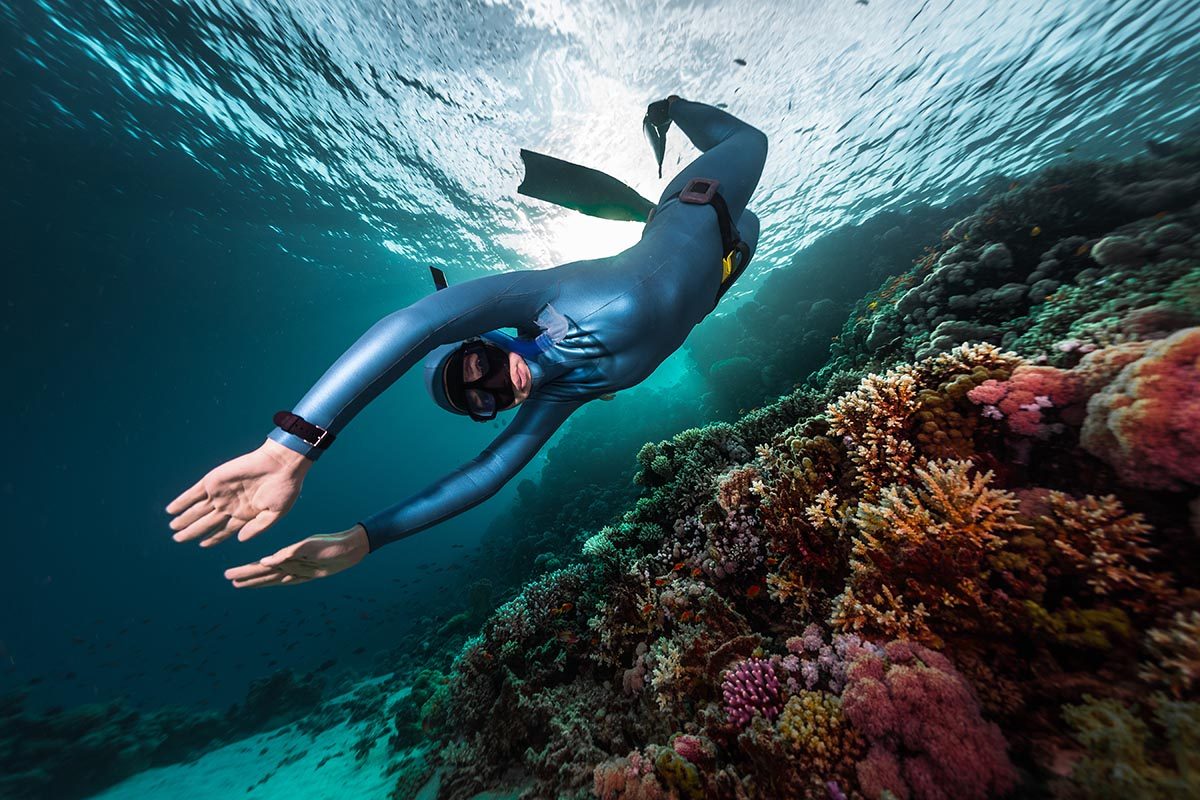
The primary objective of this study was to increase breath-hold diving time to a maximal safe level without danger of loss of consciousness or functional incapacity.
Status: Completed Studies
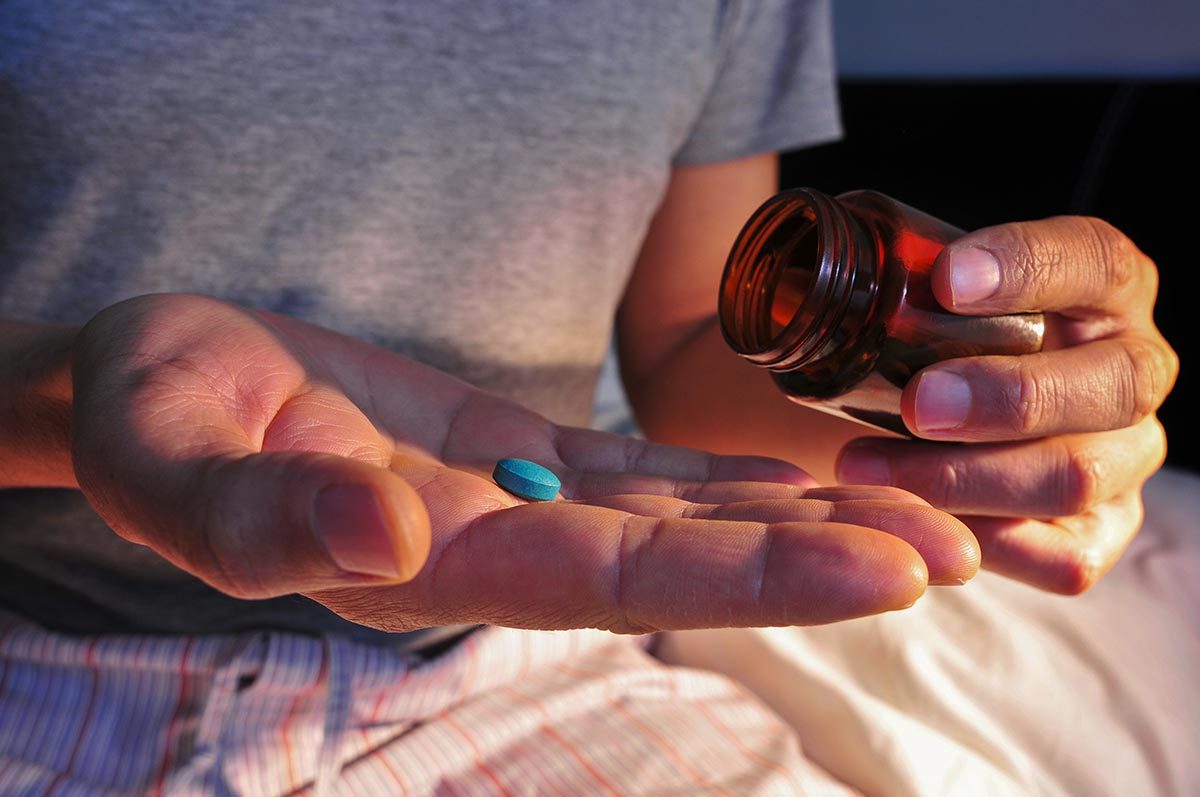
Drugs such as Cialis or Viagra belong to a family of drugs called PDE5 inhibitors which may cause vasodilation in the brain and thus increase the risk of oxygen toxicity. This study concluded that rats treated with PDE5 inhibitors had a faster onset of CNS oxygen toxicity resulting in oxygen seizures than rats not treated with PDE5 inhibitors.
Status: Current Research
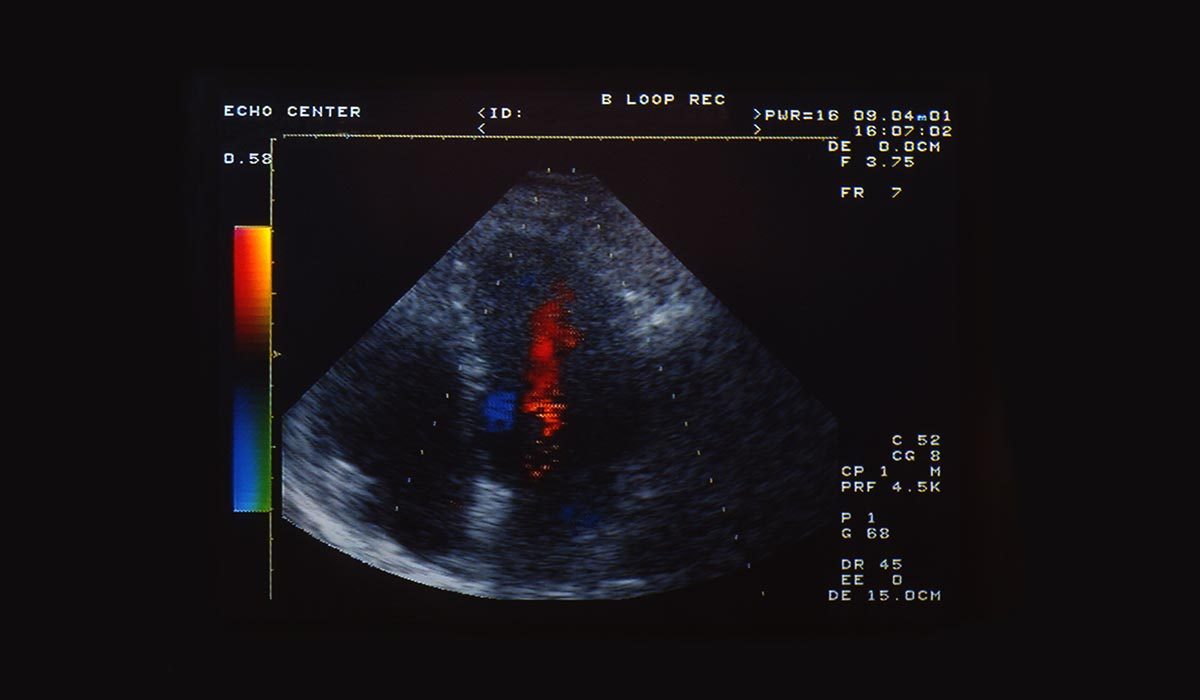
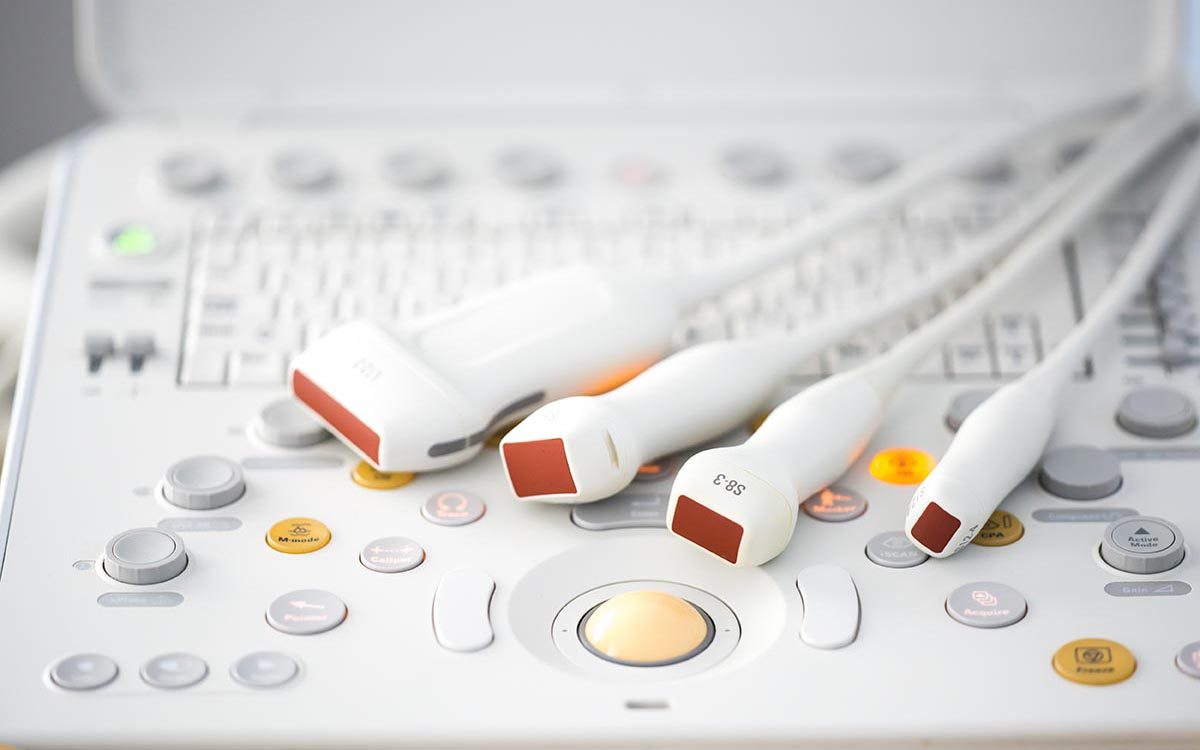
Venous gas emboli (VGE) are bubbles that can appear in the blood after a dive due to decompression. These bubbles are detectable using ultrasound imaging and provide a measure of decompression stress. Advanced ultrasound imaging techniques are being developed at UNC for detecting these microbubbles and differentiating them from VGE.
Status: Completed Studies
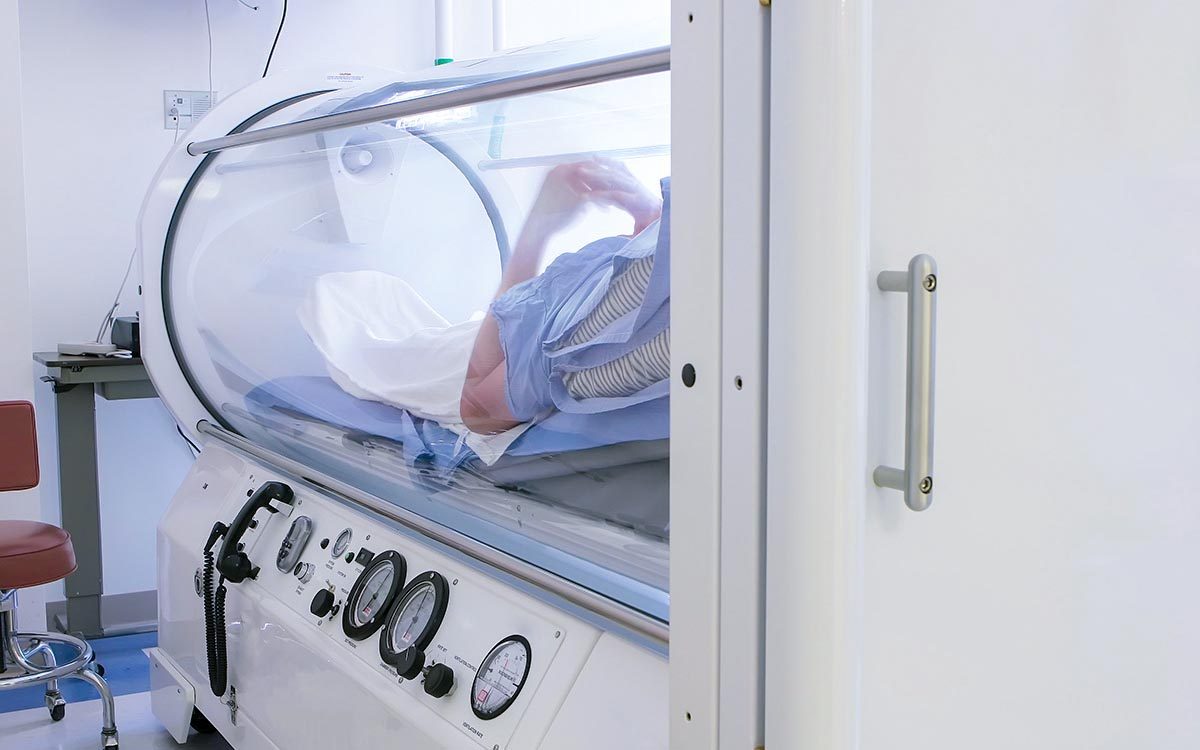
Oxygen breathed at elevated pressure (hyperbaric oxygen) is the definitive treatment for decompression illness. The purpose of several studies at DAN was to evaluate the performance of oxygen delivery systems made available to or being used for divers.

Status: Current Research
VGE evolution postdive varies dramatically, so frequent measurement may be important for understanding the influence of VGE on other physiological mechanisms in diving. UNC researchers are working on obtaining a large number of ultrasound recordings to be used in refining algorithms for VGE detection.