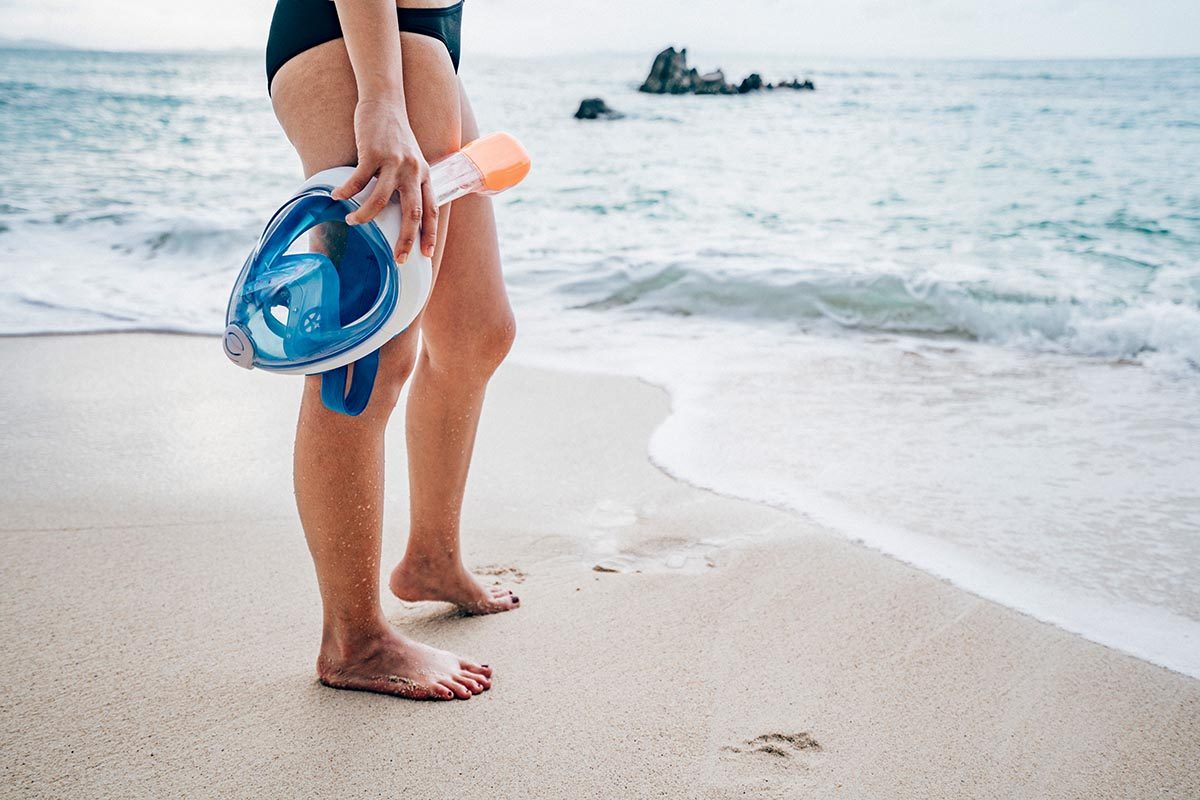
Divers Alert Network aims to assess the safety of using full-face snorkel masks (FFSMs). In recent years DAN has begun to receive incident reports connected to these new devices. This study aims to test different FFSM models to determine their characteristics and observable risks. The testing will be a collaborative effort between DAN and Duke University.
DAN conducted an online survey of divers who were recompressed for DCI within the past five years and then flew in an airplane to try to answer “How long should you wait to fly after recompression therapy?”
The purpose of the survey was to establish the prevalence of cardiovascular risk factors, diabetes and asthma of DAN members. This survey also looked at members’ access to primary healthcare, their diving practices, and the prevalence of common diving-related injuries.
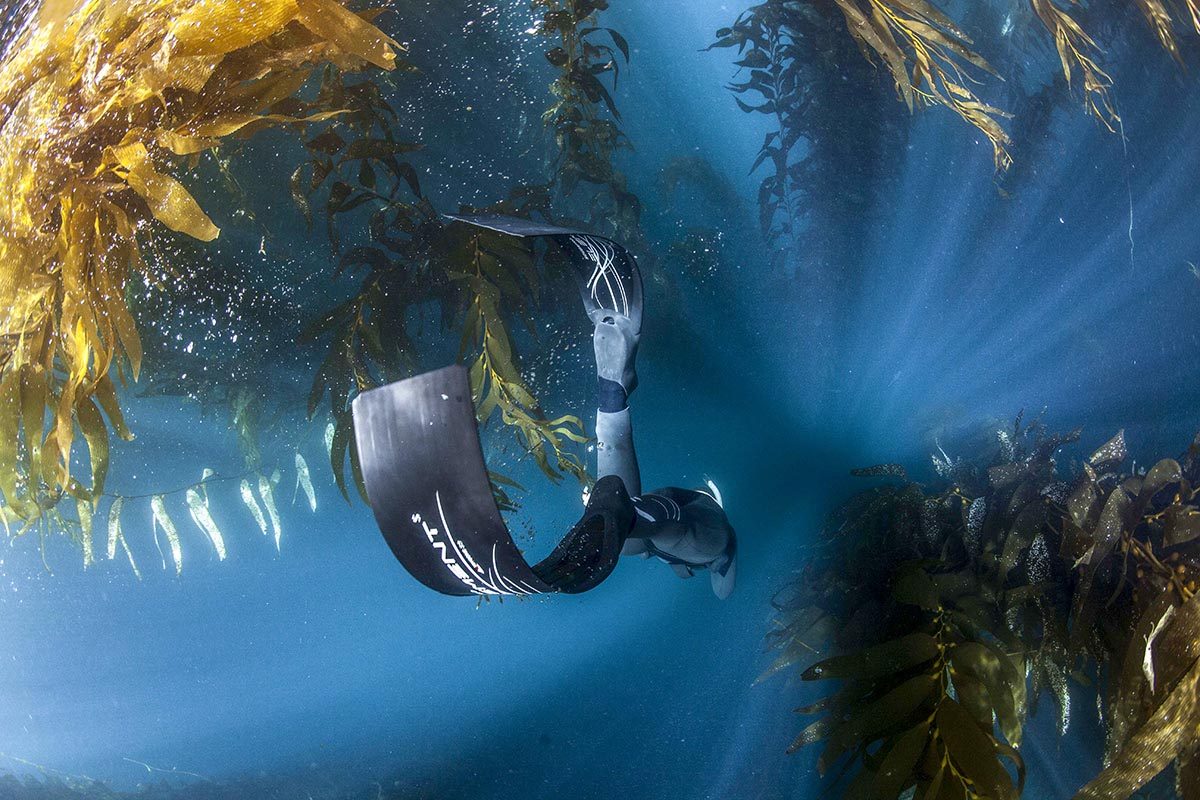
While DCS in scuba diving is a well-recognized disease, much less is known about breath-hold divers who suffer DCS. With improvements in technology and training methods, today’s divers dive longer and deeper than ever before. The primary goal of this study is to collect high-resolution data on breath-hold divers’ depth/time profiles to further our understanding of decompression illness.
In order to enable future studies to target specific issues and devise appropriate preventive interventions for scuba divers, this study sought to establish the incidence and prevalence of injuries and identify their trends among insured DAN members.