COVID-19 and Diving: March 2021 Update
As the medical community has learned more about COVID-19 in the past year, the implications of the disease for divers are now better understood.

As the medical community has learned more about COVID-19 in the past year, the implications of the disease for divers are now better understood.
Consider talking to your doctor before returning to diving if you’ve been out of the water a while, or if your health status has changed.
Carefully weigh your return to diving, and assess the risk versus reward. No studies are available that address if the areas of your brain damaged by your stroke will be more susceptible to decompression illness. If you decide to dive, seek a detailed ongoing assessment and approval from your physician. This process should include a neurological evaluation that includes the strength and weakness of major muscle groups and the degree of cerebral injury as well as an assessment and comparison of the left side and right side of your body.
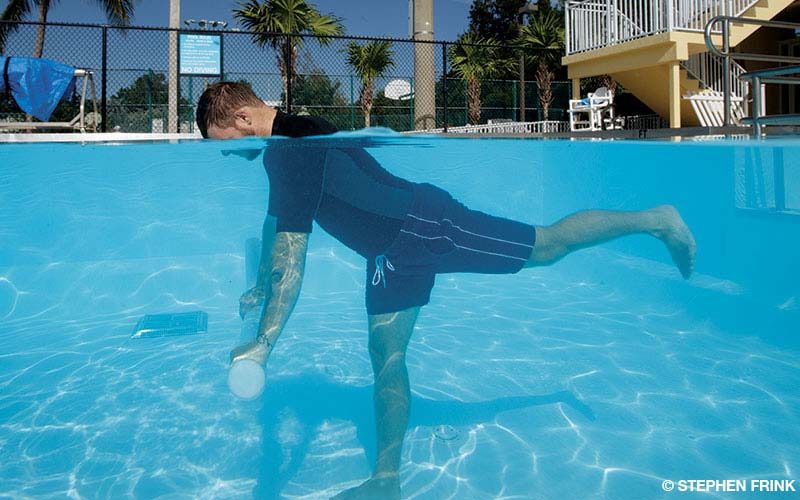
Exercising in water can be a great way to mix up your routine. The water supports your body
and ensures low impact despite intense exercise. The effects of gravity are less profound in the water, so you can have an increased range of motion and move in different directions than on land without falling. Water also offers resistance that activates your core muscles for stability, which is beneficial when maneuvering during diving. An added benefit for divers is practicing comfort and control in the water.
The pandemic of 2020 forced many divers to cancel trips and take a step back from diving. As a new season opens and diving may be possible again, slowly crank up your fitness.

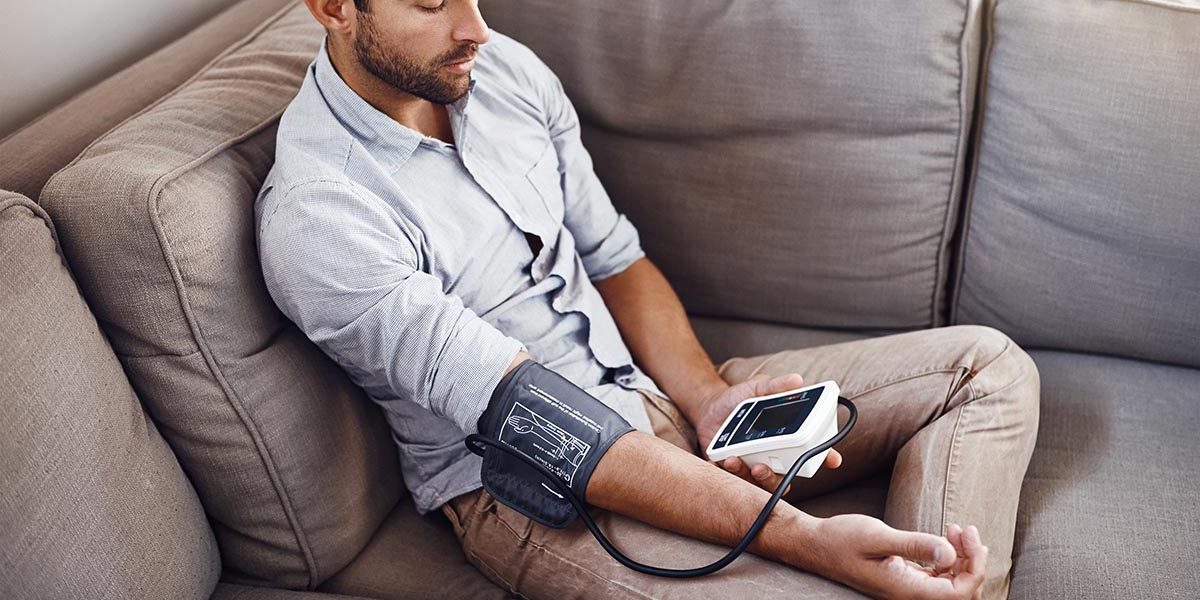
Hypertension is a common medical condition in both the general population and among divers. Hypertension affects people differently, and not everyone knows they have it. Certain medications may have implications for diving.
Anxiety is a mental health condition that refers to an overwhelming sense of apprehension or fearfulness. Anxiety can produce both psychological and physical symptoms that may be relevant in diving.

Heart health is essential to the safety of all divers. The best way that you can protect yourself is to ensure that you understand the primary risk factors of heart disease and regularly consult with your physician.
DAN Internal Research Committee Research objectives and questions change over the years; therefore, we regularly review our research strategy and focus areas. The purpose of DAN’s Internal Research Committee is to establish research priorities and provide input for annual and multiyear research plans. Before endorsing a research project — whether it […]
Many scuba fatalities are ascribed to drowning, however, many are in fact due to other causes including sudden cardiac death and arterial gas embolism.