Working Under Pressure: Dive Jobs
Dive jobs run the gamut — from FBI to the Magic Kingdom. Read more about these unique jobs and what it takes to dive them successfully.
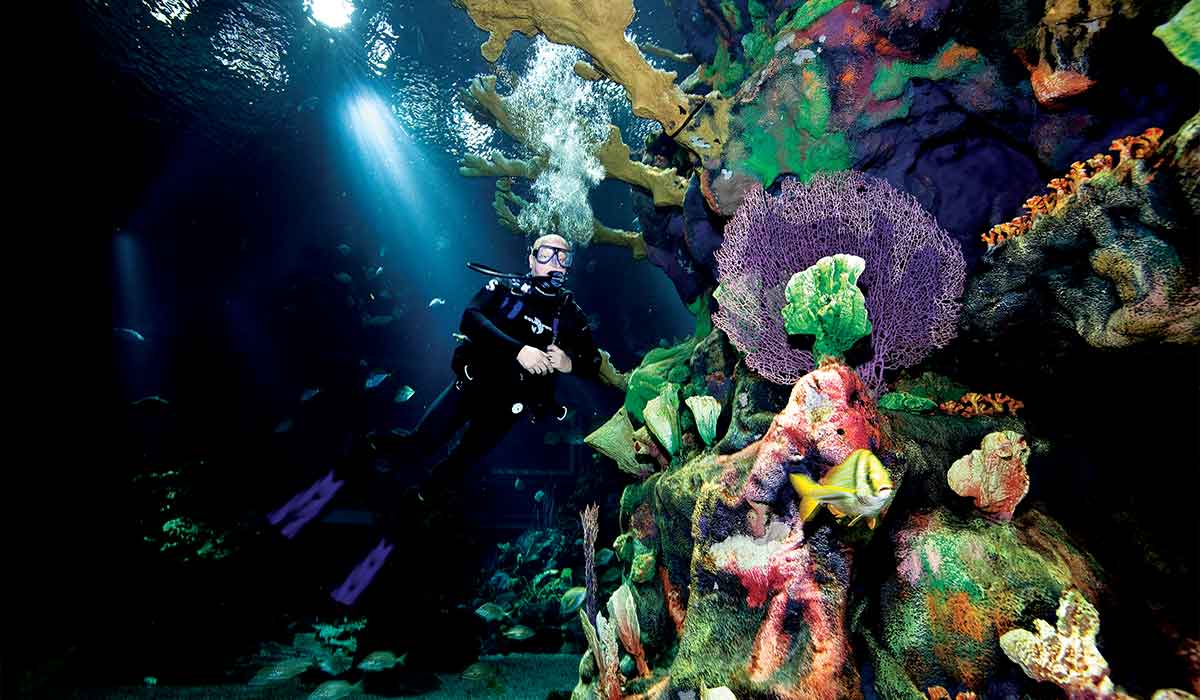
Dive jobs run the gamut — from FBI to the Magic Kingdom. Read more about these unique jobs and what it takes to dive them successfully.
Swift currents and beautiful coral atolls are a given when you dive the Maldives, but when you cruise the islands by liveaboard, there’s a new surprise at every mooring. From manta rays and whale sharks to beautiful reefs and idyllic beaches, enjoy the best diving experiences these famous islands have to offer.

Located in the Bay Islands of Honduras, Roatán is a tropical gem nestled in the turquoise waters of the Caribbean Sea. The largest of the Bay Islands, Roatán sits about 30 miles off the Honduran coast between Utila and Guanaja. Its fringing reef system makes up the southernmost edge of the Mesoamerica Reef (the world’s second-largest reef system) and is arguably Roatán’s biggest attraction.
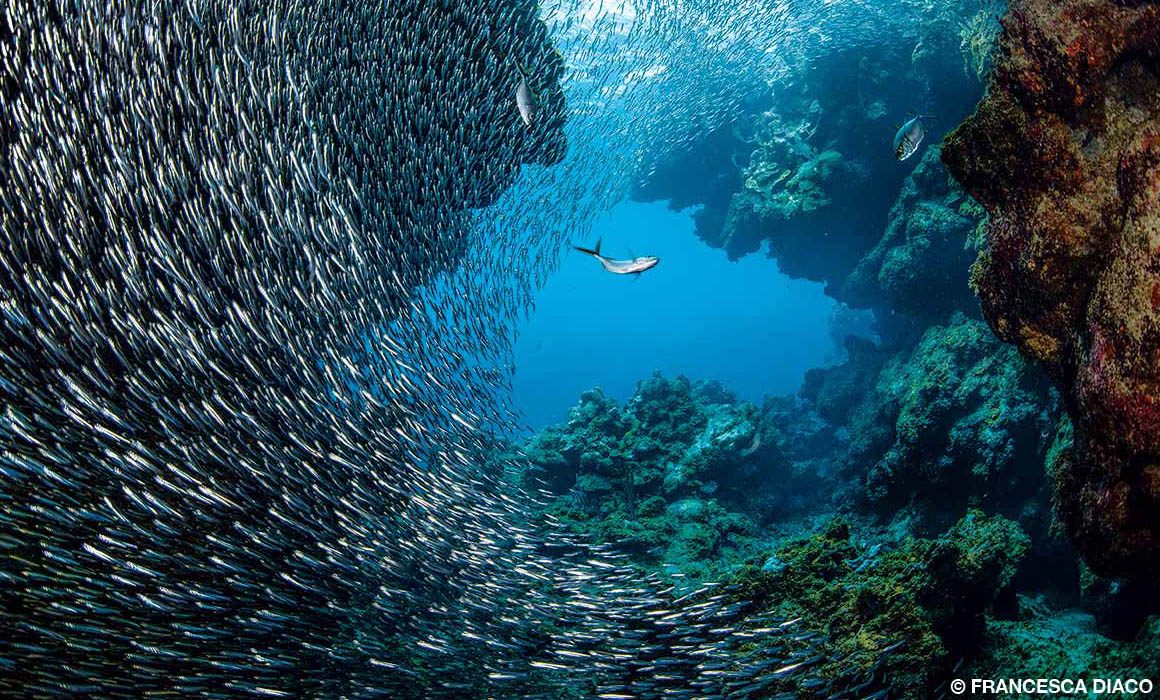
The chronology of my last sojourn to French Polynesia was much longer than the travel time from Seattle, Washington, to the capital Papeʻete on the island of Tahiti.

Shallow coral heads are on both sides of the M’il Channel opening as we slow down to locate our mooring ball. The incoming tide brings clean, blue water into the lagoon, creating opportunities for encounters with one of Yap’s main attractions just a few feet below the surface.

I was in Little Cayman this past May, and a lyric hit me on the first dive: “Slow down, you move too fast. You got to make the morning last.” I had been invaded by Simon and Garfunkel’s 1966 hit “The 59th Street Bridge Song (Feelin’ Groovy).”

Cayman’s Sister Islands, Cayman Brac and Little Cayman, offer divers a lot of explore — amazing marine life, geography sculpted by volcanic activity, mangrove-shrouded lagoons and much more.
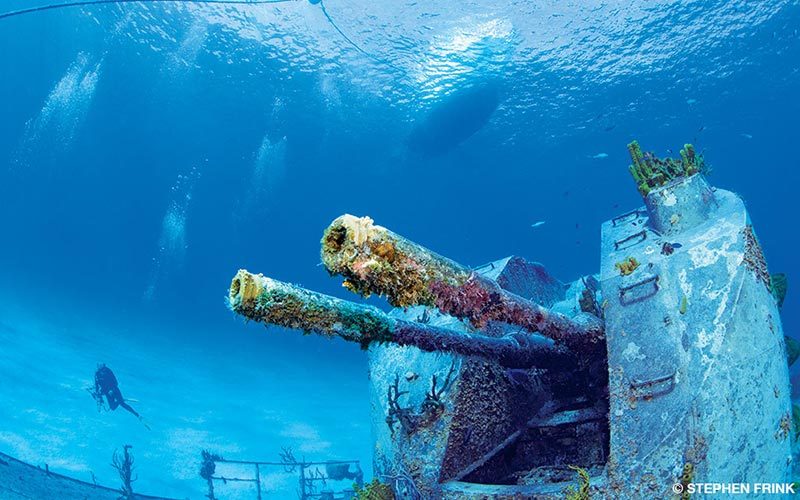
With the COVID-19 pandemic curbing international travel, divers can still choose to dive locally. Andy and Allison Sallmon take us along on their road trip to Central California dive sites, where we can discover macro subjects in Morro Bay and bountiful marine life at the well-protected sites at Carmel and Monterey Bay.

The breathing of compressed gas while submerged and exposed to increased ambient pressure imposes significant homeostatic challenges on the body. This article discusses the important mechanisms of these challenges, with particular attention to the respiratory system.
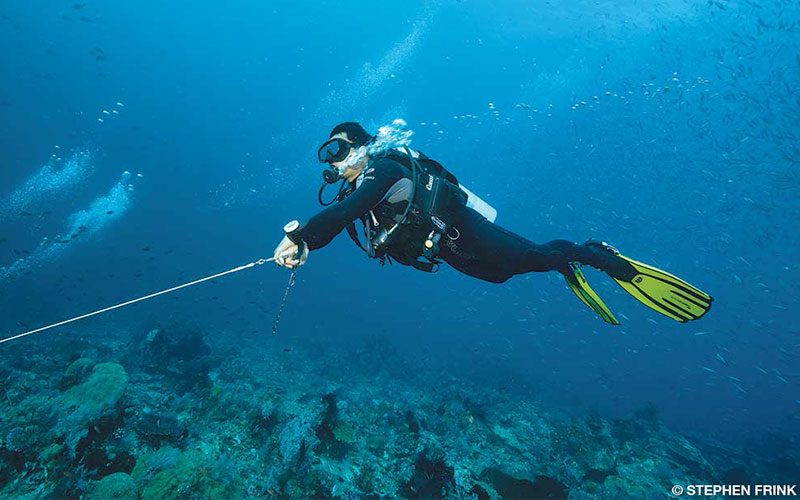
The “twilight zone” is a narrow band of ocean that falls between 150 and 500 feet — a space well beyond a diver’s limits. Read more about this unique area of ocean.
