Beyond Black
OUR UNDERWATER WORLD IS FULL OF VIBRANT COLORS, interesting patterns and textures, and fascinating creatures. It’s a wild place that is unpredictable and simultaneously harsh and harmonious. Taking a camera […]
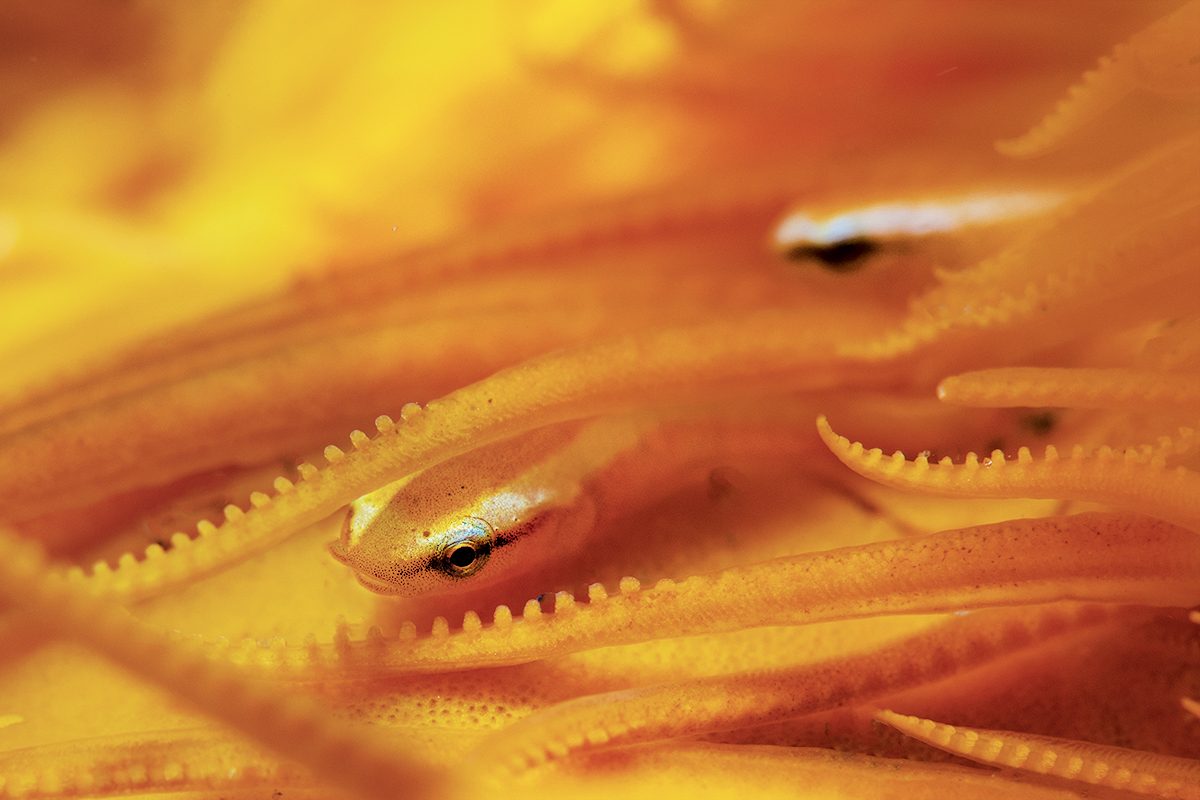
OUR UNDERWATER WORLD IS FULL OF VIBRANT COLORS, interesting patterns and textures, and fascinating creatures. It’s a wild place that is unpredictable and simultaneously harsh and harmonious. Taking a camera […]
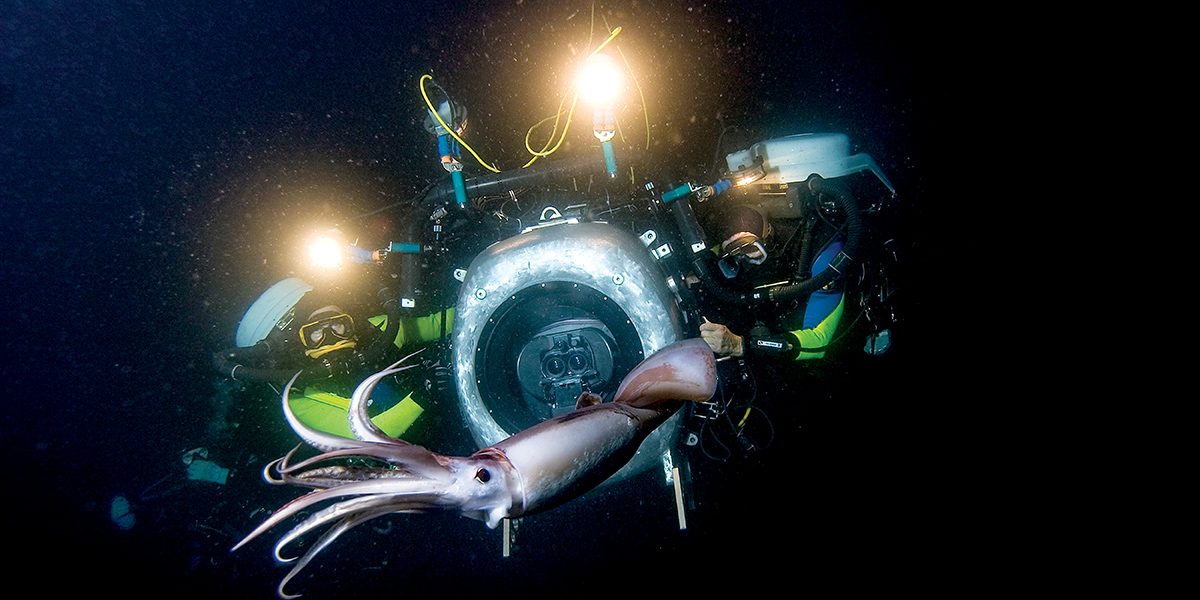
In 1992 I received a call from Graeme Ferguson, a co-founder of IMAX Corporation, that changed the course of my career.
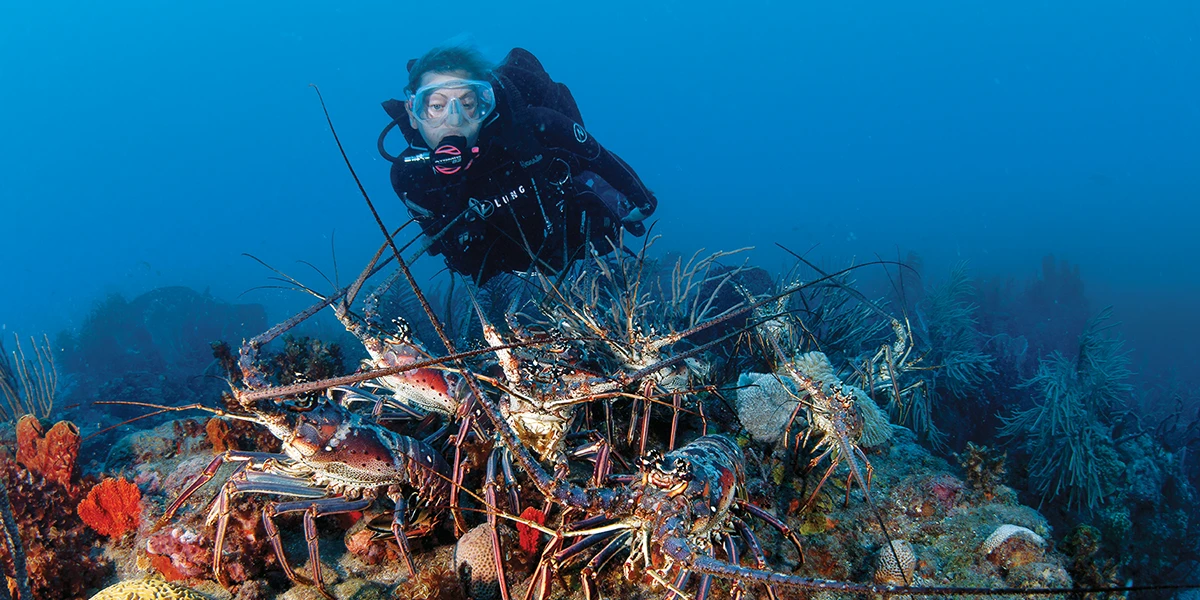
We recently traveled nearly halfway around the world to photograph some of the planet’s most beautiful coral reefs, and wow, did we get lucky. Our liveaboard was gloriously uncrowded, and […]
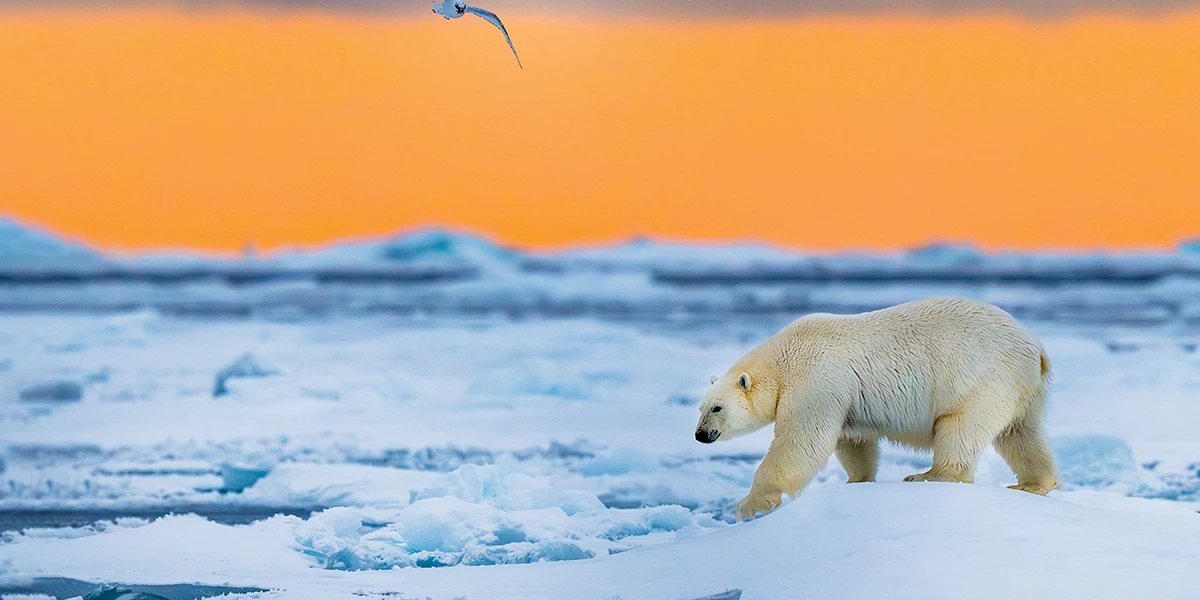
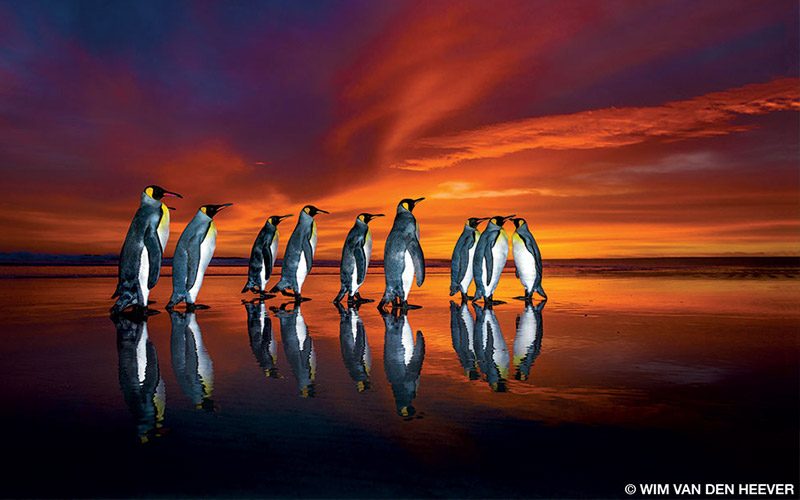
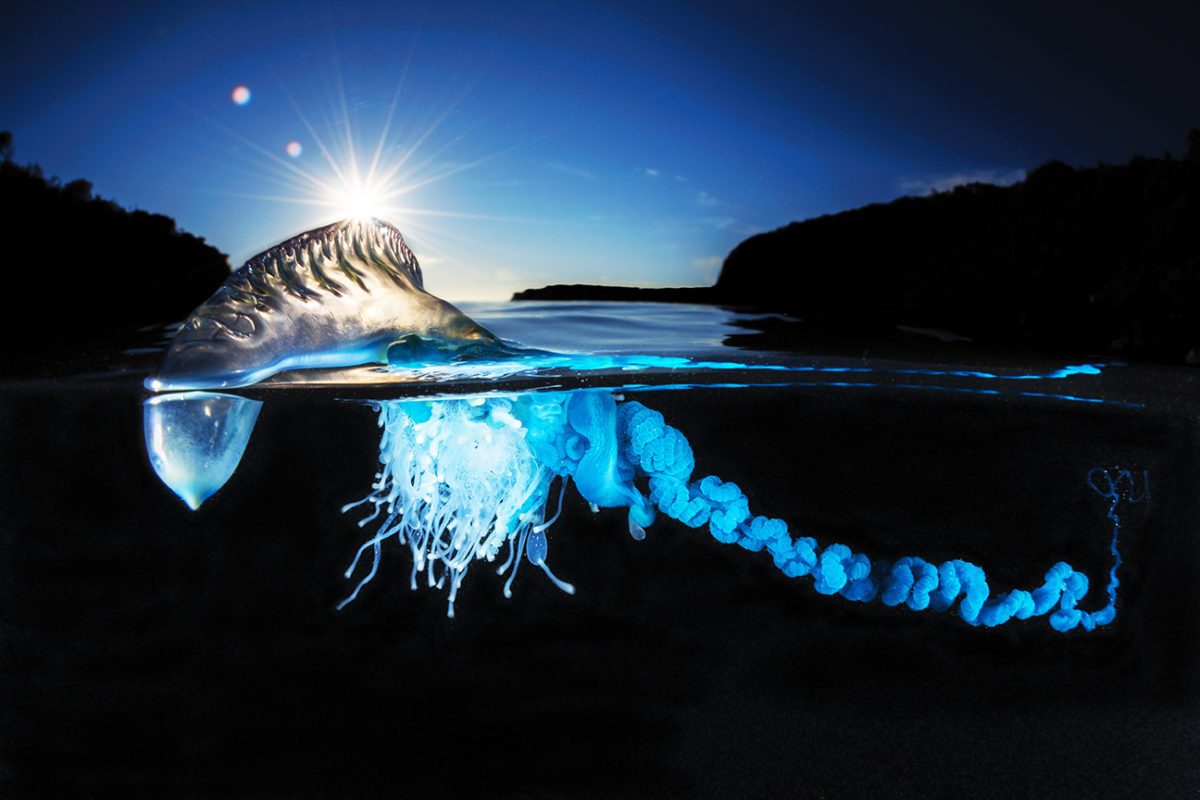
As part of the 2017 Nature’s Best Photography Windland Smith Rice International Awards annual competition, the Ocean Views category honors those photographers whose skill and creative vision have captured a frozen moment in time that can bring attention to both the bounty and fragility of the marine ecosystems found in and near our underwater world.
Underwater photograph Laurent Ballesta talks about his photography career and what inspires his iconic photos. Read more about Ballesta.
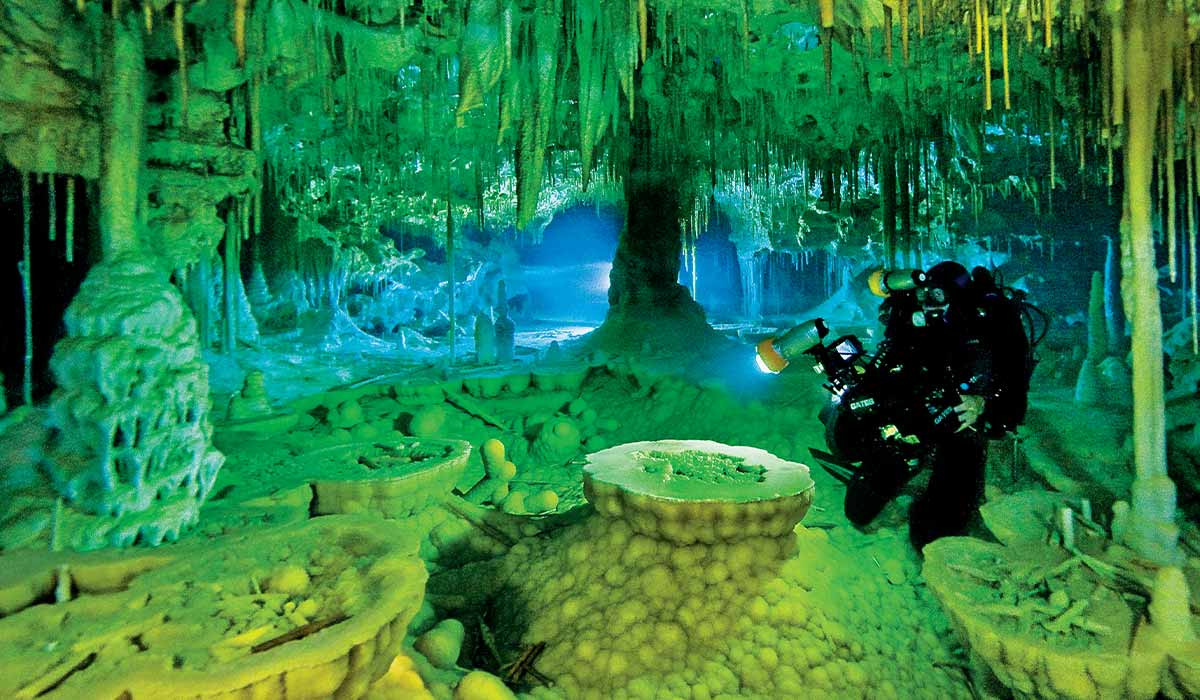
Brandon Cole is considered one of the world’s premier marine-wildlife photographers. Read more about Cole, his career, his passion for photography and beyond.
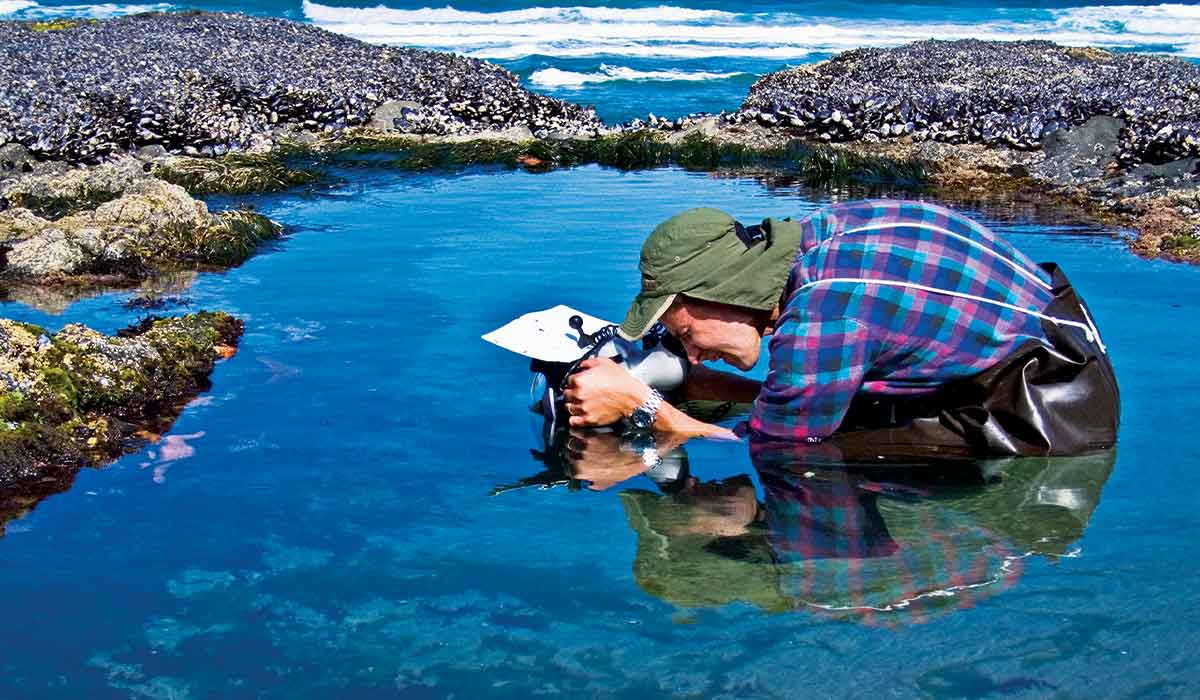
Imaging technology is rapidly changing, and new cameras can capture both still and motion pictures. How do you handle this convergent technology? Read on.
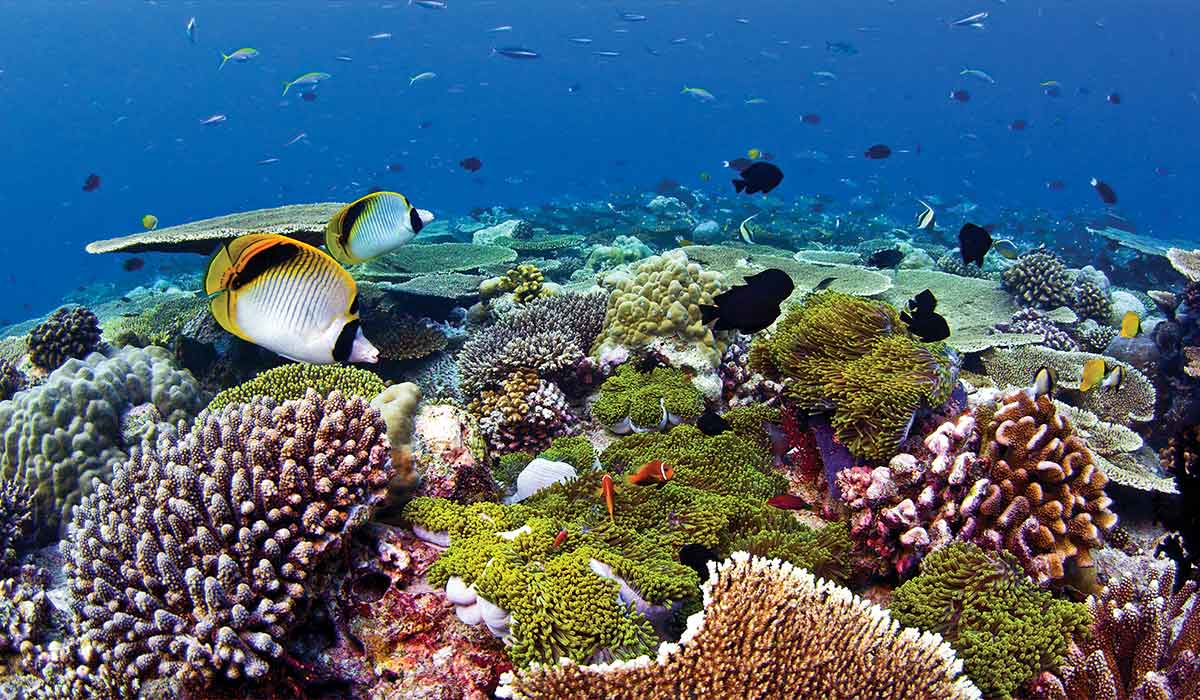
Discover how Matty Smith In Two Worlds transformed a simple shot into a celebrated photography career and unique experiences.
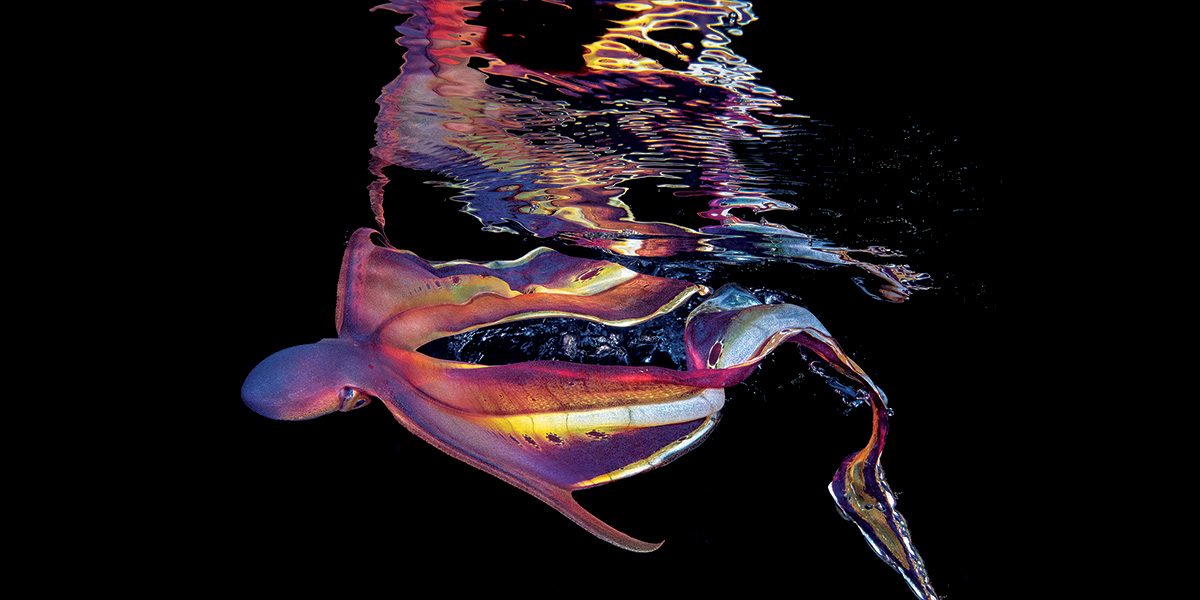
Most blackwater divers agree it only takes one good dive to hook you. The idea of jumping off a boat at night, miles from shore, with only a few lights to guide your way might sound terrifying, but the experience is unlike anything our imaginations could conjure.
Perhaps best known for her innovative images of deep wrecks and caves, Becky Kagan Schott has eclectic interests along with the technical diving skills and photographic expertise to bring home […]