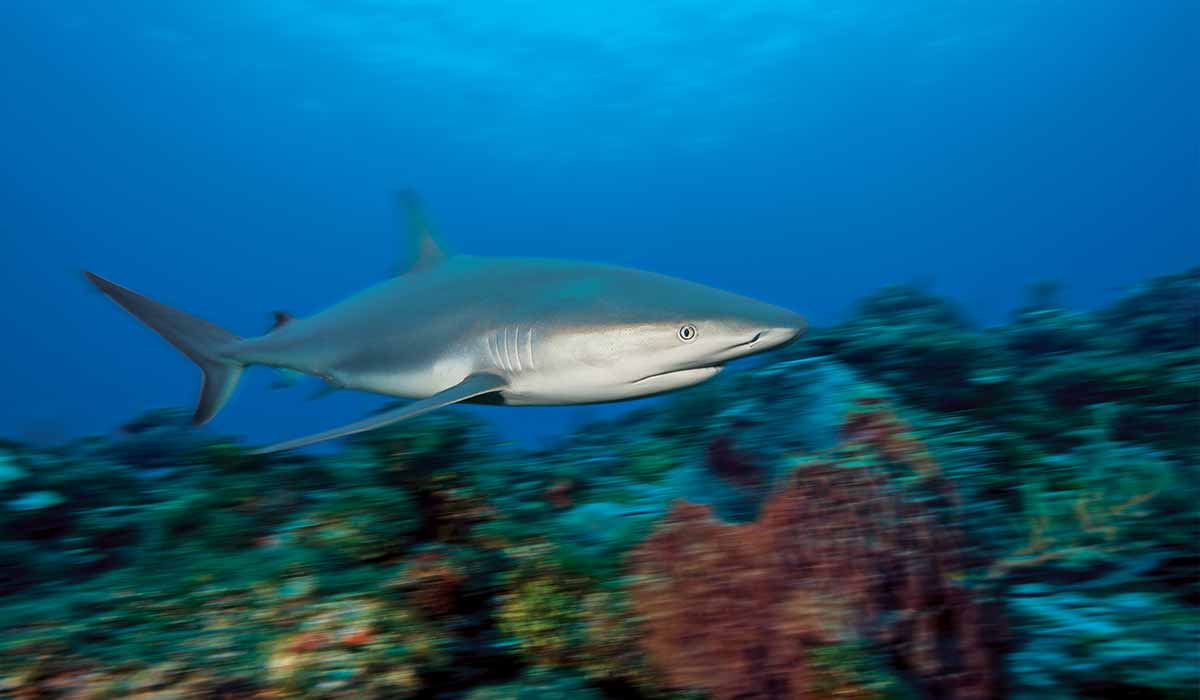
SCUBAnauts: Rising to the Challenge
SCUBAnauts is an organization that provides hands-on marine science education. SCUBAnauts has worked on reef restoration projects to turtle and fish studies. Read more.
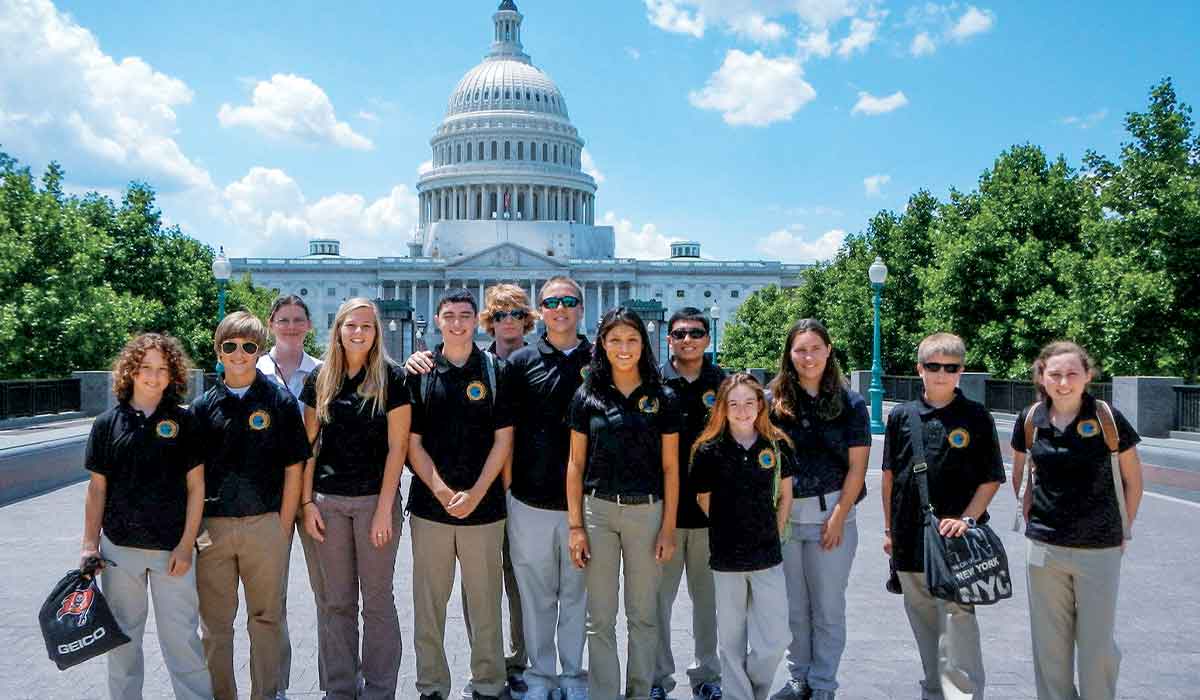
SCUBAnauts is an organization that provides hands-on marine science education. SCUBAnauts has worked on reef restoration projects to turtle and fish studies. Read more.
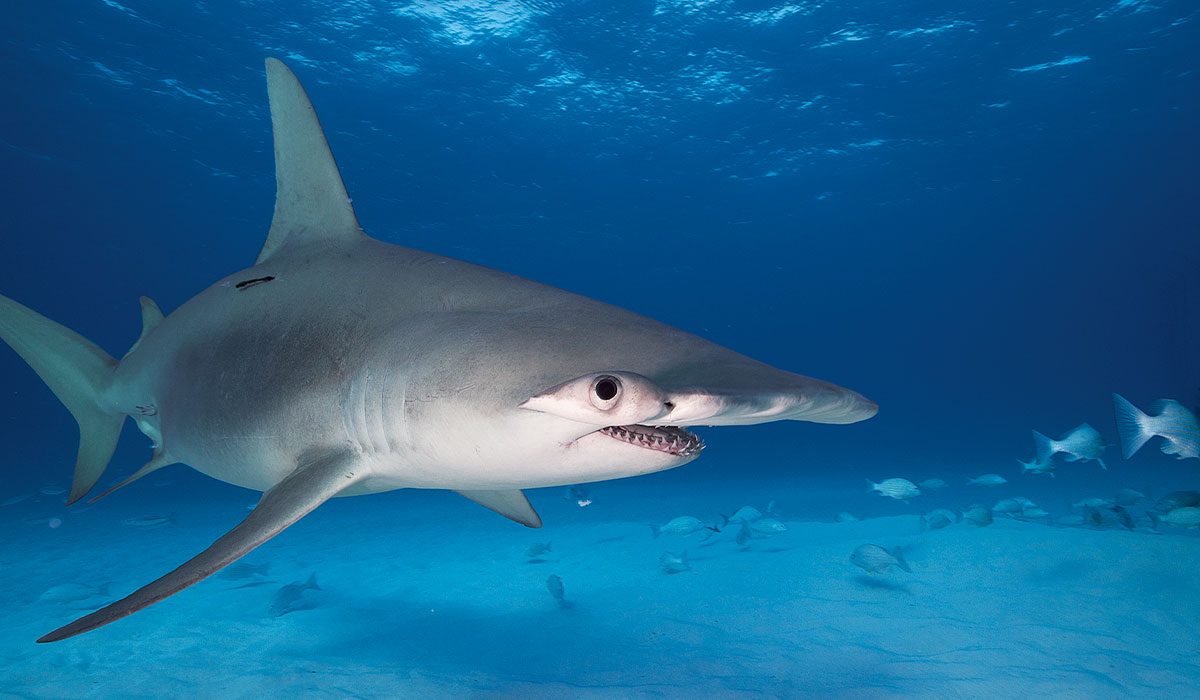
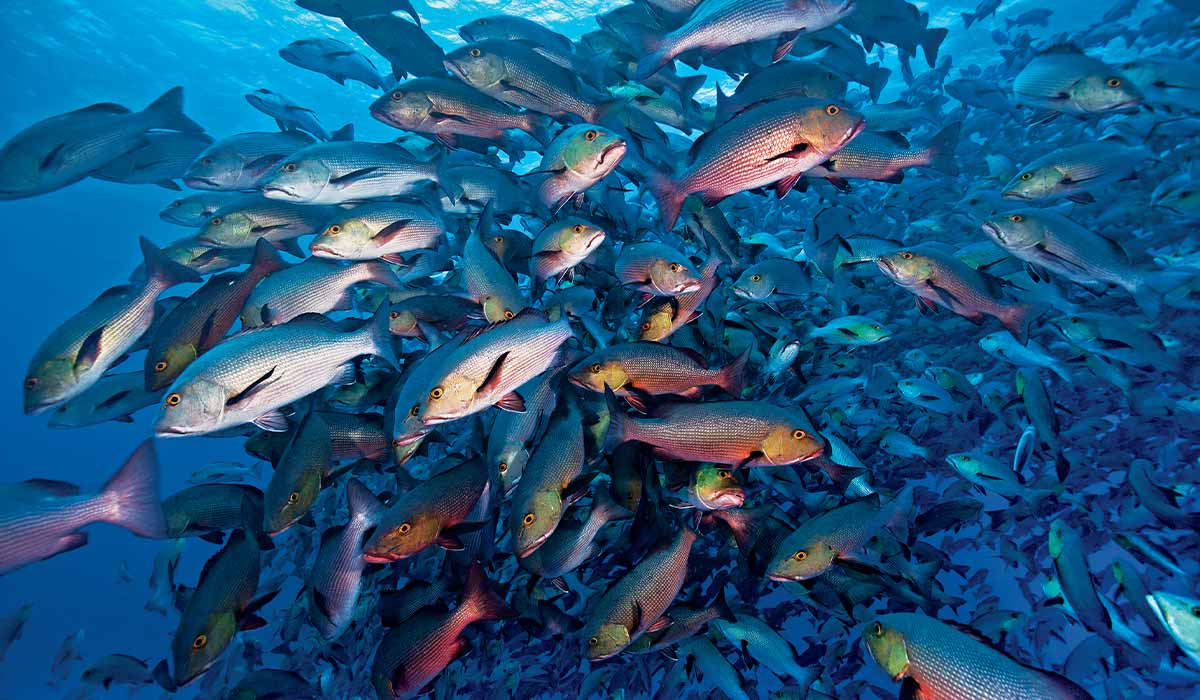
Predatory fish in natural environments are a rarity, because of physical traits and population exploitation. Read more about about predatory fish populations that are on the brink.
A recipient of the Our World–Underwater Scholarship Society Rolex Scholarship discusses what a year was like with that distinction and honor. The year, she writes, was one of education and adventure.
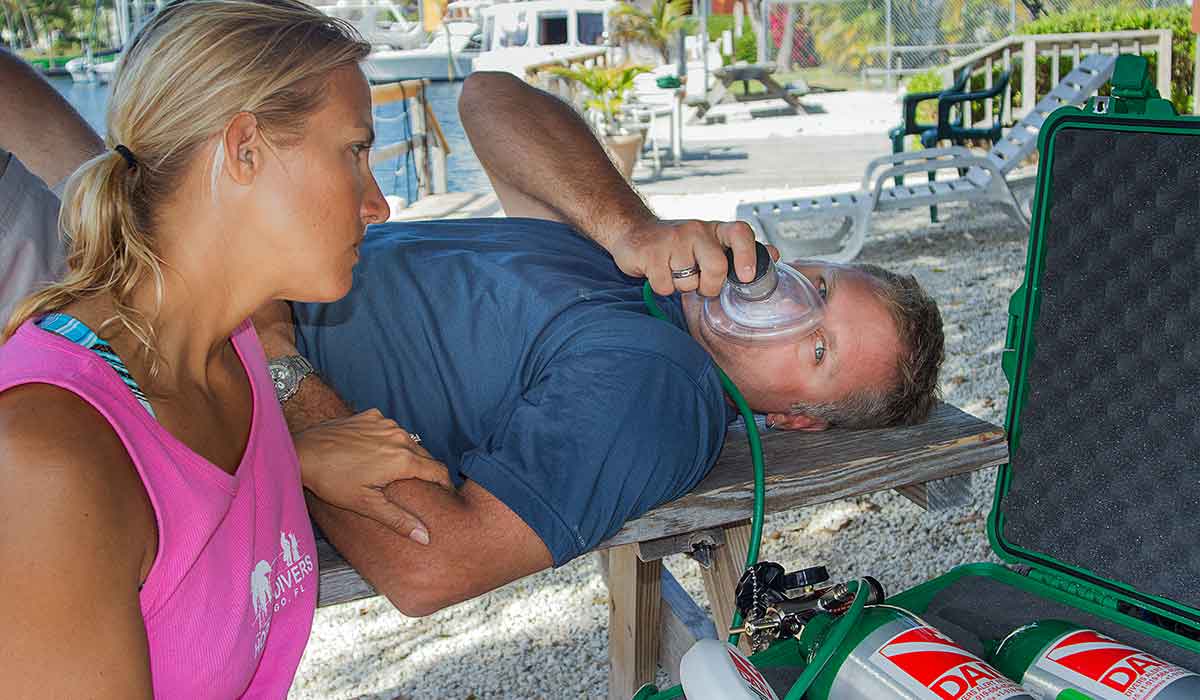
Oxygen has long been recognized as the primary first aid for scuba diving injuries. In light of compelling evidence in favor of oxygen first aid, one of DAN’s stated missions is to ensure that oxygen first aid equipment and people trained in its use are at every dive site.
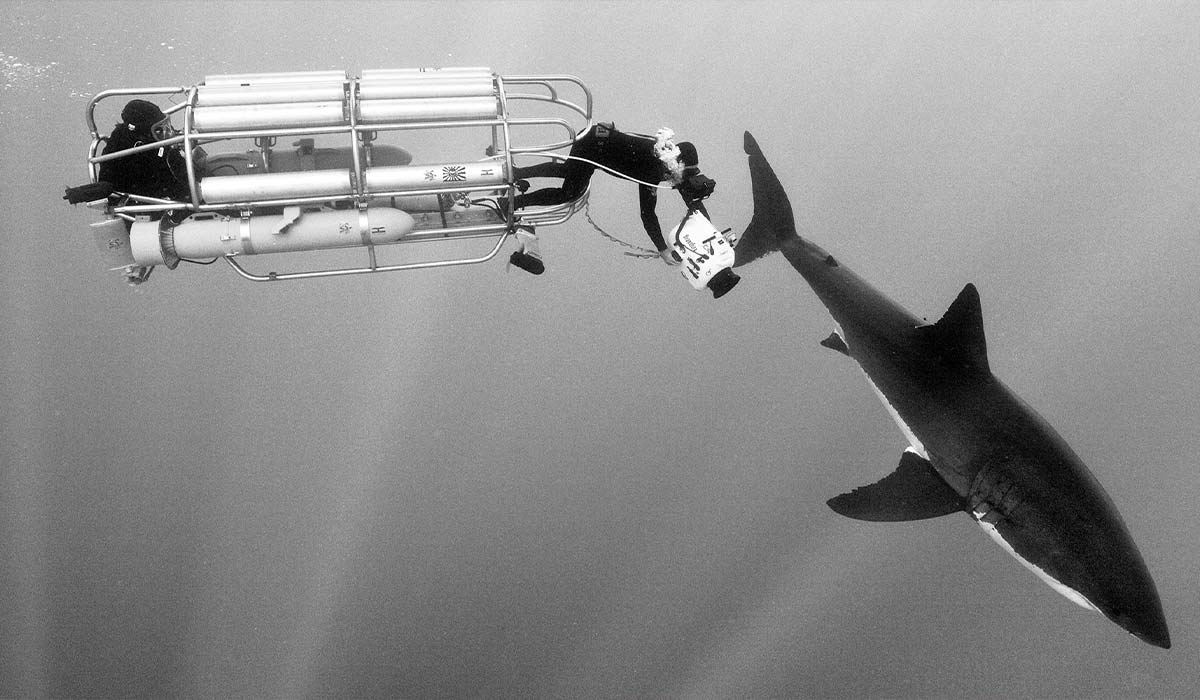
DAN member, photographer and cinematographer Bob Talbot discusses why he is a member and how he became fascinated with the underwater world.
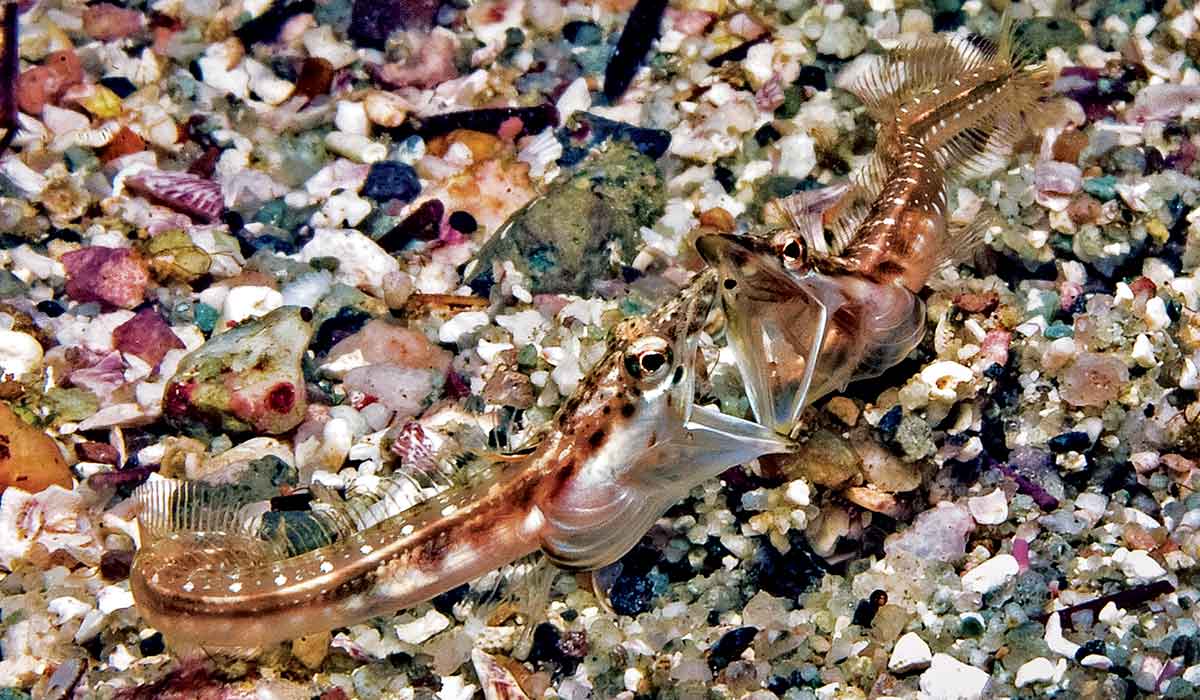
Baja, in the Gulf of California, is home to creatures big and small. Learn more about from this first-person encounter on the critters of Baja.
Core muscles are incredibly important for everyday activities, but also for scuba diving. A stronger core reduces the risk of injury when lifting dive gear and it promotes years of pain-free diving. Learn more great core exercises.

Get a first-hand look at diving in Kauai’s Niihau. The diver discusses searching for the Niihau volcano and more.
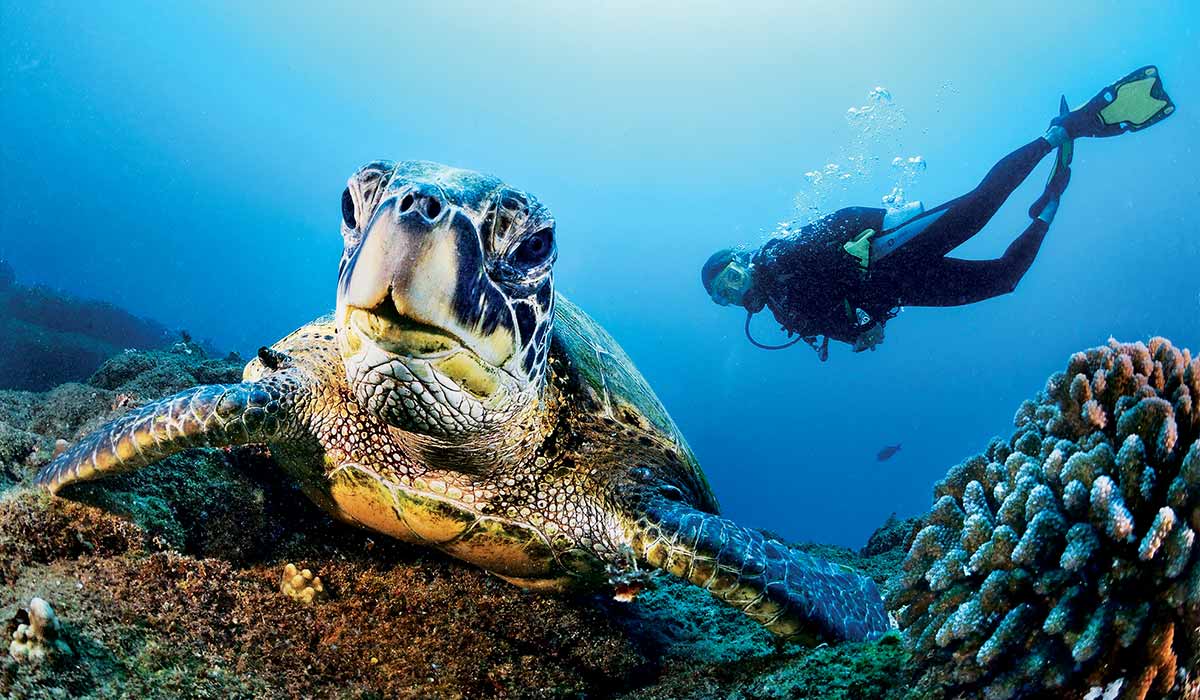
Spawning is greatly influenced by the moon’s phases and greatly changes the spawning fish’s behaviors. Learn more about spawning.
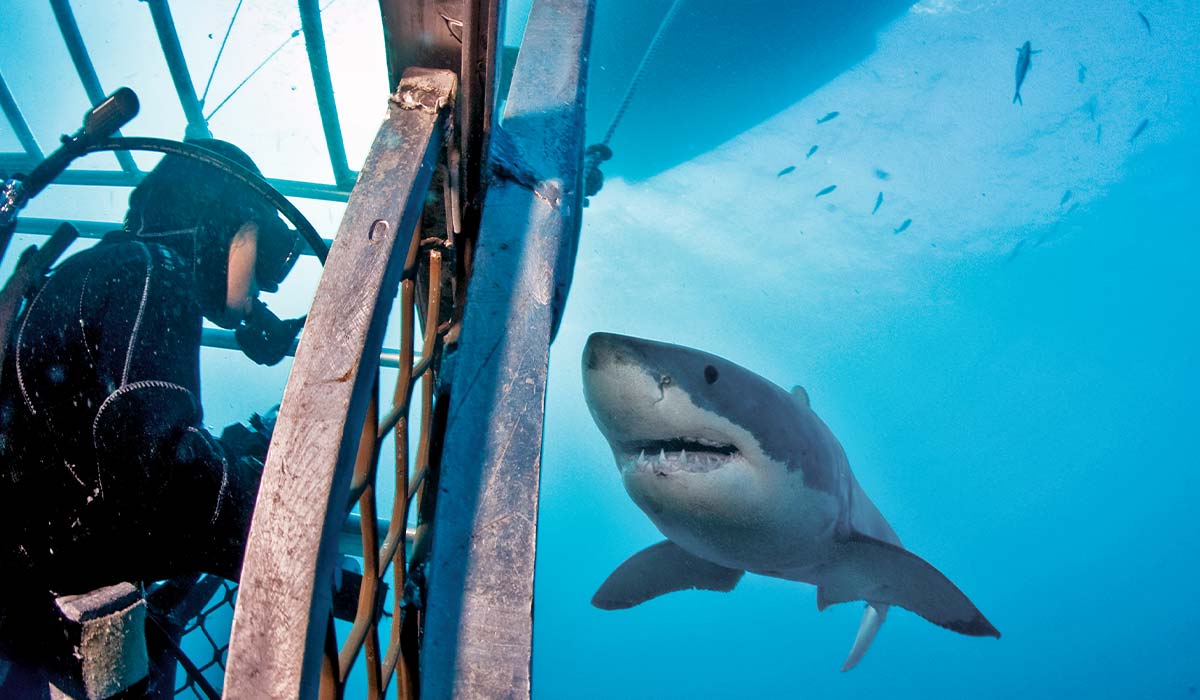
While trying to eat a fish for lunch, a shark accidentally nipped a diver’s hand instead. The injury was bloody but thankfully, DAN provided needed assistance and guidance.