Part 2: During the Dive
Most divers think about decompression STRESS primarily in terms of depth, bottom time, ascent rates, and safety stops. While those factors remain the dominant drivers, other variables matter. Physical workload, breathing patterns, carbon dioxide production, thermal comfort, and time in the shallows can influence how inert gas is being absorbed and eliminated. How we conduct the dive actively shapes the decompression burden the body must manage.
In Part 1 of this series, we explored how sleep, travel, illness, hydration, alcohol, and exercise influence our body before a dive begins. Part 2 focuses on how actions during the dive affect decompression stress.
Physical Exertion
Moderate activity is part of normal diving, but the intensity and pattern of exertion can influence inert gas uptake. Physical work increases cardiac output and tissue perfusion, increasing blood flow through small vessels to deliver more oxygen — but this also delivers more inert gas. Tissues that might otherwise load more slowly may absorb more inert gas when perfusion is high.
Exertion also increases carbon dioxide (CO2) production. CO2 is a potent vasodilator, and elevated levels can further enhance blood flow to tissues, potentially increasing inert gas absorption.
CO2 also plays an important role in oxygen toxicity risk. Elevated CO2 levels (hypercapnia) can lower the threshold for seizures when divers breathe oxygen-enriched mixtures, so those using nitrox should be especially attentive to exertion, breathing patterns, and depth, particularly when operating near the maximum operating depth (MOD) associated with a partial pressure of oxygen of 1.4 atmospheres absolute (ATA). Even when our oxygen exposure might seem acceptable, hypercapnia can significantly reduce physiological tolerance to an excess of oxygen.
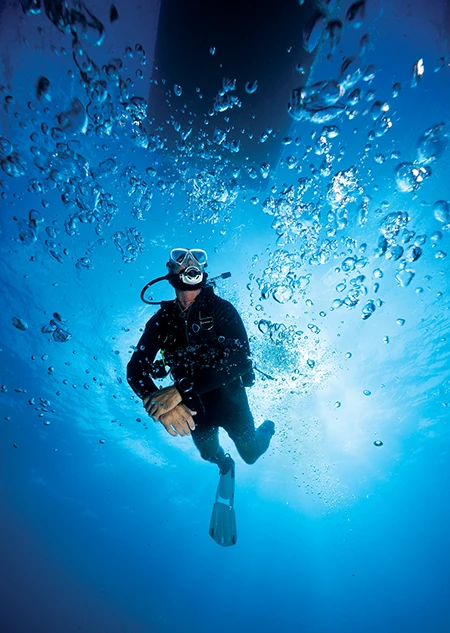
This factor highlights the difference between efficient and necessary movement and unnecessary workload when diving. Whenever possible, divers should aim for relaxed, efficient movements, avoid unnecessary workload, and maintain calm, effective ventilation, especially during the deeper portions of the dive, where inert gas uptake is the greatest.
Thermal Comfort
Thermal state influences more than comfort during a dive. It also affects circulation and, in turn, how inert gas is absorbed and distributed throughout the body. Exposure to cold causes peripheral vasoconstriction, reducing blood flow to the skin and extremities. Warmer conditions promote vasodilation and increased tissue perfusion. These changes can meaningfully influence inert gas kinetics during different phases of a dive.
Research from the U.S. Navy Experimental Diving Unit has demonstrated that the timing of thermal exposure matters. In controlled studies, divers who remained cooler during the descent and bottom phase and were warmed during the ascent and decompression stages experienced significantly lower rates of decompression sickness (DCS) than divers who were warm at depth and cooler later in the dive.
The physiological explanation is straightforward: Feeling warmer at depth can increase perfusion and accelerate inert gas uptake, while warmth during ascent supports more efficient inert gas elimination. By contrast, recreational divers usually are comfortably warm early in the dive and gradually get colder as the dive progresses. This sequence may favor greater inert gas uptake early and limit its elimination later in the dive.
Divers should choose exposure protection that prevents excessive heat loss without causing overheating and, when possible, maintains warmth during ascent and safety stops. Thermal comfort is not simply about feeling good underwater; it is about maintaining predictable physiology throughout the dive.
Safety Stops
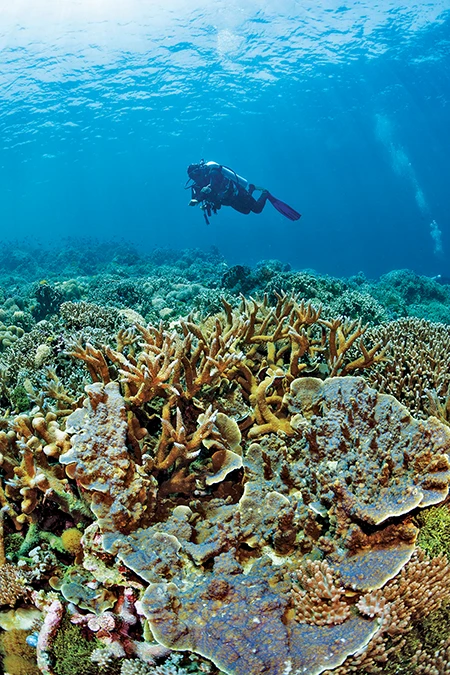
Divers learn early in their training to spend three to five minutes at approximately 15 feet (5 meters) before surfacing. While this recommendation is simple and effective, it is often misunderstood.
A safety stop is not a magical threshold that suddenly makes a dive safe. Rather, it is additional time spent at a depth where inert gas elimination continues while the reduction in ambient pressure remains modest.
The familiar recommendation of three to five minutes is not an exact physiological requirement. From a decompression standpoint, there is nothing inherently special about three minutes. When experts recognized that adding a safety stop is a sound risk mitigation strategy, they agreed that three to five minutes would be a compromise divers were likely to perform consistently. If conditions and gas supply allow, however, spending additional time in the shallows is a solid strategy.
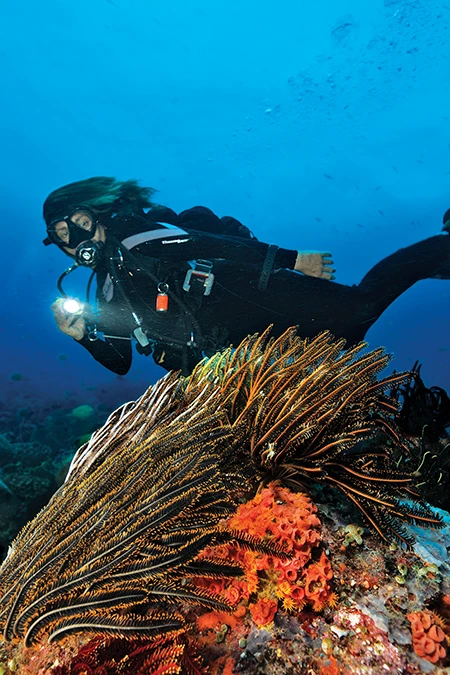
Rather than treating the safety stop as a countdown before surfacing, consider making it part of the dive. Explore the shallow reef, observe marine life, or simply enjoy a few additional minutes underwater. Remaining relaxed and comfortable while giving the body additional time to eliminate inert gas is a good investment.
There is only one reason why people get DCS: They did not decompress enough.
Making the Dive Work for You
Depth and time remain the dominant drivers of decompression stress, but they are not the only variables that matter. Excessive exertion, elevated CO2, poor thermal management, and rushed ascents can all increase the decompression burden the body must manage after surfacing.
These are factors that divers can usually control. Efficient movement, relaxed breathing, thermal comfort, and thoughtful use of shallow time can help support the body’s normal decompression processes. While these measures cannot replace conservative dive planning, they can reduce unnecessary physiological stress during the dive.
Looking Ahead
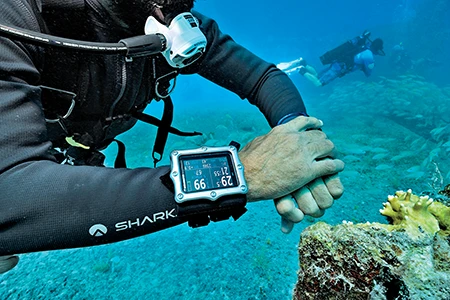
Decompression stress continues to evolve based on how we move, breathe, manage our workload, and conduct our ascent. But surfacing does not mark the end of the process. In Part 3 of this series, we will examine what happens to divers after leaving the water and explore the vulnerable period during which decompression is still ongoing.
© Alert Diver – Q4 2026