Thanks to Scuba, the World Really is My Oyster
Cody Unser became paralyzed at age 12. When she began diving a few years later she became a passionate advocate for the sport and for the benefits it can offer people with disabilities.
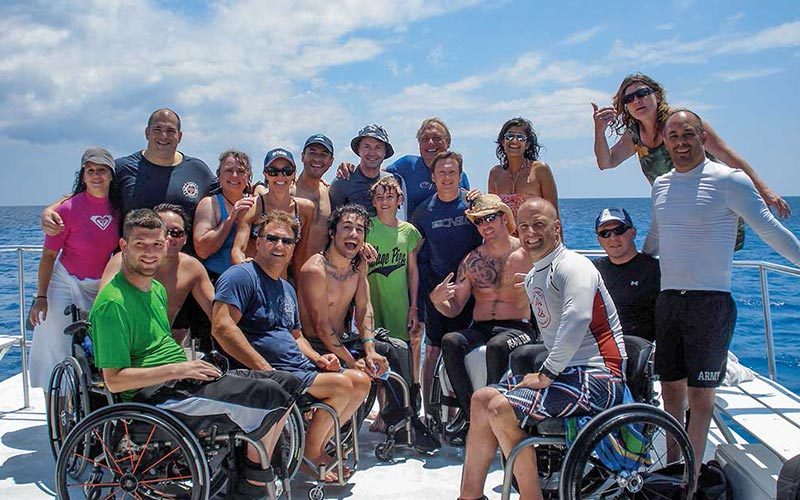
Cody Unser became paralyzed at age 12. When she began diving a few years later she became a passionate advocate for the sport and for the benefits it can offer people with disabilities.
DAN® MEDICAL INFORMATION SPECIALISTS and researchers answer your dive medicine questions. “I have developed Bell’s palsy. Due to its internal effects, are there any reasons I should not dive? I understand the risks of its external effects — but could diving cause …”

Carbon monoxide (CO), an odorless, tasteless and invisible toxic gas that could find its way into your scuba cylinder, has caused the deaths of divers all around the world.
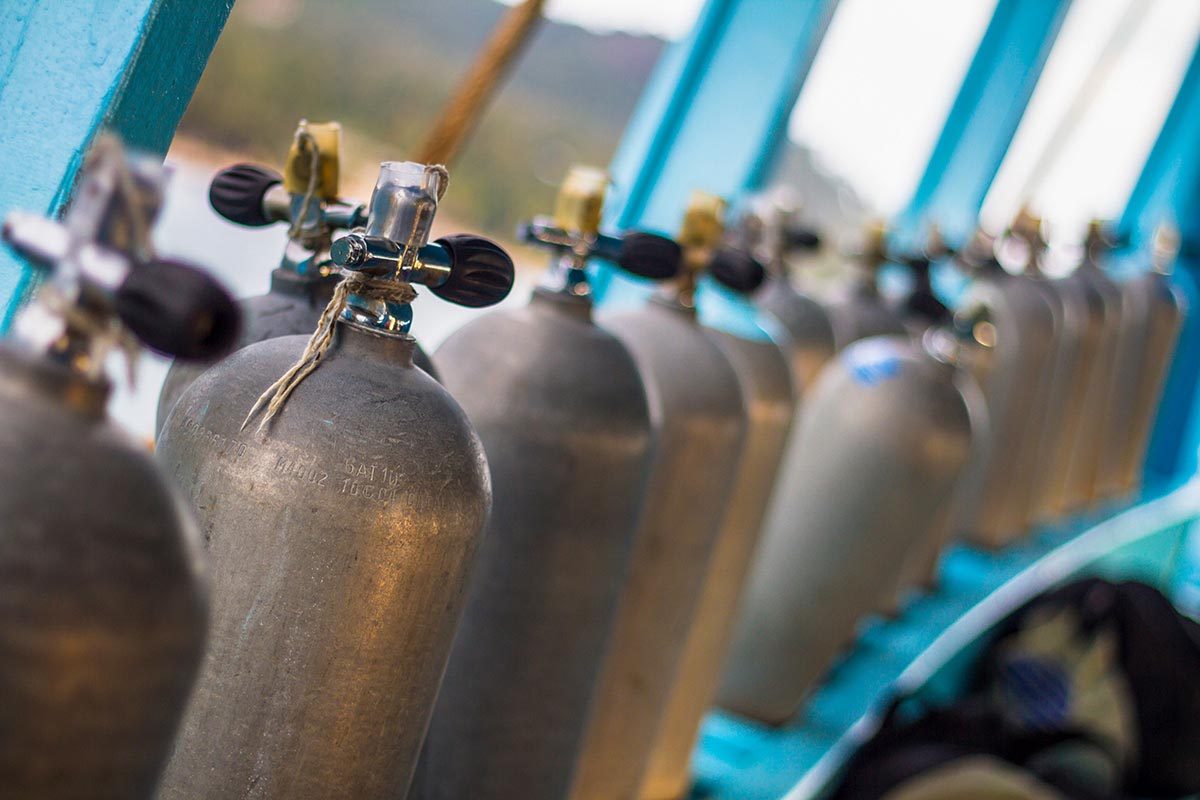
Instead of simply listing requirements relevant to the safe recompression of injured recreational divers, DAN identified real, likely hazards, quantified their significance and presented mitigation guidance for each.

Emergency action plans (EAPs) are made up of many components. But before the plan is even enacted, fully understand where disasters can occur.
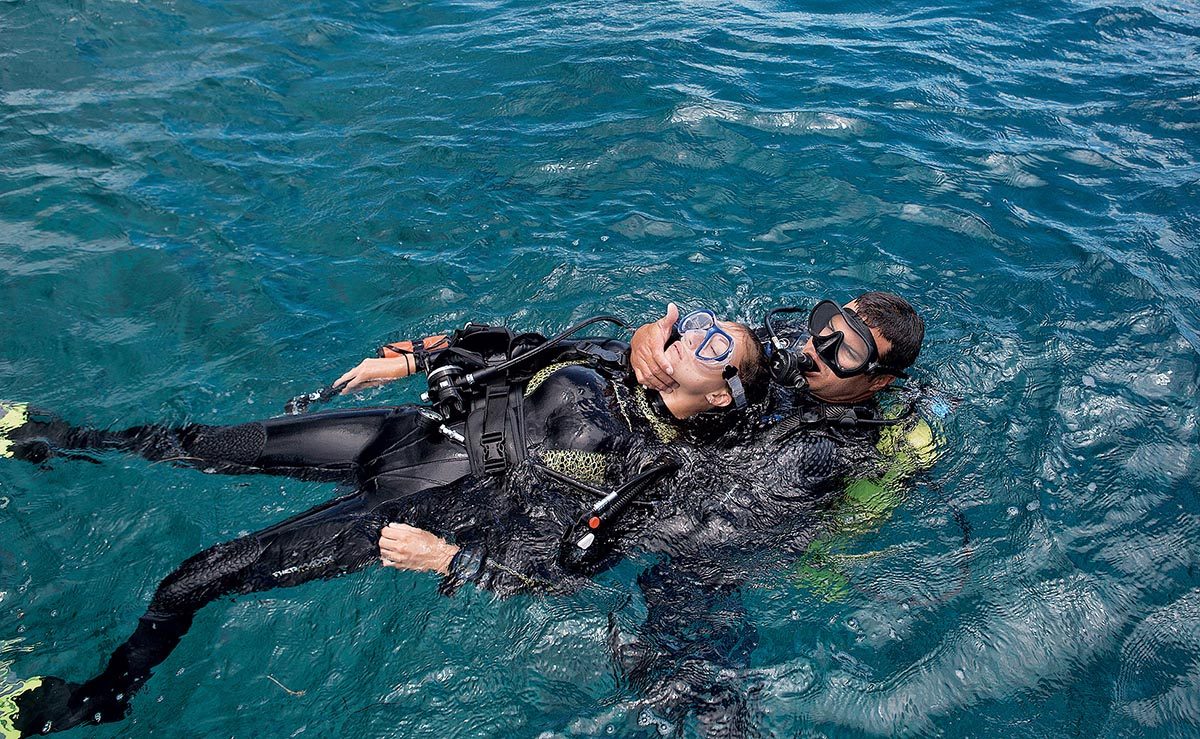
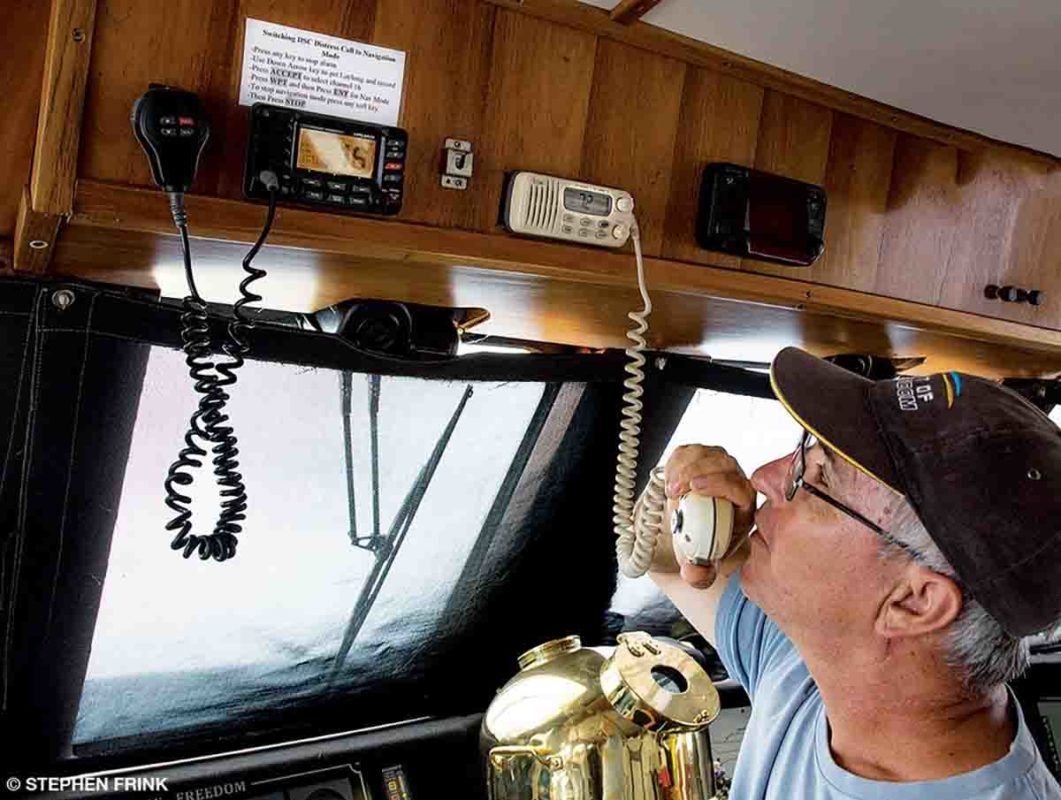
Part of a good emergency action plan is ensuring effective means of communication that are appropriate for the locale. Learn the elements of a good emergency plan.
Virginie Papadopoulou, Ph.D., is a diver and one of the world’s leading researchers in the field of bubble science. Her research covers a wide range of topics but always revolves around bubble mechanics.
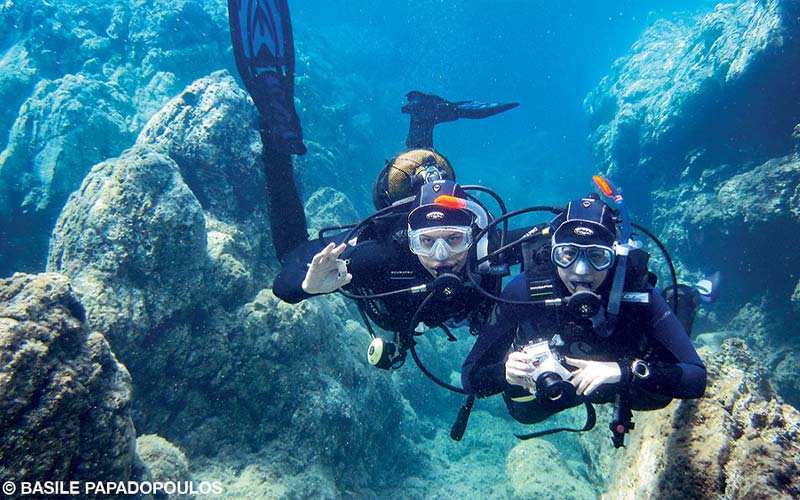
Does your business really need an emergency action plan? Yes. When creating your action plan, there are three main questions to consider.

Do you know what comprises an effective emergency action plan (EAP)? Include these suggested elements when you’re creating your EAP.
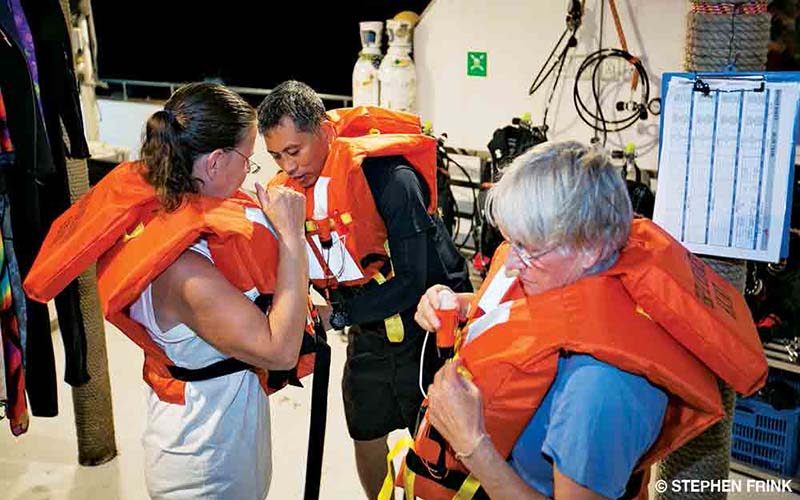
You know what risks exist and you made a good emergency plan. But, do you know how to execute that plan properly?
