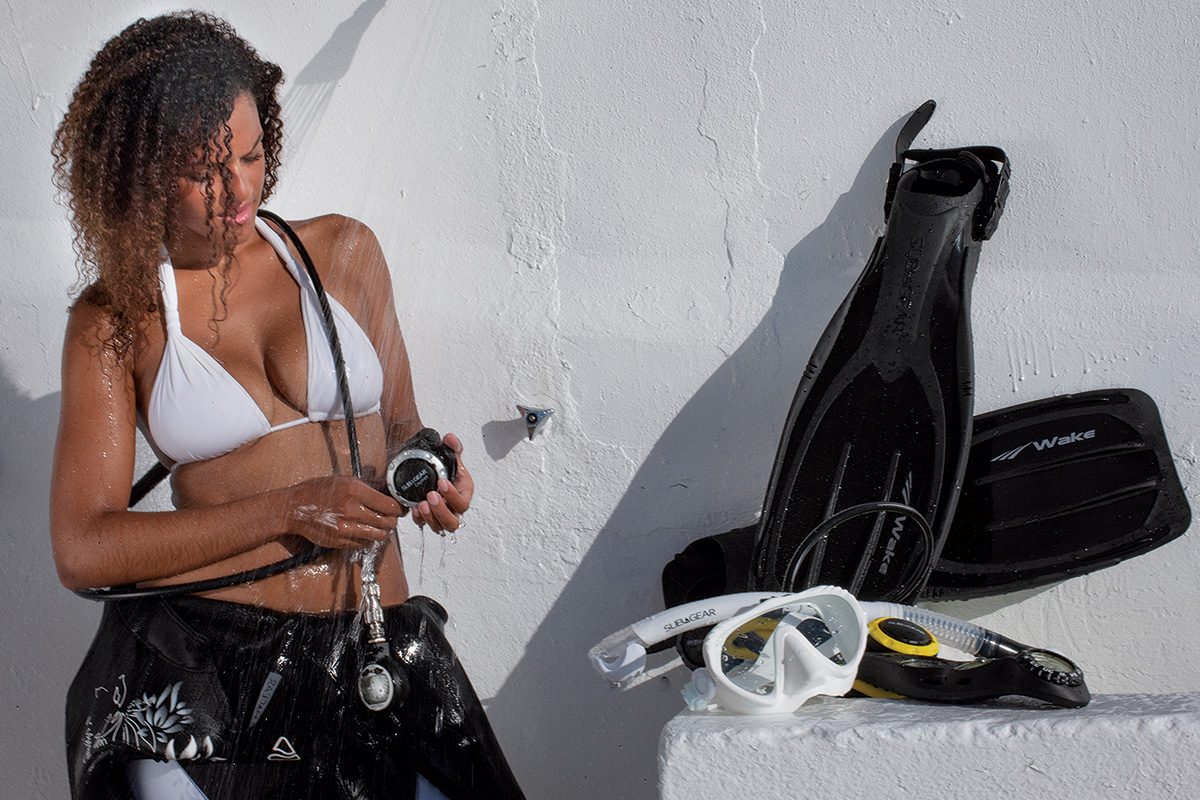
At age 20, Mehgan Heaney-Grier made freediving history, touching off a storm of media attention and putting freediving on the map in the U.S. She later pursued underwater projects both as a freediver and scuba diver. Her newfound fame, aquatic talents and photogenic appearance led to several television and movie projects. She is now focusing on projects such as conservation, connecting people with the sea, and the empowerment of women. She is a frequent keynote speaker, collaborates with a variety of nonprofit organizations and has begun leading water-based expeditions.
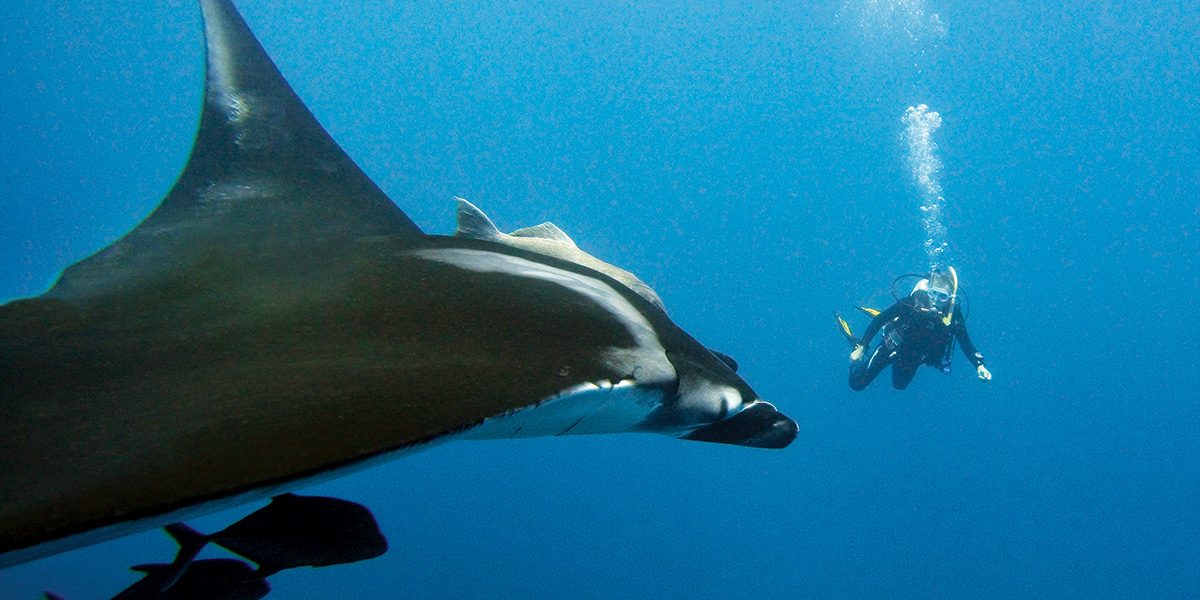
Have you ever seen an anchored sailboat with wetsuits and regulators hanging from the rigging and wondered what it was like for those divers? While there are benefits of living aboard and diving from your own boat, there are challenges as well. Every adventure has risks. But we can wake up in our own bed, don our gear at sunrise and slip into the sea to spend an hour alone underwater with mantas, sharks and dolphins, and it’s worth it.
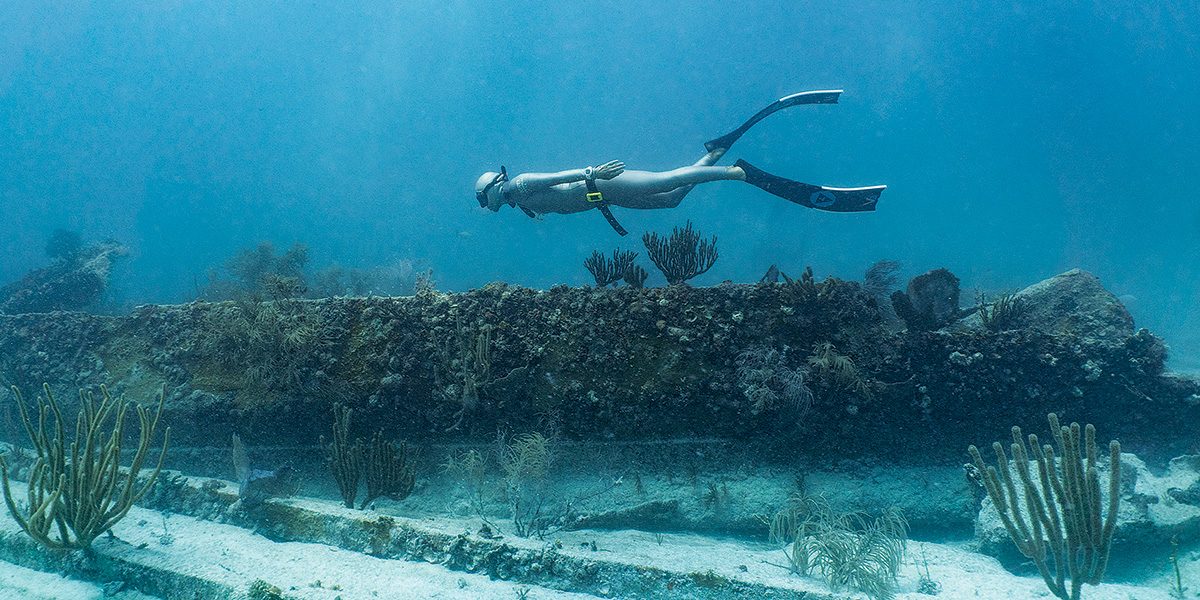
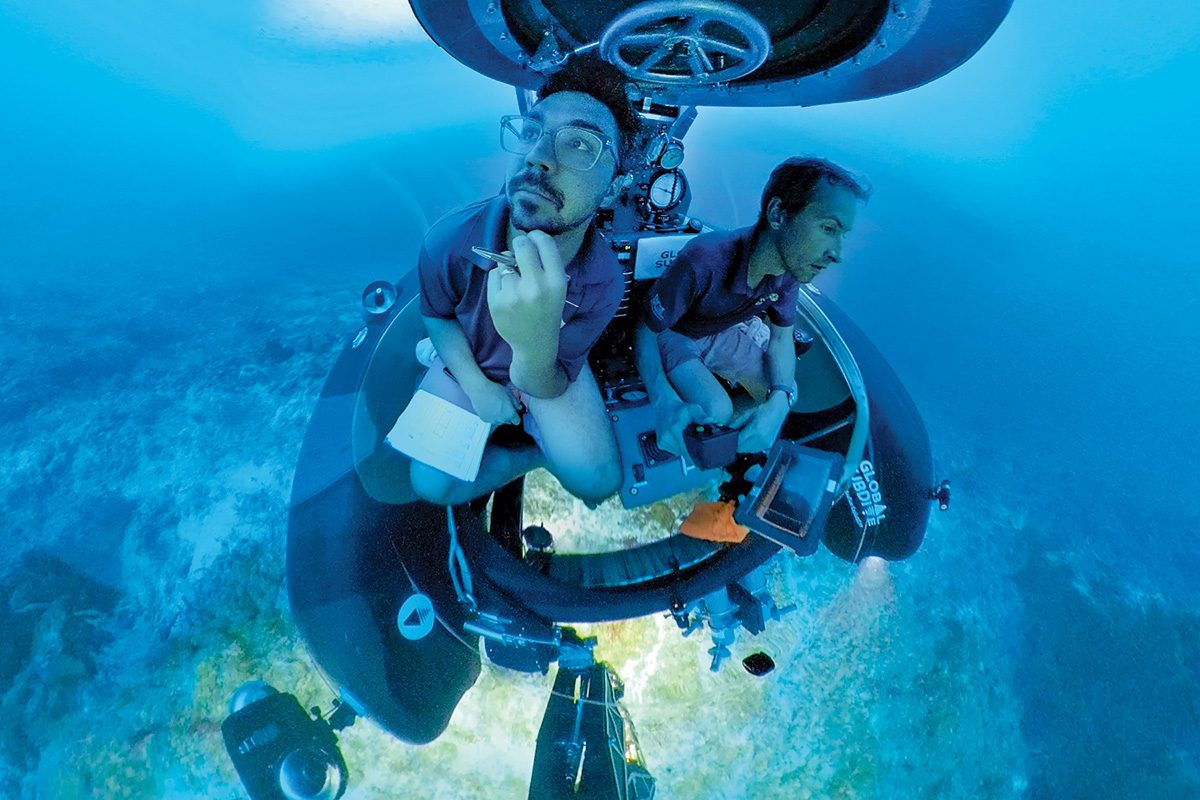
Knowing that other researchers and students could benefit from learning the freediving skills they were applying to underwater research, Claire and Ricardo Paris collaborated with others to draft a course that would raise awareness of the risks, promote safety, teach the required skills and establish guidelines for freediving in science. The University of Miami’s Rosenstiel School of Marine and Atmospheric Science approved the first scientific freediving course to establish safety protocols, plan underwater fieldwork and prepare students for other scientific freediving specialties.
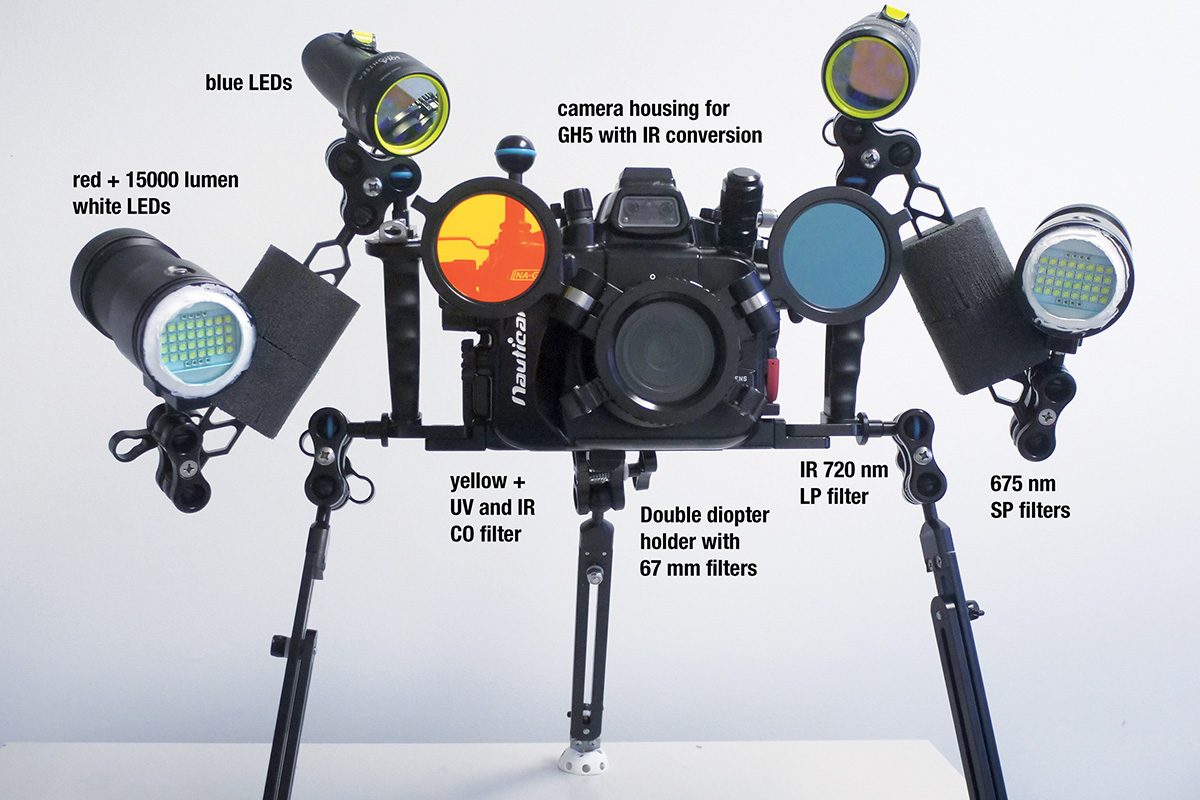
The authors use commercially available photo equipment to image near-infrared fluorescence from chlorophyll in corals and hope divers can help them further develop and improve their methodology to possibly identify the onset of bleaching events. They want to improve this methodology so autonomous underwater vehicles can use it for remote imaging on large sections of the reef, similar to satellite imaging for terrestrial near-infrared chlorophyll fluorescence. Besides the unique photos divers can get from this imaging, the equipment can also help with other research.
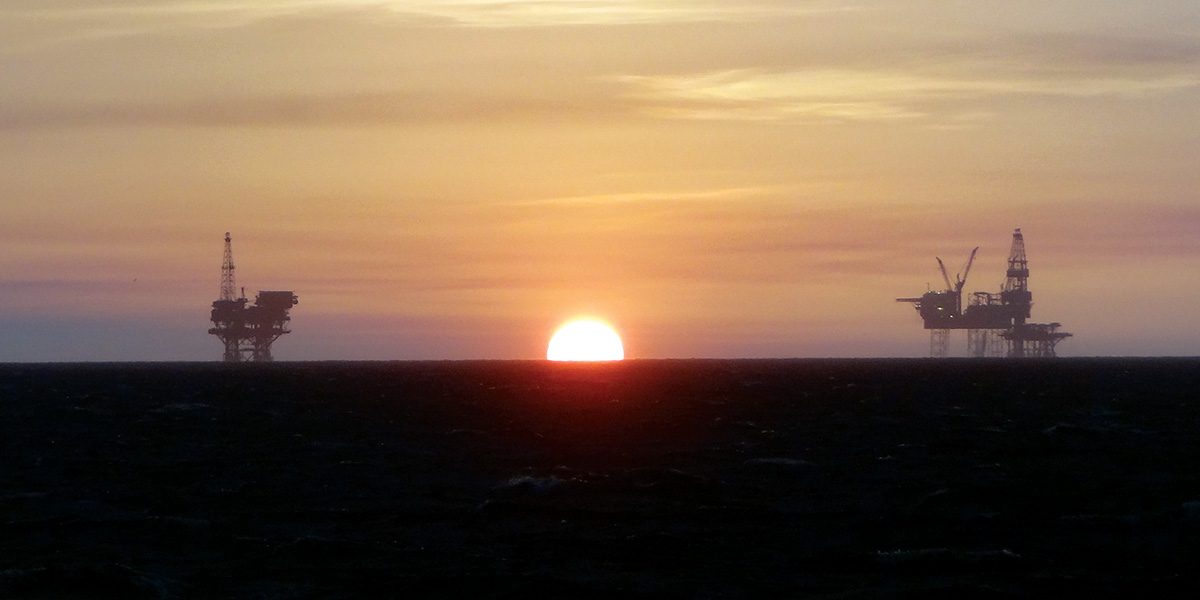
To gain a comprehensive understanding of the extent of oil’s toxic exposures on fish, a team from the Center for Integrated Modeling and Analysis of Gulf Ecosystems circumnavigated the Gulf of Mexico to collect thousands of fish for analysis. They sampled a wide variety of fish and categorized them as pelagic species, coastal species and offshore benthic species. They unexpectedly discovered that the highest exposures are in yellowfin tuna, a pelagic species, suggesting that oil pollution is chronic and widespread in the Gulf of Mexico.
Austin Gallagher is deeply involved in working at the national and international levels to link shark research to policy and advocacy efforts, doing most of his work through Beneath the Waves, the conservation organization he founded. Beneath the Waves is embarking on a multiyear research campaign in the Caribbean, where Gallagher and his team are working with numerous governments to bolster shark conservation efforts through marine protected areas using noninvasive monitoring techniques such as deep-sea drop cameras and environmental DNA.
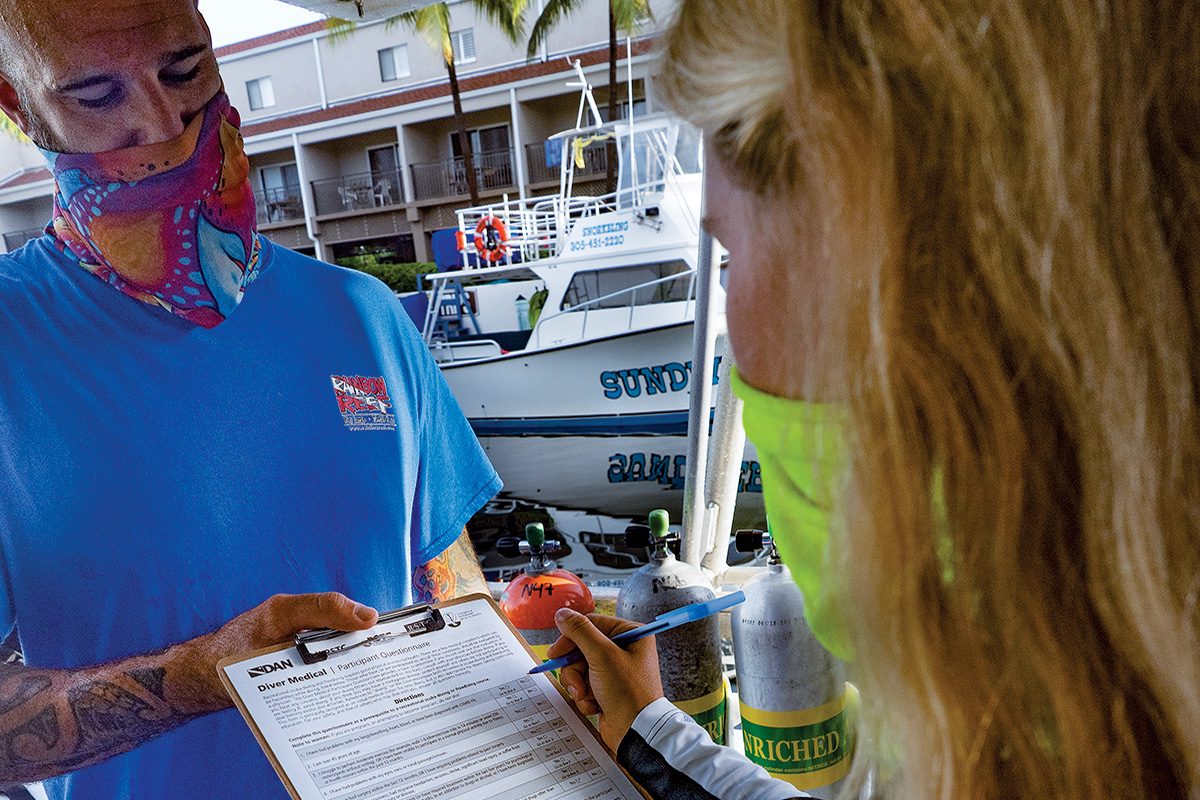
The coronavirus pandemic has prompted dive professionals and businesses to enact stronger infection-control measures for the safety of divers, staff and themselves. As areas lift lockdown orders, divers are eager to return to the water — perhaps staying close to home — and are committed to keeping themselves and their dive buddies safe. When diving during the COVID-19 pandemic, exercise good judgment. If a dive operation is not following local guidelines or their infection-control procedures do not seem adequate — or if you don’t feel comfortable — dive somewhere else.
In 2017 the Diver Medical Screen Committee (DMSC) initiated an evidence-based review of the existing diver medical screening system. Following field testing and significant input from UHMS, DAN and other experts, DMSC has published the updated diver screening system. Endorsed by DAN, UHMS, the World Recreational Scuba Training Council, training agencies and others, the new Recreational Diving Medical Screening System allows everyone who can safely scuba dive to do so while also encouraging those with possible health risks to be medically evaluated for their fitness to dive.
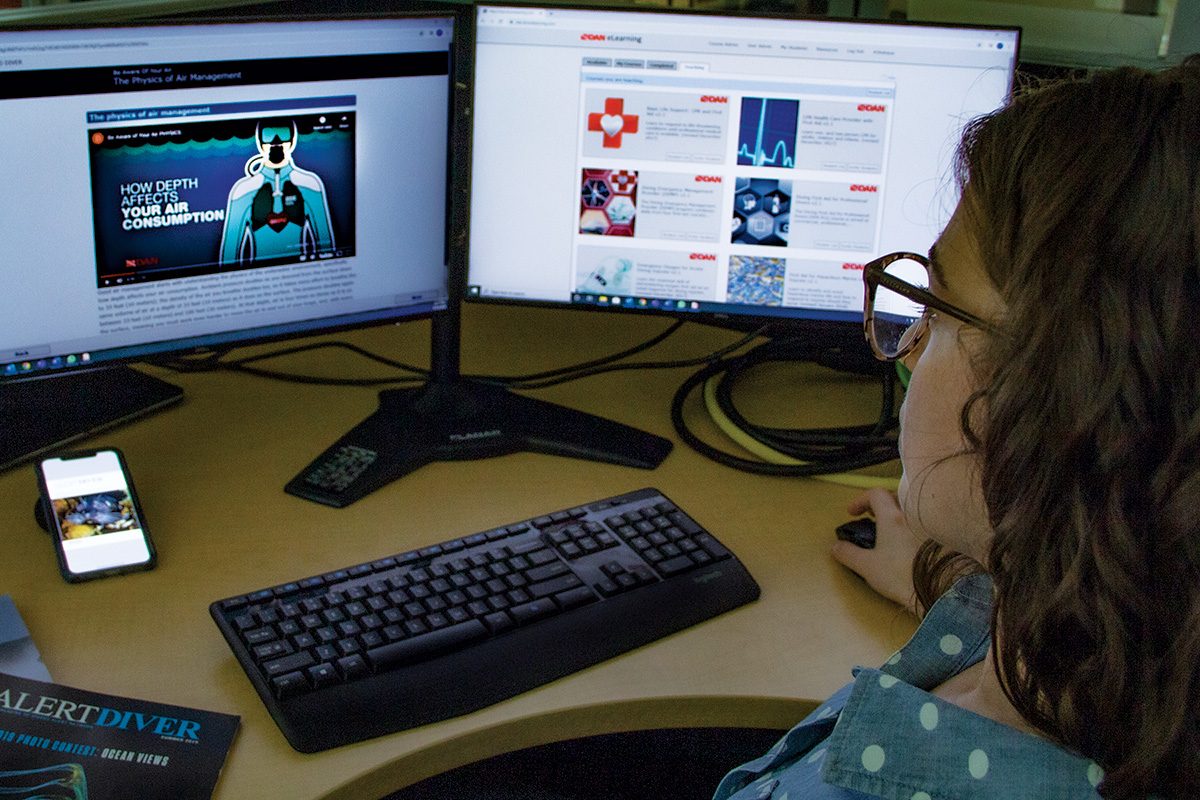
Continuation of dive training and education beyond the open-water course is beneficial, and to make it easier DAN offers the Prepared Diver course to everyone at no cost. This video-based course is for all divers regardless of training level. By building on practices you’ve already learned, Prepared Diver can help you become a better, safer diver. Most important, this course focuses on mitigation and avoidance of the most common triggers of dive accidents and incidents.
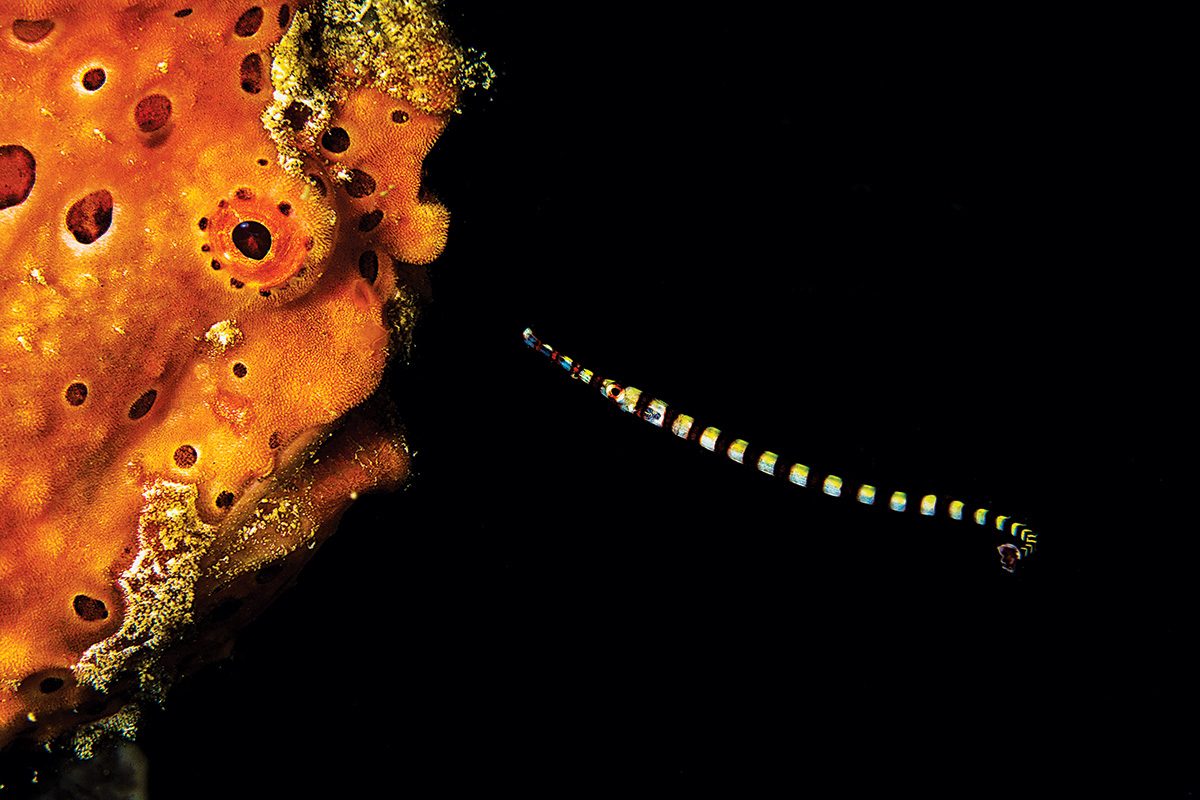
The beauty of a dive resort’s house reef is that you can shoot a subject, return to your room, review the shot on your laptop, figure out how to improve it and reshoot it during the next dive. Diving a house reef in Sulawesi, Indonesia, before and after each day’s boat dives allowed me an abundance of time with the same creatures, and I was finally able to get what I was after — a shot that I will forever cherish.